NexGPU NexGPU

What is an AI Server Production Company and How Does It Work?

Time:2026-07-15 Author:Isabella
0%

In today’s tech-driven world, understanding the role of an AI Server Production Company is essential. These companies design and develop specialized servers that power artificial intelligence applications. They cater to various industries, ensuring efficiency and scalability.

An AI server production company focuses on high-performance computing. It creates infrastructure tailored to the demands of AI workloads. This involves optimizing hardware and software to process large data sets quickly. Clients rely on their expertise for robust solutions.

However, it’s important to reflect on the challenges. Balancing cost with performance is a constant struggle. As technology evolves, companies must adapt while maintaining reliability. This ever-changing landscape poses questions about future scalability and sustainability.
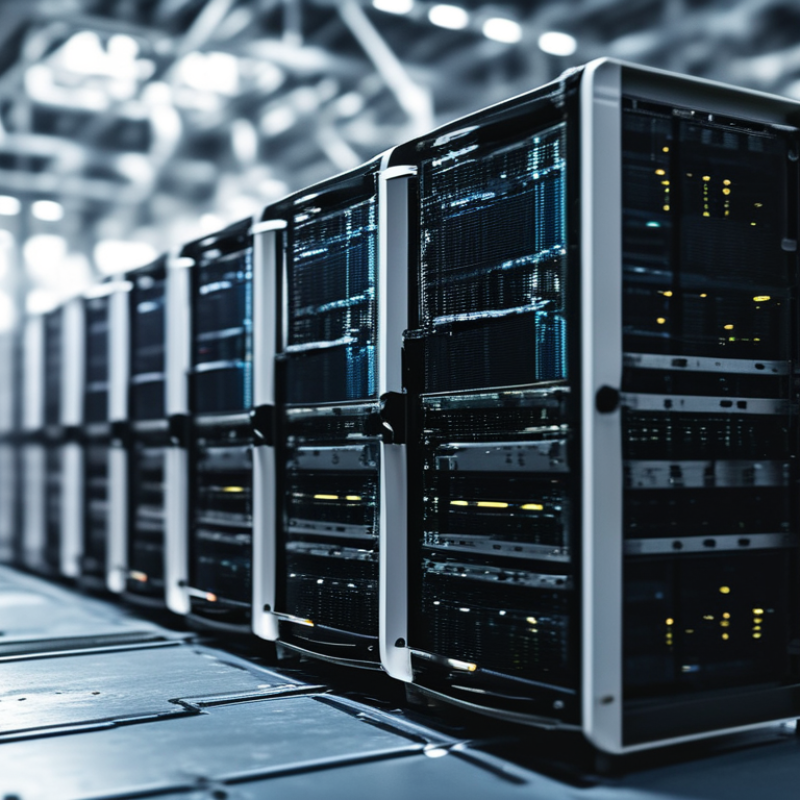
What is an AI Server Production Company and How Does It Work?

Definition of an AI Server Production Company

An AI server production company specializes in developing and deploying advanced AI solutions. These companies focus on creating the infrastructure needed for AI applications. They design servers that handle large datasets, providing the necessary computational power for various AI tasks.

The hardware often includes GPUs, which can process multiple computations simultaneously. This capability is essential for complex algorithms that drive machine learning. Additionally, these companies prioritize energy efficiency. As the demand for AI rises, so does the need to balance performance with sustainability.

Tips: When selecting an AI server provider, consider their experience in managing diverse datasets. Ask about their approach to scaling services. Evaluate their energy efficiency measures.

Behind the scenes, these companies foster collaboration among AI researchers and developers. This collaboration enhances innovation. However, challenges exist. Not all solutions meet market needs, highlighting the need for continuous assessment and improvement. AI technologies are rapidly changing, and companies must adapt quickly.

Innovation requires trial and error. With each challenge, there’s an opportunity to learn. Understanding client feedback is crucial. This ongoing process shapes the future of AI server production, driving the industry forward.

Key Components of AI Server Production Systems

AI server production systems are built on several key components. These systems require powerful hardware capable of handling heavy computational loads. Processors, GPUs, and memory play critical roles. The choice of these components affects overall efficiency and scalability. Storage solutions also matter. Fast and reliable data access is essential for AI applications.


Software frameworks form another crucial part of the system. These frameworks are designed to optimize the use of hardware resources. They enable developers to build and deploy AI models quickly. However, not all frameworks suit every project. Choosing the right one requires expertise.


Networking is often overlooked but vital. High-speed connections allow seamless data flow between servers and external systems. Latency issues can disrupt operations or reduce performance. Monitoring tools enhance reliability by providing real-time insights into system performance and potential issues. Building a robust AI server production system is complex and requires careful planning and ongoing evaluation. The right balance of components and practices can lead to improved outcomes.

Workflow: How AI Servers are Built and Deployed

Building and deploying AI servers is a complex process that involves multiple stages. The workflow begins with needs assessment. Understanding the specific requirements for data processing helps shape the server's configuration. Whether it's for machine learning, data analysis, or natural language processing, defining goals is essential.

Once requirements are clear, the design phase kicks in. Engineers select hardware components like CPUs and GPUs, ensuring they can handle AI workloads. Next comes software installation. This involves setting up operating systems and choosing frameworks that facilitate AI tasks. Each step requires careful attention to detail.

Testing follows deployment. This phase uncovers potential issues in performance and stability. Feedback from users is vital at this stage. Sometimes, servers might underperform or overlook data discrepancies. Continuous improvement is crucial. Reassessing the design or deployment can lead to significant enhancements. Balancing ambition with practical limitations is key to success in building efficient AI servers.

Challenges Faced by AI Server Production Companies

AI server production companies encounter several significant challenges. The rapid growth of AI technology demands constant updates and scalability. Companies must balance the need for cutting-edge infrastructure with budget constraints. This often leads to difficult decisions about resource allocation. Maintaining high-performance servers can be costly. Many companies struggle to justify these expenses in a competitive market.


Another issue is talent acquisition. Skilled professionals in AI and server management are in high demand. Competing for top talent can strain recruitment budgets. Furthermore, training existing staff on evolving technologies is crucial yet resource-intensive. Companies may find themselves unable to retain essential personnel, leading to knowledge gaps.


Data privacy is a persistent concern. AI systems often process vast amounts of sensitive information. Ensuring compliance with regulations is complex and time-consuming. Some companies may overlook these obligations, exposing them to legal risks. Balancing innovation with responsible data management remains a challenge that requires continuous reflection and improvement. These hurdles highlight the need for strategic planning in AI server production.

Future Trends in AI Server Production Technology

AI server production companies play a crucial role in the evolving tech landscape. These companies develop, manufacture, and maintain high-performance servers tailored to handle AI workloads. As the need for processing power grows, innovations in server technology become vital.

Future trends in AI server production technology highlight several key areas. One trend is the integration of edge computing. This allows data processing closer to the source, reducing latency. More businesses seek faster data response times. Another important trend is energy efficiency. The push for sustainable practices is leading to advancements in power usage. Companies aim to create servers that consume less energy while delivering top performance.

Tips: When choosing an AI server, consider future scalability. Ensure your company can grow without frequent upgrades. Look for server solutions that offer flexibility in architecture. Additionally, ask about the support and maintenance services. Reliable customer support can be a game changer for your operations.

Lastly, AI hardware innovations may not always meet expectations. Some new technologies may require time for proper implementation. Understanding potential challenges is key to success in utilizing AI server production effectively.

FAQS

: What are the key components of

I server production systems?

Why is software important for AI server systems?

Software frameworks optimize hardware use and enable faster AI model deployment, but the right choice is crucial.

What role does networking play in AI server production?

Networking ensures high-speed data flow. Latency issues can disrupt operations, so robust connections are essential.

What challenges do companies face in AI server production?

Companies struggle with rapid tech progression, talent acquisition, and balancing performance with budget constraints.

How important is data privacy in AI systems?

Data privacy is critical. Companies must comply with regulations when handling sensitive information to avoid legal risks.

What future trends are emerging in AI server technology?

Trends include edge computing for reduced latency and innovations aimed at improving energy efficiency in server design.

Why should scalability be a consideration when choosing an AI server?

Proper scalability allows companies to grow without frequent upgrades, which can be expensive and disruptive.

What should businesses look for in support services for AI servers?

Reliable customer support can significantly impact operations, making it an important factor when selecting a server solution.

Are there any concerns with new AI hardware innovations?

New technologies may have implementation challenges. It’s essential to understand these before integrating them into production.

How can companies manage the complexity of AI server production?

Strategic planning and ongoing evaluation are necessary to balance resources and encourage continuous improvement in systems.

Conclusion

An AI server production company specializes in the development and deployment of servers optimized for artificial intelligence applications. These companies are built around key components, including powerful hardware, refined software frameworks, and robust data management systems, all essential for supporting AI workloads. The workflow of an AI server production company typically involves designing advanced hardware configurations, implementing machine learning algorithms, and ensuring seamless integration into existing IT infrastructures.

However, these companies face several challenges, including the rapid pace of technological advancements, maintaining system scalability, and addressing security concerns. Looking ahead, future trends in AI server production technology may revolve around increased automation, enhanced energy efficiency, and the adoption of novel computing paradigms, ensuring that AI server production companies remain at the forefront of innovation in the burgeoning field of artificial intelligence.

Isabella

Isabella

Isabella is a dedicated marketing professional with a sharp focus on driving brand growth and engagement through strategic content creation. With an extensive background in digital marketing, she combines her passion for storytelling with her keen understanding of industry trends to deliver......