NexGPU
NexGPU
NexGPU
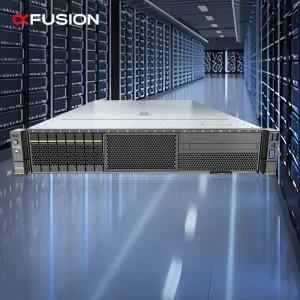
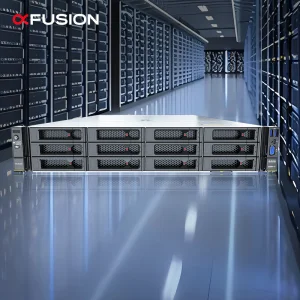
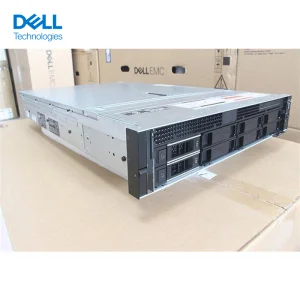
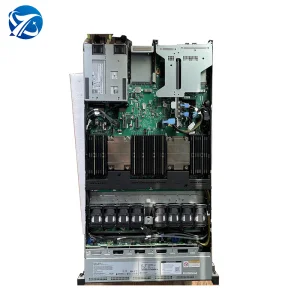
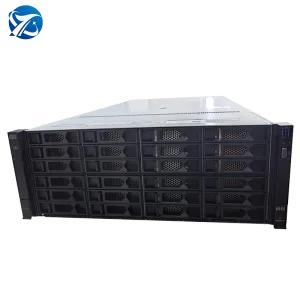
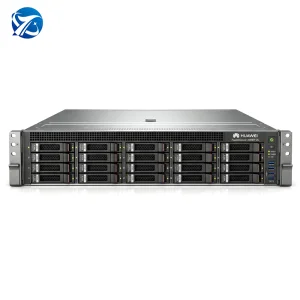
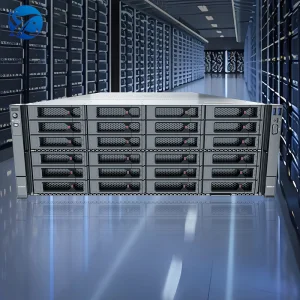
Explore our premium tier xFusion hardware and auxiliary server components optimized for high load operations, storage efficiency, and deep learning configurations.
Founded in 2017, NexGPU is a leading authority in enterprise server integration, custom GPU engineering, and high-performance computing (HPC) distribution.
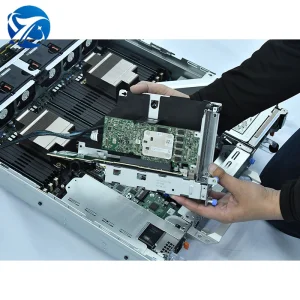
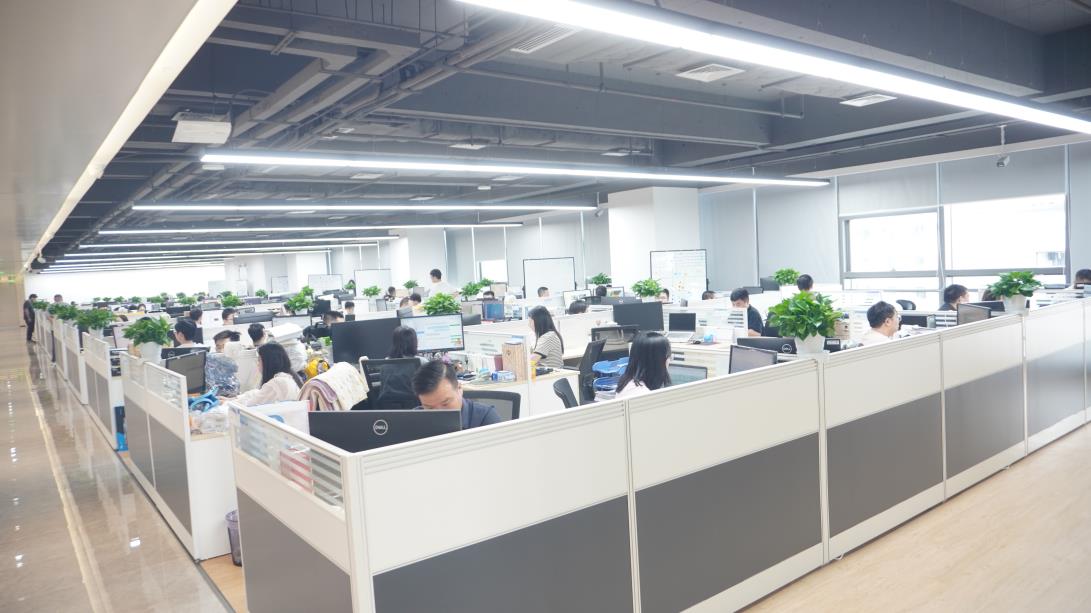
As a premier system integrator and direct distributor specializing in xFusion architectures, NexGPU Intelligent Computing Technology Co., Ltd. coordinates the testing, custom configuration, and global logistics of highly complex enterprise nodes. Operating a modern facility over 380 square meters in Shenzhen, China, we bridge the gap between high-capacity manufacturing capabilities and specialized custom integration demands. Through our robust manufacturing and assembly oversight, we ensure every xFusion barebone chassis is matched with the exact processor configurations, dual-port host bus adapters, and solid-state storage systems demanded by global data centers.
An in-depth whitepaper analysis of xFusion FusionServer hardware evolution across V5, V6, and V7 computing architectures.
The transition from FusionServer V5 to V7 marks a dramatic shift in computing density and I/O efficiency. While the V5 architecture utilizes Intel Xeon Scalable Gen 1 and Gen 2 processors over PCIe 3.0 interfaces, the newer V6 and V7 chassis leverage PCIe 4.0 and PCIe 5.0 pipelines, unlocking bandwidth scales up to 128 GB/s. This evolution supports state-of-the-art CXL (Compute Express Link) interconnectivity, enabling memory expansion and disaggregated hardware topologies essential for massive AI workloads and DeepSeek model executions.
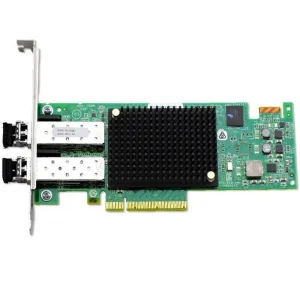
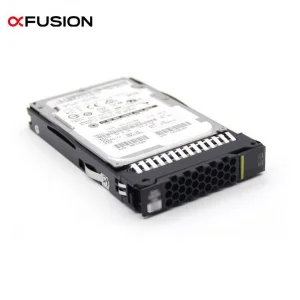
Modern data center operations require mixed storage arrays. The xFusion platform accommodates combinations of high-performance NVMe SSDs and legacy SATA/SAS drives with capacities ranging from 4TB up to 20TB per drive. Backed by dedicated 12G SAS controllers and dual-port Fibre Channel HBAs, such as the Emulex LPE35000 32Gb/s interface, xFusion servers eliminate traditional storage access bottlenecks in virtualization networks.
The roadmap emphasizes energy efficiency through smart algorithms and adaptive cooling technology. Incorporating multi-zone thermal configurations and dynamic energy management systems, xFusion servers significantly reduce secondary operational power draw. Intelligent BMC firmware modules continually adjust fan parameters based on real-time hardware component sensors, protecting delicate computing nodes while keeping PUE scores minimal.
Mapping high-performance computing hardware directly to real-world cloud architectures, financial technologies, and enterprise business analytics.
Enterprise computing infrastructures require tailored hardware profiles designed around specific computational workloads. General purpose servers often fall short when executing highly specialized operations. By leveraging xFusion's diverse server architectures—ranging from high-efficiency 1U compute nodes to massive 4-socket database engines—enterprises can optimize computational density and return on investment.
Hyperconverged environments run complex workloads that demand rapid compute and high storage IOPS. xFusion 2288H V6/V7 servers provide ideal foundations for virtualization hypervisors (such as VMware ESXi and Proxmox). System administrators can bundle multi-core Intel Xeon processors, high-speed DDR5 memory, and PCIe-attached host bus controllers like the Emulex LPE35000 32Gb/s FC card. This configuration facilitates massive virtual machine (VM) density and low-latency access to shared Storage Area Networks (SANs).
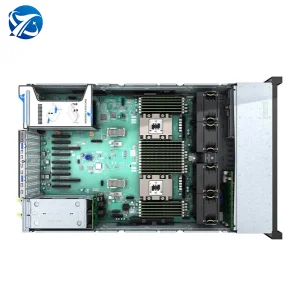
AI model training and real-time inference applications require extensive parallel processing power. Leveraging xFusion GPU platforms, such as the FusionServer G5500 V7 or custom 4U configurations, developers can accelerate LLM training (e.g. DeepSeek-R1) and complex neural networks. With high-speed internal PCIe switches and direct-to-chassis air cooling structures, these machines run GPU-accelerated computing pipelines at peak thermal performance.
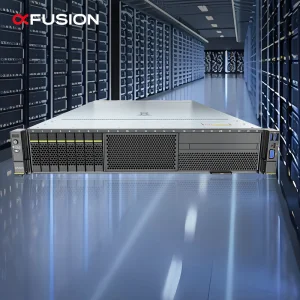
For high-volume transactional databases and enterprise resource planning systems (such as SAP HANA or Oracle DB), the 4-socket FusionServer 2488H V5 delivers robust memory scaling. By hosting database indexes entirely in RAM, these 4-socket architectures provide rapid transaction processing. The hardware architecture prevents memory thrashing, enabling real-time analytical capabilities for global organizations.
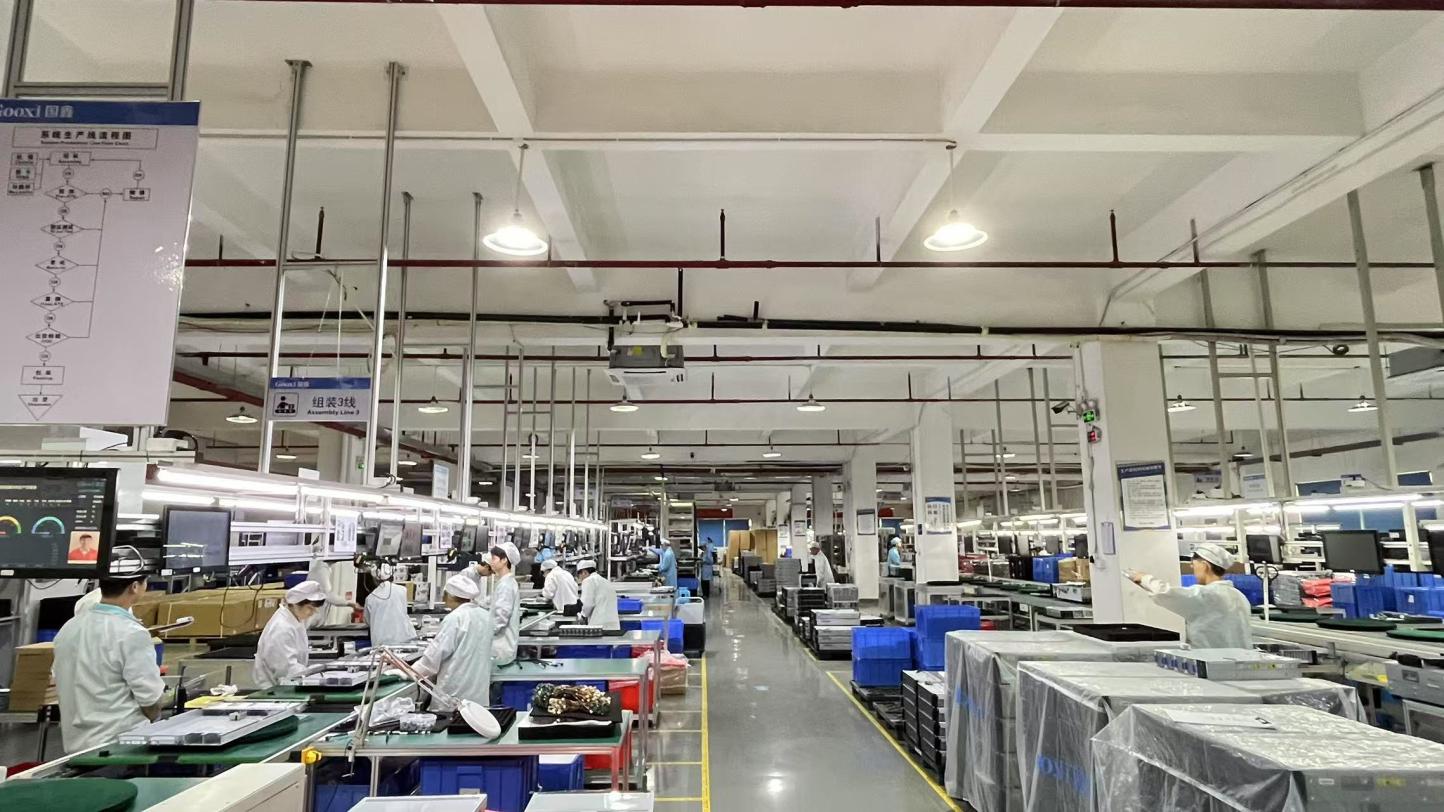
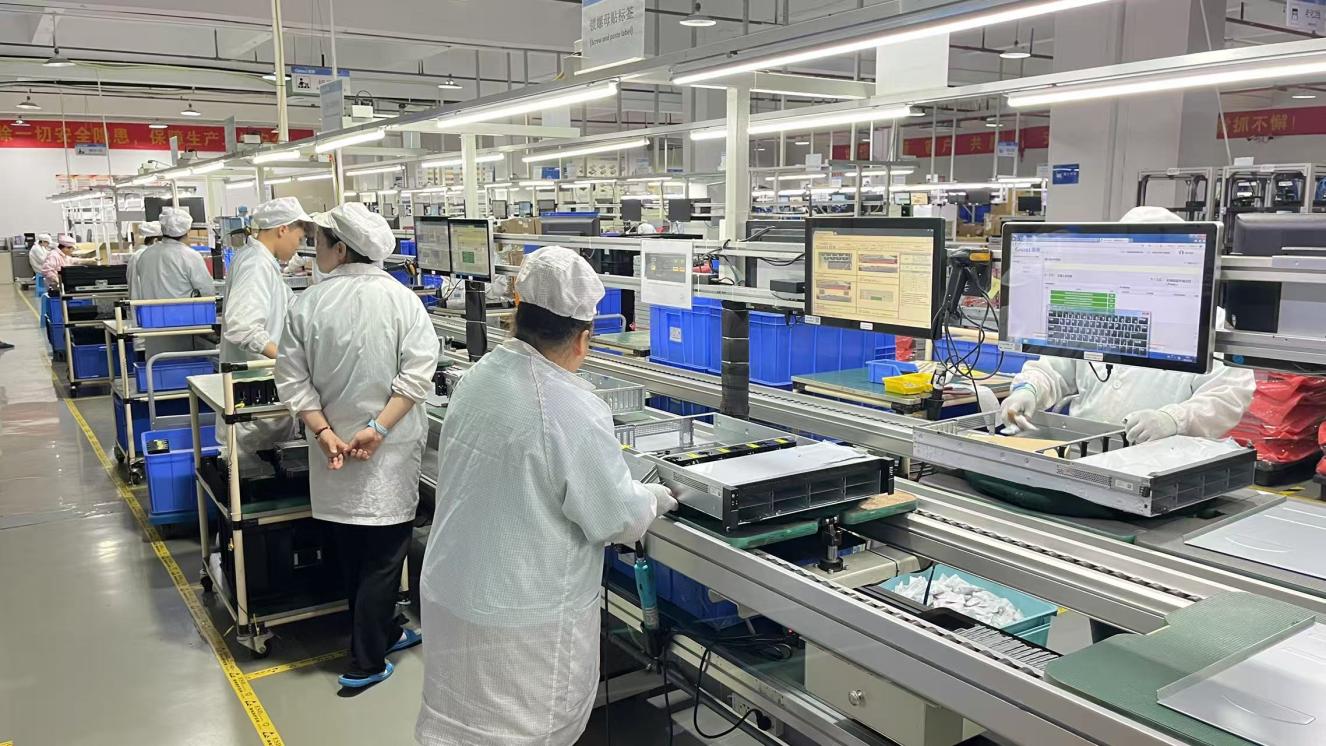
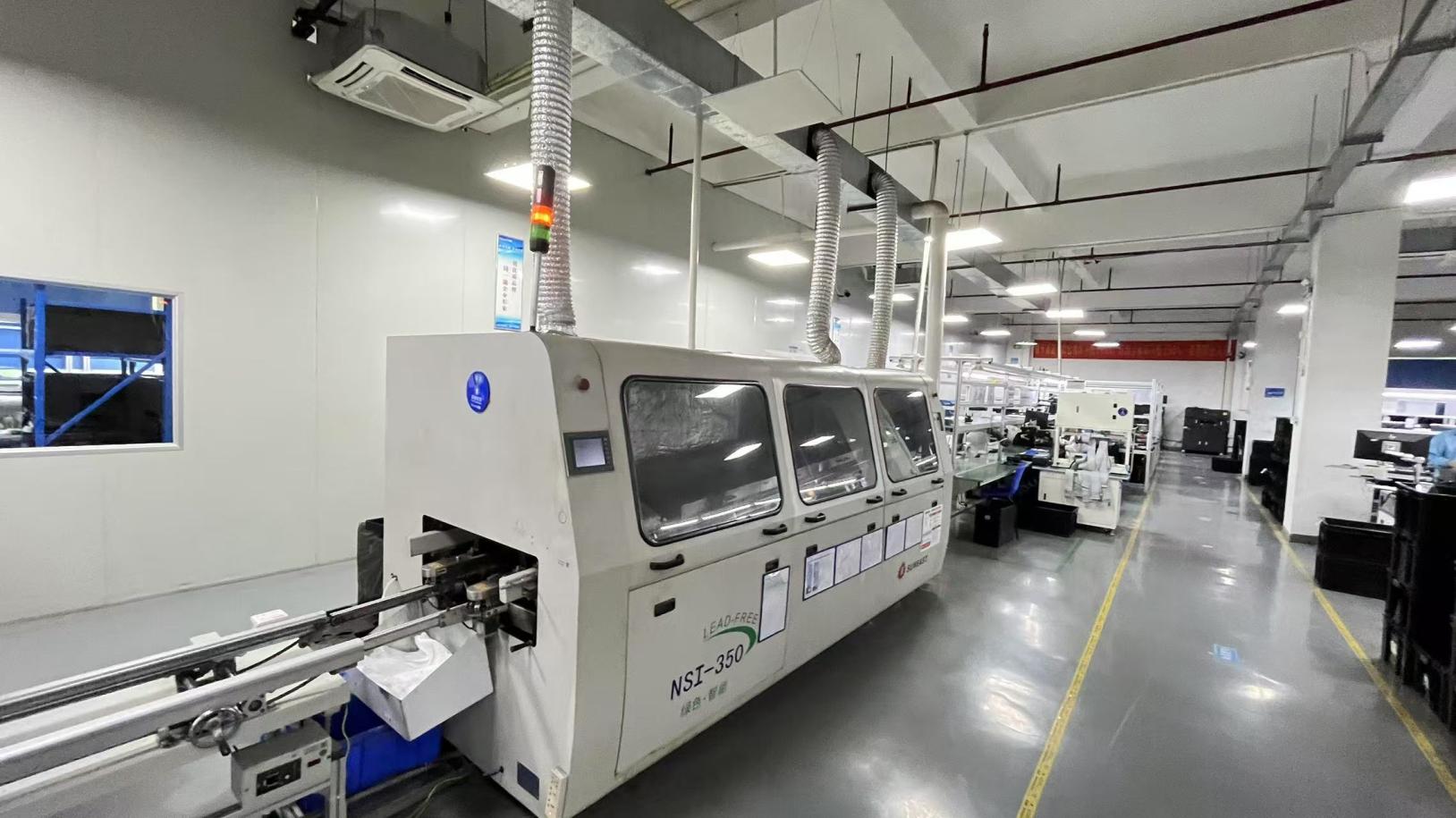
Inside NexGPU's Shenzhen-based integration facility: rigid quality controls, supply chain partnerships, and advanced testing setups.
Operating within the world's most dynamic hardware innovation cluster in Shenzhen, NexGPU has developed a resilient Supply Chain 4.0 network. With strategic integration partnerships spanning over 1,200 suppliers, we secure premium computing components (CPUs, high-end storage arrays, memory sticks, and specialized Host Bus Adapters) even during periods of global silicon shortage.
Our quality management system is governed by strict ISO-compliant guidelines. To guarantee the reliability expected of enterprise data centers, every custom-integrated xFusion server undergoes rigorous diagnostic testing. NexGPU employs over 45 qualified inspectors who supervise a comprehensive five-stage validation pipeline: initial component evaluation (IQC), in-process hardware verification (IPQC), high-temperature dynamic burn-in testing (FQC), compatibility validation, and final secure pack inspection (OQC).



Ensuring cross-border compliance standards, safe global shipping practices, and comprehensive SLA hardware support networks.
Enterprise server exports require strict compliance with international regulations. Every server configuration exported by NexGPU meets rigorous standard criteria, including CE, FCC, RoHS, and CCC markings. This guarantees that imported hardware operates safely within the power grids and environmental guidelines of the target regions, such as North America, Europe, Southeast Asia, the Middle East, and Oceania.
Our logistics framework is optimized to prevent shipping-related hardware fatigue. All chassis units are encased in anti-static materials, placed in custom-molded high-density foam structures, and shipped in double-walled export crates. Additionally, NexGPU offers strategic out-of-band management setup options and remote IPMI configurations. This facilitates rapid, turn-key deployment once the servers arrive at your data center facility, significantly lowering local setup costs.
Expert answers to essential technical questions for data center architects and server procurement teams.
The transition to V6 and V7 architectures introduces PCIe 4.0 and PCIe 5.0 buses, which double and quadruple raw I/O bandwidth compared to the PCIe 3.0 interfaces in V5 models. Additionally, the V7 platform supports DDR5 memory channels (up to 5600 MT/s) and provides built-in CXL (Compute Express Link) interconnect capability. This enables larger memory pooling, higher virtual machine densities, and optimal performance for AI and machine learning workloads.
The Emulex LPE35000 Fibre Channel HBA delivers high-speed 32Gb/s data transfer. It provides single and dual-port physical interfaces over high-bandwidth PCIe 4.0 x8 slots. For data-intensive setups, this minimizes data access latency and maximizes IOPS, making it ideal for connecting hyperconverged servers directly to Enterprise Storage Area Networks (SANs).
NexGPU offers full hardware customization, including processor speed adjustments, customized RAM configurations, storage backplane modifications, and Host Bus Adapter installations. We also provide brand customization services, such as private label logo placement, custom BIOS firmware splashes, and specialized slide rail assembly options to match your data center racks.
Every integrated system goes through a rigorous multi-stage QA check. This includes initial hardware component testing, complete board connectivity verification, and a 72-hour high-temperature dynamic burn-in process. We load test all CPU cores, memory banks, storage arrays, and network cards to identify and replace any weak components before shipment.
Typical lead times range from 7 to 15 business days, depending on component availability and customization requirements. Standard configurations are often processed faster due to our strategic component inventory, which is backed by a reliable network of over 1,200 supply partners in the Shenzhen electronics hub.
Explore our high-performance computing platforms, specialized GPU configurations, and alternative rack systems optimized for enterprise networks.