NexGPU
NexGPU
NexGPU
Explore our top-performing components designed for enterprise servers, high-density storage arrays, and high-performance computing (HPC) nodes.
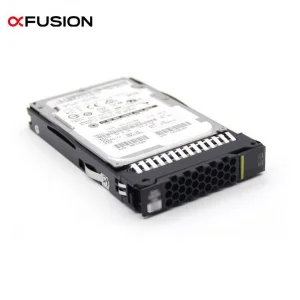
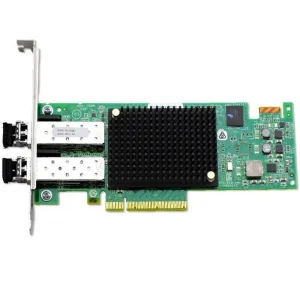
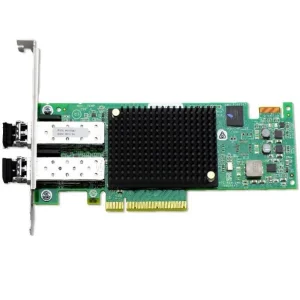
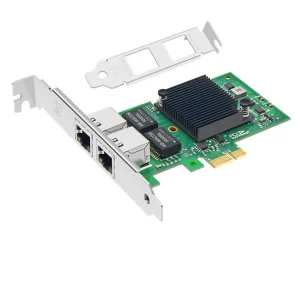
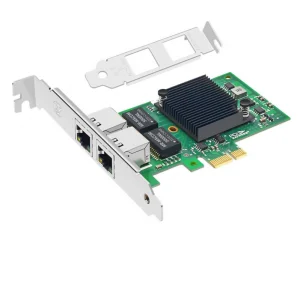
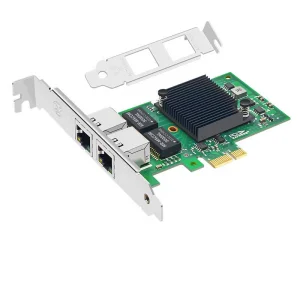
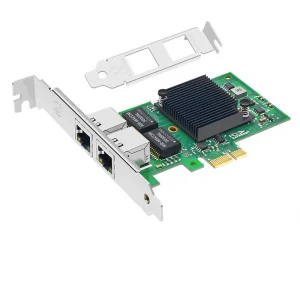
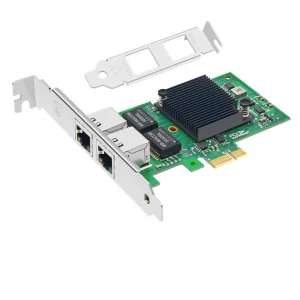
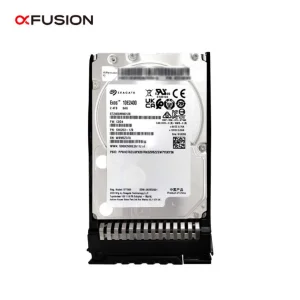
In the era of hyper-scale computing, cloud platforms, and large language model (LLM) training, data centers are undergoing a radical architectural paradigm shift. Standard processing units are no longer sufficient to manage the petabyte-scale throughput required by modern workloads. Consequently, selecting a premier Server Accessories Supplier & Suppliers is a core strategic initiative for hardware engineers and procurement managers alike. Components such as RAID controller cards, high-speed Host Bus Adapters (HBAs), PCIe Gen 4/5 storage media, and high-efficiency redundant power supply units (PSUs) form the bedrock of mission-critical business applications.
NexGPU Intelligent Computing Technology Co., Ltd. is positioned at the intersection of this architectural evolution. By supplying tier-one server accessories, we ensure that modern enterprise nodes achieve unmatched reliability, minimized latency, and optimized Total Cost of Ownership (TCO). Every accessory—from high-density SATA/SAS drives to advanced multi-channel RAID adapters—is engineered to prevent operational bottlenecks, enhance hardware interoperability, and maximize computation-to-power efficiency ratios.
The international server market is witnessing rapid development in interface technologies and protocols. The transition from legacy interfaces to PCIe Gen 4.0 and Gen 5.0 systems has redefined transfer speeds. In parallel, the growth of storage arrays has intensified the need for robust controllers that can manage diverse arrays without system degradation. Enterprise arrays rely on SAS/SATA RAID controllers with onboard cache memory (such as 4GB to 8GB caches) to handle intense read/write patterns, preventing performance drops and ensuring seamless operations.
The transition to PCIe 4.0/5.0 interfaces double data bandwidth, allowing RAID controllers and HBAs to run at peak throughput without bottlenecking the processor.
Integration of flash-backed write cache (FBWC) protects volatile data from sudden power interruptions, maintaining absolute database consistency.
Deployment of 32Gb/s and 64Gb/s optical Host Bus Adapters (HBAs) to ensure seamless access to SANs for mission-critical databases.
Enterprise procurement divisions face complex challenges when sourcing server components. The purchasing criteria have moved beyond simple cost calculations to encompass systemic compatibility, long-term stability, and supply chain reliability. High-density server platforms run around the clock, meaning any hardware issue can lead to expensive downtime. Consequently, component selection must prioritize rigorous performance metrics.
Compatibility Matrix Verification: One of the most common issues in data centers is component incompatibility. High-performance host adapters, like Emulex LPe35002 series HBAs, must work seamlessly with various operating systems, hypervisors, and storage fabrics. Enterprise buyers seek suppliers who provide pre-tested, certified components that integrate smoothly into existing platforms (e.g., FusionServer, HP, Dell, and Lenovo), minimizing installation issues.
Thermal Management & Efficiency: Modern multi-core CPU arrays and high-capacity hard drives generate substantial heat. Accessories such as 900W, 1500W, and 2000W Platinum redundant power supplies must deliver power with efficiency ratings exceeding 94%. High efficiency directly translates to lower operational costs and reduced thermal load inside the chassis, extending the operational life of the server memory, storage, and processing units.
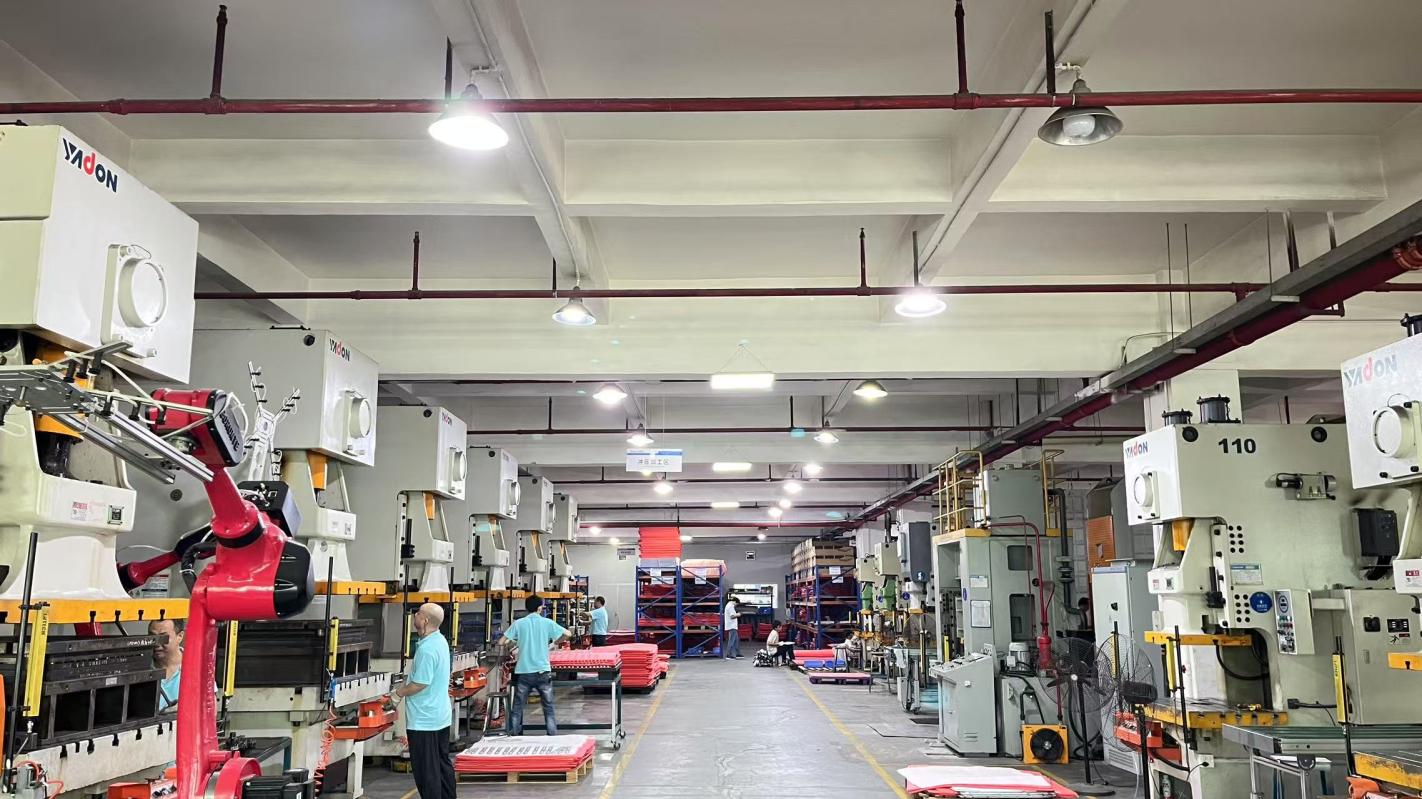
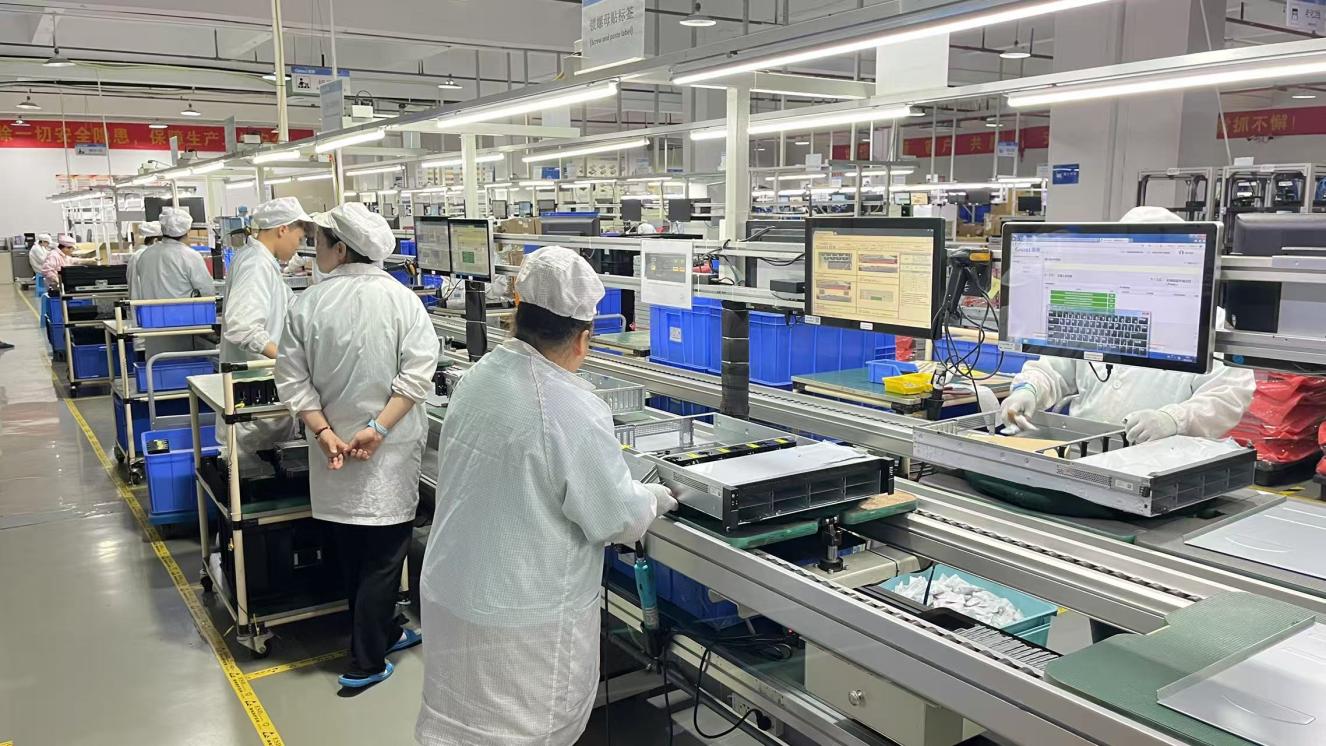
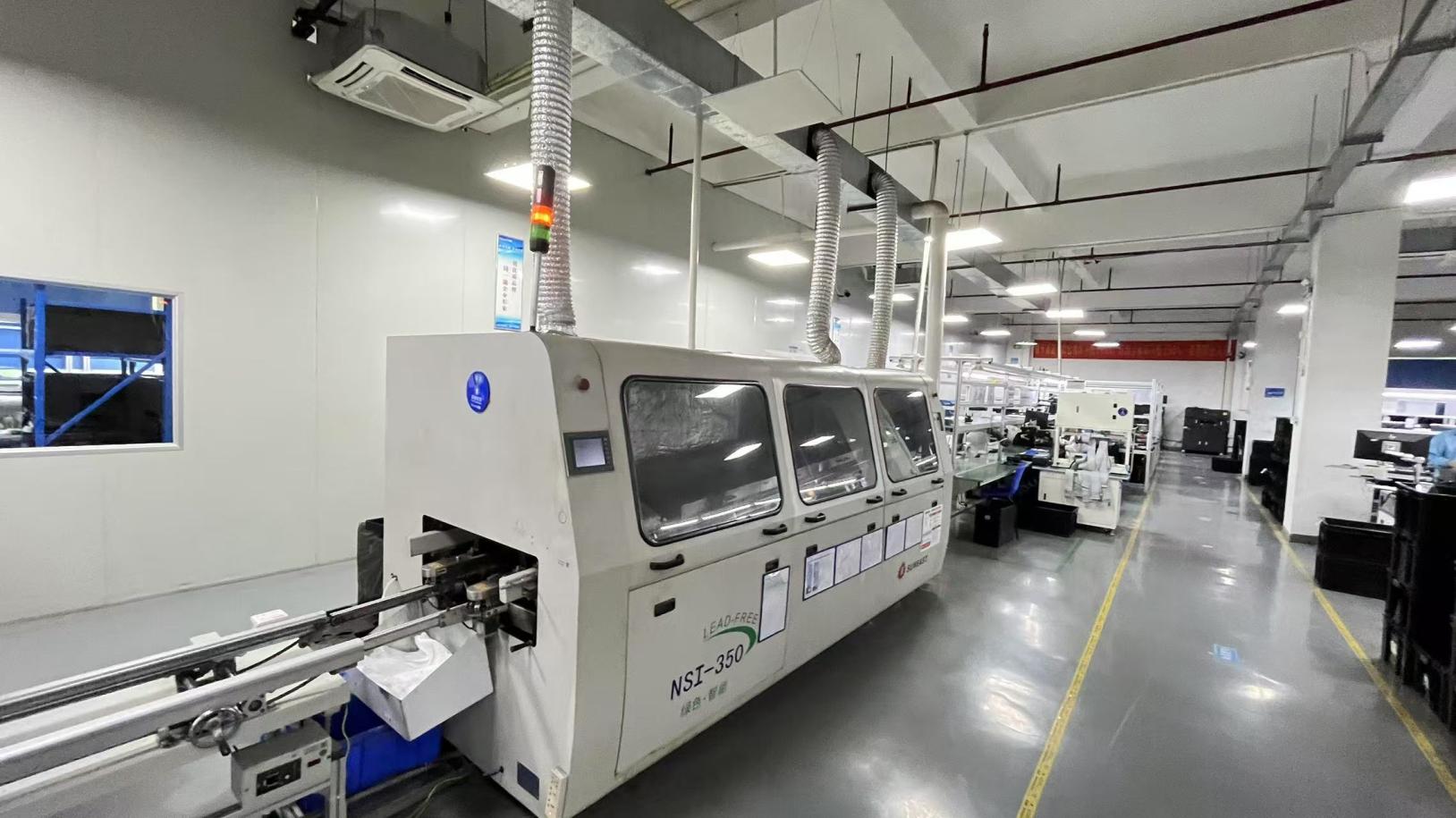
Shenzhen, China, stands as the global hub for advanced hardware manufacturing. At NexGPU, we leverage the region's sophisticated electronic ecosystem to implement Factory 4.0 methodologies. This production system integrates manufacturing technologies, automated assembly, and strict testing protocols to deliver server components that satisfy stringent international criteria.
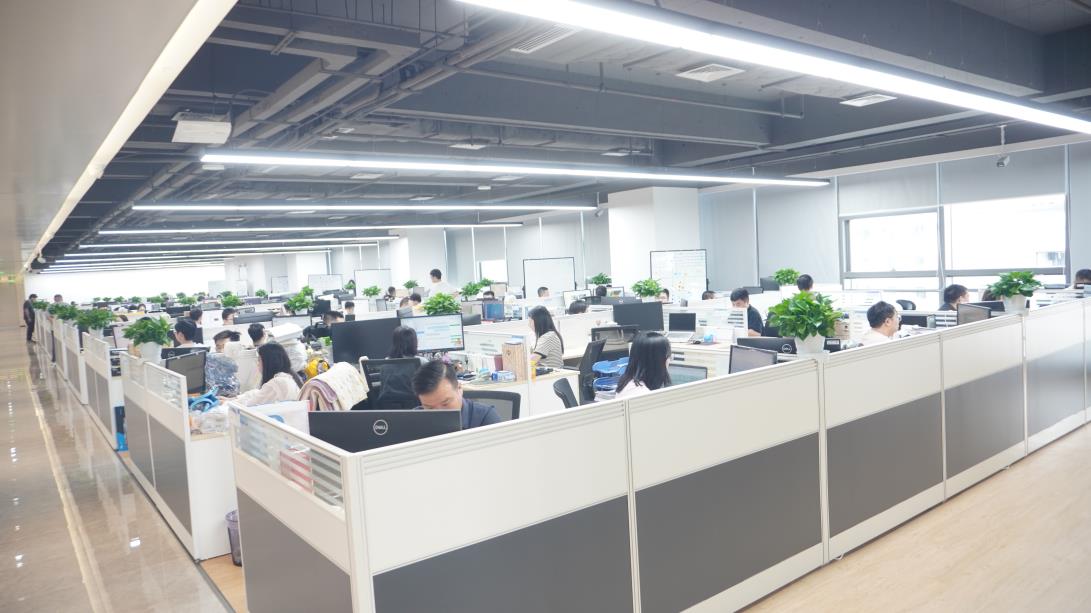
Our modern facility covers over 380 square meters and is equipped with advanced systems for assembly, testing, and quality control. With over 9 years of industry experience and 7 years of export history, we have refined our processes to combine high output with uncompromising reliability. Our supply chain includes more than 1,200 strategic partners, allowing us to source premium materials and offer versatile OEM and ODM services, including customized hardware configurations, custom branding, and specialized firmware optimizations.
Quality assurance is central to our operational philosophy. Our dedicated QC division consists of more than 45 experienced inspectors. Every batch of components—whether high-speed array controller cards or enterprise NVMe solid-state drives—undergoes a comprehensive testing cycle before distribution:
Continuous operation under high heat and heavy workloads to identify and eliminate early-stage component defects before delivery.
Testing components across diverse server ecosystems (e.g., Dell PowerEdge, HPE ProLiant, Lenovo ThinkSystem, and Inspur platforms).
Analyzing signal pathways on high-frequency interfaces (PCIe Gen 4.0/5.0) to ensure reliable data transmission and minimize packet loss.
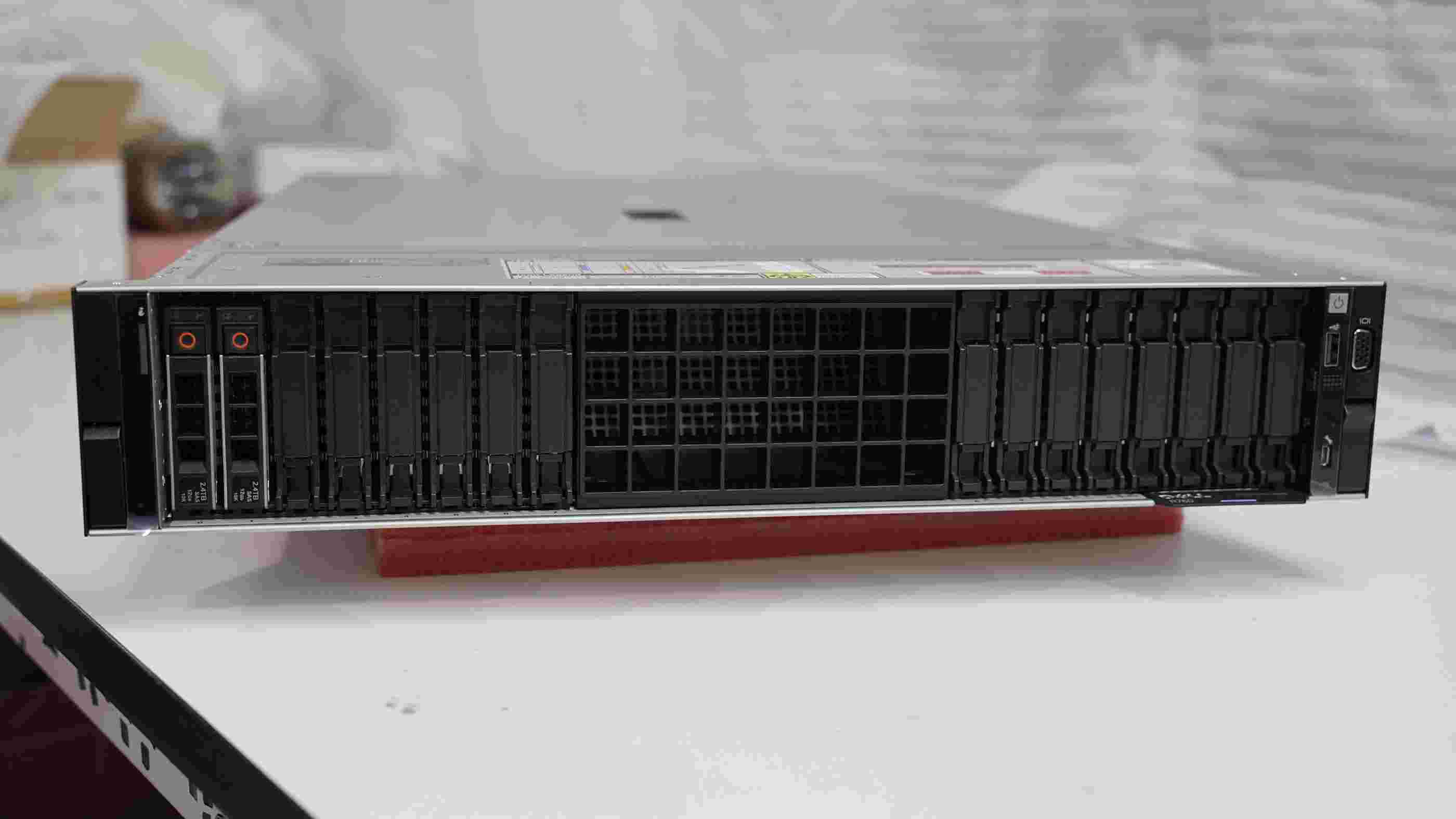


Server components perform different roles depending on the operational environment. Diverse target industries—ranging from commercial cloud providers to localized compute clusters—require tailored hardware setups. Here, we outline the primary deployment scenarios where our accessories deliver direct, practical advantages:
AI model training requires massive bandwidth to transfer weights and datasets between processing units and storage pools. Standard SATA networks often create significant data bottlenecks here. To address this, developers use high-performance hardware configurations that pair NVMe PCIe SSDs, such as the EP600 Series, with 32Gb/s Fibre Channel HBA cards. These networks ensure that AI pipelines operate efficiently, reducing processing downtime and maximizing compute cluster utilization.
Cloud architectures rely on high node density and low operational overhead. Power distribution efficiency is a major focus for these systems. Deploying 80 Plus Platinum-certified server power supplies (ranging from 900W to 2000W) minimizes power loss during conversions. Additionally, installing high-capacity 12Gb/s SAS and SATA hard drives equipped with dedicated RAID cards (like the 9560-16i with 8GB cache) allows providers to deliver stable, high-speed virtual machines to thousands of simultaneous users.
In the financial sector, transaction speed is a key competitive factor. Even microsecond delays in stock trading applications can result in substantial losses. Financial servers use dual-port Emulex HBAs and short-wavelength LC optical connections to establish high-speed, direct links with storage fabrics. This hardware layout provides the ultra-low latency required for automated trading and real-time database indexing.
Edge computing brings data processing closer to the source, often in remote or challenging environments like industrial sites or cellular base stations. Hardware at the edge must operate reliably with minimal hands-on maintenance. Compact RAID cards, such as the XP270-M2 (SAS3808 BootCard), enable local array protection and feature out-of-band management. This setup allows IT teams to monitor and maintain system health remotely, ensuring continuous service without on-site visits.
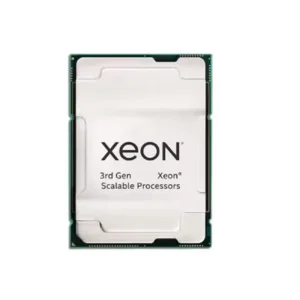
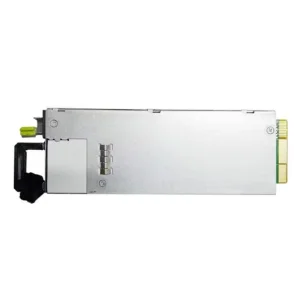
Complete your deployment with enterprise-class processors, redundant power systems, high-bandwidth optical cables, and solid-state storage.
To assist enterprise infrastructure designers and purchasing managers in making informed decisions, our engineering team has compiled answers to frequently asked technical questions regarding server accessories and system integration.
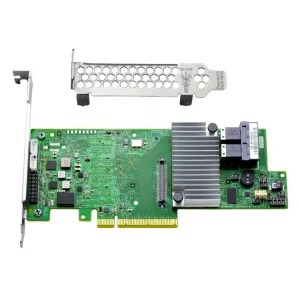
Dedicated hardware RAID controllers (such as the LSI 9560-16i or the Broadcom 9540-8i) include onboard processors and dedicated cache memory (up to 8GB). This hardware setup offloads RAID parity calculations from the host CPU. By handling these operations on the card, the system frees up processor cycles for user applications and prevents performance bottlenecks during heavy disk write periods. Additionally, physical RAID cards support cache backup modules (supercaps), which save in-flight data to non-volatile memory during sudden power loss, preventing database corruption in enterprise environments.
Emulex LightPulse Host Bus Adapters (HBAs), such as the LPe35002-M2, utilize the Fibre Channel (FC) protocol, which is designed specifically for storage traffic. Unlike TCP/IP on standard Ethernet cards, FC uses a credit-based flow control system that prevents packet drops and reduces communication overhead. Operating at 32Gb/s per port, these cards provide low-latency connectivity to SAN arrays, making them ideal for high-volume database engines and virtualized clusters.
The choice depends on the workload's performance and reliability requirements. Enterprise SATA drives (running at 6.0Gb/s) are suitable for cold storage, archiving, and sequential read applications due to their high capacity-to-cost ratio. In contrast, SAS drives (running at 12Gb/s) feature dual-port paths for redundancy, faster spin speeds (up to 10K RPM), and higher command queuing capacity. This makes SAS drives the preferred choice for transactional databases and multi-user applications where drive reliability and continuous operation are critical.
For high-density configurations, such as GPU computing and multi-node clusters, power supplies with 80 Plus Platinum or Titanium certification are recommended. These units achieve over 94% power efficiency at typical workloads. Deploying these high-efficiency PSUs, like our 1500W and 2000W redundant power supplies, reduces electrical waste and lowers overall heat dissipation inside the server chassis, helping to lower utility bills and cooling costs.
The XP270-M2 (using the SAS3808 controller) supports out-of-band management interfaces. This feature allows system administrators to monitor drive health, reconfigure RAID arrays, and view system status remotely via management software, even if the primary operating system is unresponsive. This capability simplifies maintenance and helps reduce operational costs for edge computing deployments and remote branch offices.
Drive Writes Per Day (DWPD) measures the write endurance of a solid-state drive over its warranty lifetime. Enterprise workloads, including virtualization and real-time transaction processing, generate continuous write cycles that can rapidly wear out consumer-grade flash memory. Selecting high-endurance enterprise SSDs (such as the EP600 NVMe series) ensures consistent performance and data retention throughout the lifecycle of the system.