NexGPU
NexGPU
NexGPU
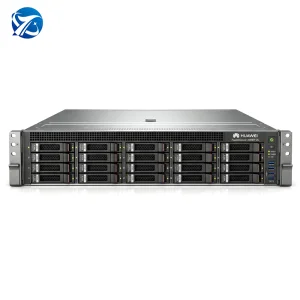
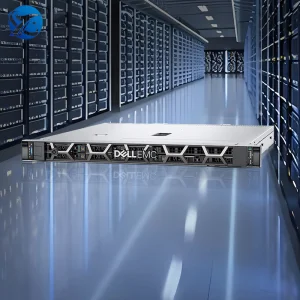
Featured Rackmount Nodes, Memory Upgrades, and Storage Expansion Options
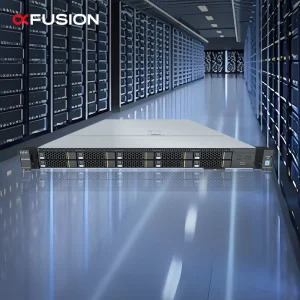
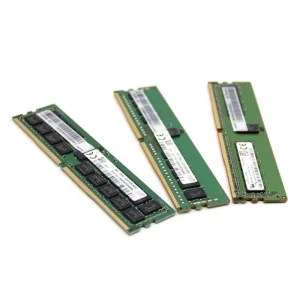
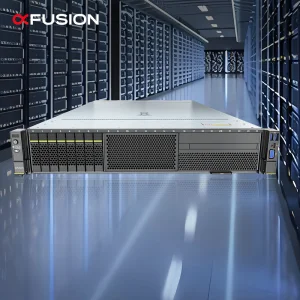
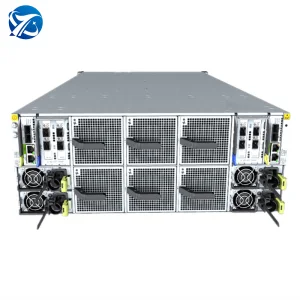
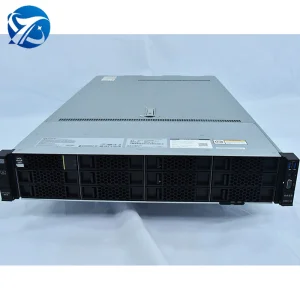
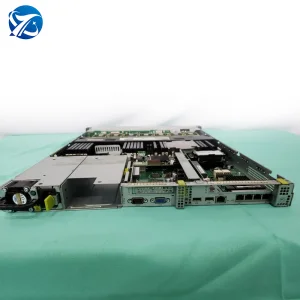
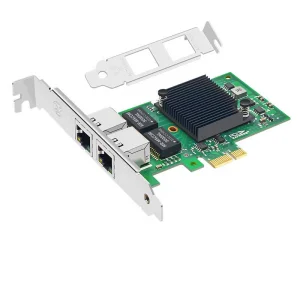
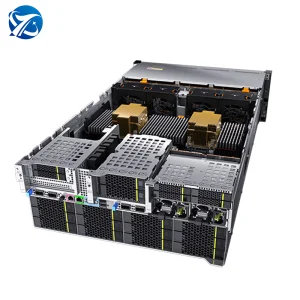
In the modern data center era, compute density, energy efficacy, and absolute hardware reliability have shifted from simple operational requirements to decisive pillars of business scale. As companies deploy high-performance computing (HPC) nodes to run LLMs, ERP engines, and intensive databases, the design architecture of rackmount hardware must evolve. The synergy between customized server manufacturing and established architectures (such as Lenovo System x and ThinkSystem structures) offers an optimal balance of flexibility, density, and global compliance.
A true enterprise-level deployment demands strict adherence to rigorous quality frameworks. As a leading specialized manufacturer, we align our product configurations with verified standard compliance parameters, specifically maintaining CE, FCC, and RoHS certifications. By blending OEM design adaptability with component architectures tested under international compliance frameworks, we provide computing platforms engineered to maximize system uptime (MTBF) and minimize TCO (Total Cost of Ownership).
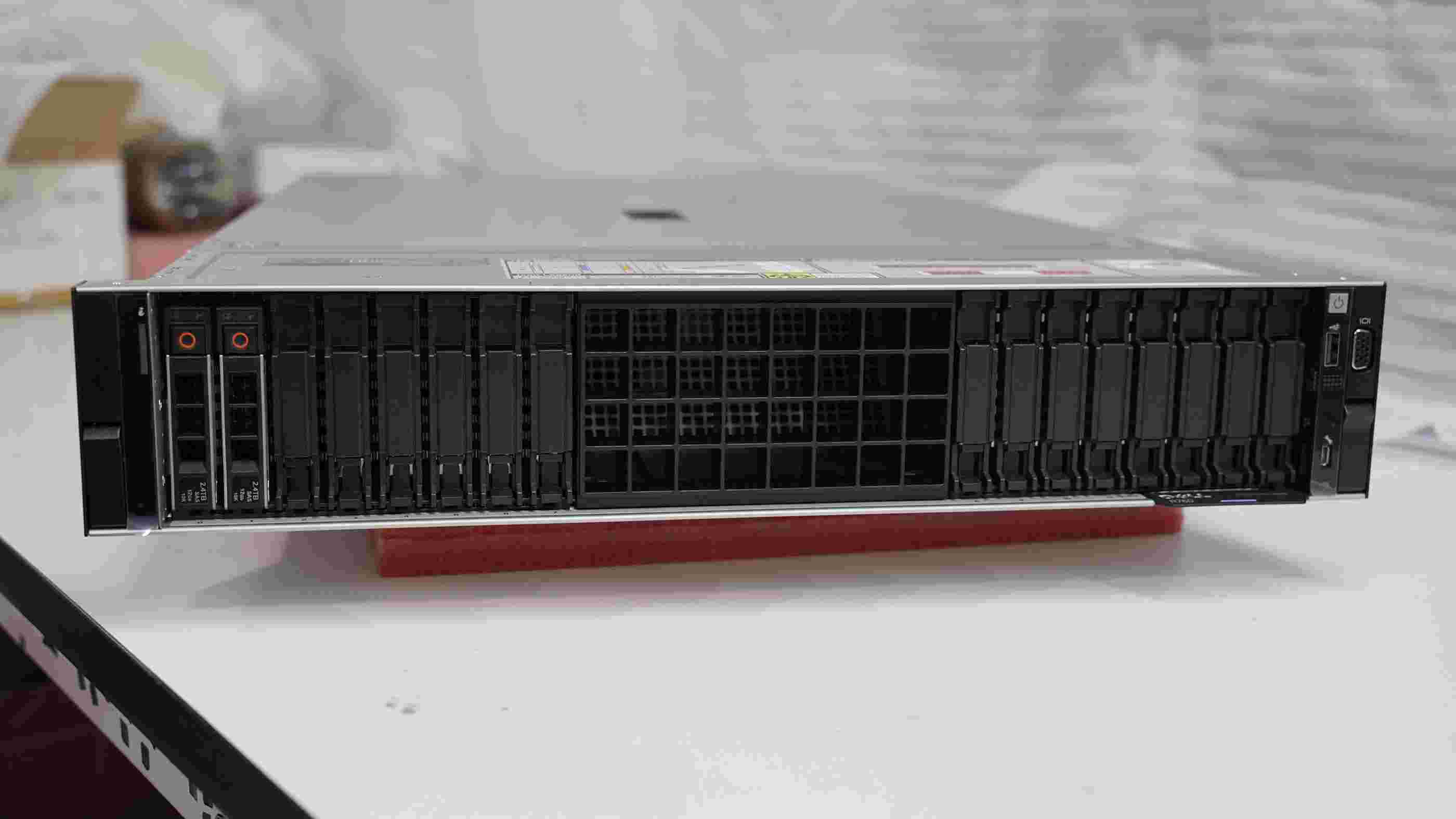
By focusing on physical layer security, advanced thermal engineering, and modular power delivery, we produce CE-certified server systems that slot seamlessly into existing high-density server environments. This integration provides enterprise buyers with the reliability of a Tier-1 brand and the flexible customization options of an agile OEM manufacturing model.
Reliability and Scale in Global GPU & Enterprise Server Manufacturing
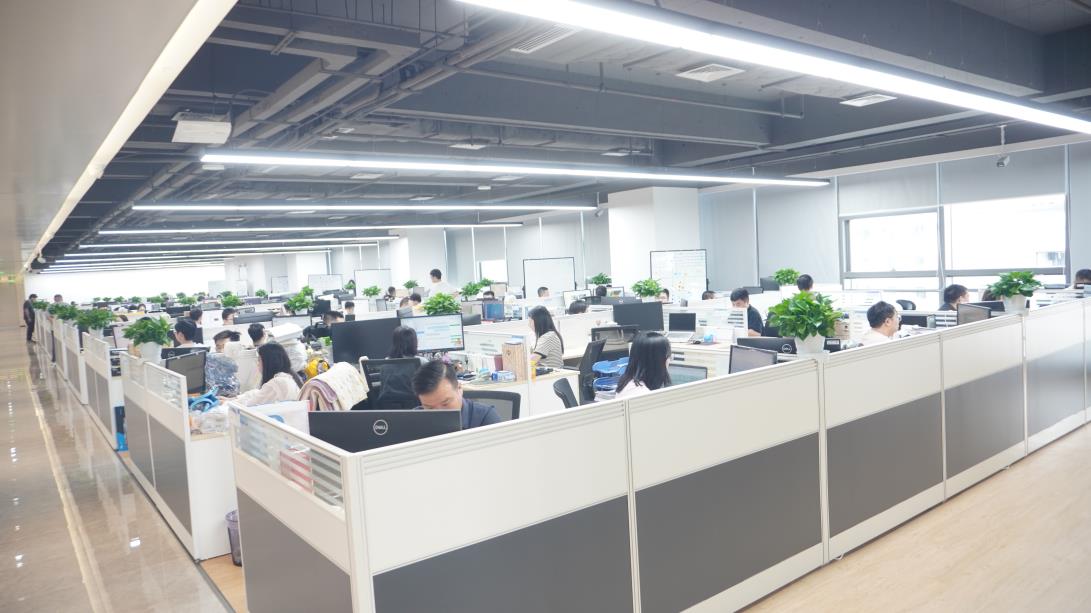
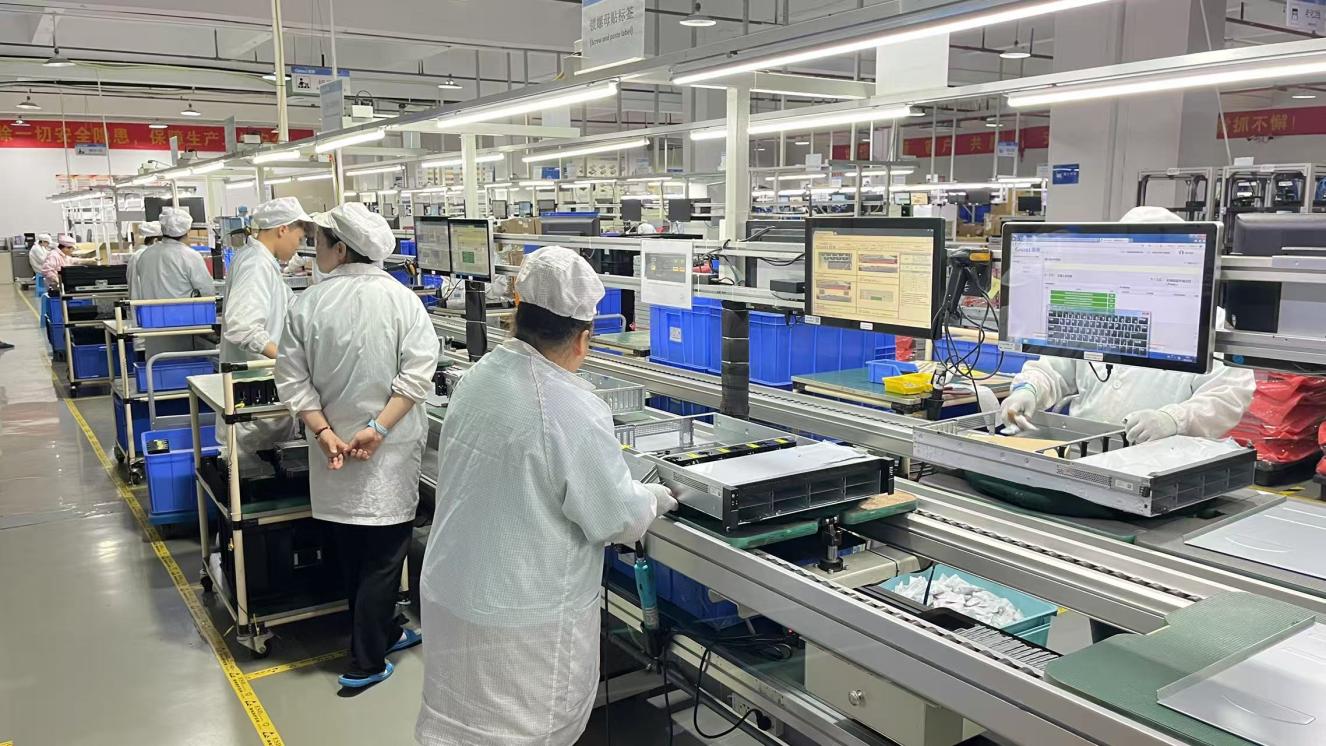
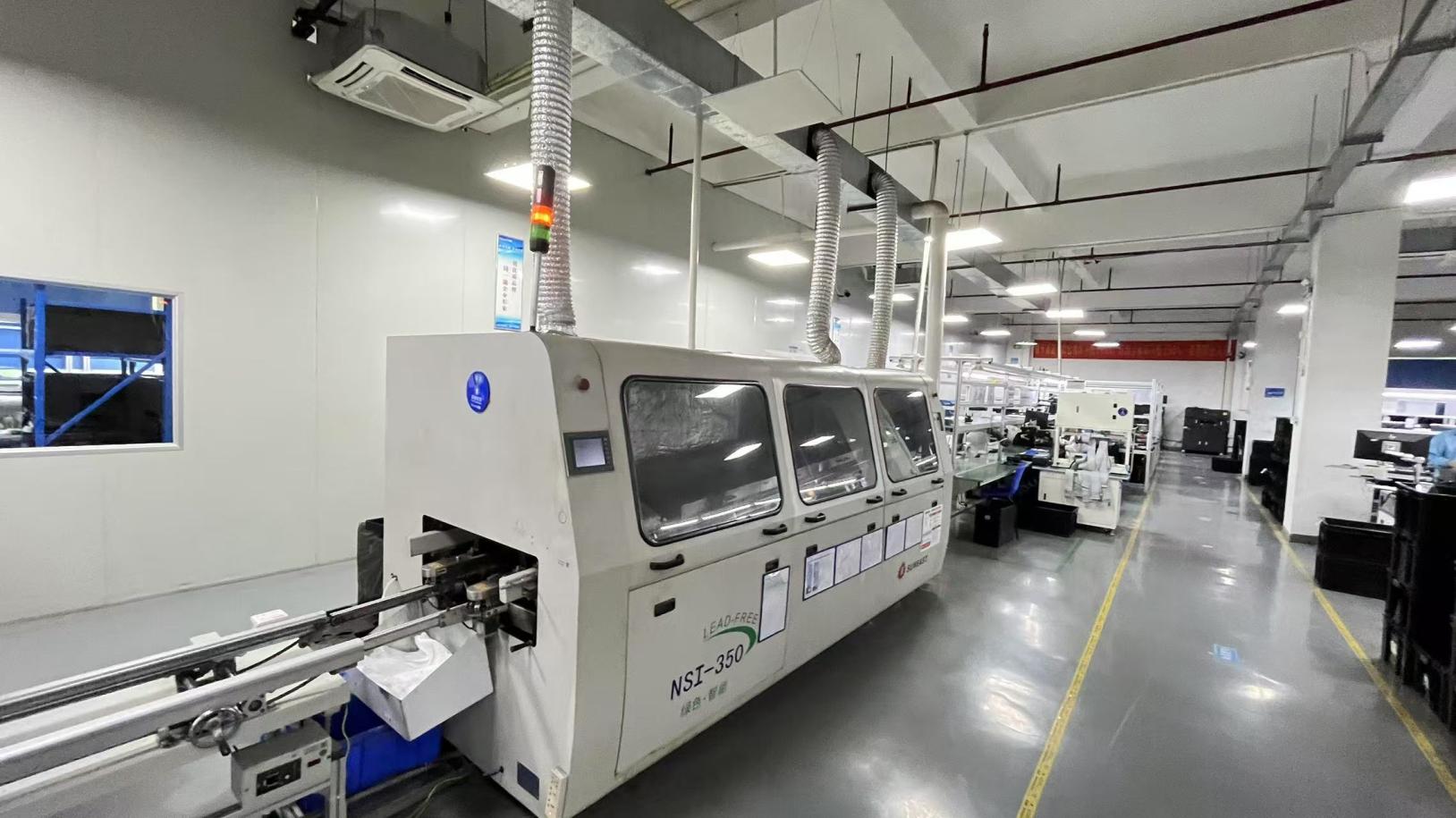
Founded in 2017, NexGPU Intelligent Computing Technology Co., Ltd. has established itself as an industry leader in customized GPU servers, AI compute topologies, high-performance computing (HPC) platforms, and bespoke rack integration systems. Headquartered in Shenzhen, China, the facility comprises a modern 380-square-meter design, assembly, and testing facility optimized for precision system integration.
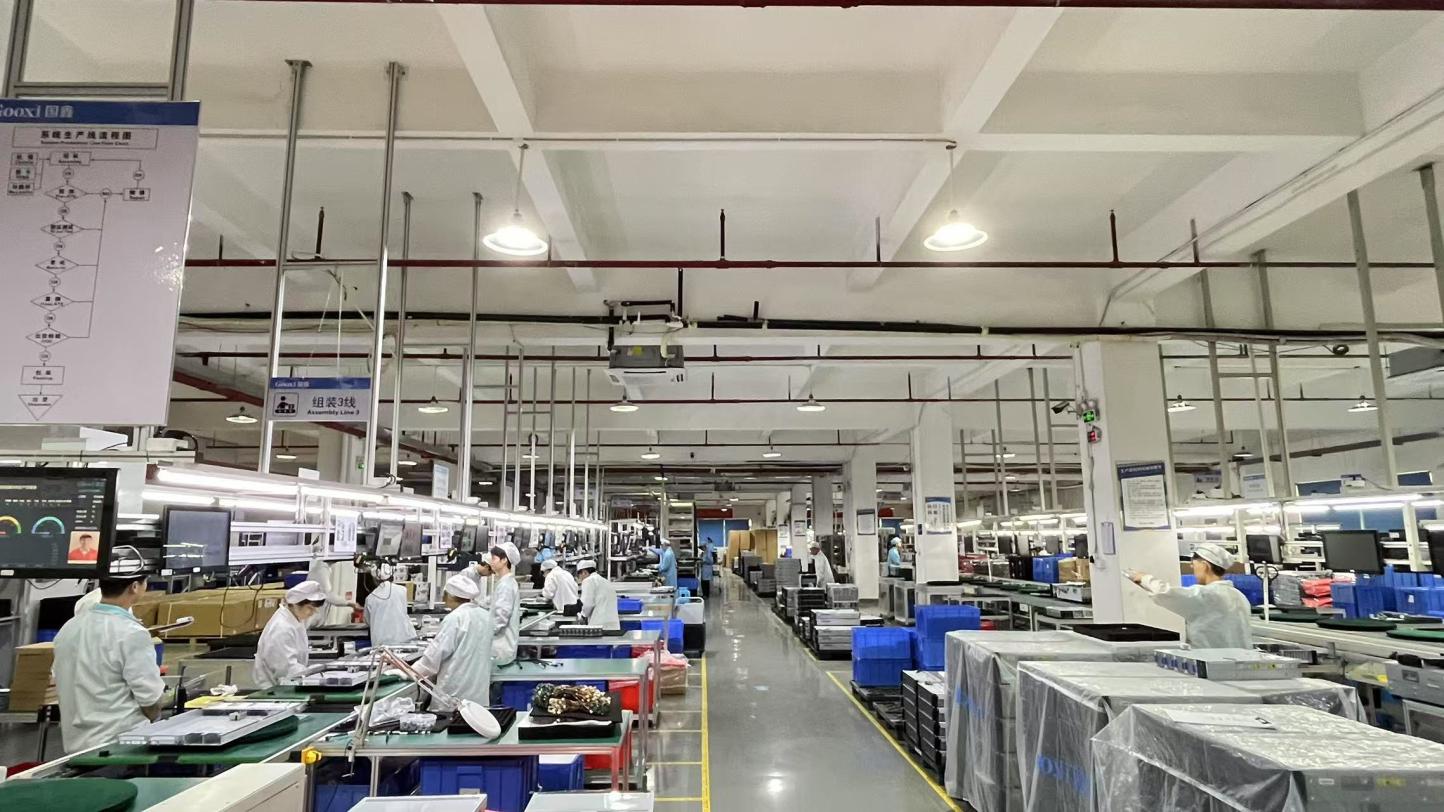
Supported by a comprehensive supply network of over 1,200 strategic supply partners, NexGPU bridges component supply with strict quality testing. Our design department features more than 120 R&D engineers focused on server structures, power efficiency, liquid-cooling solutions, and custom chassis tooling. To maintain standard quality compliance, our dedicated team of 45+ QC inspectors tests every system configuration to ensure it matches strict reliability protocols before shipment.
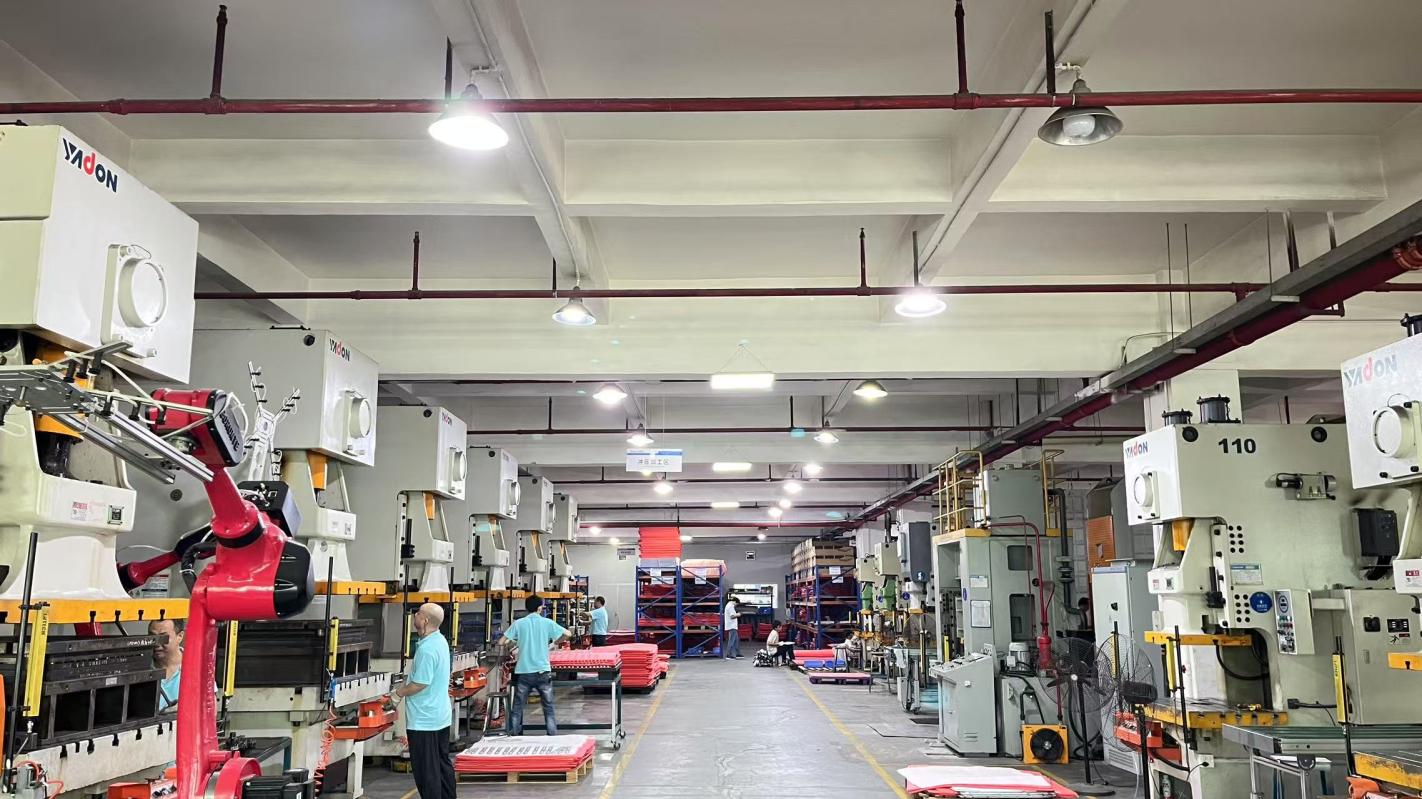
Shenzhen's industrial manufacturing ecosystem provides an excellent environment for producing advanced computing hardware. By combining localized manufacturing clusters with global procurement systems, we optimize components from sheet-metal tooling to high-density server mainboards. This proximity accelerates the prototyping cycle, allowing us to implement design updates much faster than traditional ODM suppliers.
Quality control remains the core focus of our manufacturing process. Operating under a comprehensive quality management system, every single server node undergoes 4 stages of rigorous verification:
Analyzing critical components, including PCIe switches, SAS controllers, VRMs, and high-density capacitors, to verify exact specification compliance and prevent counterfeit parts.
Subjecting fully integrated server units to extended thermal stress testing in specialized environmental chambers. This process identifies potential system failures before deployment.
Using advanced software tools to verify that PCIe Gen 5 channels, NVMe configurations, and memory lanes run at peak speeds without signal degradation.
This strict testing strategy helps NexGPU maintain high manufacturing yields and reliable performance field data. We ensure our custom platforms slot directly into enterprise datacenters, providing long-term reliability for critical operations.
The compute environment is changing rapidly. The demand for processing power driven by large language models, high-performance database workloads, and complex simulations requires consistent hardware innovation. Our technical design strategy focuses on addressable PCIe lane expansion, high-efficiency power design, and advanced thermal management.
Key technical focus areas in our product roadmap include:

Enterprise IT infrastructure must handle a variety of distinct software workloads. From highly virtualized public clouds to localized financial databases, server configurations need to balance specific computing, memory, and storage requirements.
Optimized for high container density. Focuses on high core counts per socket, large memory footprints, and low-latency storage interfaces to ensure smooth multi-tenant operations.
Designed for massive data parallel processing. Integrates multiple GPU accelerators with high PCIe bandwidth and redundant power delivery to support complex neural networks.
Engineered for maximum reliability and uptime. Features redundant power systems, ECC memory architectures, and hardware RAID control to protect critical business transactions.
Operating compute infrastructure globally requires strict adherence to localized certification standards. CE certification ensures hardware meets European safety, health, and environmental guidelines, guaranteeing reliable performance inside international datacenters.
Our global shipping framework guarantees all systems are configured, packed, and documented for efficient customs clearance. From voltage adjustments for specific regions to localized IPMI setup, we handle the integration details so systems are ready to deploy upon arrival.
Enterprise purchasing decisions must evaluate initial capital costs alongside long-term operational efficiency. Our OEM/ODM approach offers direct access to flexible component selection and custom chassis builds, helping lower total acquisition costs.
By using standard components from trusted supply partners, we make it easy to source replacement drives, memory upgrades, and cooling fans over the life of the system. This modularity reduces vendor lock-in and allows IT departments to scale their infrastructure cost-effectively.
Addressing Common Engineering, Compliance, and Sourcing Questions
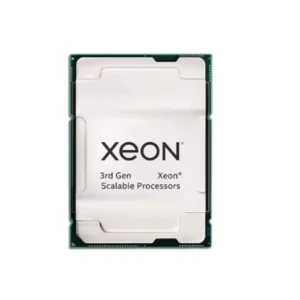
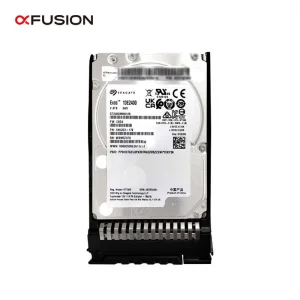
High-Density AI Nodes, Modular Storage Controllers, and Processors