NexGPU
NexGPU
NexGPU
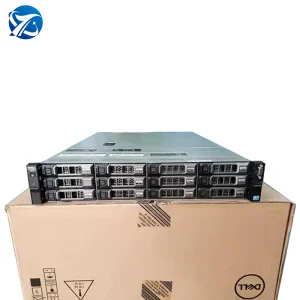
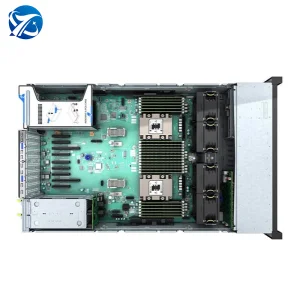
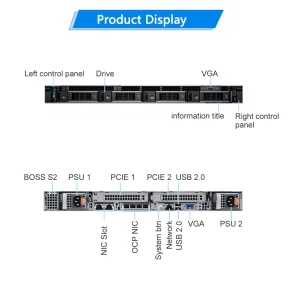
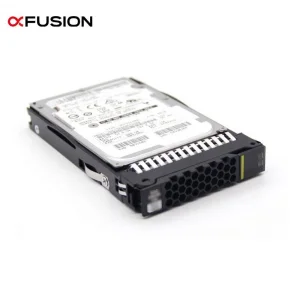
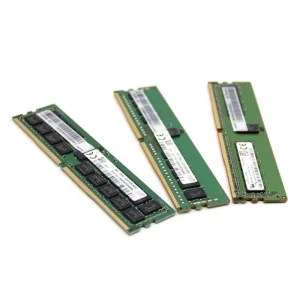
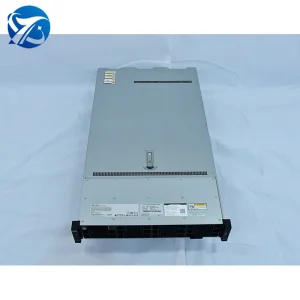
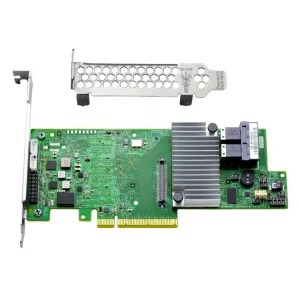
Explore our hot-selling rack server components, high-speed controller expansion cards, and computational nodes optimized for modern data center environments.
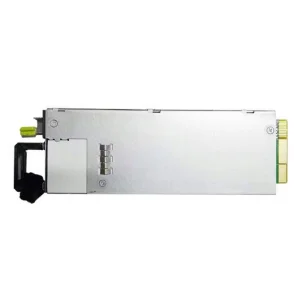
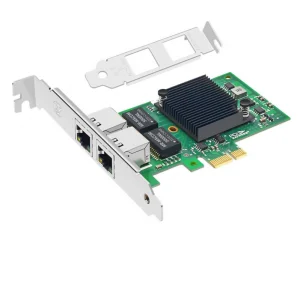
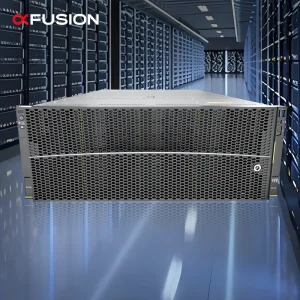
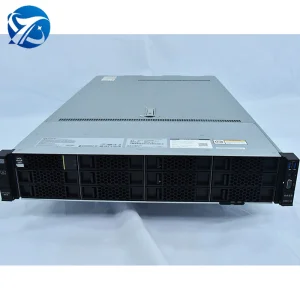
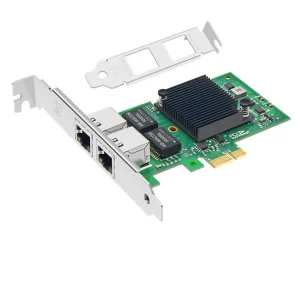
Bridging physical servers and optical fiber networks through cutting-edge ASIC controllers and virtualization offload technology.
In modern enterprise infrastructure architectures, the role of Network Interface Cards (NICs) has evolved far beyond basic packet transmission. Traditionally serving as physical Layer 2 interfaces transitioning bytes onto media, modern network adapters act as coprocessors. The explosive growth of Artificial Intelligence (AI) training pipelines, large language models (LLMs) such as DeepSeek, and distributed high-performance computing (HPC) environments has created massive bandwidth bottlenecks. Standard host CPUs can no longer allocate precious instruction cycles solely to protocol parsing, frame encapsulation, and data serialization.
This paradigm shift has accelerated the adoption of SmartNICs (Smart Network Interface Cards) and DPUs (Data Processing Units). By integrating dedicated ARM processor cores, network flow engines, and programmable logic (FPGAs) directly onto the NIC PCB, modern adapters bypass host processors entirely for virtualization and storage virtualization. Technologies such as Single Root I/O Virtualization (SR-IOV), Data Plane Development Kit (DPDK), and Remote Direct Memory Access (RDMA) over Converged Ethernet (RoCE v2) form the backbone of modern low-latency network cards.
As a premier China-based wholesale network cards manufacturer and global supplier, NexGPU Intelligent Computing Technology Co., Ltd. stands at the forefront of this network transformation. Established in 2017, we combine deep domain expertise with high-tech SMT manufacturing lines to design, validate, and supply enterprise-grade network cards, high-speed expansion host bus adapters (HBAs), and compute nodes. By leveraging the comprehensive ecosystem of Shenzhen’s silicon supply chain, we deliver unparalleled cost efficiencies, hardware customization, and quality guarantees for international tier-1 data centers, system integrators, and enterprise distributors.
Key technical parameters hardware architects and infrastructure procurement teams evaluate when sourcing wholesale NICs.
Sourcing network cards at scale requires a deep understanding of standard platform requirements, bandwidth envelopes, and system compatibility. Engineering teams must evaluate not only physical interconnect dimensions but also logical performance limitations under stressful enterprise workloads. Below, we outline the primary evaluation matrix utilized by global system architects:
Analyzing physical port architectures: SFP+, SFP28, QSFP28, QSFP56, OSFP. Matching physical link speeds (10G, 25G, 100G, 200G, or 400G) with existing optical cabling, active optical cables (AOCs), or direct attach copper (DAC) wiring topologies.
Presence of advanced protocol offloading. Hardware-level acceleration for VXLAN, NVGRE, Geneve virtualization tunnels. Built-in support for RoCE v2, SR-IOV for hypervisor bypass, and DPDK for high-performance packet routing.
Evaluating standard PCIe Low-Profile cards versus Open Compute Project (OCP) 3.0 Small Form Factor (SFF) configurations. Managing thermal design power (TDP) constraints, passive aluminum heat-sinks, and server airflow paths.
By cooperating with NexGPU, procurement executives bypass middlemen, accessing a vertically integrated supply line. Our network engineering division assists clients in analyzing chip-level characteristics, verifying that controller ASICs align with target virtualization platforms (such as VMware vSphere, KVM, or OpenStack) and hardware arrays (including Dell PowerEdge, xFusion FusionServer, and high-density GPU nodes).
How high-speed network interfaces resolve system bottlenecks across massive computing verticals.
In computational clusters designed for large model training, communication overhead between GPU elements is often the limiting factor. When nodes exchange parameters during gradient synchronization, conventional TCP/IP stacks create latency spikes and high CPU utilization. NexGPU designs high-bandwidth PCIe network cards utilizing RoCE v2 (RDMA over Converged Ethernet) to enable direct memory transfers from one GPU’s local VRAM to another server’s memory space without operating system intervention. This sub-microsecond latency pathway minimizes GPU idle periods, maximizing raw hardware utilization.
For quantitative trading desks and exchanges, a single microsecond difference in order routing execution can dictate trade profitability. Standard network adapters suffer from variable packet processing times (jitter) caused by physical interrupts and operating system thread scheduling. NexGPU provides low-latency controllers using custom kernel-bypass drivers that stream ethernet packets directly into user-space memory. By pairing hardware-level time-stamping (IEEE 1588 PTP) with FPGA-based network cards, financial institutions eliminate packet processing variability.
Multi-tenant cloud data centers host thousands of distinct corporate networks on identical physical hardware clusters. Virtual Switch (vSwitch) management and tenant isolation (VXLAN) require continuous packet encapsulation and routing lookups. By deploying SmartNICs with embedded network flow processors, CSPs can offload open virtual switch (OVS) datapath processing to the NIC hardware, freeing up compute cores to run guest Virtual Machines, which translates to a direct increase in server monetization.
The technological trajectory from PCIe Gen 5/6 platforms to optical co-packaging and DPU fabrics.
Mass migration from 25G/100G networks to 200G and 400G backbones, fully leveraging PCIe Gen 5 x16 host interfaces (delivering 64 GB/s of bi-directional bandwidth). System layouts transition rapidly to Open Compute Project (OCP) 3.0 small form factors for toolless hot-swap maintenance capability.
Compute Express Link (CXL) protocol execution on the network interface allows memory pooling, enabling network adapters to write directly to shared system RAM resources. Physical optical linkages transition to 800Gbps using dual-port OSFP connectors with PAM4 signaling technology.
Standard copper PCB trace limits are surpassed, requiring optical transceivers to be packaged directly with the silicon controller. The traditional CPU-centric motherboard shifts to a DPU-centric design, where the network card initializes the host system, coordinates virtualization, and manages local SSD arrays.
NexGPU's internal R&D roadmap actively implements these milestones. Our engineering department works with silicon providers to simulate high-frequency signal integrity, optimizing PCB traces for low dielectric losses, and evaluating heat dissipation structures for tomorrow’s high-TDP high-speed network interfaces.
A look inside our modern manufacturing facility in Shenzhen, housing advanced assembly lines and quality validation testing chambers.
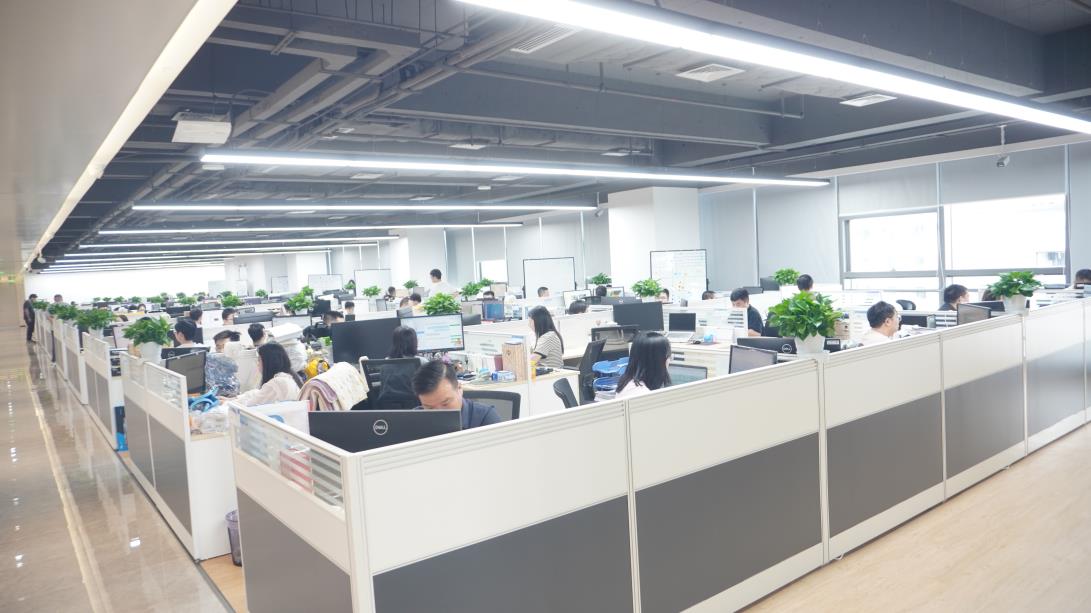
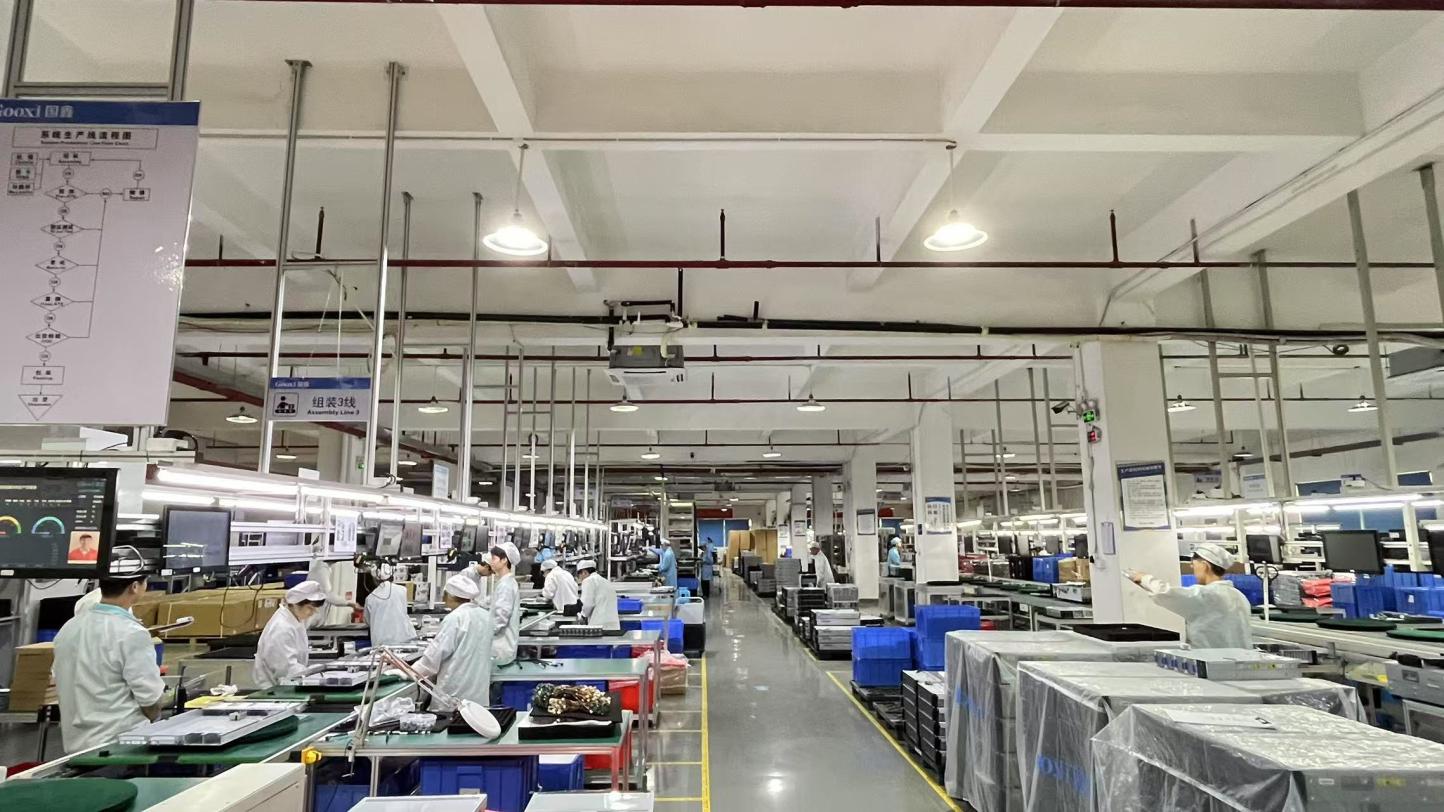
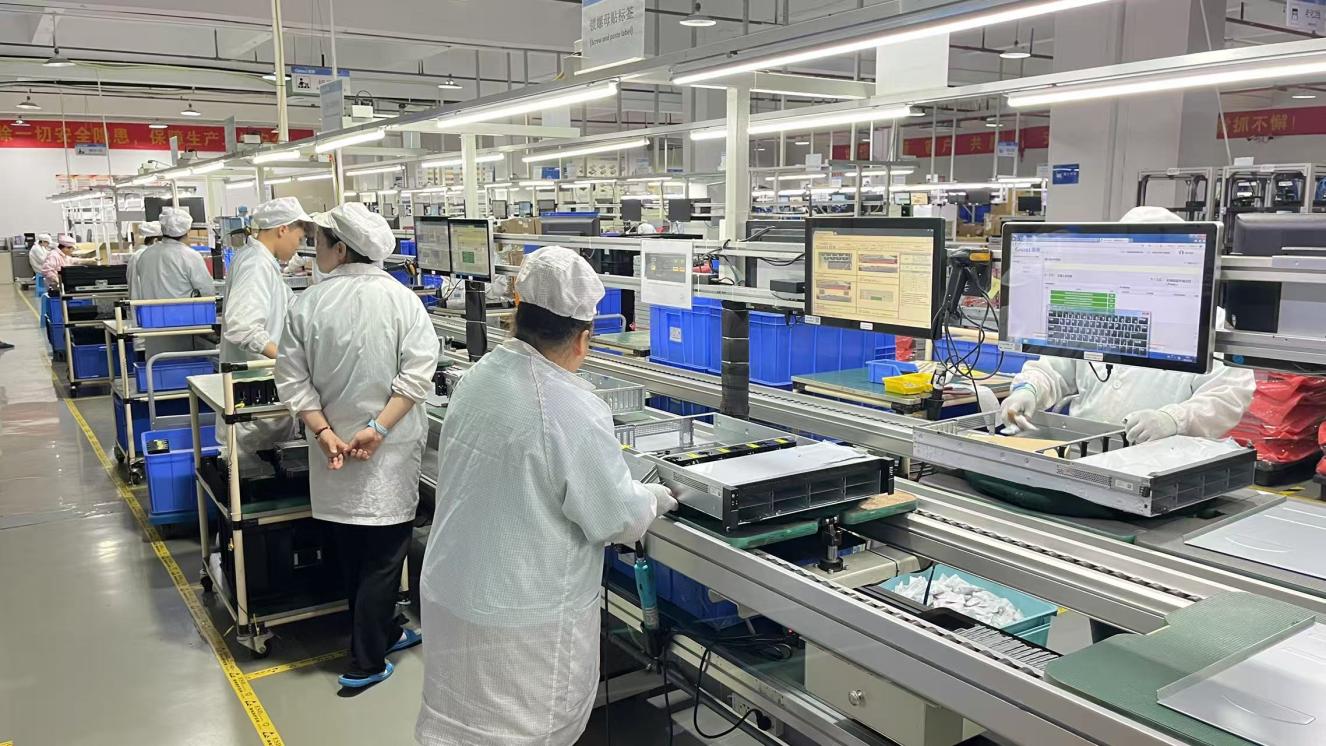
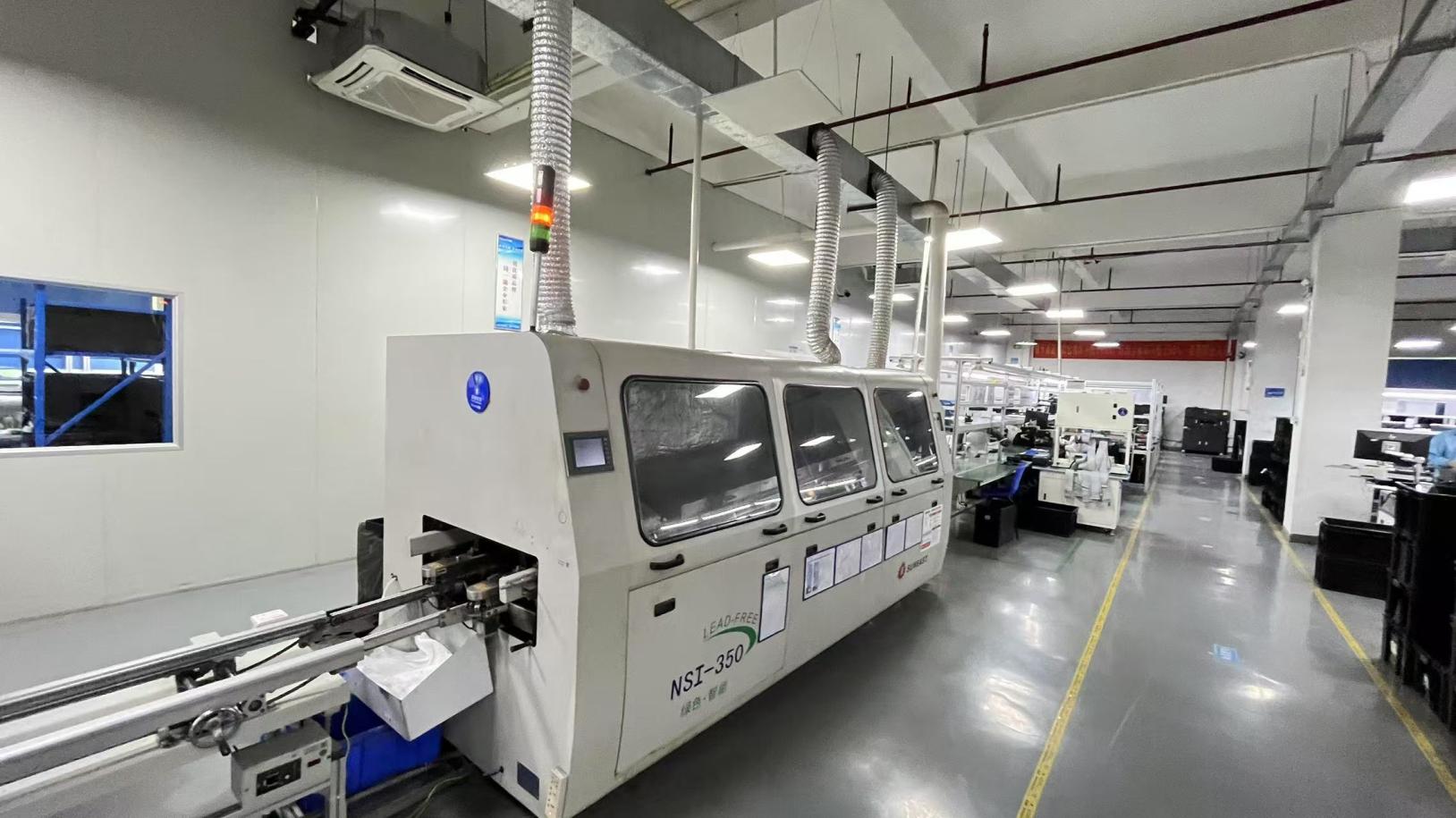
Headquartered in the technology hub of Shenzhen, China, NexGPU Intelligent Computing Technology Co., Ltd. operates a modern manufacturing facility covering over 380 square meters. Our physical infrastructure features automated surface-mount (SMT) assembly lines, automated optical inspection (AOI) machines, and dedicated environmental thermal chambers.
Every single network card and computing component undergoes rigorous validation before leaving our loading bays. Our dedicated quality control department, staffed by over 45 experienced inspectors, enforces a multi-tier testing protocol:
Backed by a robust global supply chain network composed of more than 1,200 strategic partners, NexGPU efficiently sources premium controller chipsets, high-grade multi-layer PCBs, and durable connectors. Each year, our 120+ R&D engineers introduce more than 80 product upgrades and customized hardware SKUs, enabling us to sustain an annual export revenue exceeding USD 18 million. Below, we showcase actual glimpses of our production facility, engineering labs, and logistics centers:



Ensuring seamless compliance and global integration through customized hardware, firmware, and localization services.
Operating in a global marketplace requires strict adherence to regulatory standards. NexGPU's entire catalog of network interface cards, server systems, and memory arrays conforms to CE, FCC, RoHS, and REACH guidelines, guaranteeing trouble-free customs clearance and compliance.
Furthermore, we offer extensive OEM and ODM customization services designed to align with your organization’s physical and logical requirements:
Detailed technical answers addressing network cards, server storage compatibility, and installation optimization.
RoCEv2 (RDMA over Converged Ethernet) eliminates operating system overhead by allowing network cards to write data directly into another server's memory space without host CPU intervention. Unlike standard TCP/IP, which requires data copy operations and CPU interrupts, RoCEv2 uses hardware-level offloading to achieve microsecond-range latency. In compute nodes running workloads optimized for deep learning, such as DeepSeek, this prevents CPU bottlenecks and maximizes GPU compute efficiency.
Standard PCIe network cards occupy a typical expansion slot inside the server, often requiring bracket swaps and server cover removal to replace. OCP 3.0 (Open Compute Project) adapters utilize a specialized small form factor card style featuring a pull-tab mechanism. They slide directly into the rear of the server chassis and support hot-swapping. This allows datacenter technicians to replace cards without opening the server cabinet, reducing maintenance window downtime.
Yes. Our ODM/OEM division offers extensive firmware customization. We can flash specific MAC address pools, configure custom vendor IDs (VIDs) and device IDs (DIDs) for hypervisor compatibility, adjust UEFI default configurations, and pre-program PXE boot firmware configurations. This ensures that when our network adapters arrive at your facility, they integrate automatically into your automated provisioning systems.
SR-IOV (Single Root I/O Virtualization) allows a single physical PCIe network card to present itself as multiple virtual network cards (known as Virtual Functions, or VFs) to the hypervisor. The hypervisor can assign these Virtual Functions directly to guest virtual machines. This bypasses the virtual switch layer entirely, allowing VMs to send and receive frames directly through the NIC hardware, resulting in near-native bare-metal network throughput and lower host CPU consumption.
As speed increases (e.g., PCIe Gen 4 to Gen 5), signal degradation and electromagnetic interference become major failure points. At NexGPU, we run automated eye-diagram tests, signal reflection tests, and multi-layer PCB impedance calculations. Following assembly, all adapters go through 48 hours of continuous thermal cycle testing under network load to ensure that trace and component integrity remains stable over time.
Complete your infrastructure deployment with our wholesale storage arrays, high-speed RAM modules, and enterprise computing platforms.