NexGPU
NexGPU
NexGPU
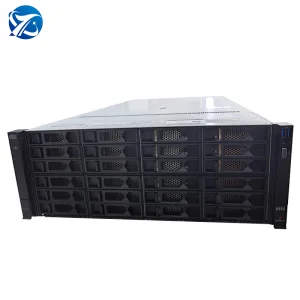
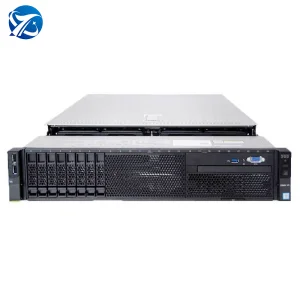
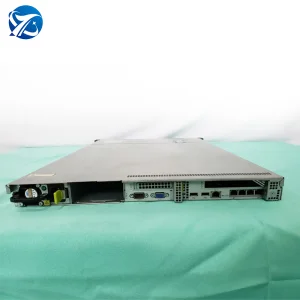
Explore our engineered computational infrastructure systems designed for machine learning workloads, enterprise databases, and virtualization platforms.
Technological shifts in compute densities demand highly engineered mechanical housing solutions. Standard structural metal is no longer sufficient; multi-layer thermal architectures and load-bearing innovations are essential.
Modern servers processing complex AI models generate massive thermal profiles. Enclosures now integrate customizable airflow paths, direct-to-chip liquid cooling manifolds, and smart fan speed regulation networks.
With multi-GPU servers weighing up to 150 lbs per unit, standard server cabinets are transitioning toward high-tensile cold-rolled steel and heavy-gauge structural vertical rails supporting up to 1500kg static load.
Industrial server enclosures integrate biometrics, smart locking mechanisms, RFID card access control systems, and mechanical anti-tamper sensors to meet international security compliances.
Data centers operating within urban vicinities or high-density office zones face strict regulations regarding acoustic noise limits. Modern precision enclosure engineers implement dynamic acoustic damping paneling alongside dual-ventilation designs. This structure diminishes noise resonance from ultra-high-RPM blower fans typical in multi-GPU system arrays. Furthermore, regions prone to seismic events require enclosures conforming to the stringent NEBS Zone 4 specifications, utilizing heavy-duty welded subframes, reinforced base anchorage, and dynamic shock absorption mounts.
Modern technology purchasers, system integrators, and hyper-scale operators look beyond basic dimensions when evaluating Chinese export partners.
Procuring server enclosures from established Chinese manufacturing zones provides significant advantages, primarily due to the maturity of the supply chain ecosystem. Industrial cities, particularly Shenzhen, host the world's most dense cluster of mechanical component manufacturers, electronic lock developers, powder coating suppliers, and precision tooling facilities. This geographical clustering ensures rapid prototyping turnarounds, shortening sample testing phases from several months to a few days.
Customization capacity is another core differentiator. In contrast to rigid regional distribution frameworks, China-based exporters specialize in custom engineering (ODM/OEM) to fit specific design dimensions:
Understanding physical specifications ensures components are compatible with spatial and load requirements in high-density hosting environments.
| Property Parameter | Standard Enterprise Class | Advanced GPU/AI Enclosure Class | Seismic & Telecommunication Class |
|---|---|---|---|
| Chassis Material | SPCC Cold-rolled Steel (1.2 - 1.5mm) | Reinforced Galvanized Steel & Cold-rolled Steel (2.0mm) | Heavy-gauge welded structural steel framework |
| Load Rating (Static) | 800 kg (1763 lbs) | 1200 - 1500 kg (2645 - 3306 lbs) | Up to 1600 kg (Zone 4 compliance) |
| Perforation Ratios | Up to 64% open area mesh doors | 80% - 85% Hexagonal high-airflow pattern | Acoustic-sealed options / 75% front-back perforation |
| Environmental Protection | IP20 (Standard Indoor Dust Protection) | IP54 (Drip-proof, localized dust filtration) | IP65 (Outdoor NEMA weather-proof rating) |
| Cable Routing Access | Top/Bottom brush cable entries | Extrastructure high-capacity side channels | Overhead tray integration / bottom conduit entries |
The lifetime of a server cabinet depends on the treatment of the steel. Top-tier manufacturers employ a multi-stage metal processing protocol. The raw cold-rolled steel sheet is acid-pickled to remove oxidation, phosphated to improve paint adhesion, and coated with electrostatically applied, thermo-hardened epoxy powder. This process guarantees resistance to scratching and corrosion under standard operating humidity levels. It also helps prevent zinc whisker issues, which can damage sensitive PCB assemblies within server rooms.
Advanced production technologies enable precise engineering and fast delivery, meeting global demands for speed and scale.
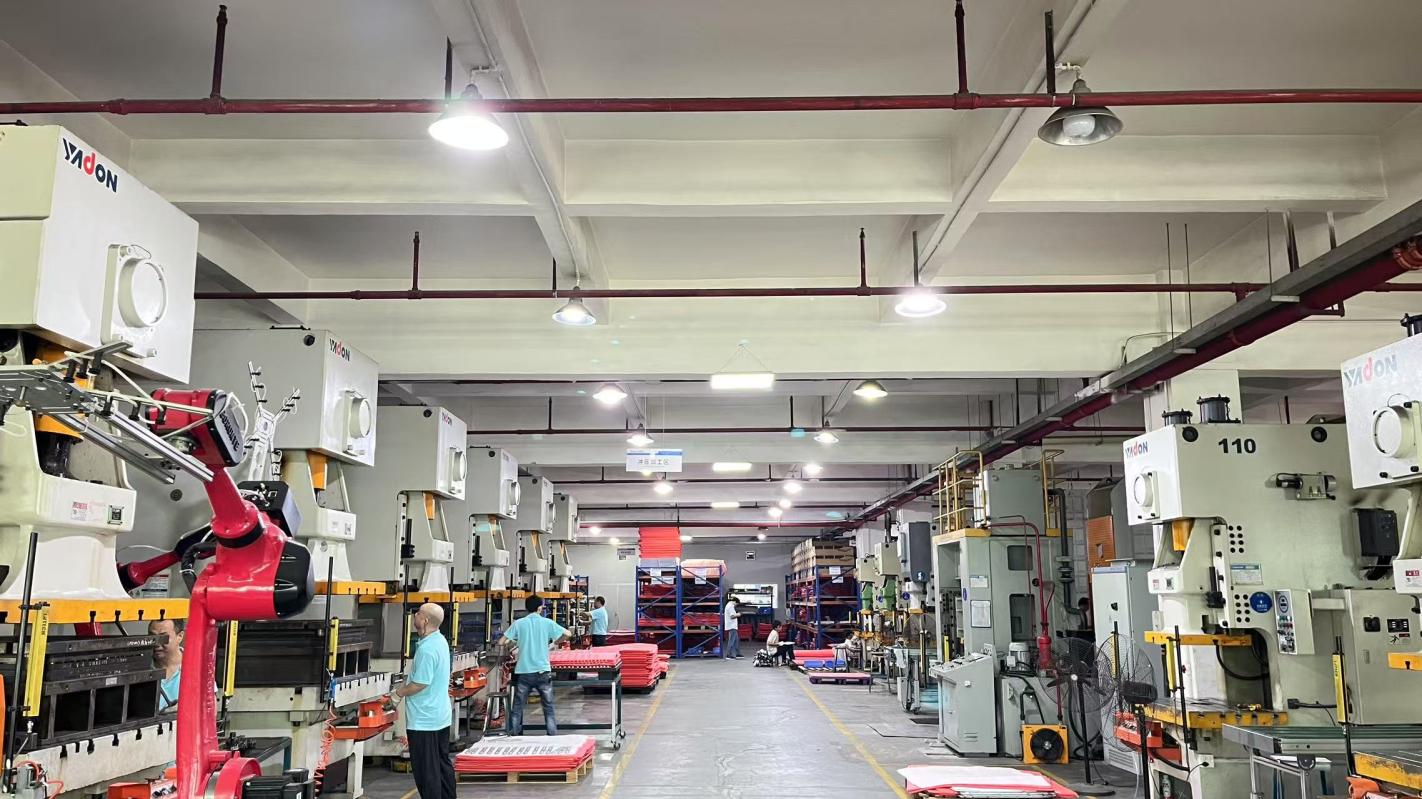
Modern production facilities utilize automated laser cutting machines, CNC turret presses, and robotic welding stations. These systems ensure high precision with tolerances within +/- 0.1mm. High precision is crucial for complex assemblies like slide rails, server racks, and side panels. Small alignment issues during fabrication can prevent 1U or 2U servers from sliding smoothly onto their mounting tracks.
Modular manufacturing lines allow factories to switch between standard products and customized designs quickly. Whether you need a short run of 10 customized cabinets or a large order of 1,000 standard structures, automated systems ensure consistent quality and output.
Reliability tests are performed regularly at all stages of production. These include dynamic loading simulation, stress tests on vertical structural rails, powder coat paint adhesion tests, and environmental chamber testing for humidity resistance.
Exporters maintain strategic partnerships with global logistics providers to coordinate container shipments, custom clearance protocols, and final-mile deliveries. Products are packaged in reinforced plywood crates to prevent transport damage.
Choosing the right server enclosure depends on the environment where the hardware is deployed.
Designed for density and efficiency. Features include open-frame systems, hot/cold aisle containment setups, and smart PDU integration to optimize Power Usage Effectiveness (PUE).
For factory floors and harsh environments. Enclosures have IP54 dynamic seals, integrated dust filters, and cooling units to protect computing hardware from humidity and particulates.
Designed for cell sites and outdoor poles. Enclosures feature double-wall aluminum construction, solar heat shields, and dynamic heat exchangers to maintain stable internal temperatures.
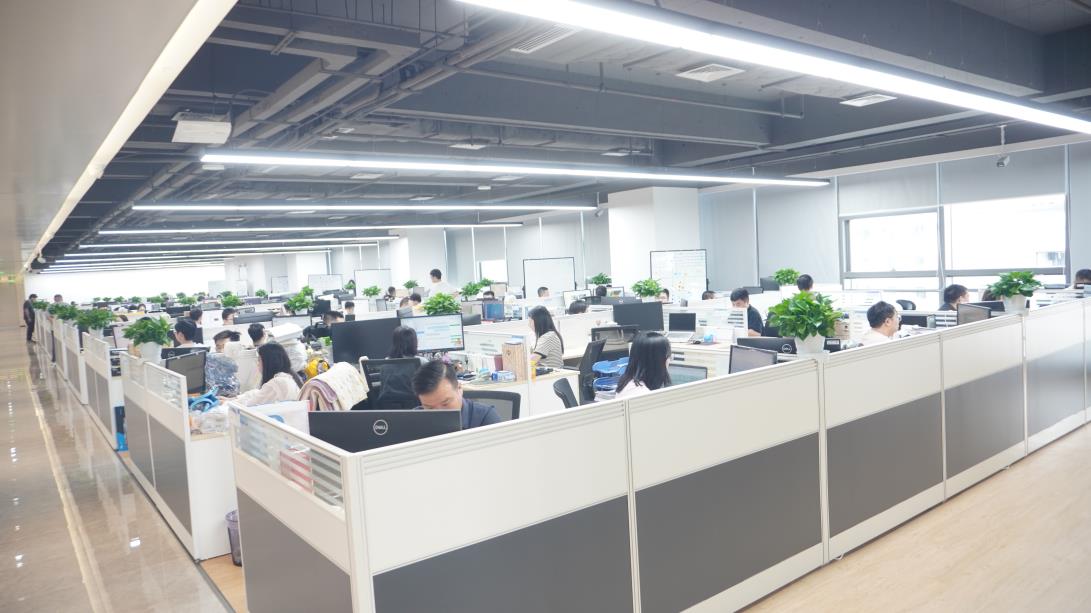
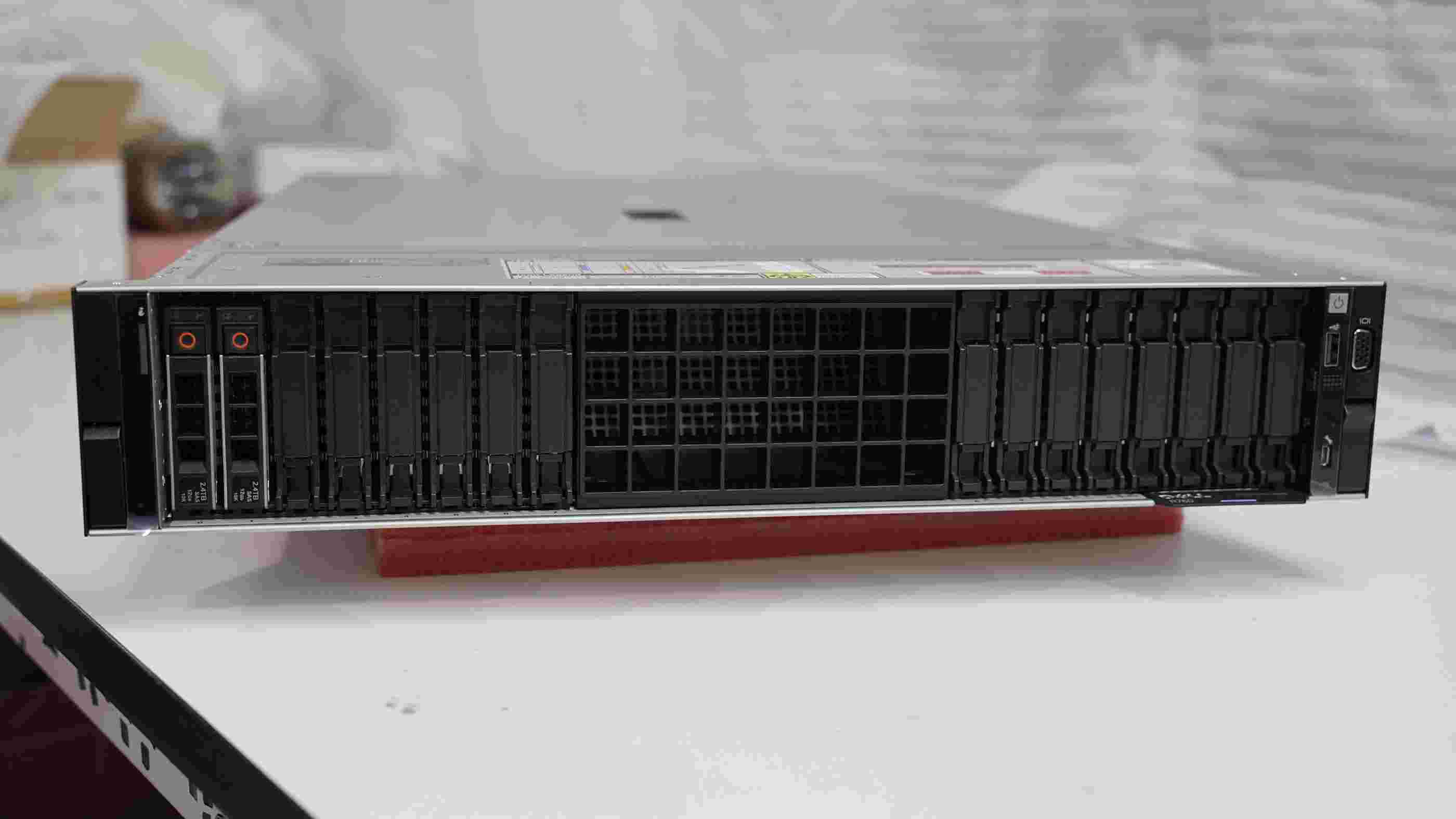
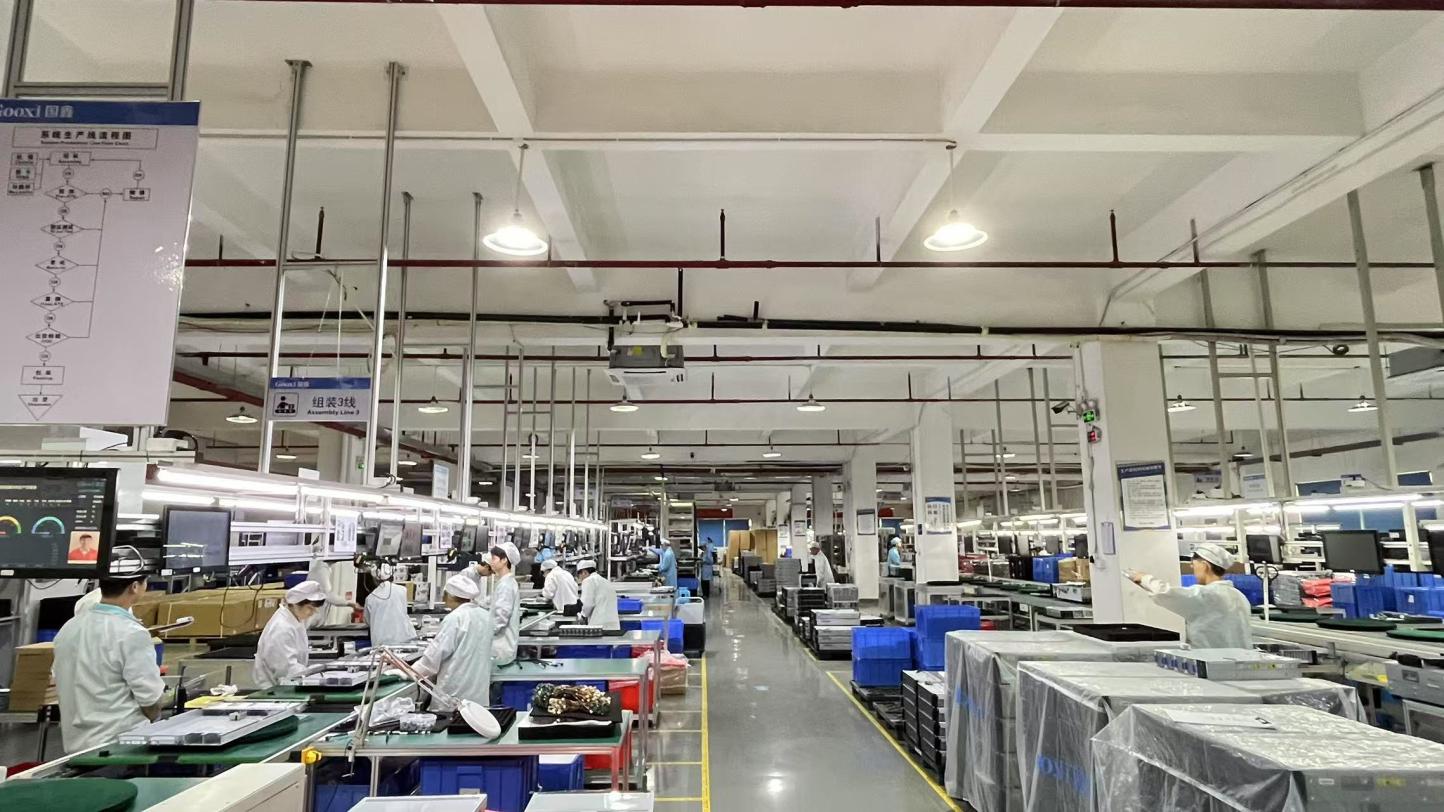
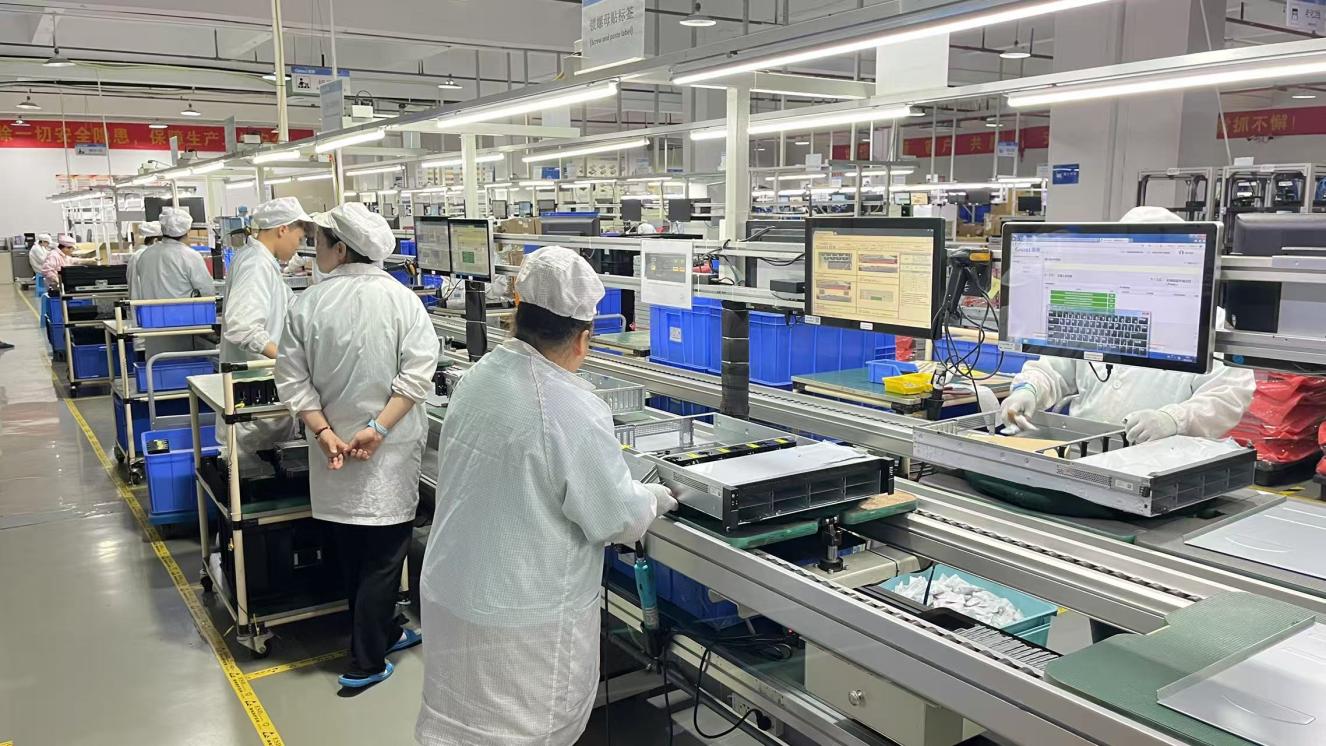
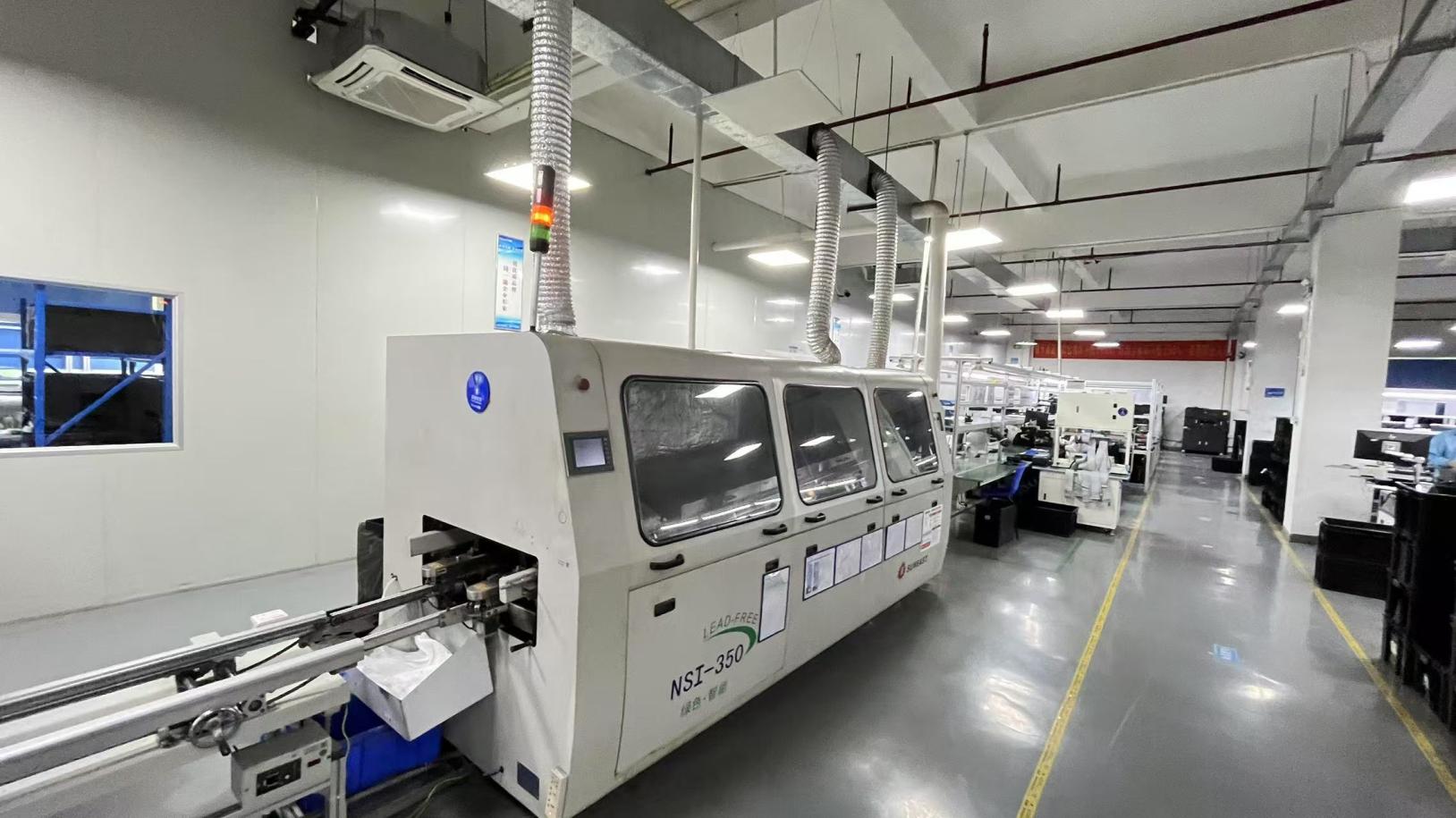
A closer look at our manufacturing infrastructure, R&D processes, and high-performance server enclosure systems.
Founded in 2017, NexGPU Intelligent Computing Technology Co., Ltd. is a professional manufacturer specializing in GPU servers, AI computing infrastructure, high-performance computing (HPC) systems, and customized server solutions for global customers. Headquartered in Shenzhen, China, the company operates a modern manufacturing facility covering over 380 square meters, equipped with advanced assembly, testing, and quality control systems.
With more than 9 years of industry experience and 7 years of export experience, NexGPU has established itself as a trusted supplier for enterprises, cloud service providers, research institutions, AI startups, data centers, and system integrators worldwide. Our annual export revenue exceeds USD 18 million, serving customers across North America, Europe, Southeast Asia, the Middle East, and Oceania.
NexGPU maintains strict quality management standards throughout the production process. Every product undergoes comprehensive reliability testing, performance verification, burn-in testing, compatibility validation, and final inspection before shipment. Our dedicated quality control team consists of over 45 experienced inspectors, ensuring consistent product quality and reliability.
Supported by a strong global supply chain network of more than 1,200 strategic partners, NexGPU can efficiently source premium components and deliver flexible manufacturing solutions to meet diverse customer requirements. We offer extensive OEM and ODM services, including hardware configuration customization, chassis branding, firmware optimization, rack integration, and AI infrastructure deployment solutions.
Innovation is at the core of our business. Our R&D department includes over 120 engineers specializing in server architecture, thermal management, AI computing optimization, and system integration. Each year, NexGPU launches more than 80 new products and solution upgrades to address the rapidly evolving demands of artificial intelligence, machine learning, cloud computing, and enterprise data processing.

Get detailed answers on configuration options, material choices, thermal management, and ordering processes for enterprise hardware.
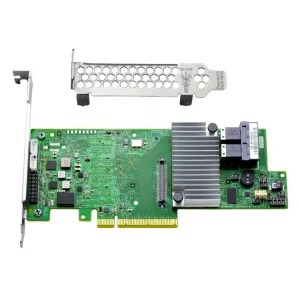
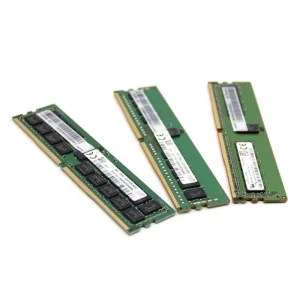
Complement your mechanical deployments with our certified processors, storage arrays, memory modules, and motherboard options.