NexGPU
NexGPU
NexGPU
Deploy high-performance, thermally optimized server units tailored for extreme workloads and AI deployments.
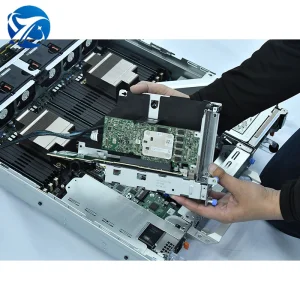
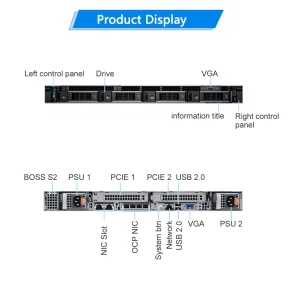
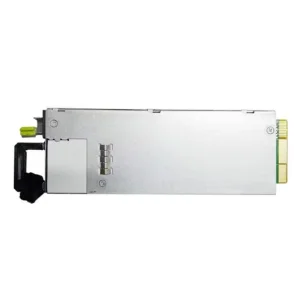
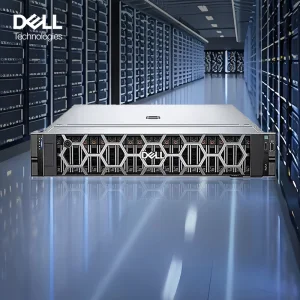
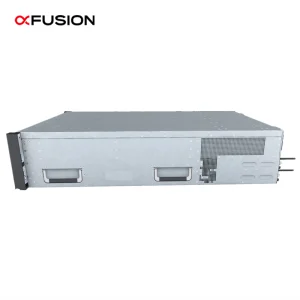
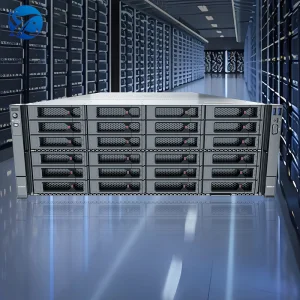
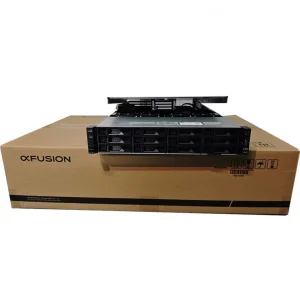
The explosion of generative artificial intelligence (AI), machine learning (ML), and large language models (LLMs like DeepSeek, GPT-4, and LLaMA) has fundamentally altered the parameters of data center thermal management. Standard air cooling technologies are hitting physical barriers as power densities soar past 30 kW per rack. Modern chips operate at Thermal Design Powers (TDP) exceeding 500W to 1000W, making liquid cooling the industry standard.
According to global enterprise projections, organizations adopting direct-to-chip (D2C) liquid cooling or single-phase immersion cooling can experience a reduction in cooling-related power consumption of up to 50%. This directly scales down Power Usage Effectiveness (PUE) to targets below 1.15, aligning with stringent global environmental standards and optimizing operational expenditure.
Transitioning from traditional HVAC chillers to liquid cooling systems cuts operational carbon footprint and lowers overall Total Cost of Ownership across the infrastructure lifecycle.
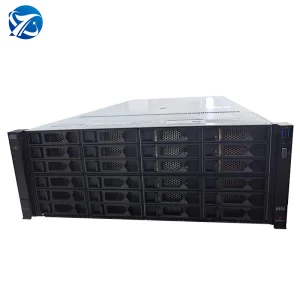
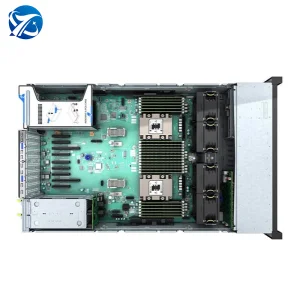
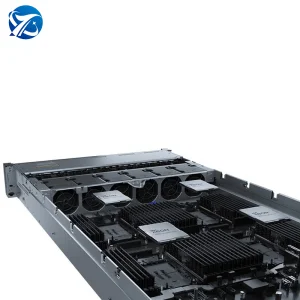
Engineered to prevent server thermal throttling. Keeps dual-socket Xeon processors and high-capacity GPU systems operating at peak clock speeds reliably.
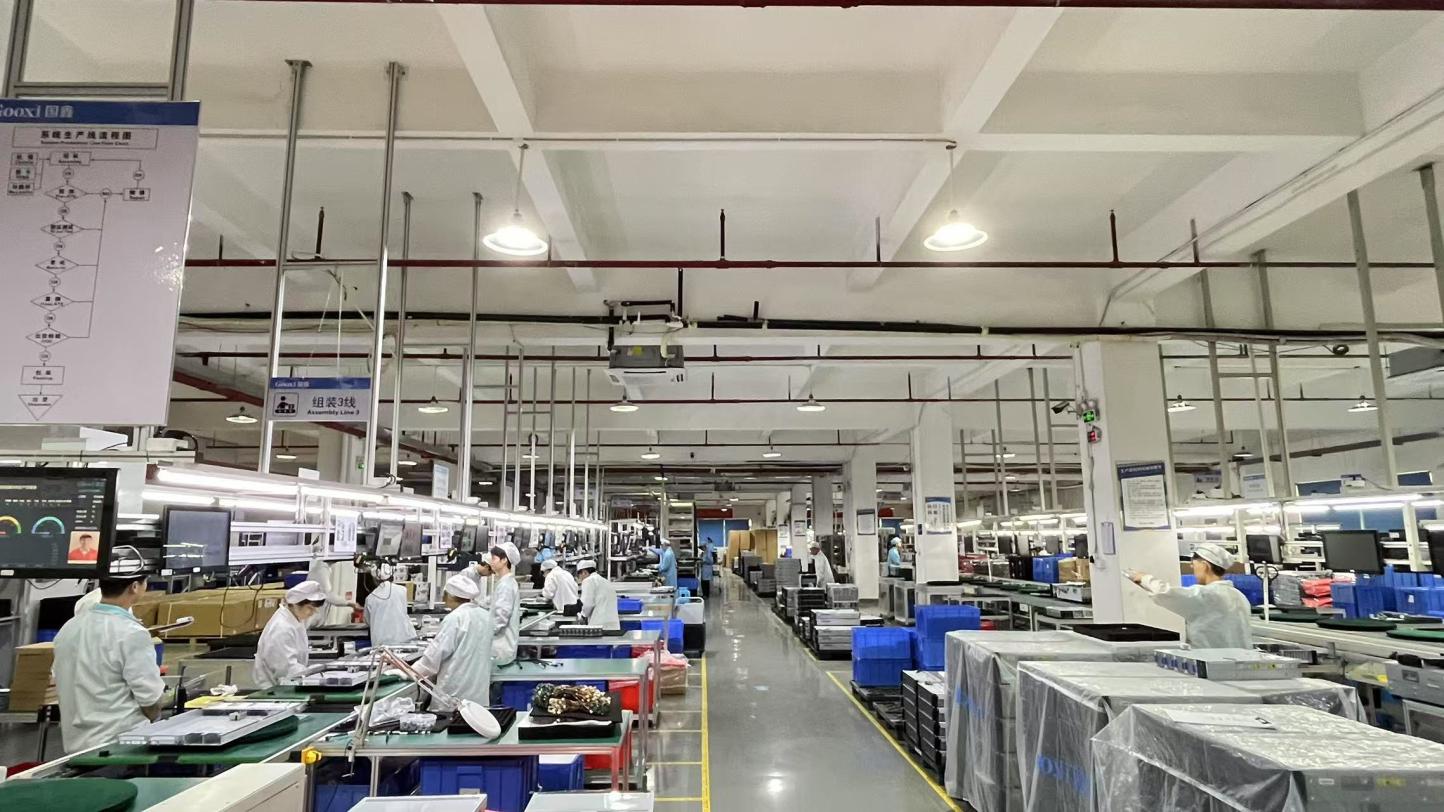
Operating from the heart of global technological hardware fabrication in Shenzhen, NexGPU Intelligent Computing Technology Co., Ltd. blends lean manufacturing paradigms with automated high-volume capabilities. Backed by strategic partners across Asia's component ecosystem, we deliver structural supply chain resilience that mitigates raw material shocks and long-tail lead times.
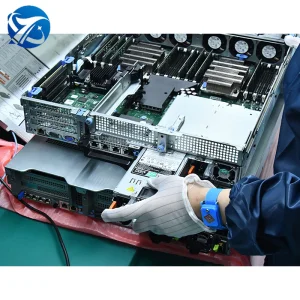
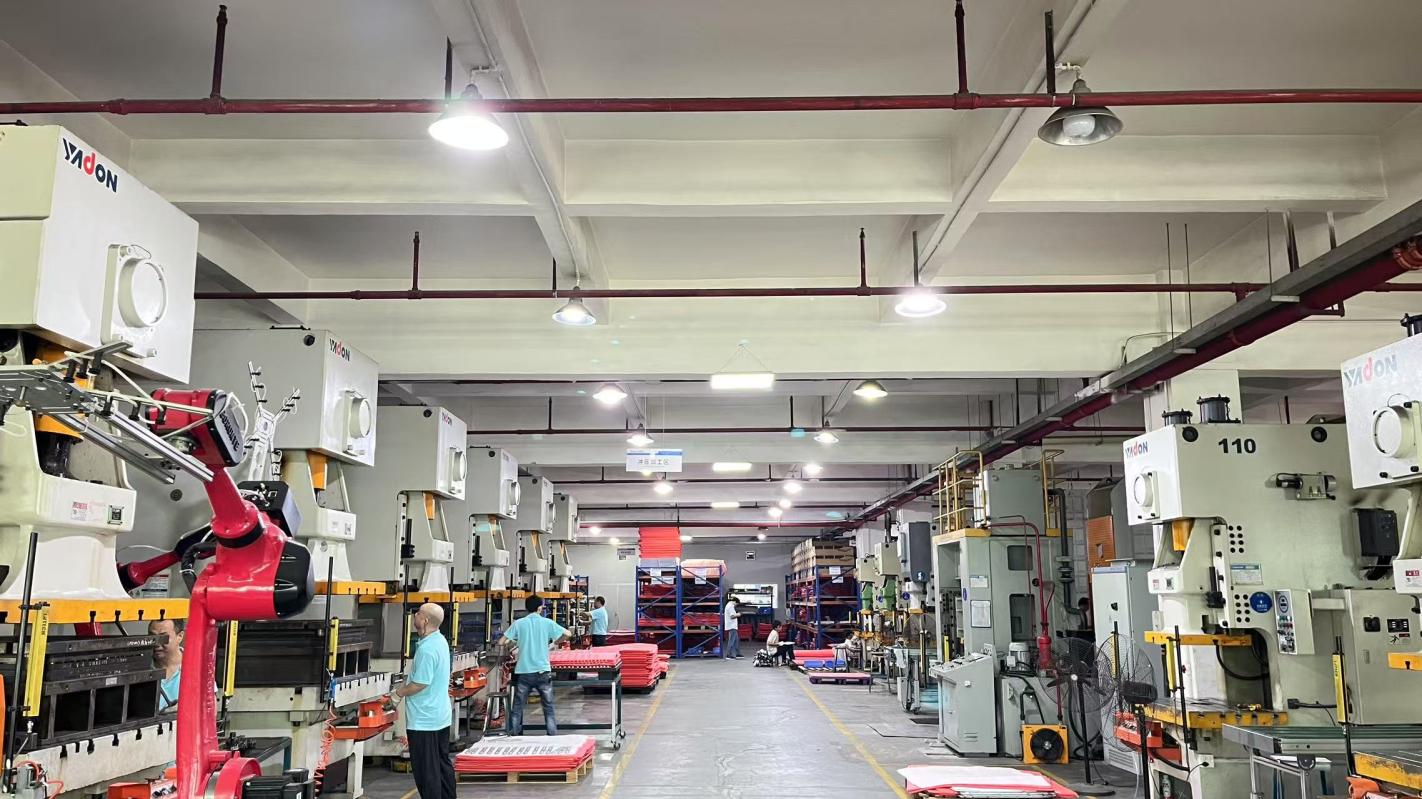
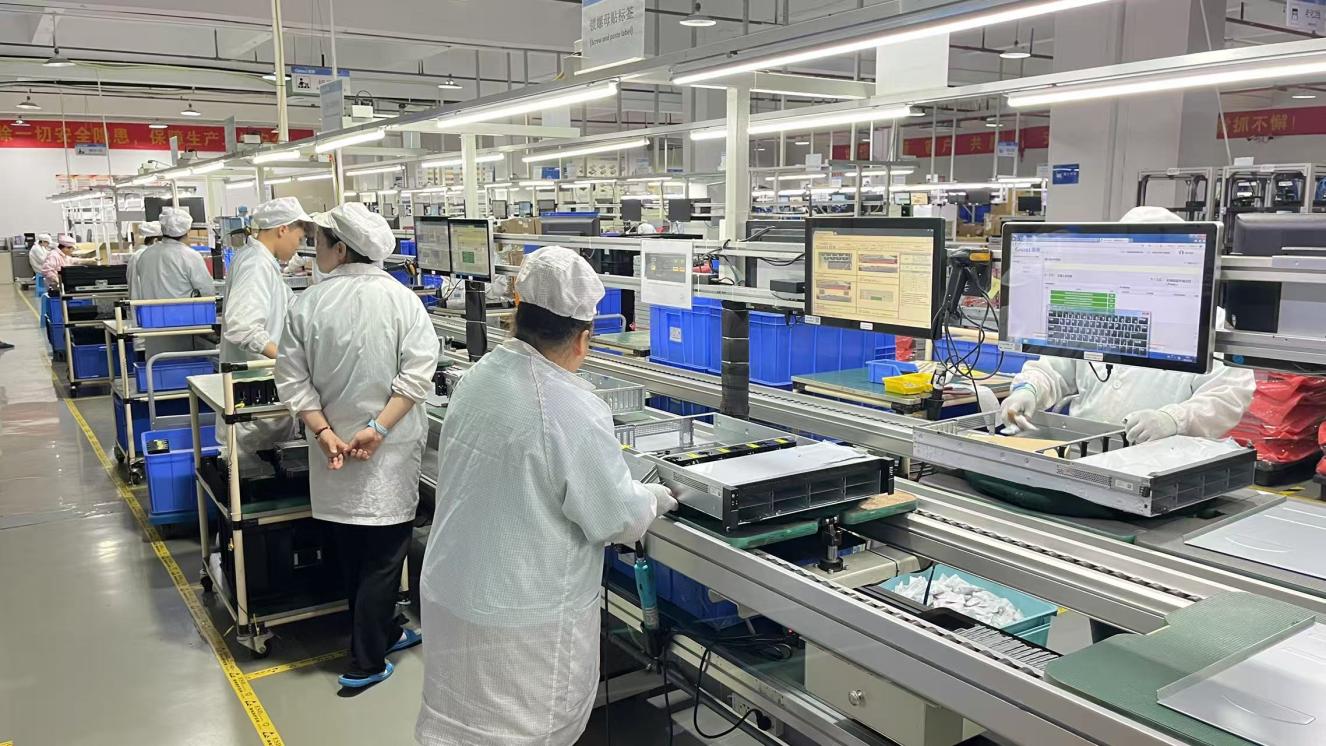
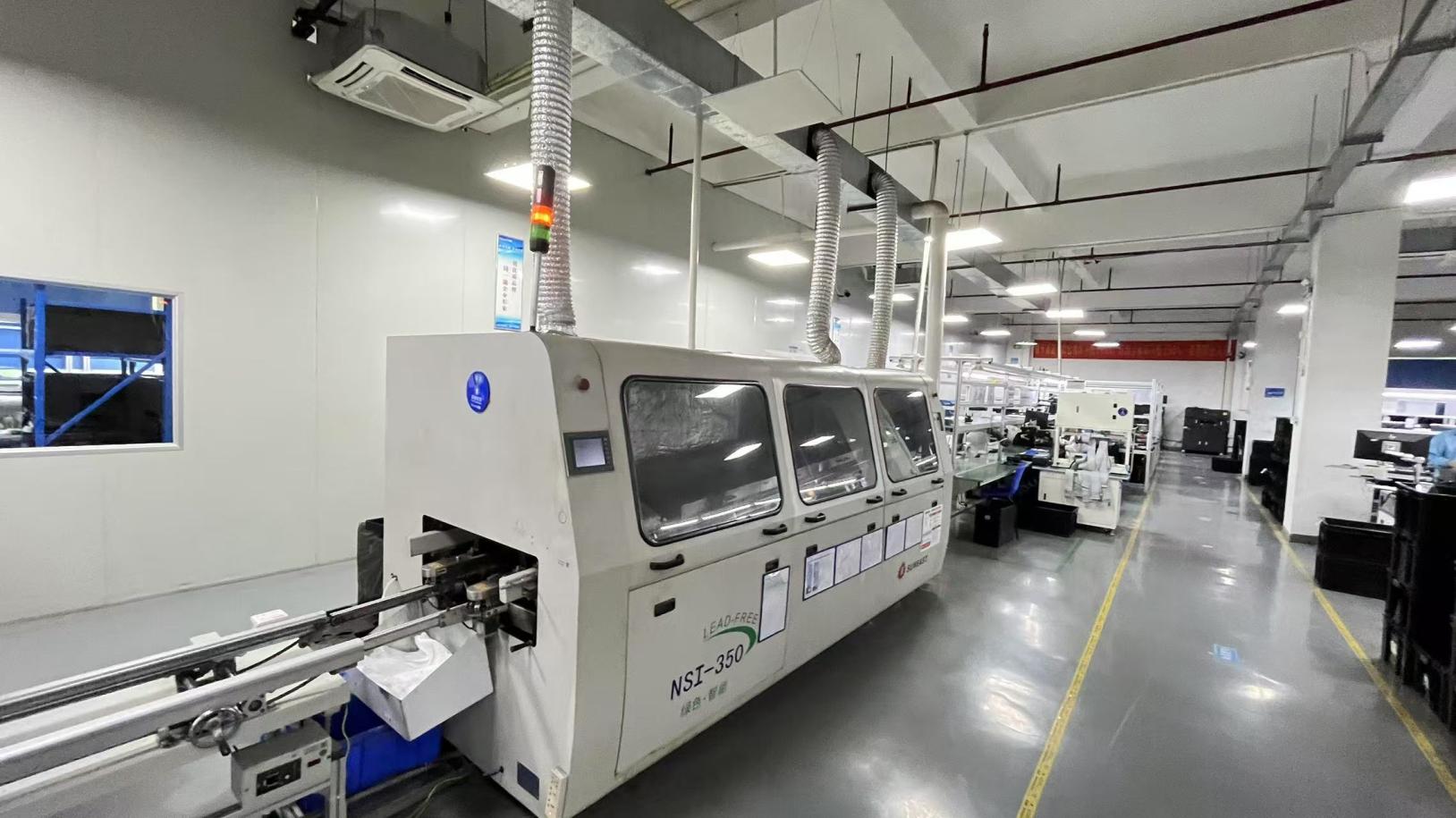
Our Shenzhen factory is equipped with specialized assembly, automated quality validation, and advanced burn-in testing chambers. Every single direct-to-chip cold plate, coolant distribution unit (CDU), and manifolds manifold goes through rigorous hydro-testing and pressure decay checks, handled by our dedicated team of over 45 certified inspectors.
Discover how custom OEM/ODM cooling engineering adapts to varying ambient landscapes and specialized server racks.
Delivers fluid cooling directly to CPU and GPU microprocessors. Minimizes thermal paths using high-conductivity copper plates, extracting up to 80-90% of structural thermal loads directly from the silicon die.
Replaces traditional rack doors with active or passive liquid-filled radiators. Neutralizes heat at the exhaust, effectively turning high-density racks into room-neutral appliances without taking up extra floor space.
In-rack and row-level Coolant Distribution Units that isolate building chilled water systems from server secondary cooling loops. Precise filtration, fluid pressure control, and integrated manifold systems.
Our thermal solutions are customized for multiple environmental scenarios:
Optimized for warm water cooling configurations, enabling data centers in high-ambient zones like Southeast Asia to bypass power-hungry mechanical chillers entirely.
Integrating custom manifold pipes and dry coolers into established air-cooled datacenters to seamlessly roll out GPU nodes alongside legacy computing racks.
Rugged cooling designs offering dust filtration, vibration resistance, and closed-loop liquid flow control inside isolated modular data pods.
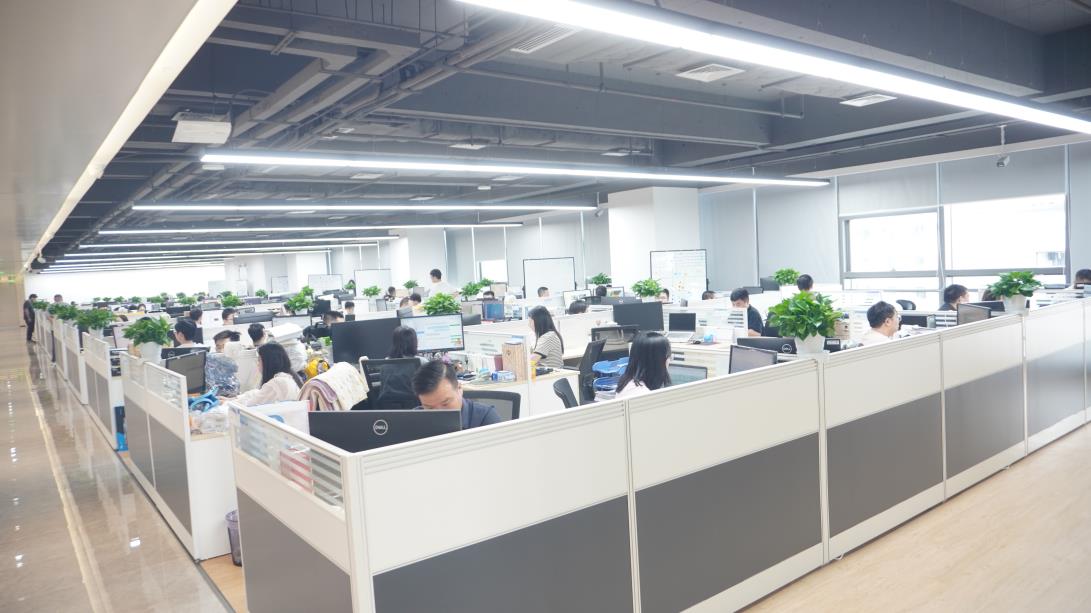
A glimpse inside our specialized assembly processes, engineering testing bays, and quality control departments.

Answers to technical queries regarding design customization, implementation, and thermal engineering parameters.
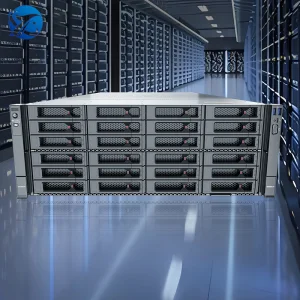
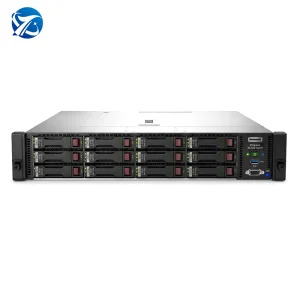
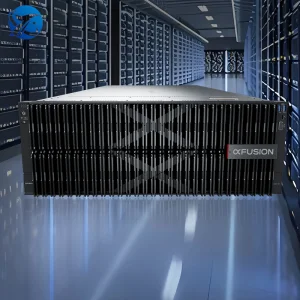
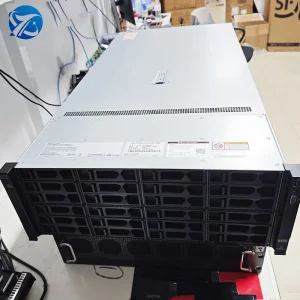
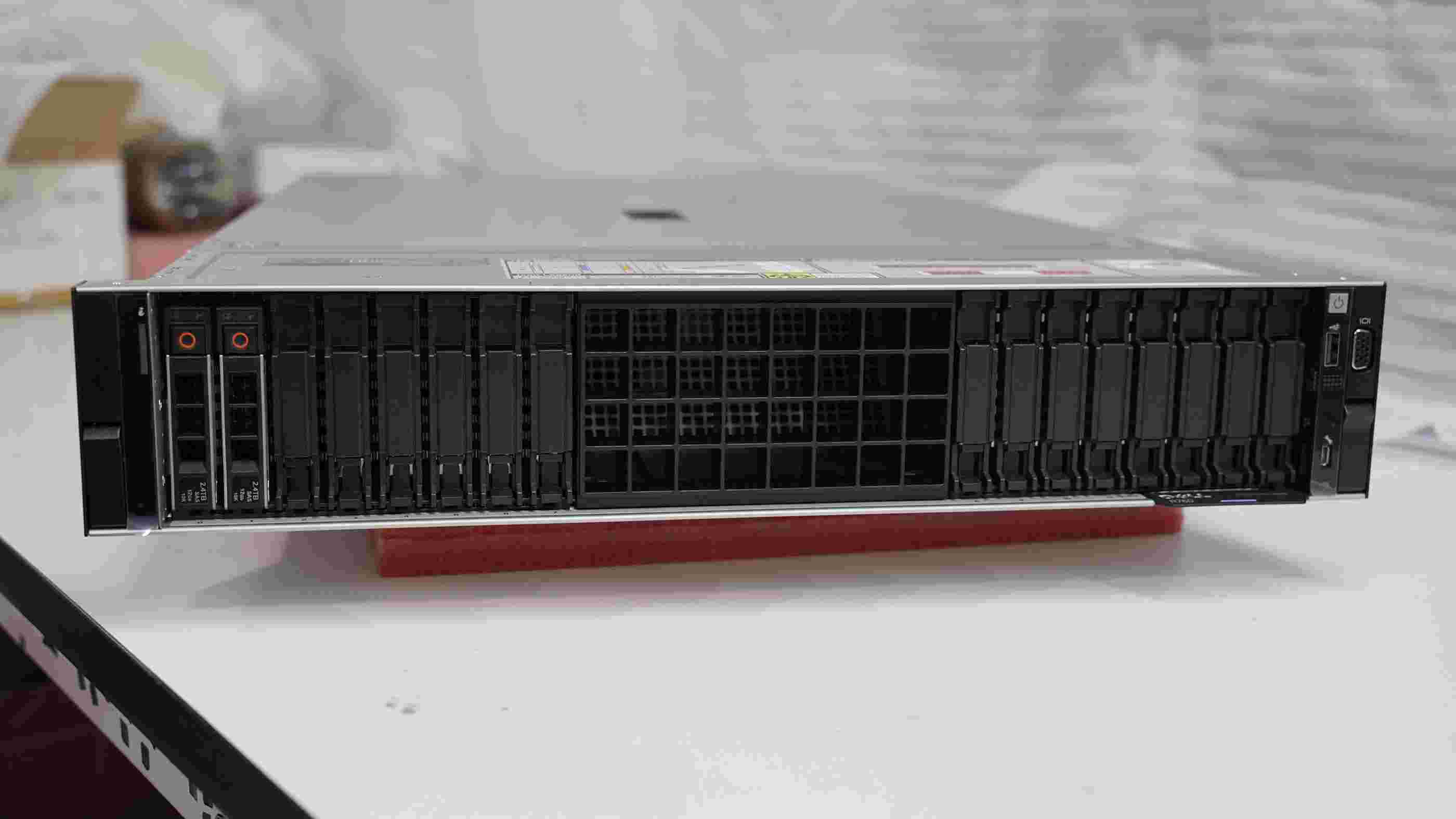
Complete system integrations optimized for compute performance and stable thermal profiles under demanding computing tasks.