NexGPU
NexGPU
NexGPU
Select custom-configured servers engineered for low-latency traffic monitoring, stateful network analysis, and AI deep packet analysis.
Modern cyber threats operate at enterprise scales, employing automated polymorphic malware, obfuscated scripts, and advanced persistent threat (APT) pathways. Legacy signature-based Intrusion Detection Systems (IDS), which rely on simple CPU processing to scan incoming packets against a database of known threat hashes, face massive bottlenecks in high-throughput environments. Multi-gigabit and terabit networks demand real-time Deep Packet Inspection (DPI) and behavioral analysis.
This operational challenge is resolved by shifting the inspection workload from general-purpose CPUs to specialized security architectures. By combining multi-core processors with server-grade hardware controllers, modern IDS applications process networks in parallel. NexGPU Intelligent Computing Technology Co., Ltd. builds customized, enterprise-ready infrastructure designed to support complex security algorithms, including:
To prevent packet dropping under peak loads, an IDS hardware engine must support high-speed I/O interfaces, redundant power supplies, and multi-socket CPU configurations. Systems must maintain compatibility with security standards like CE, FCC, and RoHS to guarantee integration into global target datacenters.
With specialized experience in high-performance computing, we turn bespoke security ideas into certified, production-grade rack hardware.
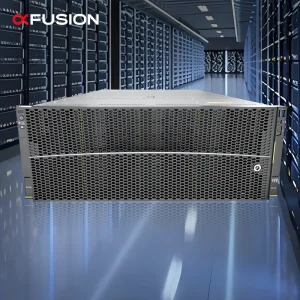
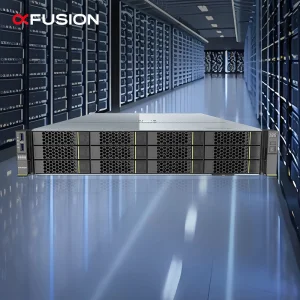
Custom chassis development ranging from 1U to 4U form factors. Optimized airflow simulation maps ensure that processing cores and smart NICs operate safely below critical thermal thresholds.
Customized UEFI BIOS options, TPM 2.0 (Trusted Platform Modules) cryptographic integrations, secure boot constraints, and customized IPMI interfaces for out-of-band server administration.
Selection of long-lifecycle memory, storage drives, and accelerators. We utilize components from industry leaders to design computing blocks that perform reliably over years of continuous deployment.
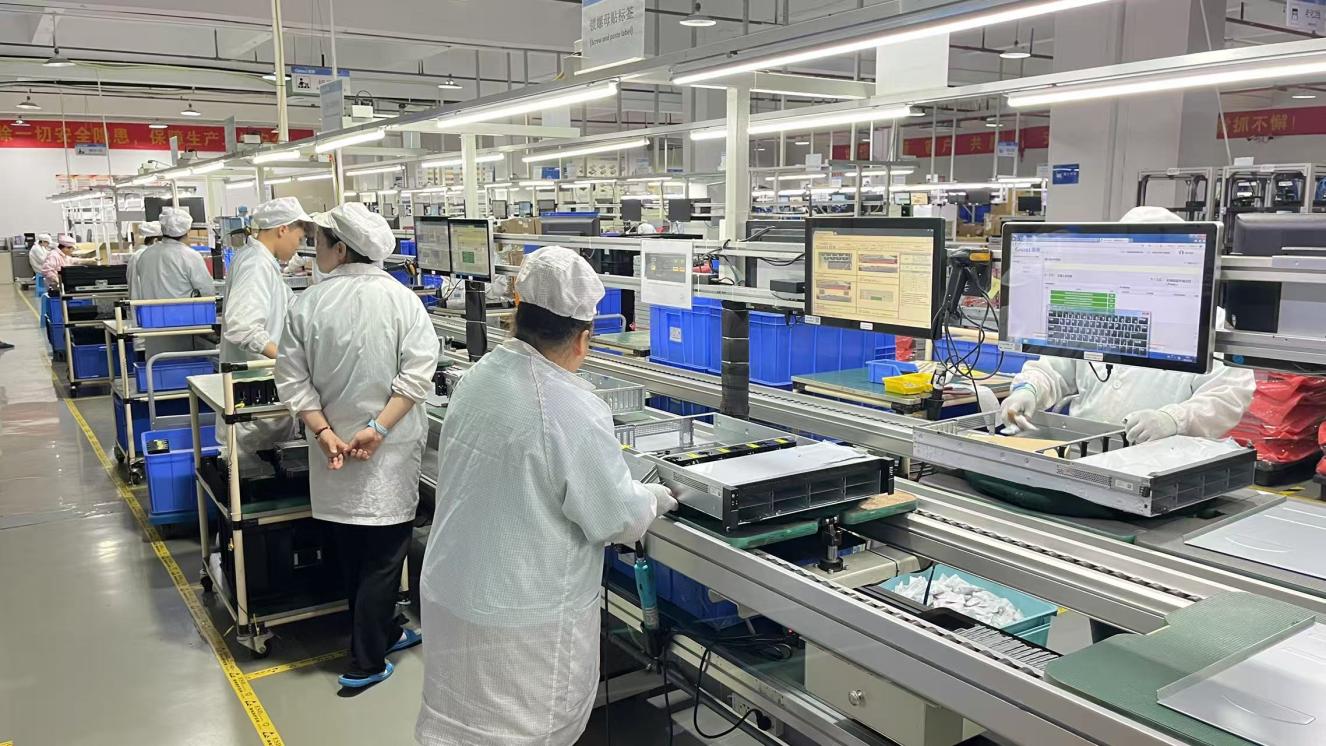
Security infrastructure must not fail. At NexGPU, reliability validation is integrated into our manufacturing processes. Every server assembled in our Shenzhen facility undergoes a series of QA milestones designed to replicate the thermal, power, and bandwidth stress profiles of modern enterprise data centers.
Our QA protocol involves 45+ specialized inspectors executing a strict verification blueprint:
NexGPU manufactures hardware compliant with leading global regulatory frameworks, including CE, FCC, RoHS, and WEEE standards, facilitating deployment into European, North American, and Asian cloud computing hubs.
Custom server architectures adapted to the specific performance, compliance, and environmental demands of critical sectors.
Deployments in power plants, water systems, and smart grids. These environments require rackmount servers configured to run specialized monitoring software like Suricata, parsing proprietary industrial protocols (Modbus, DNP3, IEC 61850) without adding network delay.
Industrial ProtocolsFinancial processing systems require hardware architectures that support high-speed I/O. Custom network cards with sub-microsecond latency and bypass switches process packets in real-time, matching transaction logs against behavioral baselines to identify anomalies.
Low-Latency HardwareEast-West network activity monitoring in multi-node AI clusters (e.g., DeepSeek and LLaMA model environments). We configure servers with high-speed PCIe Gen5 layouts to ensure IDS systems process massive data transfers between storage and GPU arrays.
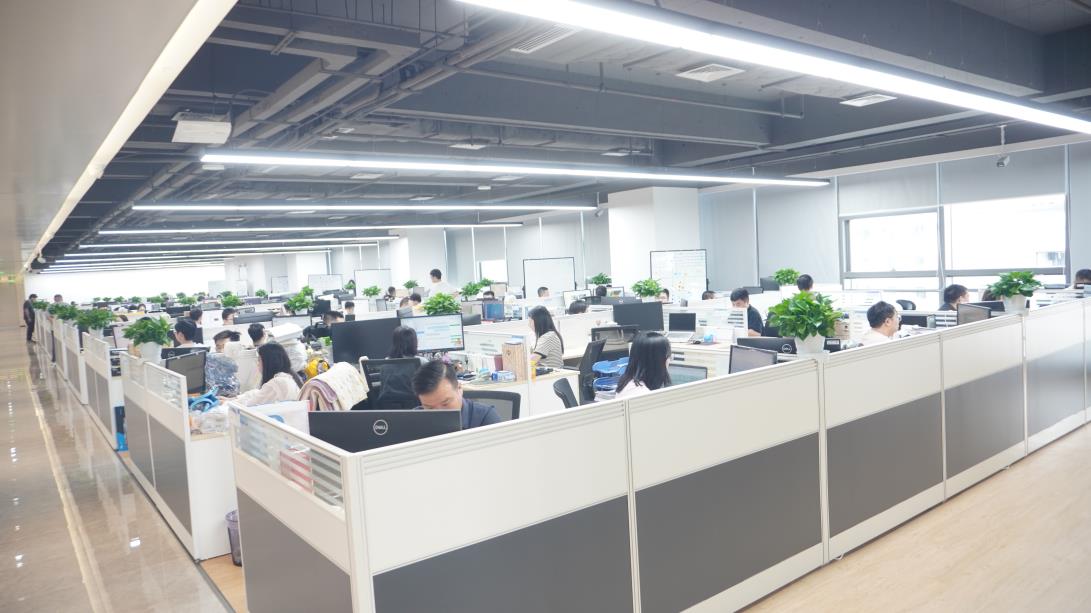
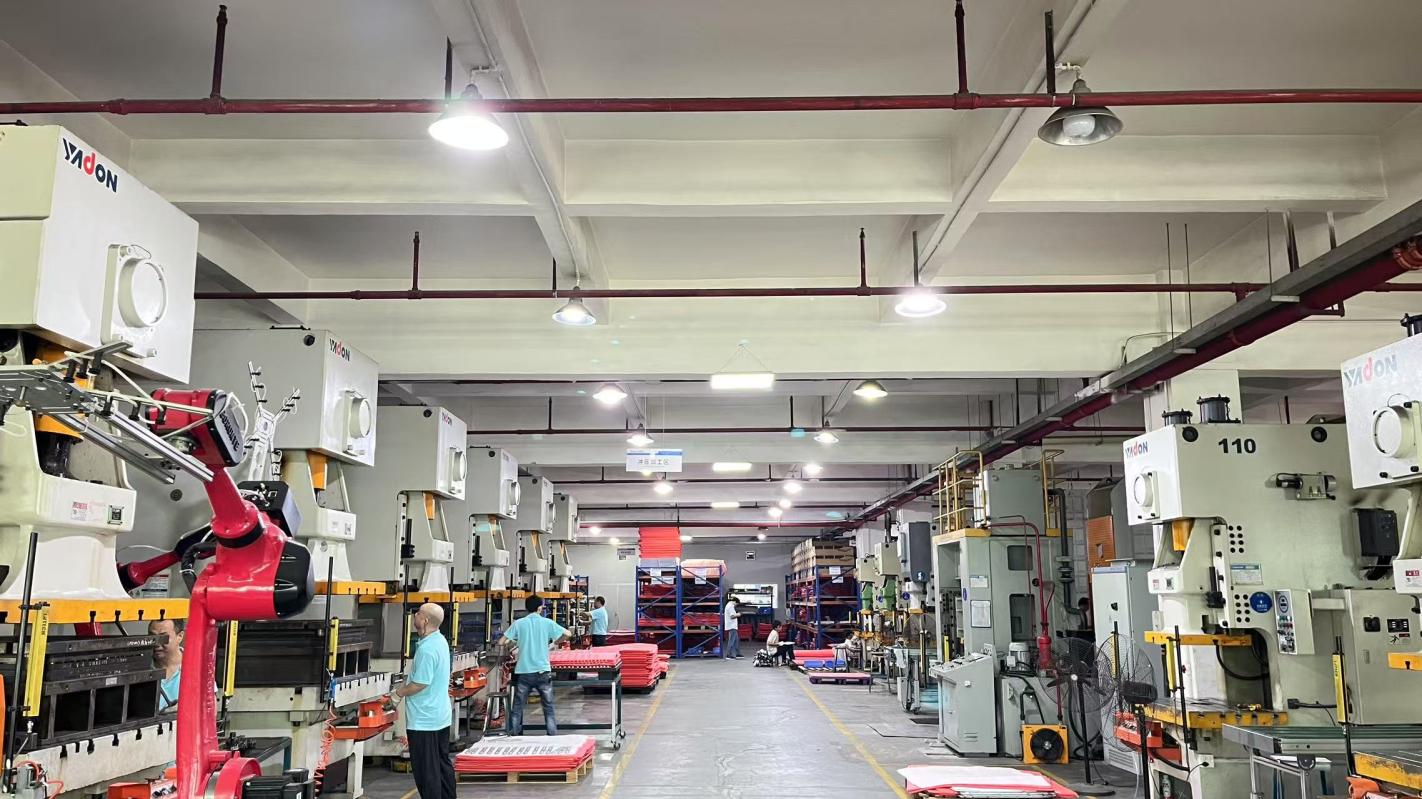
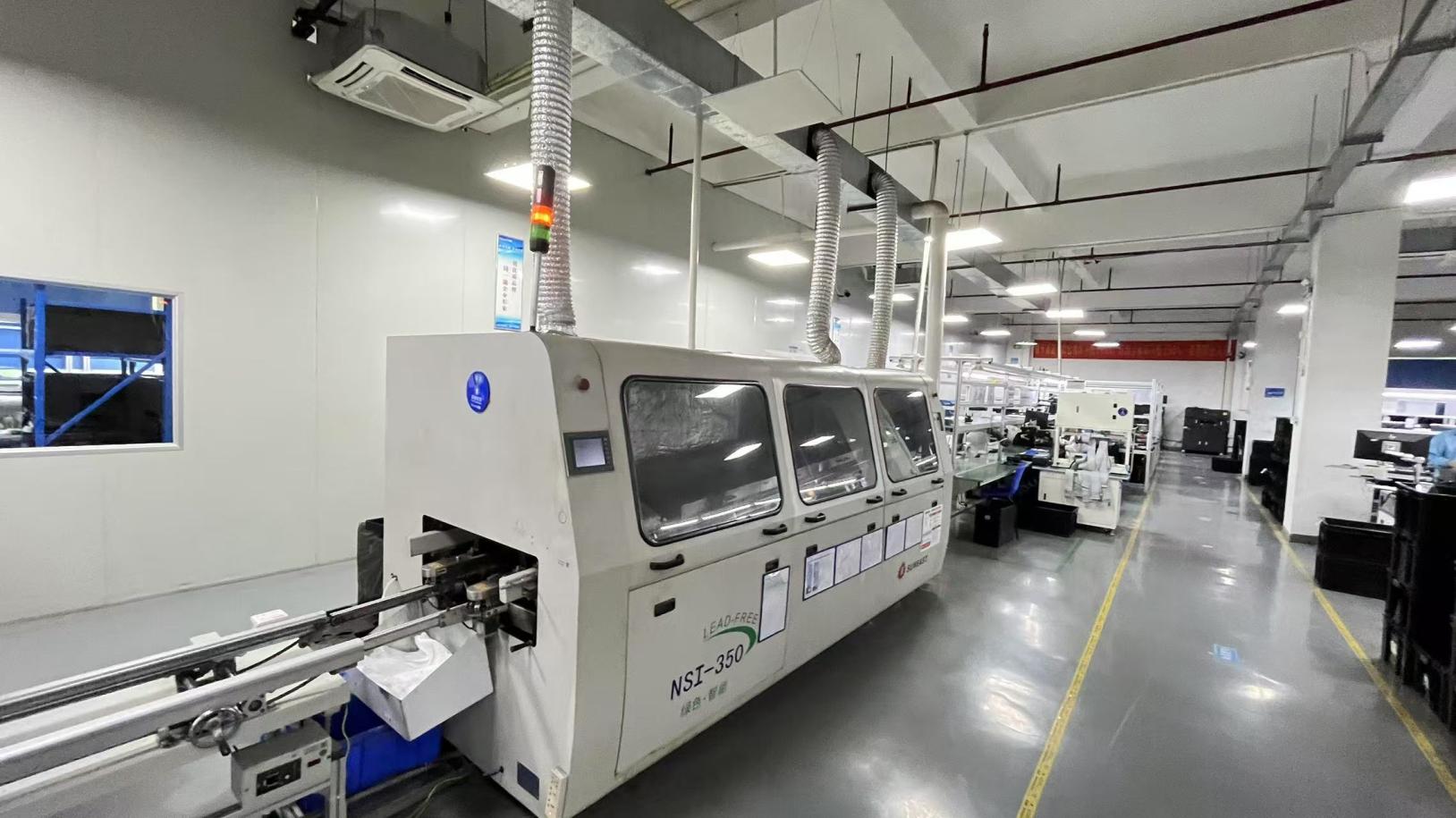
High Data Plane BandwidthA view inside our 380+ square meter assembly, optimization, and testing plant located in Shenzhen, China.



As cloud computing models shift from perimeter-based firewalls to Zero-Trust architectures, hardware engines are evolving to support decryption, encryption, and pattern processing at scale.
Integrating next-generation cryptographic accelerators within standard motherboard PCIe structures. These modules secure telemetry data exchange and support post-quantum encryption protocols for network traffic logging.
Integrating dedicated neural processing units (NPUs) or low-power GPU accelerators directly into network card assemblies. This enables real-time signature matching on raw Ethernet data without taxing the system CPU.
Deploying programmable network interface cards (SmartNICs) that support eBPF (Extended Berkeley Packet Filter). These components inspect network packets at the hardware layer, dropping malicious traffic before it reaches user space.
Find technical answers regarding configurations, hardware acceleration options, manufacturing capability, and supply chain timelines.
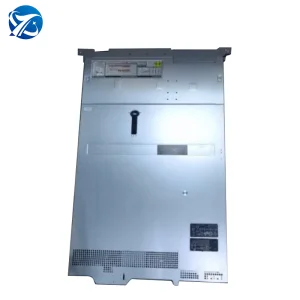
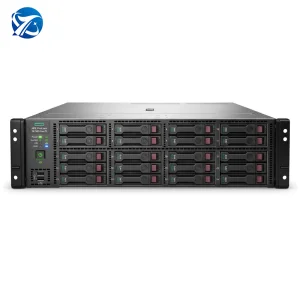
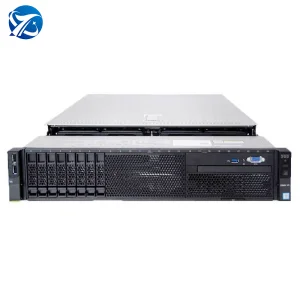
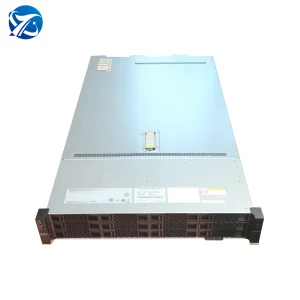
Our hardware portfolio features servers optimized for high core density, memory bandwidth, and compute acceleration.