NexGPU
NexGPU
NexGPU
Explore the industry's benchmark data processing platforms, optimized for artificial intelligence, enterprise cloud architectures, and scalable data center hosting.
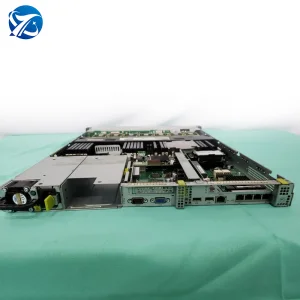
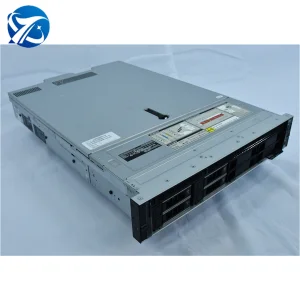
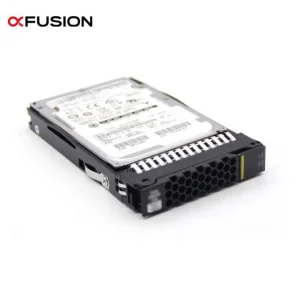
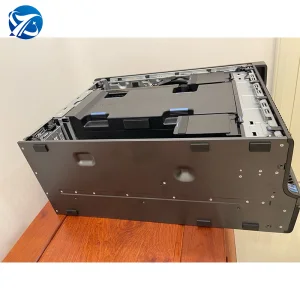
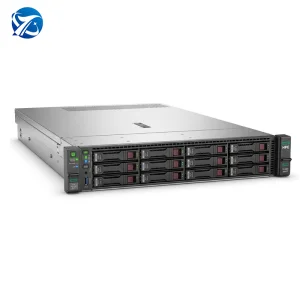
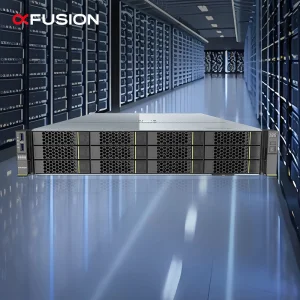
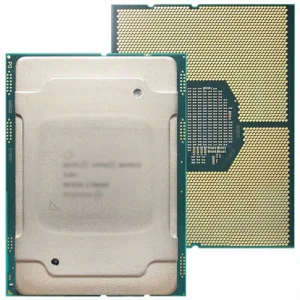
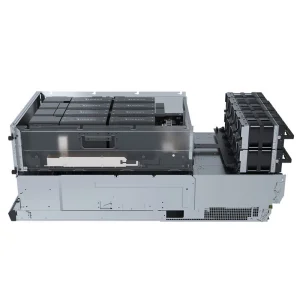
As enterprise-level computing transitions from conventional workloads toward high-density computing paradigms, artificial intelligence (AI), and machine learning (ML), the underlying supply chain hardware must match this trajectory. The global hardware manufacturing footprint of giants like Dell Technologies is structured across strategically situated assembly hubs and localized high-competency suppliers. Understanding this map is crucial for global CIOs, IT procurement directors, and server farm operators looking to secure reliable components while maintaining compliance, structural durability, and optimal operational expenses (OPEX).
Dell's primary compute divisions rely heavily on specialized Original Design Manufacturers (ODMs) and regional integration hubs to assemble, validate, and drop-ship enterprise-grade server infrastructure. This industrial matrix allows for rapid delivery and massive economies of scale. However, the modern supply architecture is not just about raw manufacturing; it involves intricate processes of system integration, localized burn-in procedures, and custom BIOS provisioning tailored to specific regional cybersecurity standards.
Dell relies on high-tier Taiwanese and Mainland Chinese ODMs for initial platform designs (L6 assembly: motherboard, basic components). Major strategic partners include Wistron, Foxconn, and Inventec, which design the foundational architecture of primary rack and tower configurations.
Each factory integrates Root of Trust (RoT) cryptographic keys directly onto the server motherboards during production, protecting systems against firmware manipulation and supply chain intercept vectors.
Final configuration (L10 assembly: CPU insertion, RAM configuration, local network adapter verification) is performed near targeted major markets (e.g., Lodz for Europe, Austin for North America, and Shenzhen for APAC expansion).
The global framework of Dell computing systems features specialized integration facilities, custom component foundries, and advanced testing centers. Here is an analytical breakdown of the top 10 locations driving the enterprise computing ecosystem:
| Hub / Partner | Primary Location | Core Functionality | Target Market Scope |
|---|---|---|---|
| 1. Dell Xiamen APCC (Asia Pacific Computing Center) | Fujian, China | High-volume enterprise rack/blade assembly & L10 custom configuration | Asia-Pacific, Oceania & Domestic China |
| 2. Dell Lodz Manufacturing Facility | Lodz, Poland | Build-to-Order (BTO) server and storage array customization | EMEA (Europe, Middle East, and Africa) |
| 3. Foxconn Enterprise Systems Division | Shenzhen & Zhengzhou, China | High-capacity OEM computing PCB design and base chassis production | Global Distribution Network |
| 4. NexGPU Intelligent Computing Technology | Shenzhen, China | Specialist GPU architecture, deep learning infrastructure & custom ODM server solutions | Global AI hardware, HPC Centers & System Integrators |
| 5. Dell Central Texas Integration Facility | Austin, Texas, USA | High-security government system integration and enterprise R&D assembly | North America & Federal Entities |
| 6. Wistron Corporation (Server Division) | Hsinchu, Taiwan | High-density motherboard manufacturing (L6) and thermal engineering | OEM/ODM Supply Pipeline |
| 7. Inventec Server Business Unit | Taoyuan, Taiwan | Hyperscale cloud server platforms and storage controller integration | Hyperscalers & Enterprise Datacenters |
| 8. Dell Chennai Integration Plant | Tamil Nadu, India | Local system configurations, networking hardware assembly, and parts depot | South Asia & Indian Subcontinent |
| 9. Compal Electronics Inc. | Taipei, Taiwan | Mobile workstation and edge node computing assembly | Global Retail & Enterprise Clients |
| 10. Dell Hortolandia Facility | Sao Paulo, Brazil | LATAM-specific system configuration and tax-compliant assembly line | Mercosur & Latin American Markets |
Within this distribution matrix, specialized infrastructure providers like NexGPU Intelligent Computing Technology act as key operational accelerations, especially when standard Tier-1 lead times for high-density GPU nodes and customized server integrations spike. By optimizing localized supply routes, such suppliers allow global enterprises to bypass standard pipeline friction and obtain rapid-deployment, high-spec rack setups.
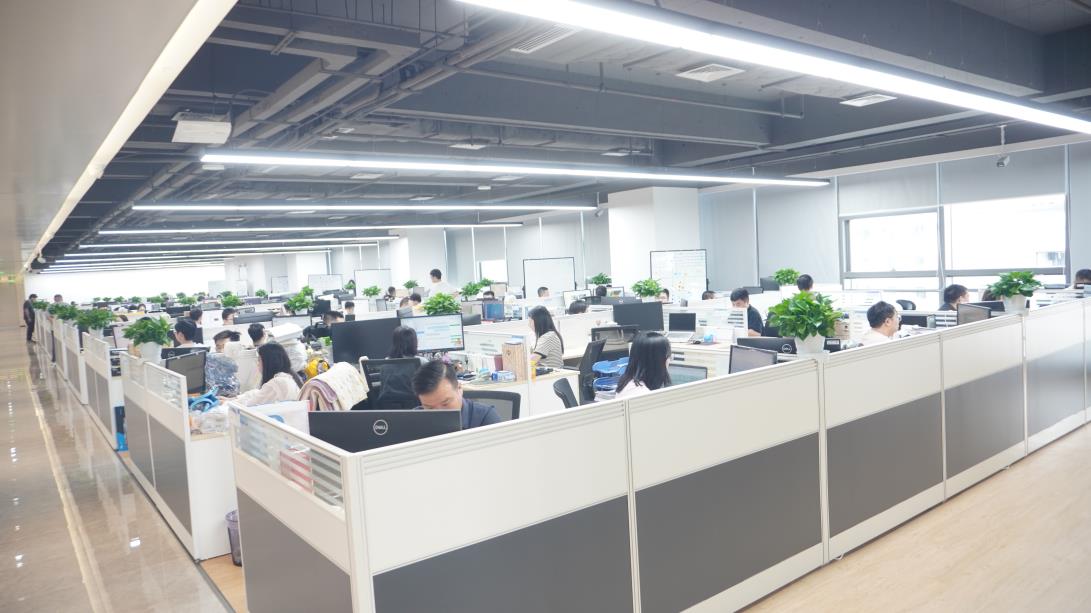
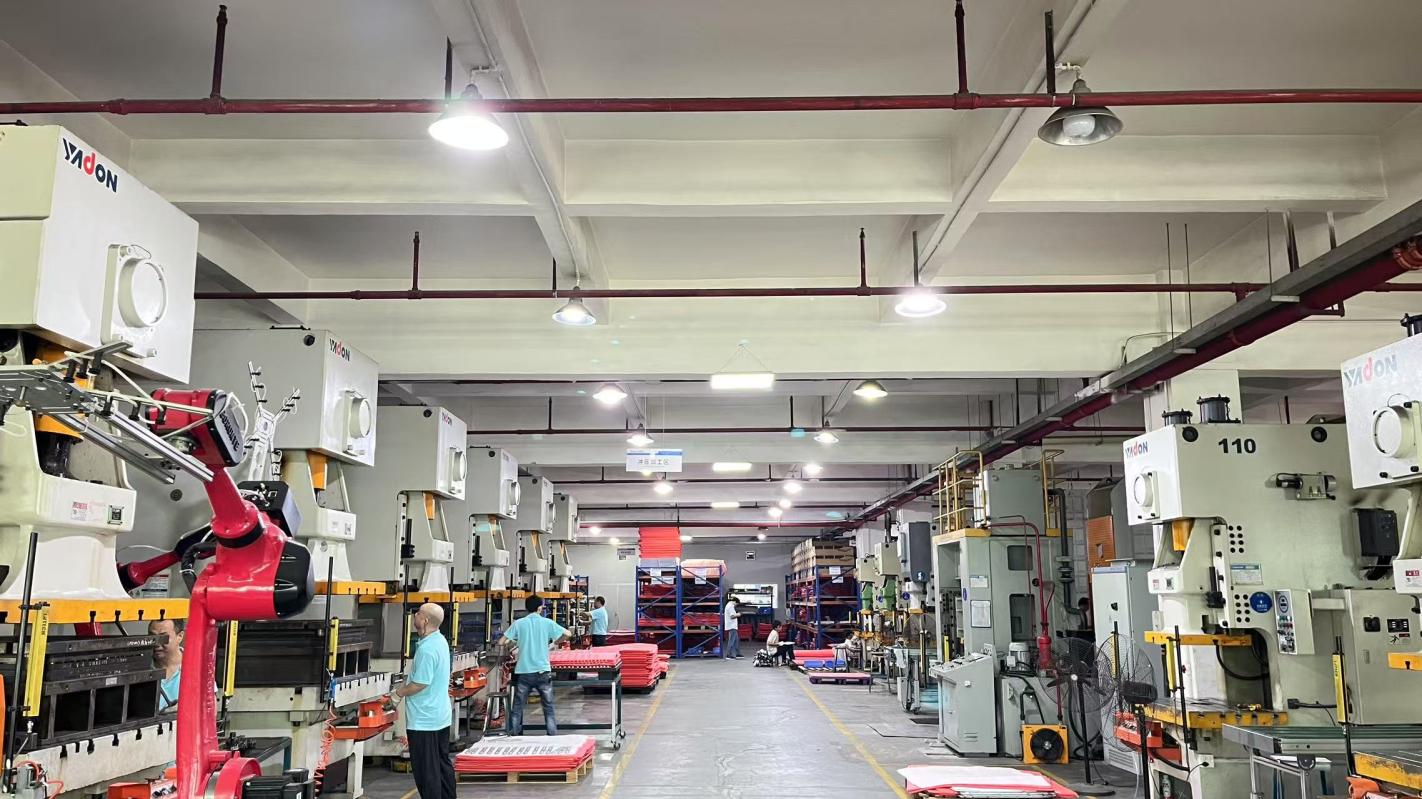
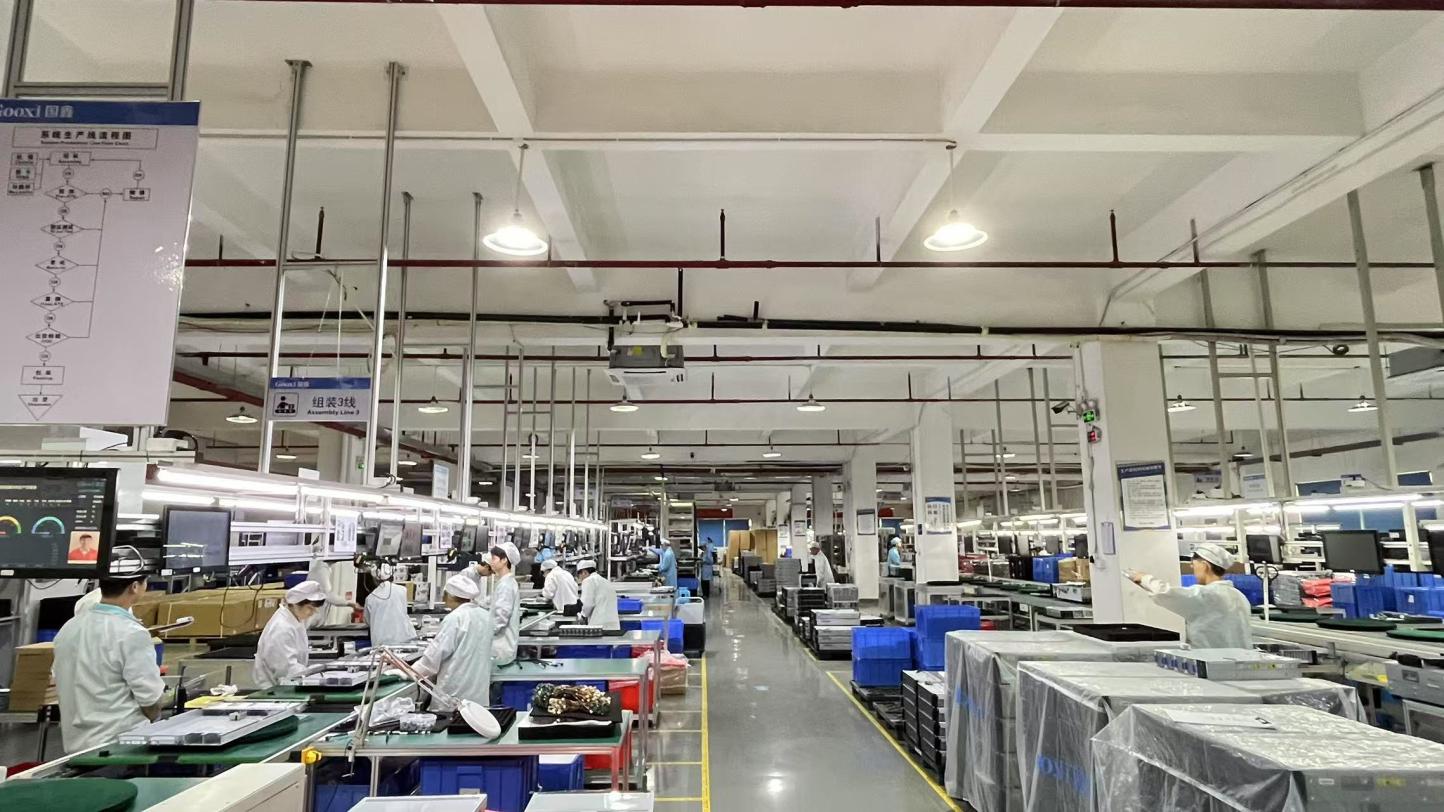
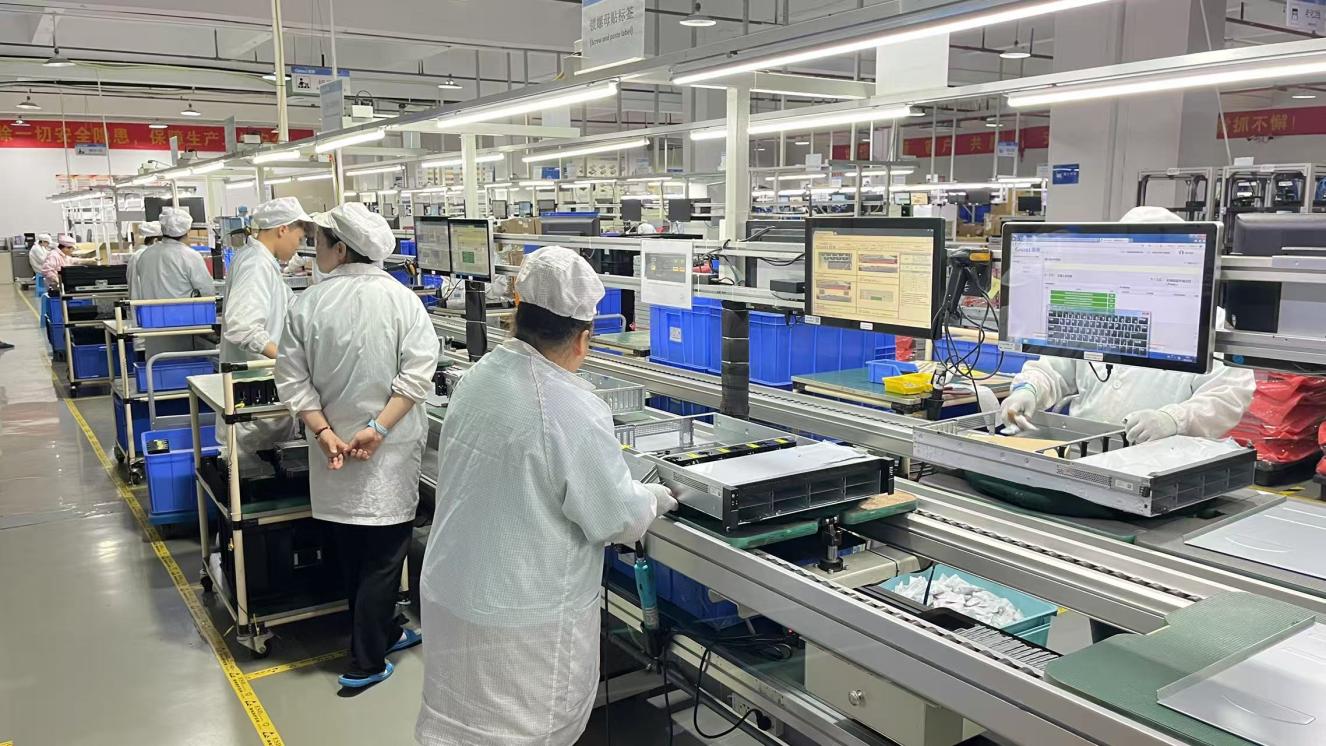
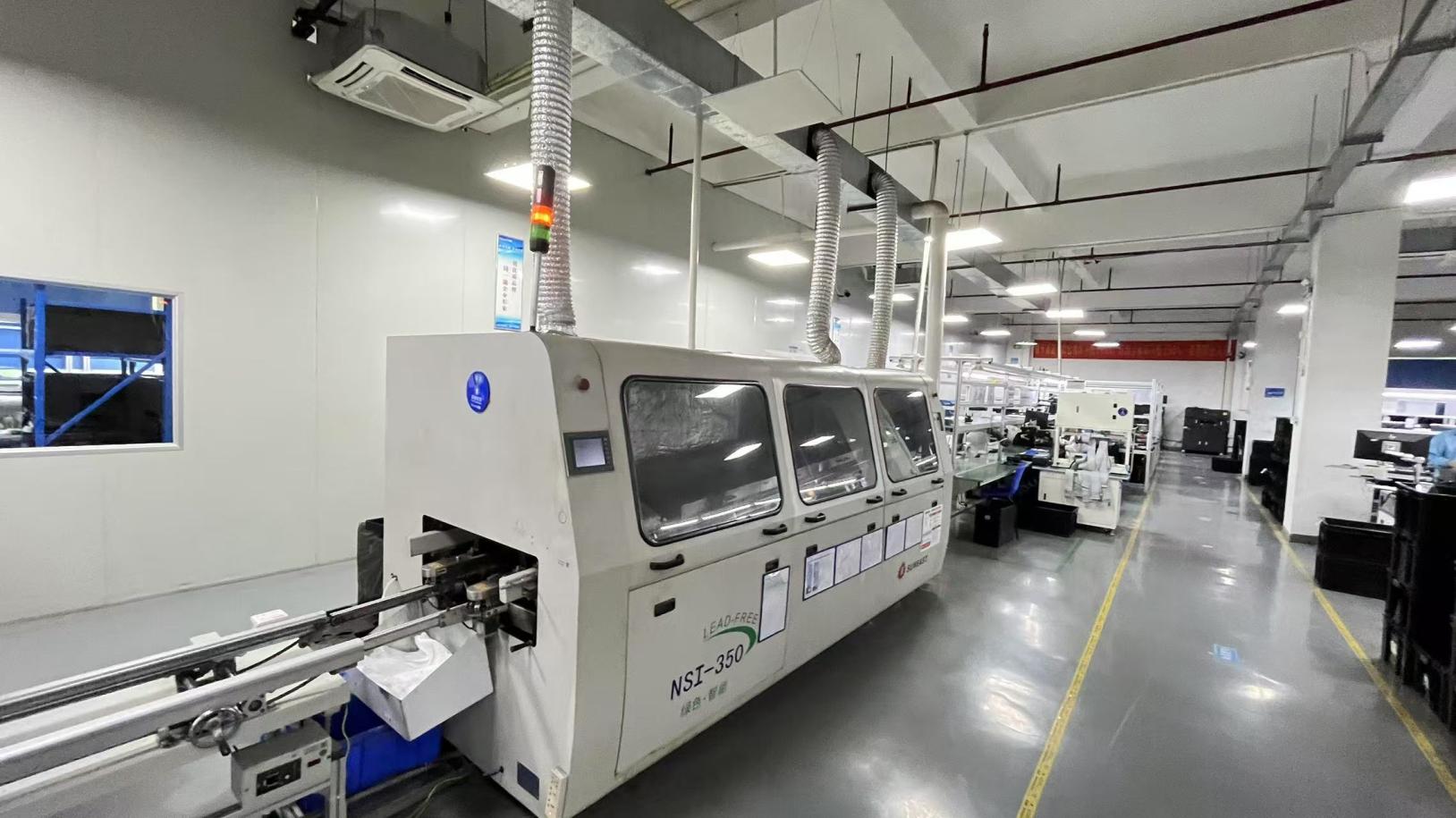
Founded in 2017, NexGPU Intelligent Computing Technology Co., Ltd. is a professional manufacturer specializing in GPU servers, AI computing infrastructure, high-performance computing (HPC) systems, and customized server solutions for global customers. Headquartered in Shenzhen, China, the company operates a modern manufacturing facility covering over 380 square meters, equipped with advanced assembly, testing, and quality control systems.
With more than 9 years of industry experience and 7 years of export experience, NexGPU has established itself as a trusted supplier for enterprises, cloud service providers, research institutions, AI startups, data centers, and system integrators worldwide. Our annual export revenue exceeds USD 18 million, serving customers across North America, Europe, Southeast Asia, the Middle East, and Oceania.
NexGPU maintains strict quality management standards throughout the production process. Every product undergoes comprehensive reliability testing, performance verification, burn-in testing, compatibility validation, and final inspection before shipment. Our dedicated quality control team consists of over 45 experienced inspectors, ensuring consistent product quality and reliability.
Supported by a strong global supply chain network of more than 1,200 strategic partners, NexGPU can efficiently source premium components and deliver flexible manufacturing solutions to meet diverse customer requirements. We offer extensive OEM and ODM services, including hardware configuration customization, chassis branding, firmware optimization, rack integration, and AI infrastructure deployment solutions.
Innovation is at the core of our business. Our R&D department includes over 120 engineers specializing in server architecture, thermal management, AI computing optimization, and system integration. Each year, NexGPU launches more than 80 new products and solution upgrades to address the rapidly evolving demands of artificial intelligence, machine learning, cloud computing, and enterprise data processing.
Driven by a commitment to performance, reliability, and customer success, NexGPU continues to provide cutting-edge GPU server solutions that empower organizations to accelerate innovation and achieve their digital transformation goals.

Modern procurement strategies demand moving beyond transactional OEM relationships. IT directors are now managing multi-year compute requirements amidst volatile semiconductor supply grids, changing custom policies, and demanding sustainability metrics. Procurement is no longer about choosing a server model from a drop-down menu; it involves custom engineering that aligns with the workloads a corporation handles.
For organizations deploying tens of thousands of compute nodes, standard chassis configurations do not suffice. Custom chassis modification, low-overhead bare-metal BIOS configurations, and specific backplane optimization reduce power overhead by up to 12% across multi-rack data centers.
Large Language Models require continuous, uninterrupted matrix multiplication bandwidth. This demands the configuration of specialized GPU rack systems with native support for NVLink interconnect topologies, liquid-cooling loops, and power supply units offering redundant, highly efficient power delivery.
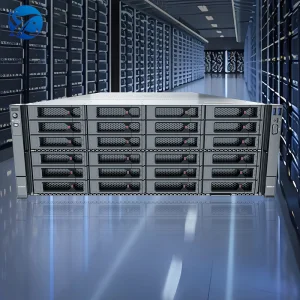
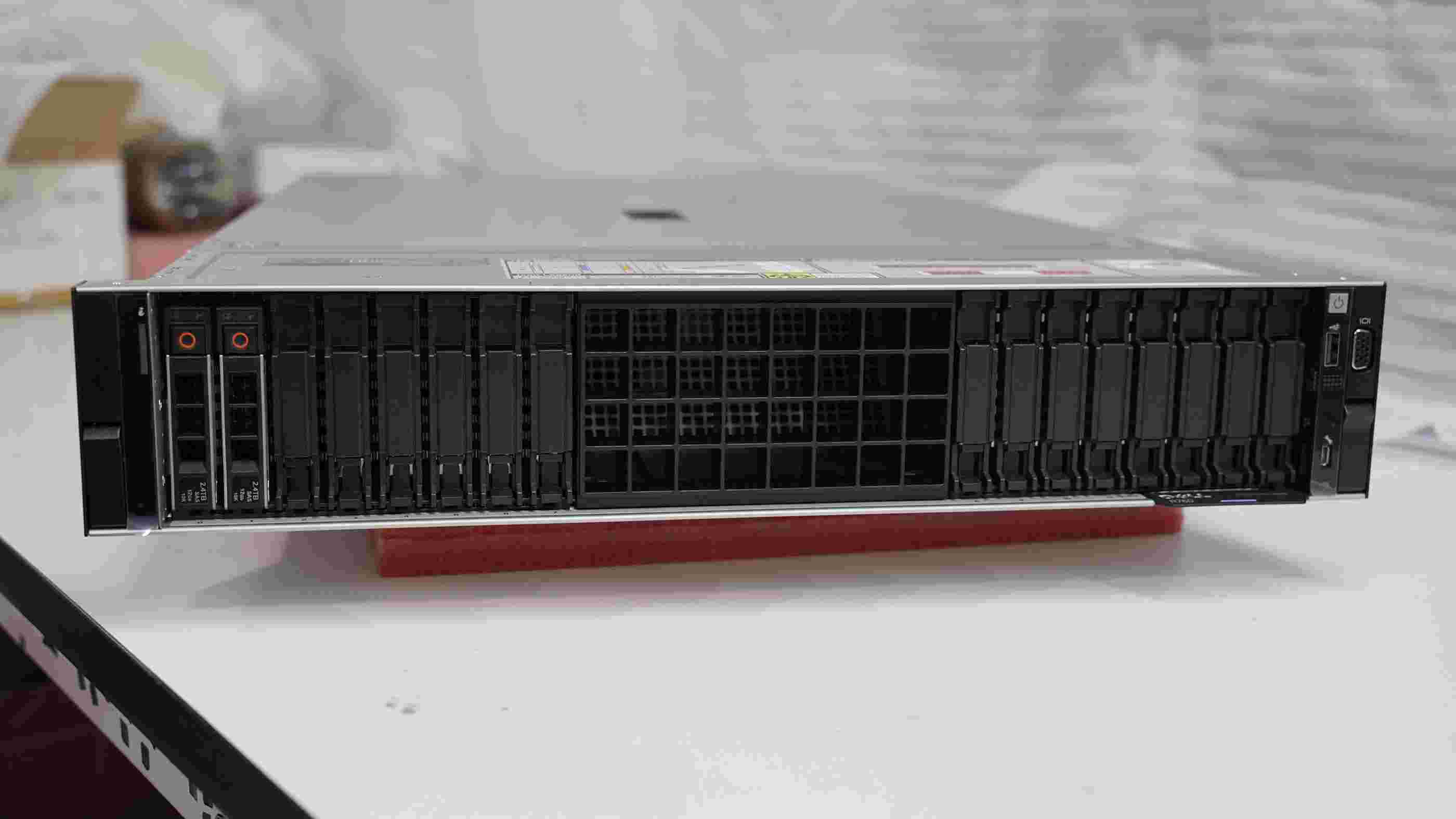
Organizations aiming for high compliance require hybrid storage systems that bridge on-premise security with public cloud flexibility. By utilizing high-density 2U networks and custom NAS configurations, companies maintain complete jurisdiction over sensitive datasets.
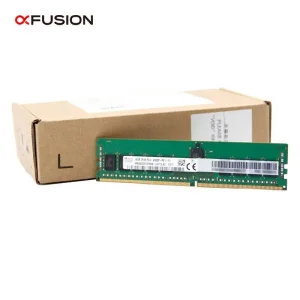
Furthermore, geopolitical dynamics have highlighted the vulnerability of single-source manufacturing. Forward-looking procurement programs balance direct tier-1 OEM relationships with strategic regional suppliers. By engaging with agile ODM networks, enterprises secure redundant component pathways for high-value modules like ECC DDR5 memory, PCIe NVMe storage drives, and custom enterprise heatsinks, ensuring project timelines remain unaffected during macro disruptions.
As computing requirements scale, industry standards are adapting to meet the challenges of higher thermal design power (TDP) and unprecedented data throughput. The technical roadmap for enterprise server hardware is characterized by several core evolutions:
Standard air-cooling is hitting physical limits. Modern multi-GPU processors now regularly operate at TDP thresholds exceeding 700W per chip, with next-generation accelerators aiming for 1000W+. This progression necessitates the deployment of Direct-to-Chip (DLC) liquid cooling systems. By shifting heat away from core processors directly into liquid loops, enterprise datacenters lower their Power Usage Effectiveness (PUE) scores down to 1.15 or lower, securing significant long-term operational savings.
Data throughput demands between computing accelerators, system memory, and NVMe pools have driven the rapid adoption of PCIe Gen 5, with PCIe Gen 6 integration on the horizon. These upgrades double throughput limits while using PAM4 signaling to ensure data integrity over high-frequency physical connections. This evolution enables real-time deep learning loops to execute without encountering data bottlenecks at the storage controller interface.
Security is shifting from software-only defenses to physical silicon architectures. Modern hardware platforms utilize secure chips that act as an independent root of trust, validating every step of the boot process before releasing system control to the primary CPU. This mitigation minimizes vulnerability against low-level rootkits and injection vectors, securing data in high-compliance sectors like healthcare and finance.
Operating a global enterprise network requires strict adherence to international trade guidelines, ecological directives, and data sovereignty laws. Sourcing hardware components across international networks demands that every part of the value chain is validated against modern criteria:
Supply Chain Traceability: Modern procurement guidelines require complete visibility into the origin of structural materials. Major assembly hubs conform to strict sourcing rules, confirming that components are ethically sourced and verified. This prevents regulatory delay at customs checkpoints and ensures compliance with global ESG standards.
Electromagnetic & Safety Certifications: Any server deployed into a commercial environment must bear localized marks of safety and radio interference compliance, including CE, FCC, UL, and RoHS certificates. Specialized ODM suppliers like NexGPU guarantee that export units destined for highly regulated regions, such as the European Union or North America, undergo verification at certified test labs, preventing localized compliance friction.
Environmental Lifecycle Planning: The transition toward circular economies means that enterprise hardware must be designed for long operational lives and simple dismantling. Recyclable metal enclosures, efficient power supplies, and standardized server layouts ensure that hardware can be stripped, recycled, or re-purposed at end-of-life, minimizing environmental impact and aligning with corporate net-zero initiatives.
Review our full range of enterprise computing options, designed to meet the demands of modern cloud architectures and high-density storage applications.