NexGPU
NexGPU
NexGPU
Explore our mission-critical server line-up designed with redundant components and enterprise structural engineering to prevent hardware-based downtime.
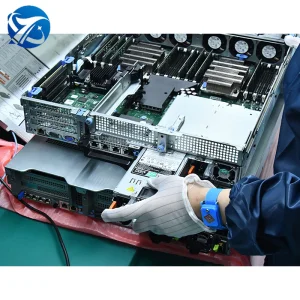
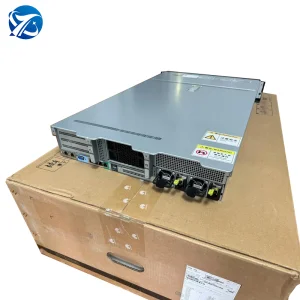
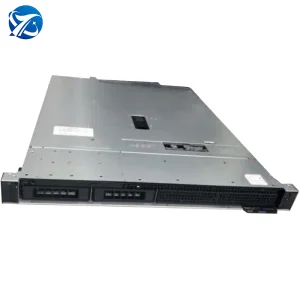
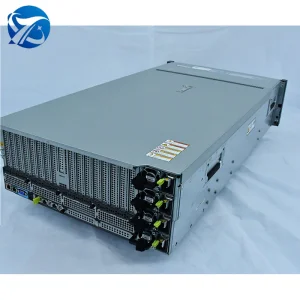
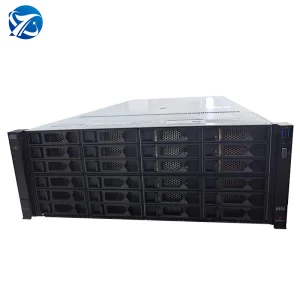
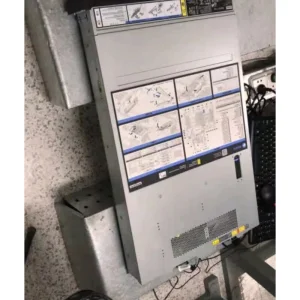
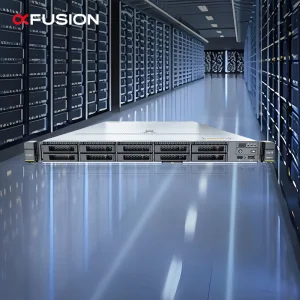
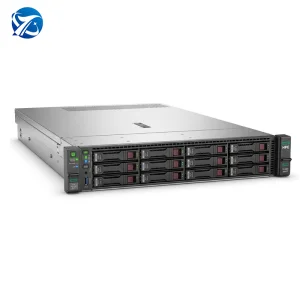
In the era of hyper-scale computing, distributed databases, and large language model (LLM) processing nodes, enterprise compute infrastructure can no longer afford system failures. High Availability (HA) solutions have transitioned from a localized network safety precaution to a fundamental global business necessity. High Availability refers to the system design protocol that ensures an agreed-upon level of operational performance, typically measured in uptime percentage, and seeks to eliminate single points of failure (SPOFs) at both hardware and software levels.
Modern industries calculate the cost of IT infrastructure downtime not merely in lost minutes, but in tens of thousands of dollars per second. For automated manufacturing lines, high-frequency trading platforms, and telecommunications cores, a single server node failure can cascade across network topography, causing catastrophic data corruption and service termination. As a result, global enterprises are demanding hardware systems that conform to the rigorous "Five Nines" standard (99.999% uptime), representing fewer than 5.26 minutes of unplanned downtime per calendar year.
Geographically, the requirements for High Availability servers are diversifying. In North America and Europe, strict regulatory regimes (such as GDPR, HIPAA, and Basel III) require complete data integrity, pushing organizations to deploy redundant local hardware arrays capable of real-time state mirroring. Meanwhile, in rapid-growth regions like Southeast Asia, Latin America, and the Middle East, the acceleration of digital-first initiatives and cloud migrations has driven high-density server procurement. These regions require robust, physically resilient computing systems capable of withstanding varying ambient grid and cooling environments without triggering architectural failures.
To engineer high availability, hardware systems must be built from the board layer up to facilitate hot-swapping, failover management, and predictive fault isolation. Our customized server platforms incorporate multiple redundant methodologies across all critical components:
Dual or quad PMBus 1.3 compliant power supply units (PSUs) share system loads symmetrically. In the event of a PSU failure or circuit break, the remaining power system immediately bears the full current load without voltage ripple or system interruption.
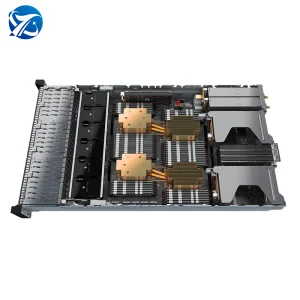
High-efficiency counter-rotating fan assemblies are hot-swappable and dynamically governed by the onboard Baseboard Management Controller (BMC). System firmware balances the airflow pressure when a single fan module fails, protecting system thermals.
Utilizing DDR5 on-die ECC combined with side-band error correction code (ECC) to detect and correct single-bit and multi-bit memory corruptions, preventing kernel-level OS crashes and memory-leak driven server resets.
For high-performance AI computation models, such as training clusters implementing DeepSeek R1 and related open-source configurations, GPU failover pathways are crucial. Multi-socket Xeon platforms (such as the 2288H V7 and 2488H V7) use high-speed PCIe Gen 5 routing lanes that support alternative peer-to-peer data pathways. In the event that a single GPU encounters a thermal event or compute crash, the containerization platform instantly isolates the node while adjacent GPU clusters pick up training tasks via ultra-low-latency interconnect networks.
High availability solutions are not generic; they are customized to the operational demands of specific sectors. Below, we examine the deployment parameters across major mission-critical environments:
| Vertical Industry | Core Downtime Threat | HA Hardware Configuration | Operational Target Achievement |
|---|---|---|---|
| Finance & Banking | Transactional data loss, lockups in ledger processing. | xFusion 1288H V7, dual-controller NVMe SAN, mirrored RAM blocks. | 0ms recovery time objective (RTO), absolute transactional safety. |
| Enterprise AI Centers | Interrupted LLM training checkpoints, GPU hardware faults. | G5500 V6 & G5200 V7 GPU Servers with redundant NVMe over Fabrics. | Continuous model training execution; container-ready node migration. |
| Smart Manufacturing | Edge automation stop, camera system disconnection. | Short Depth 2U Servers with N+1 thermal fans and wide-temp components. | 99.999% uptime in harsh industrial environments with high dust and vibration. |
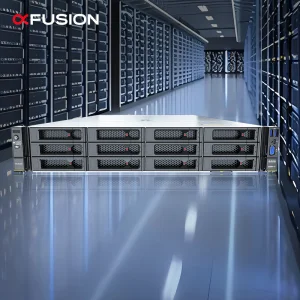
| Cloud Service Providers | Hypervisor crashes, high tenant disruption. | xFusion 2288H V7 Hyperconverged Infrastructure, 10GE/25GE dual-ports. | Seamless virtual machine live migrations during physical servicing. |
In smart manufacturing installations, edge nodes must interface with high-velocity computer vision systems on assembly lines. Here, a short-depth 2U rack server like the G5200 V7 is deployed. By incorporating dual 900W/1500W power redundancy and a ruggedized frame, these edge nodes process terabytes of raw telemetry data locally. Even if a local power line fails, the secondary grid input on the server maintains normal operations, preventing assembly line pauses that can cost manufacturers thousands of dollars per minute.
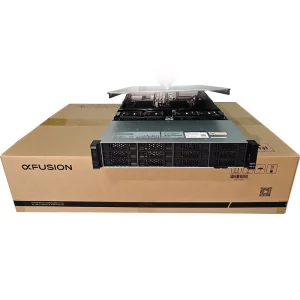
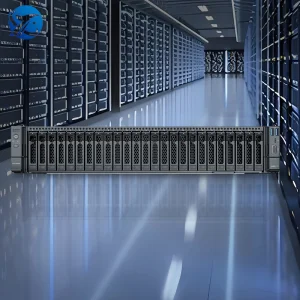
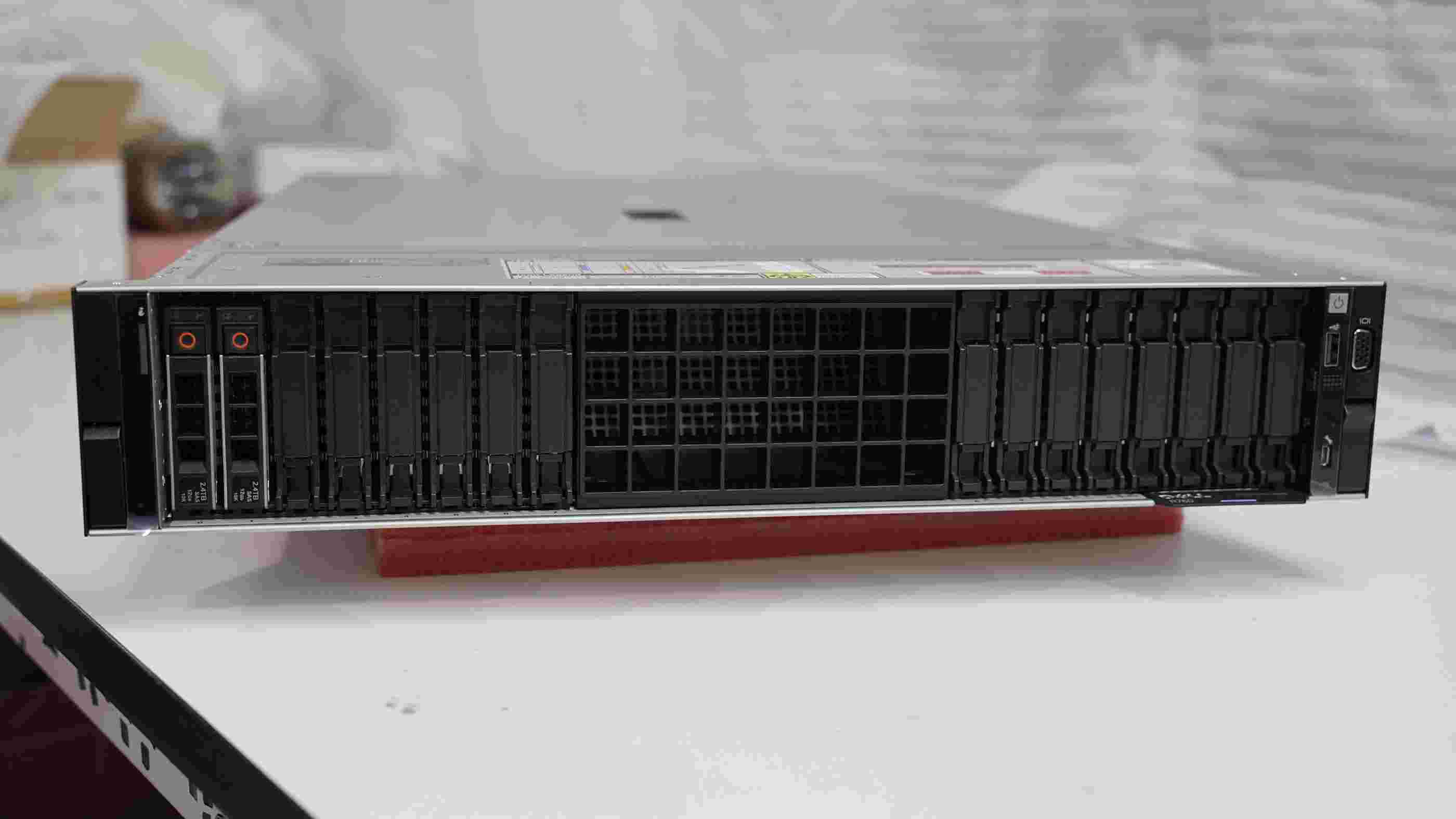
In containerized cloud data centers, our systems are optimized for Hyperconverged Infrastructure (HCI). By utilizing servers like the xFusion 2288H V7 equipped with up to 12x3.5-inch or 24x2.5-inch drive spaces, enterprises can run software-defined storage (SDS) systems such as Ceph or VMware vSAN. This setup ensures that if a drive or an entire rack node fails, the data is dynamically reconstructed on the remaining nodes, allowing maintenance technicians to hot-swap components during regular business hours without taking the system offline.
As computational density increases, the engineering of high availability must adapt. The rise of PCIe Gen 6, multi-chip modules (MCM), and high-bandwidth memory (HBM3/HBM4) presents new challenges for system heat dissipation and power distribution. NexGPU is proactively developing the next generation of high-availability solutions through the following initiatives:
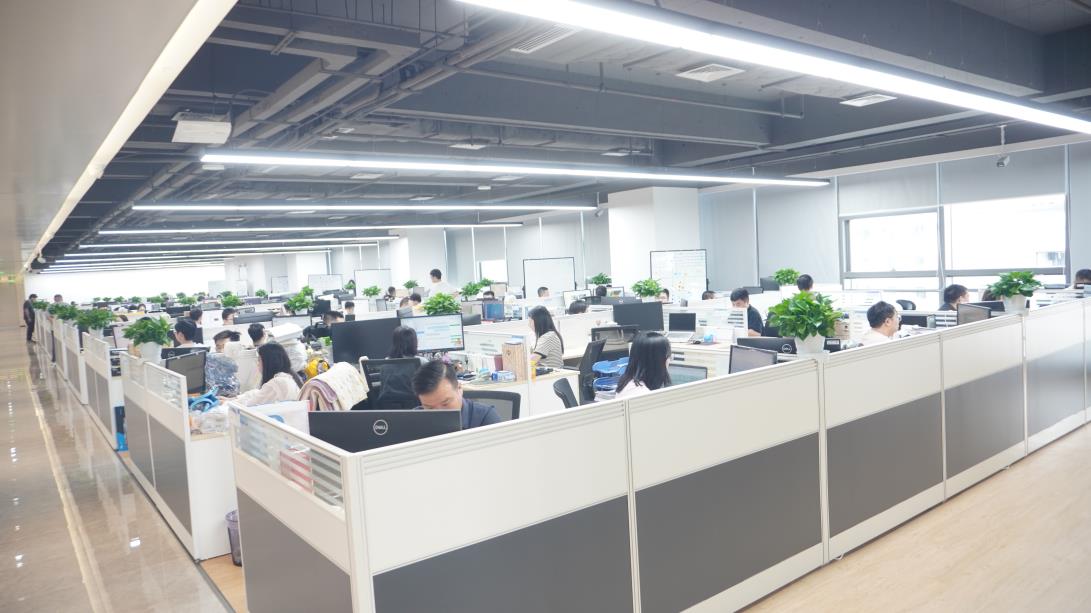
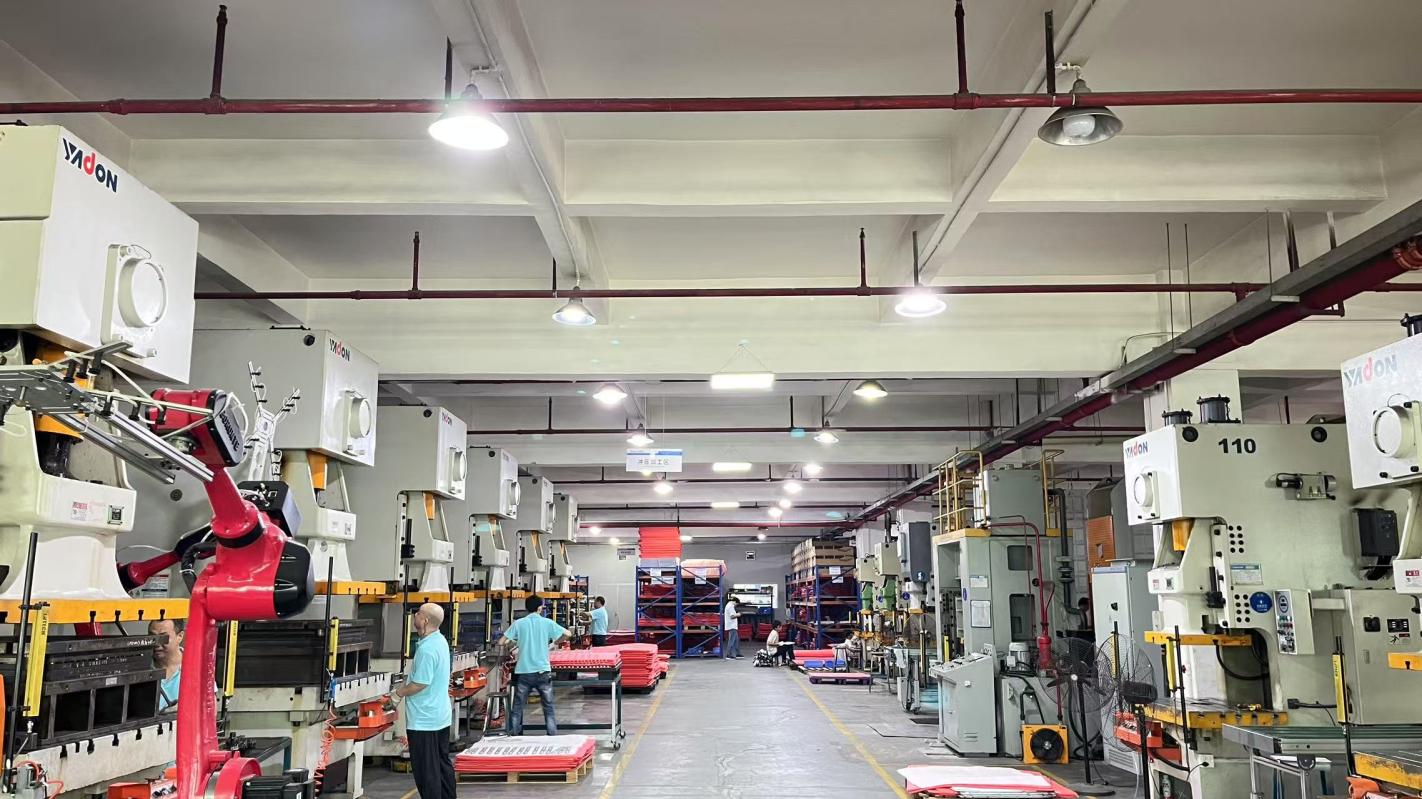
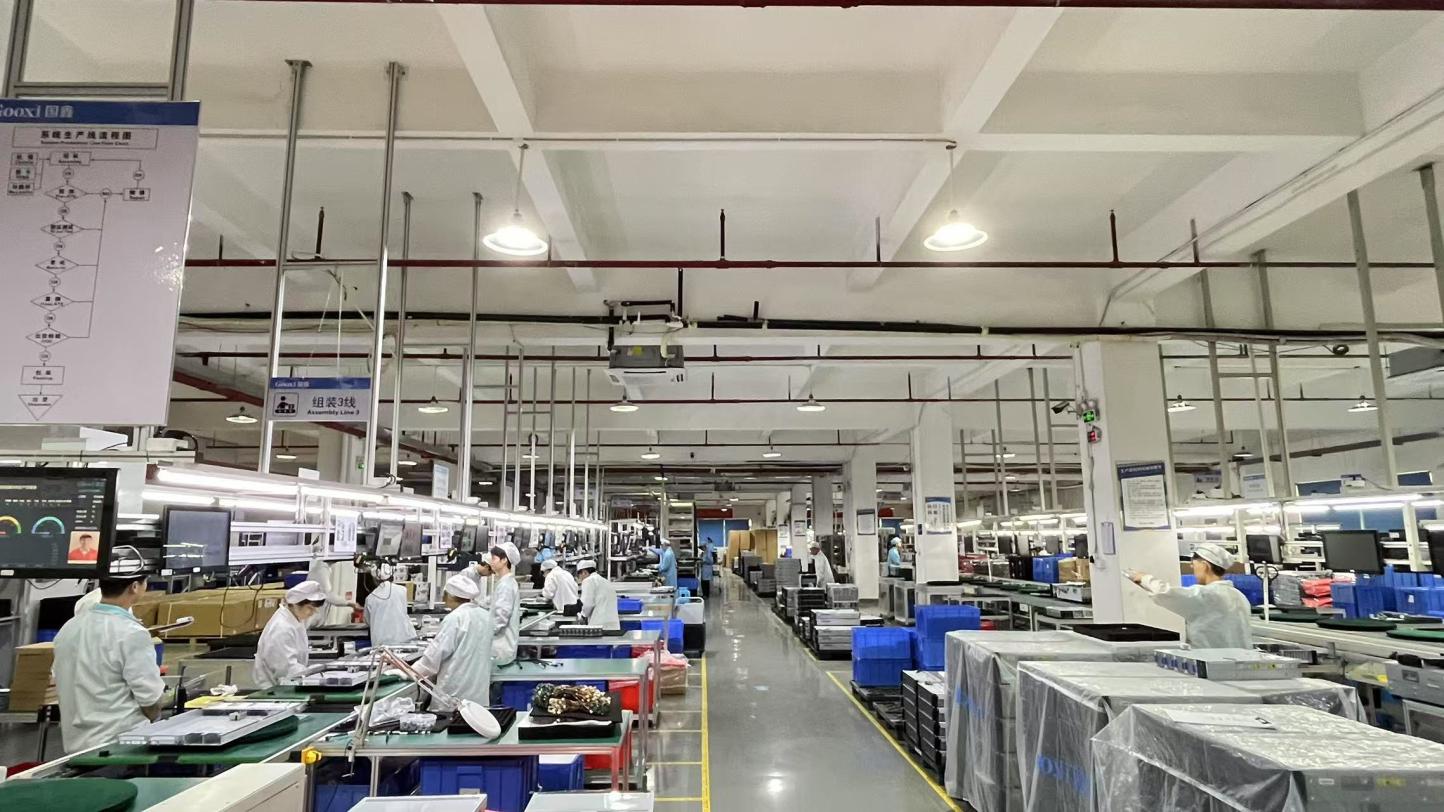
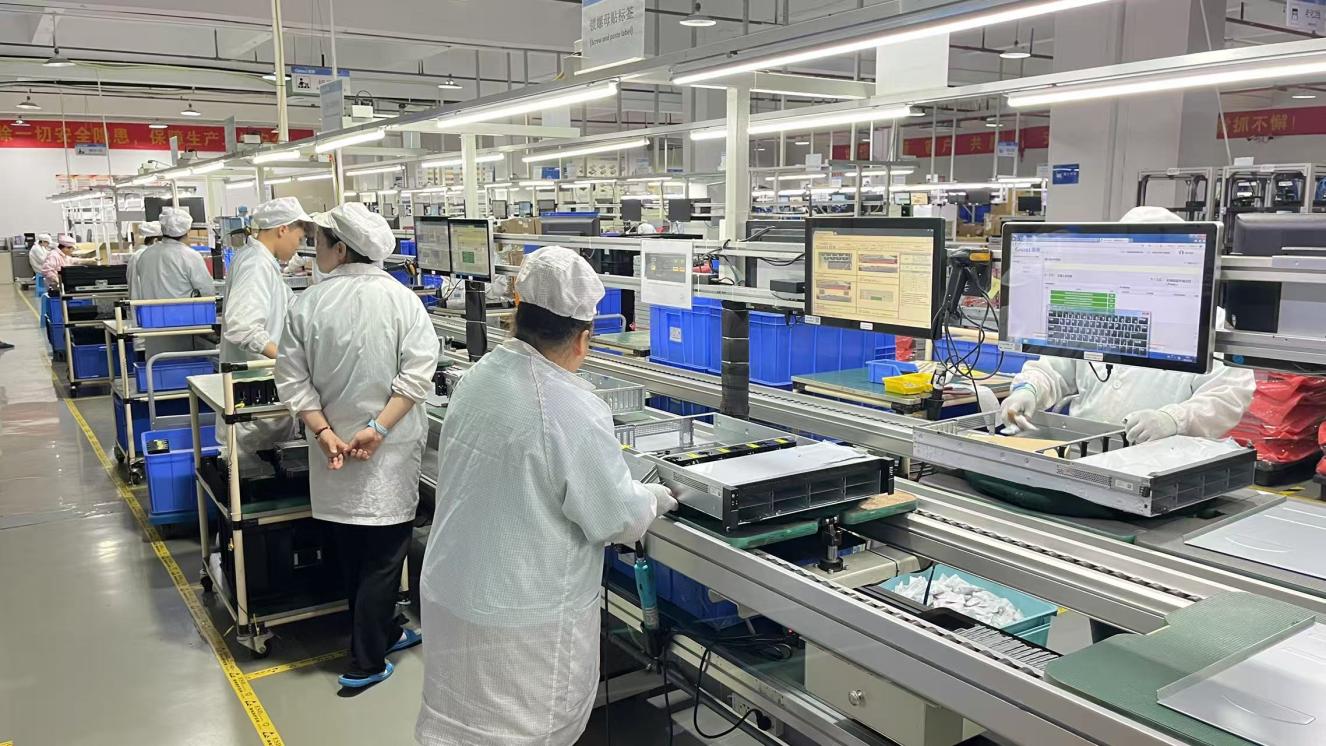
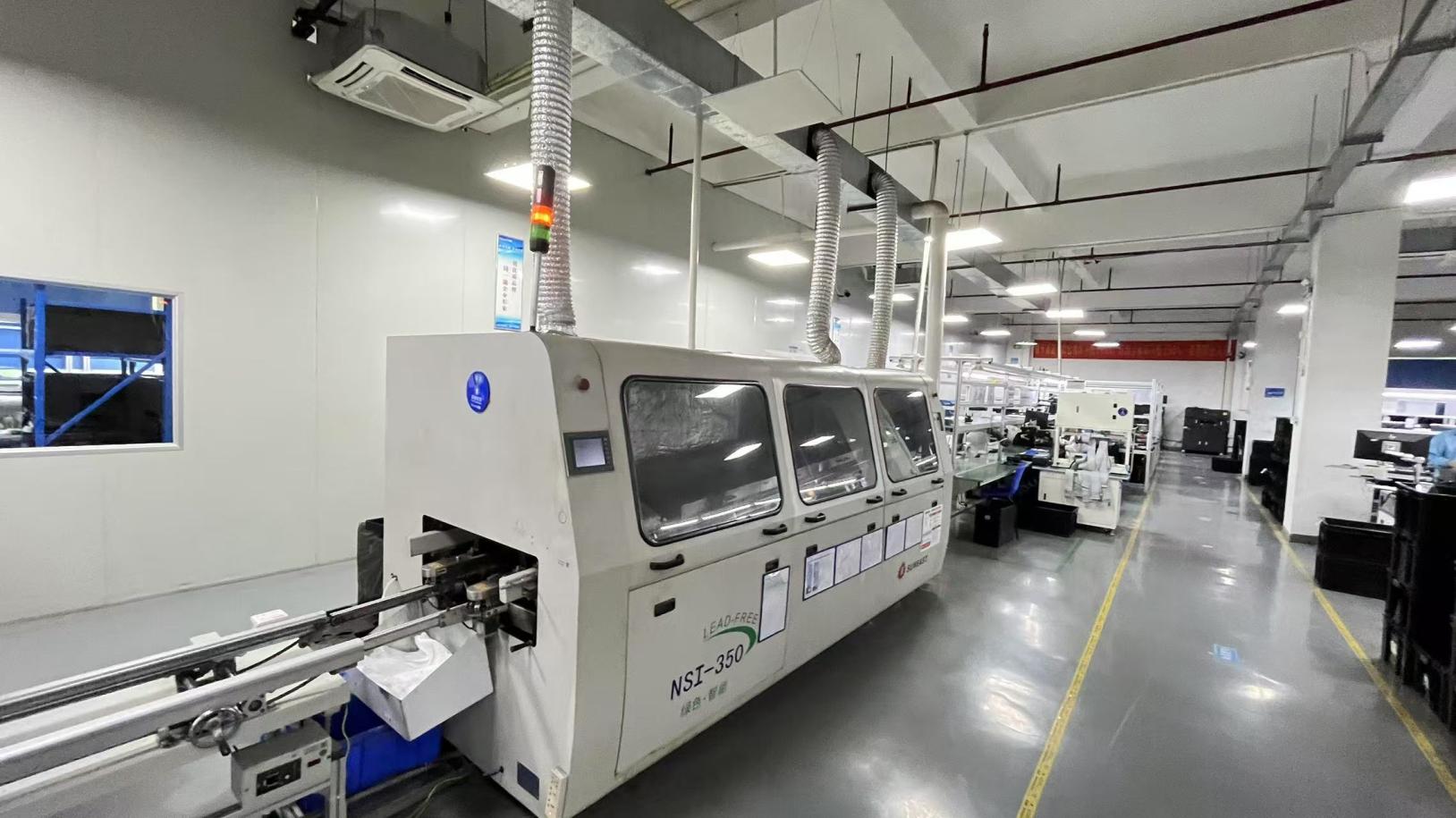
Founded in 2017, NexGPU Intelligent Computing Technology Co., Ltd. is a professional manufacturer specializing in GPU servers, AI computing infrastructure, high-performance computing (HPC) systems, and customized server solutions for global customers. Headquartered in Shenzhen, China, the company operates a modern manufacturing facility covering over 380 square meters, equipped with advanced assembly, testing, and quality control systems.
With more than 9 years of industry experience and 7 years of export experience, NexGPU has established itself as a trusted supplier for enterprises, cloud service providers, research institutions, AI startups, data centers, and system integrators worldwide. Our annual export revenue exceeds USD 18 million, serving customers across North America, Europe, Southeast Asia, the Middle East, and Oceania.
NexGPU maintains strict quality management standards throughout the production process. Every product undergoes comprehensive reliability testing, performance verification, burn-in testing, compatibility validation, and final inspection before shipment. Our dedicated quality control team consists of over 45 experienced inspectors, ensuring consistent product quality and reliability.
Supported by a strong global supply chain network of more than 1,200 strategic partners, NexGPU can efficiently source premium components and deliver flexible manufacturing solutions to meet diverse customer requirements. We offer extensive OEM and ODM services, including hardware configuration customization, chassis branding, firmware optimization, rack integration, and AI infrastructure deployment solutions.
Innovation is at the core of our business. Our R&D department includes over 120 engineers specializing in server architecture, thermal management, AI computing optimization, and system integration. Each year, NexGPU launches more than 80 new products and solution upgrades to address the rapidly evolving demands of artificial intelligence, machine learning, cloud computing, and enterprise data processing.
Driven by a commitment to performance, reliability, and customer success, NexGPU continues to provide cutting-edge GPU server solutions that empower organizations to accelerate innovation and achieve their digital transformation goals.

Find answers to technical and operational inquiries regarding our high availability hardware, configuration services, and engineering standards.
Our high availability servers incorporate fully redundant, hot-swappable components, including dual or quad Platinum-level power supplies (active-active configuration), N+1 counter-rotating smart fan modules, and multi-port networking with link failover support. We also implement dual-BIOS chips and BMC systems for continuous remote hardware health monitoring.
Each server undergoes a rigorous 72-hour testing program in our dedicated validation facility. This includes high-temperature burn-in chambers, computational load cycling, vibration and drop simulation tests, PCIe connection testing under load, memory diagnostics, and operating system/hypervisor compatibility tests.
Yes, our AI and GPU servers are designed with high-density DDR5 memory channels and PCIe Gen 5 configurations, making them ready to host containerized frameworks (Docker, Kubernetes) and model inference engines. We support both DeepSeek R1 and Llama large language models with balanced PCIe mapping to minimize GPU-to-GPU bottleneck risks.
We offer comprehensive OEM/ODM solutions. This includes customized chassis panels and coloring, custom BIOS screen logos, custom UEFI profiles, modified PCI device identification IDs, pre-configured IPMI network allocations, and hardware rack cabinet integration.
Our systems utilize Error-Correcting Code (ECC) technology that corrects single-bit errors dynamically. Under heavy server tasks, our BMC tracks corrected memory errors. If error counts cross safety thresholds, it triggers alerts, allowing administrators to address the issue before it leads to system faults.
Optimize your deployment with our range of high-availability processors, storage expansion server boxes, and high-performance server options.