NexGPU
NexGPU
NexGPU
Select hot-selling enterprise GPU compute racks, massive scale-out NAS storage arrays, and precision server hardware solutions optimized for deep learning, virtualization, and hybrid cloud environments.
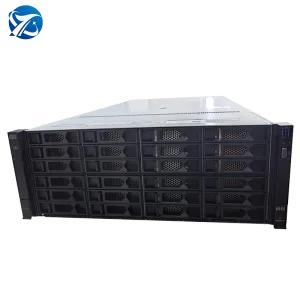
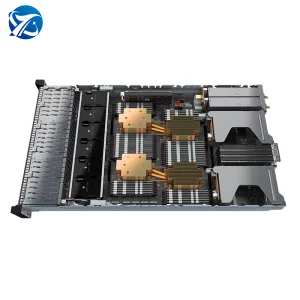
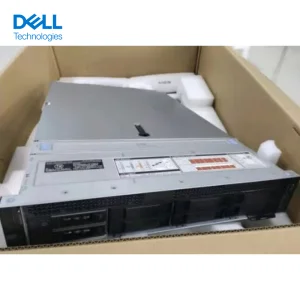
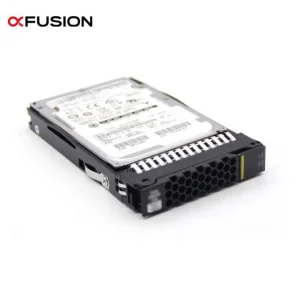
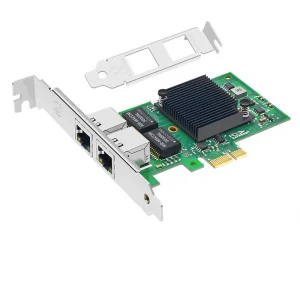
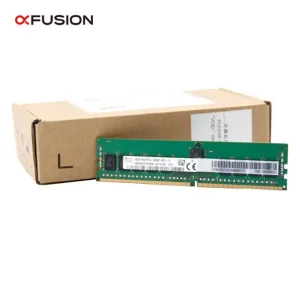
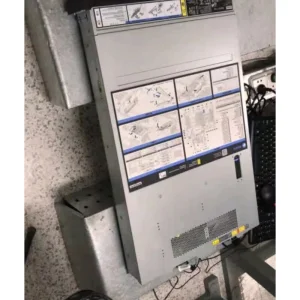
Today's hyper-scale data centers demand computing clusters optimized for highly specialized workflows, primarily driven by LLMs (Large Language Models), big data analytics, and real-time inference tasks. Industrial standards have evolved beyond generic rack units. The integration of high-bandwidth memory protocols, ultra-low-latency network interconnects, and intelligent power distribution units (PDUs) has become the baseline. Companies transitioning into generative AI modeling require enterprise servers that deliver extreme compute density, power efficiency, and physical hardware resilience.
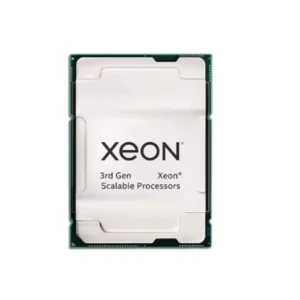
As global computational requirements expand, infrastructure decision-makers face challenges such as thermal mitigation, interconnect bottleneck reduction, and high capital expenditure (CAPEX) on memory arrays. The commercial landscape relies on systems integrating modular computing components like Intel Xeon 6th Generation platforms, dynamic ECC DDR5 RAM modules operating at up to 6400MT/s, and reliable SAS3808iMR controller architectures. In this context, sourcing from an integrated, QA-certified manufacturer becomes critical to maintaining high availability and structural system uptime.
Integration of multi-socket Xeon frameworks with modern GPU architectures (supporting DeepSeek, Llama, and complex tensor math structures) to maximize FLOPs per rack unit.
Leveraging high-frequency SAS/SATA RAID controllers (e.g., LSI 9560-16i 8GB) and PCIe 4.0/5.0 interfaces to resolve storage-to-CPU bottle-necks in AI inference engines.
Employing multi-heat-pipe copper sinks and server chassis with optimized airflow channels to keep high TDP components cool during prolonged, high-duty workloads.
The Industrial Backbone of Global High-Performance Computing and customized AI server hardware infrastructure.
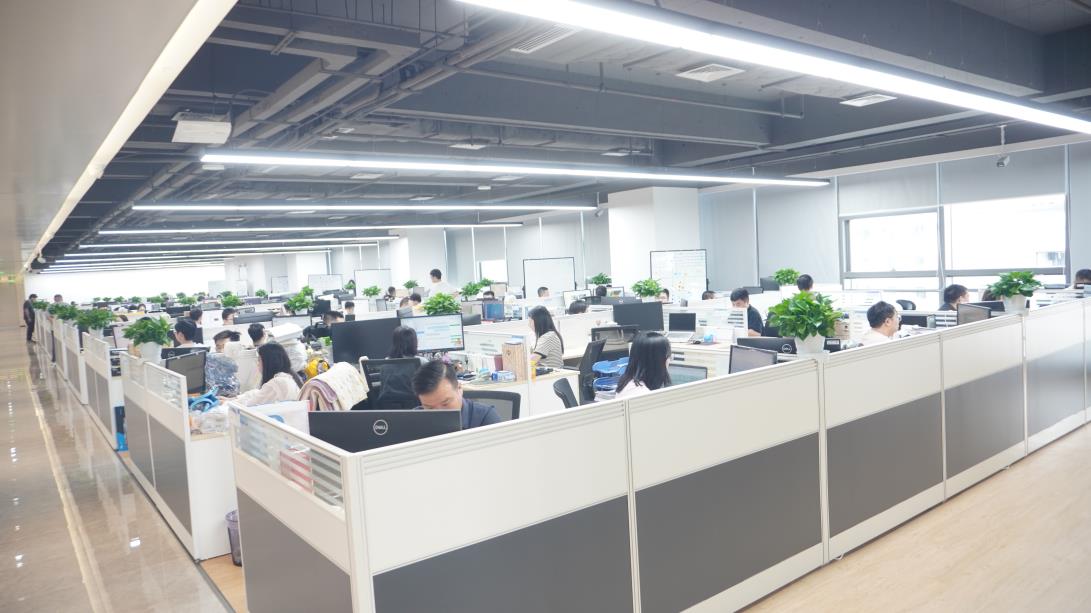
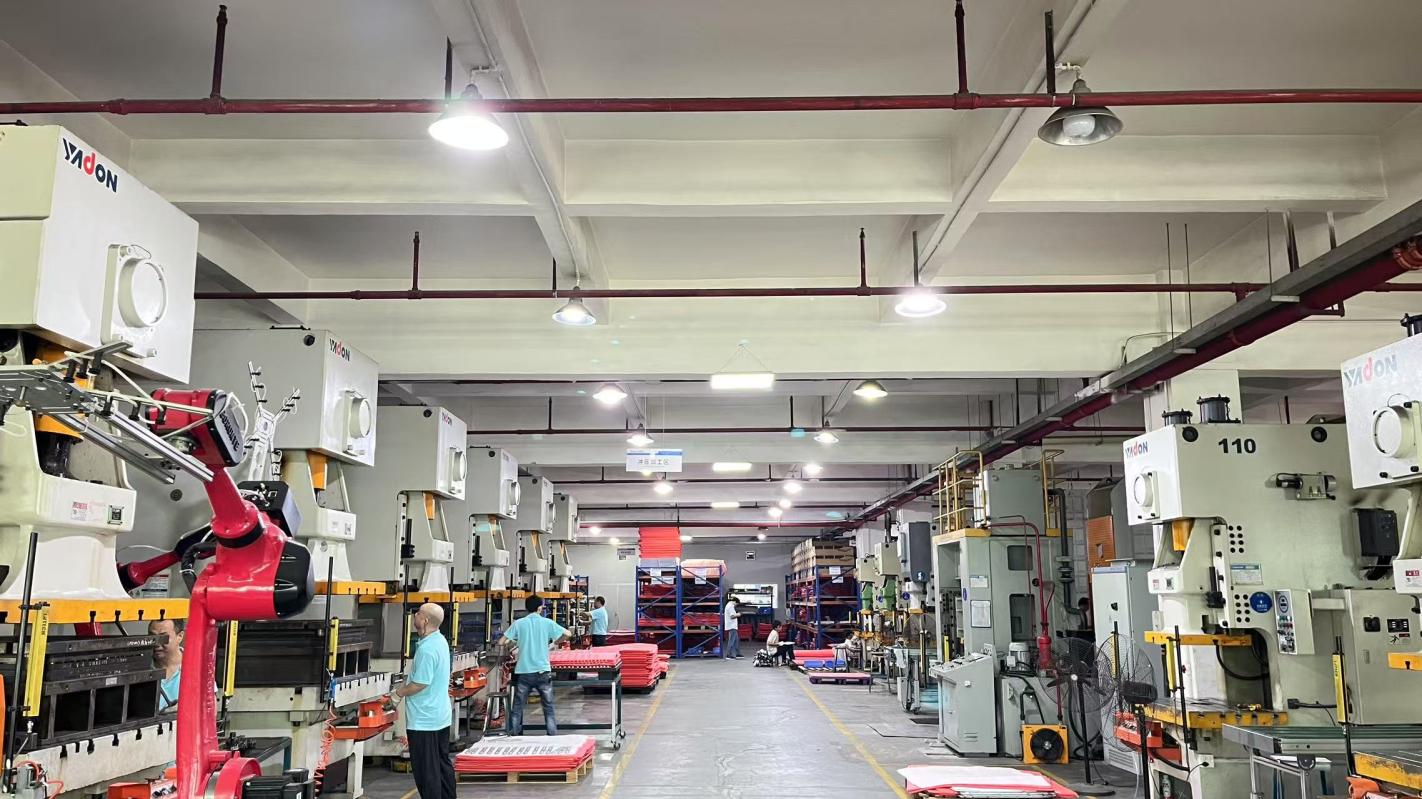
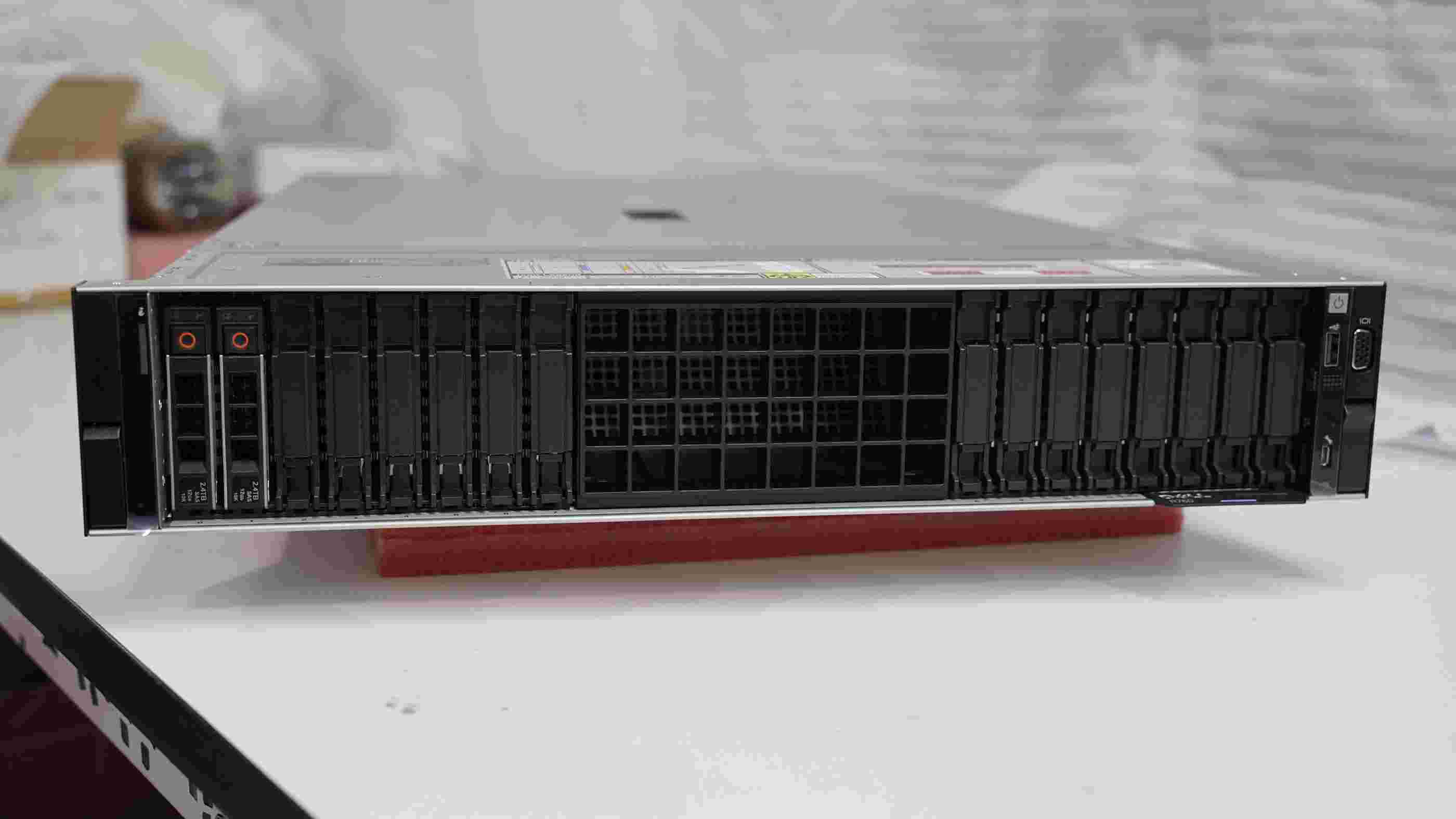
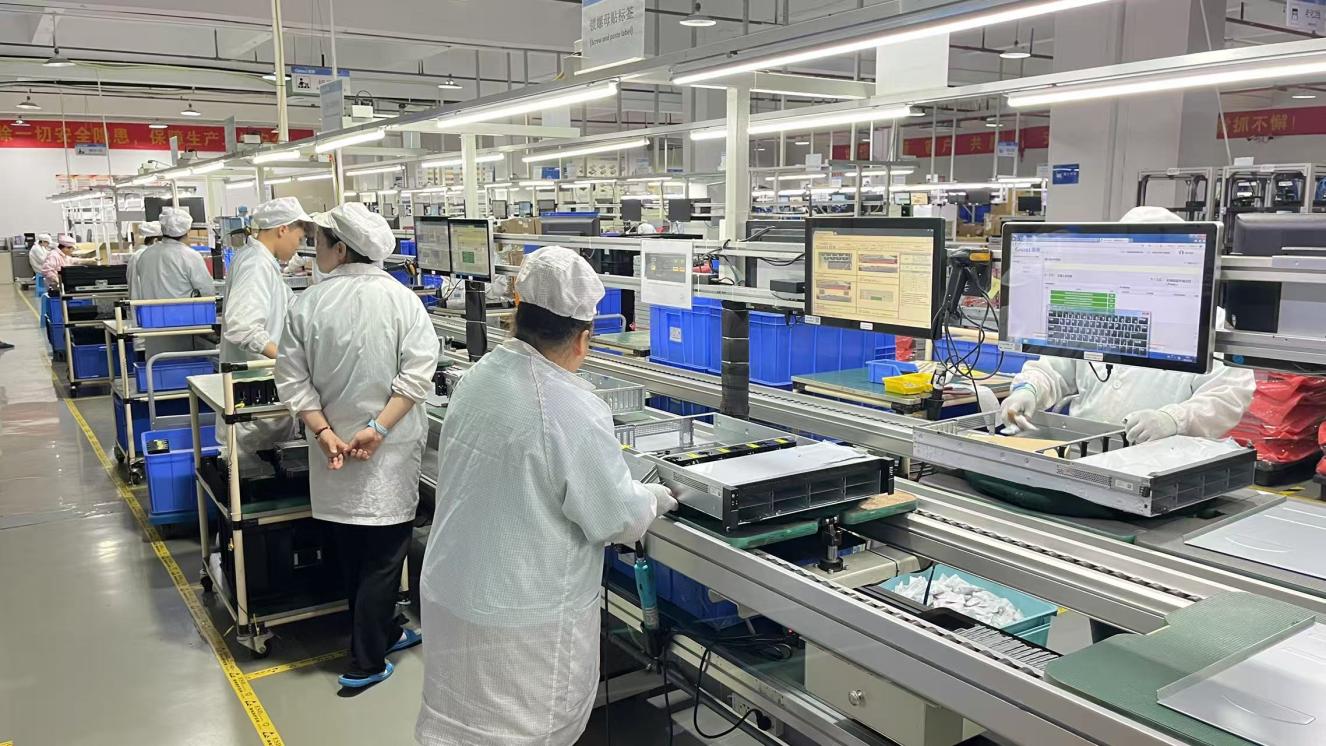
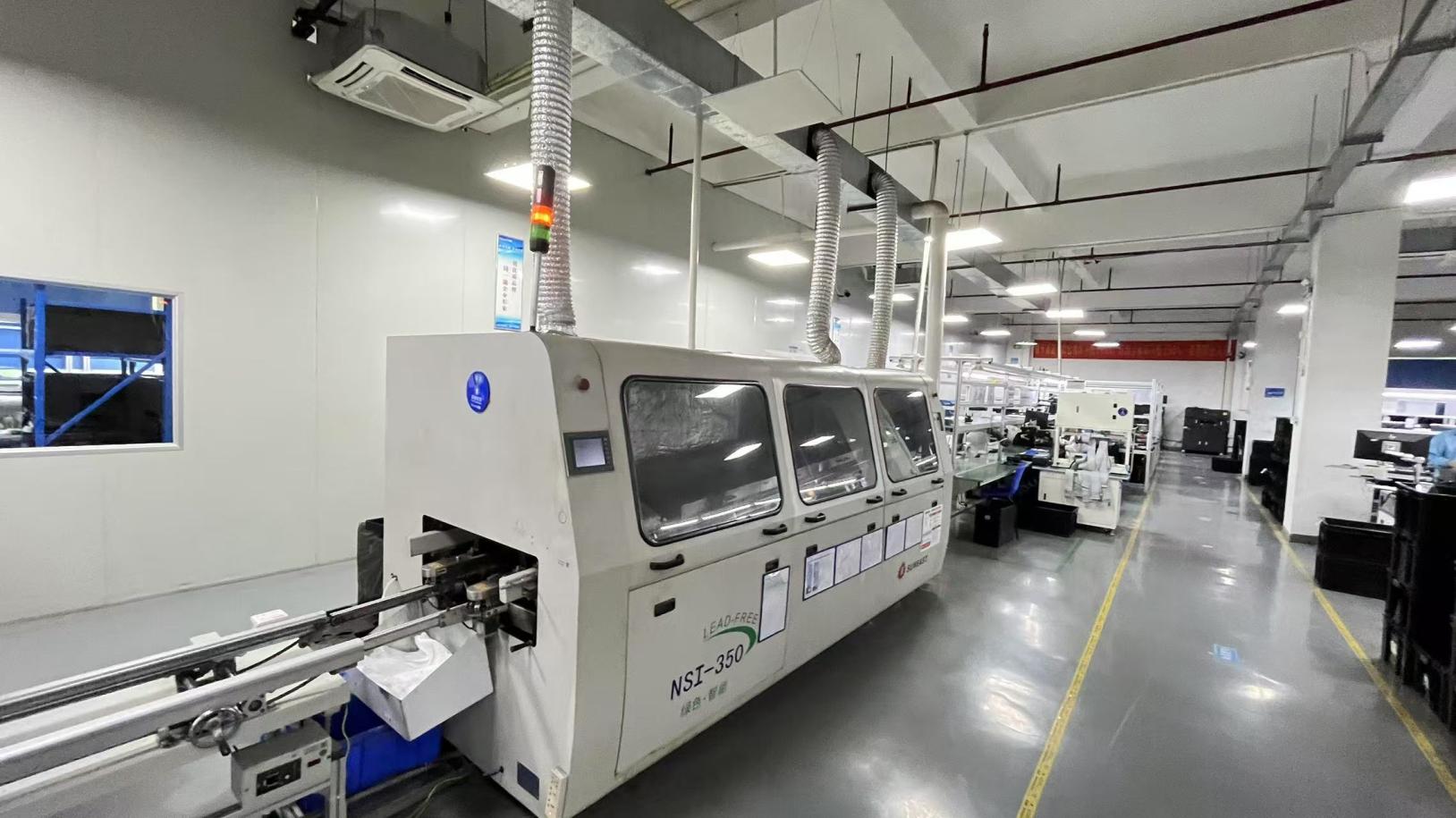
Founded in 2017, NexGPU Intelligent Computing Technology Co., Ltd. is a professional manufacturer specializing in GPU servers, AI computing infrastructure, high-performance computing (HPC) systems, and customized server solutions for global customers. Headquartered in Shenzhen, China, the company operates a modern manufacturing facility covering over 380 square meters, equipped with advanced assembly, testing, and quality control systems.
With more than 9 years of industry experience and 7 years of export experience, NexGPU has established itself as a trusted supplier for enterprises, cloud service providers, research institutions, AI startups, data centers, and system integrators worldwide. Our annual export revenue exceeds USD 18 million, serving customers across North America, Europe, Southeast Asia, the Middle East, and Oceania.
NexGPU maintains strict quality management standards throughout the production process. Every product undergoes comprehensive reliability testing, performance verification, burn-in testing, compatibility validation, and final inspection before shipment. Our dedicated quality control team consists of over 45 experienced inspectors, ensuring consistent product quality and reliability.
Supported by a strong global supply chain network of more than 1,200 strategic partners, NexGPU can efficiently source premium components and deliver flexible manufacturing solutions to meet diverse customer requirements. We offer extensive OEM and ODM services, including hardware configuration customization, chassis branding, firmware optimization, rack integration, and AI infrastructure deployment solutions.
Innovation is at the core of our business. Our R&D department includes over 120 engineers specializing in server architecture, thermal management, AI computing optimization, and system integration. Each year, NexGPU launches more than 80 new products and solution upgrades to address the rapidly evolving demands of artificial intelligence, machine learning, cloud computing, and enterprise data processing.
How regional operators utilize optimized hardware components to address unique local workload demands.
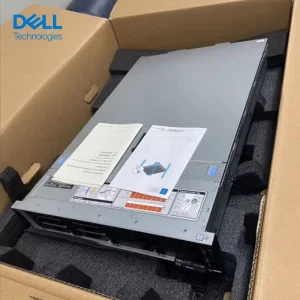
Municipal networks in Europe integrate space-constrained rack systems, such as 1U rackmount options like the HPE ProLiant DL360 Gen12 or Dell PowerEdge R650. Sourcing components with strict CE requirements and high thermal reliability ensures seamless local processing for public transport schedules, security imaging pipelines, and IoT grid management.
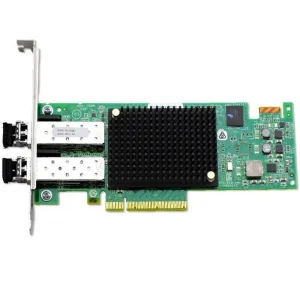
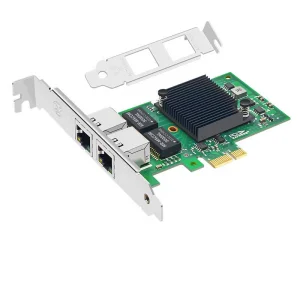
Trading centers in New York and Chicago require low-latency HBA cards and array cache controller upgrades (such as LSI 9560 series and Emulex 32Gb/s FC interfaces) for direct-attach high-speed storage access. Achieving sub-millisecond execution speeds requires dedicated, high-clock-speed hardware architecture configurations tested for high-volume transactions.
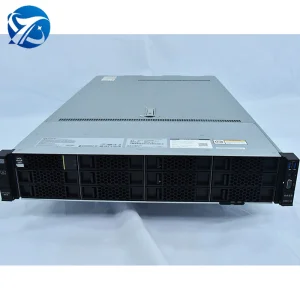
Expanding regional e-commerce storage demands high-capacity read-intensive solid-state drives (SSDs) and high-density NAS systems (e.g., xFusion High-Performance NAS with 256GB RAM support). The configuration ensures zero packet loss for unstructured databases under intense traffic spikes.
Anticipating next-generation high-density compute paradigms, green data center footprints, and transition paths.
The hardware ecosystem is transitioning from legacy PCIe 4.0 infrastructures to PCIe 5.0 and upcoming PCIe 6.0 architectures. These interfaces double bandwidth limits, enabling next-generation GPUs to process deep-learning matrices without structural latency bottlenecks. Additionally, CXL (Compute Express Link) protocols will enable memory pooling across compute blocks, allowing servers to scale memory resources dynamically based on application demands.
| Technology / Standard | Current Paradigm (PCIe 4.0/5.0) | Next-Gen Horizon (PCIe 6.0 / CXL 3.0) | Key Architectural Advantages |
|---|---|---|---|
| Memory Interfaces | DDR5 RDIMM up to 5600 MT/s | DDR5/LPDDR6 up to 8400+ MT/s | Substantially higher bandwidth, ECC correction efficiency |
| Network Interconnects | SFP28 / QSFP+ 10G/40G Links | OSFP 800G / 1.6T Co-packaged Optics | Ultra-low insertion loss, reduced latency for GPU grids |
| Cooling Topologies | Air cooling, standard 2U heat pipe sinks | Direct-to-chip & Full Immersion Liquid Loops | PUE reduction to <1.15, supports TDP over 500W per chip |
| Storage Bus Architecture | SATA 6Gb/s & PCIe 4.0 NVMe | PCIe 5.0 / 6.0 CXL Shared Memory Arrays | Near-zero latency lookup overhead, instant cache reloads |
As environmental standards tighten globally, data centers must optimize their Power Usage Effectiveness (PUE). Selecting server components designed for high-temperature tolerance—such as 2U heat-pipe systems with optimized thermal interfaces—allows facilities to raise ambient operating points, significantly lowering cooling costs. Custom configurations utilizing energy-efficient memory systems (like 1.1V DDR5 RDIMMs) play an essential role in lowering the power consumption of dense compute arrays.
Direct procurement benefits, localized component clustering, and global logistical continuity.
Operating from Shenzhen, the global capital of high-tech manufacturing, NexGPU leverages localized supplier networks to source, assemble, test, and ship complex server configurations faster than regional distributors. With an ecosystem of over 1,200 strategic partners, we secure high-performance controllers, memory components, and processors directly from source fabs, minimizing assembly downtime and component procurement delays.
This supply chain structure ensures consistent compliance, pricing stability, and customization agility. Our 45-member quality assurance team conducts rigorous thermal, compatibility, and component stress testing on every unit before shipment, ensuring all products meet strict global data center reliability standards.


Ensuring hardware integrations align with regional regulatory standards and support SLAs.
Deploying server hardware globally requires strict adherence to international electrical, safety, and performance standards. NexGPU ensures all custom hardware builds align with regional certifications, including CE, FCC, RoHS, and UL guidelines. This compliance framework ensures seamless integration into enterprise data center racks without risk of electrical faults or regulatory non-compliance.
Every server model undergoes safety validation, checking insulation limits, leakages, and EM wave interferences under peak operations.
We provide BIOS custom configurations, custom power limit tables, and secure boot profiles designed to meet corporate security requirements.
Leveraging customs clearance pipelines globally, all server configurations ship with structured customs codes and compliance documents, preventing delivery bottlenecks.
Get answers to critical integration, component compatibility, and maintenance questions.
DDR5 RDIMM memory modules feature on-die Error Correcting Code (ECC) technology that detects and corrects single-bit errors in real-time. This mechanism prevents system crashes and data corruption during long-running model training or database operations. Operating at lower voltages (1.1V vs DDR4's 1.2V), DDR5 ECC modules also reduce thermal output and power consumption in high-density server environments.
Hardware RAID controllers like the LSI 9560-16i feature a dedicated processor and onboard cache (up to 8GB) to handle parity calculations and data mapping. This design offloads storage operations from the host CPU, ensuring consistent server application performance. Onboard cache also speeds up write operations and protects data during sudden power failures via optional cache protection modules.
2U heat pipe heat sinks utilize phase-change liquid-vapor dynamics inside sealed copper pipes to transfer heat away from the processor to high-density aluminum fin arrays. When combined with high-airflow chassis fans, this passive cooling design handles high thermal design power (TDP) without requiring liquid cooling lines, ensuring server reliability under heavy computing loads.
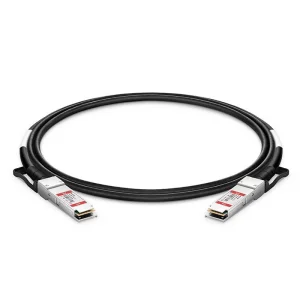
For short-distance connections (up to 7 meters inside a rack), 10G/40G QSFP+ direct-attach copper cables (DACs) are highly cost-effective and energy-efficient. They require no optical transceivers, reducing connection latency and power consumption. For longer runs across rows or facilities, optical fibers with SFP transceivers are preferred to avoid electromagnetic interference and signal degradation.
NexGPU offers customization services across hardware, software, and physical components. This includes custom chassis designs with branded bezels, customized PCIe card configurations, specific firmware and BIOS defaults, secure boot settings, and custom-packaged rack solutions. Clients can work directly with our engineering team to design hardware optimized for their specific application environments.
Select high-speed network interfaces, cache controller upgrades, and high-performance server configurations.