NexGPU
NexGPU
NexGPU
Explore our highly-vetted hardware list engineered for deep learning execution, massive storage deployment, and mission-critical cloud hosting operations.
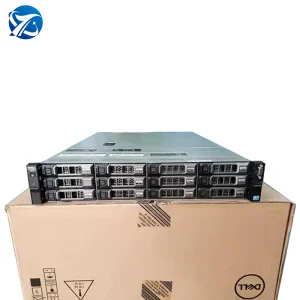
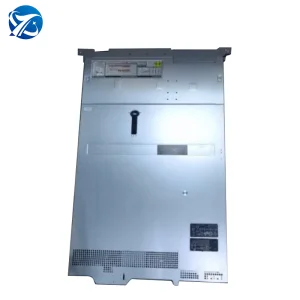
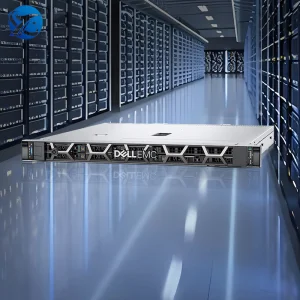
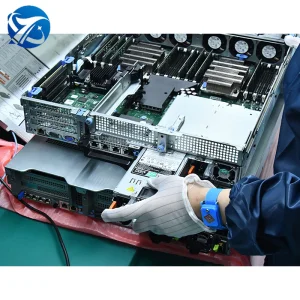
Analyzing architecture milestones, thermal stability profiles, and high-efficiency compute deployments.
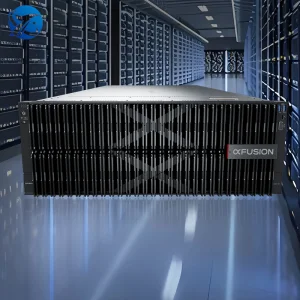
In the competitive landscape of datacenter infrastructure, V5 Hosting Solutions represent a sweet spot of optimized power efficiency, mature firmware ecosystem, and robust multi-socket architectures. While generations like V6 and V7 introduce incremental bandwidth increases via PCIe Gen 5 and DDR5, V5 systems (utilizing Intel Xeon Scalable Gen 1 and Gen 2 processors) remain the global standard for scale-out hosting node topologies, dedicated virtualization hypervisors, and storage area networks (SAN).
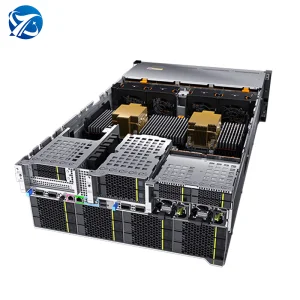
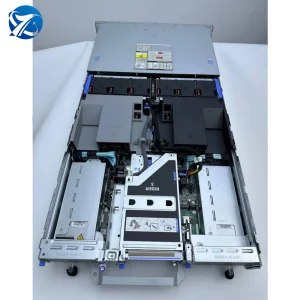
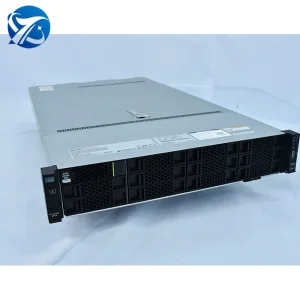
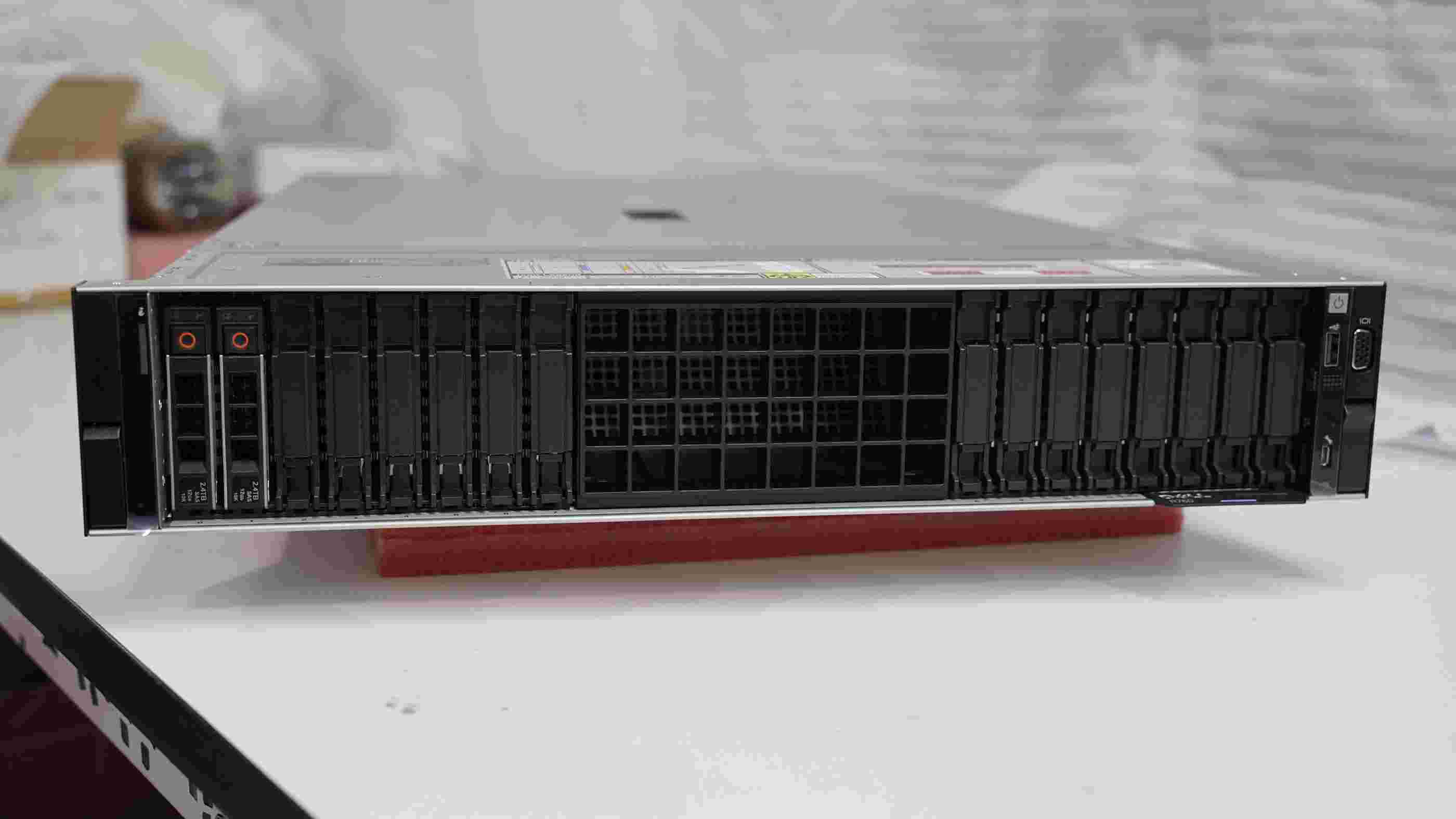
Selecting a V5 hosting chassis or enterprise server (such as the FusionServer 2288H V5 or its dual-socket rack equivalents) ensures that system integrators and enterprises receive field-tested reliability. The architecture handles massive database arrays and VM densities without thermal throttling, maintaining a predictable Total Cost of Ownership (TCO).
To assist procurement officers in making data-driven infrastructure decisions, our engineering team has mapped out the performance traits across subsequent server generations. This matrix highlights why V5 remains highly relevant for target hosting scenarios:
| Generation Profile | Processor Support | Memory Architecture | PCIe Standard & Lanes | Target Hosting Workloads |
|---|---|---|---|---|
| V5 Architecture (e.g. 2288H V5) | Intel Xeon Scalable 1st/2nd Gen | DDR4 (up to 2933 MT/s) | PCIe 3.0 (up to 48 lanes) | Web Hosting, NAS Storage, Virtualization Nodes |
| V6 Architecture (e.g. 2288H V6) | Intel Xeon Scalable 3rd Gen | DDR4 (up to 3200 MT/s) | PCIe 4.0 (up to 64 lanes) | Hybrid Cloud Compute, AI Inference, High-density SQL |
| V7 Architecture (e.g. 5885H V7) | Intel Xeon Scalable 4th/5th Gen | DDR5 (up to 4800+ MT/s) | PCIe 5.0 (up to 80 lanes) | Large Language Model (LLM) Training, HPC Clusters |
How NexGPU leverages the Shenzhen electronics supply chain to optimize server deployment and configuration flexibility.
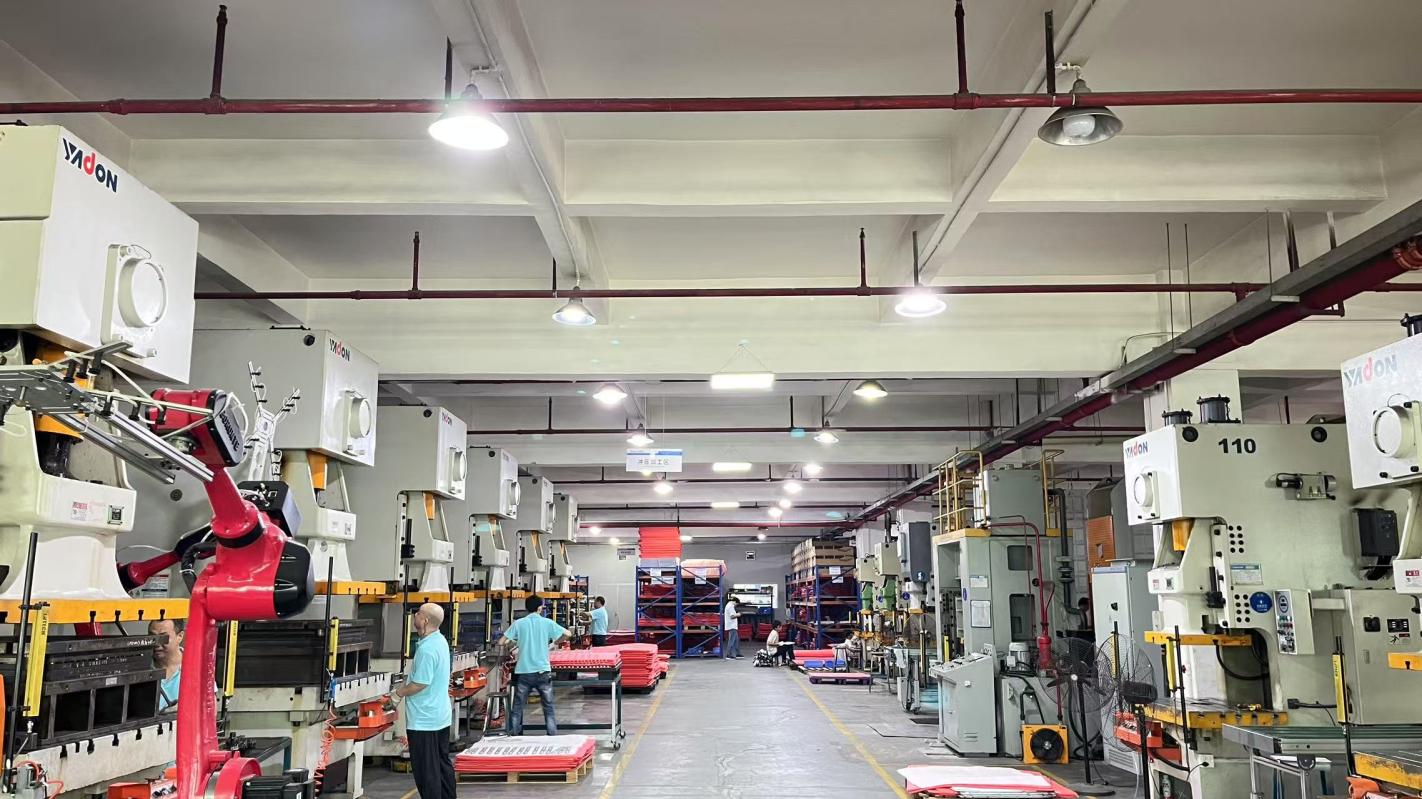
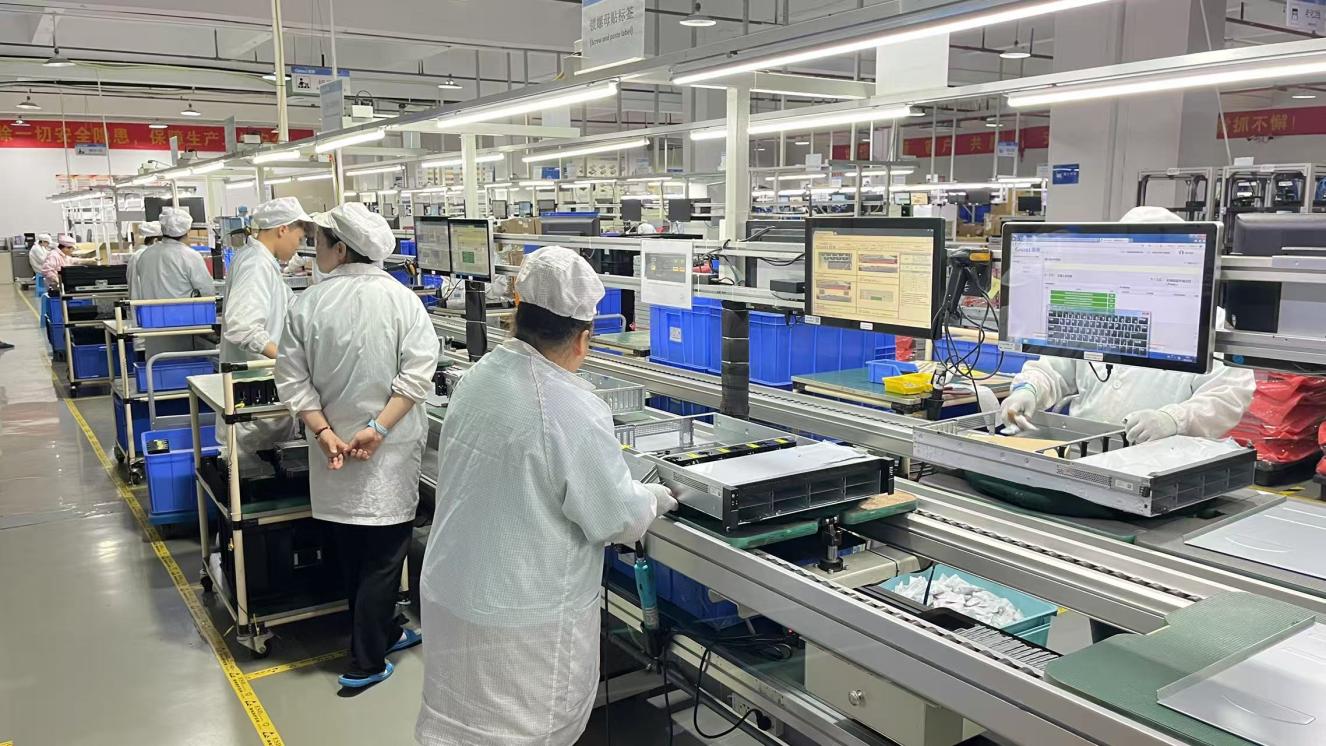
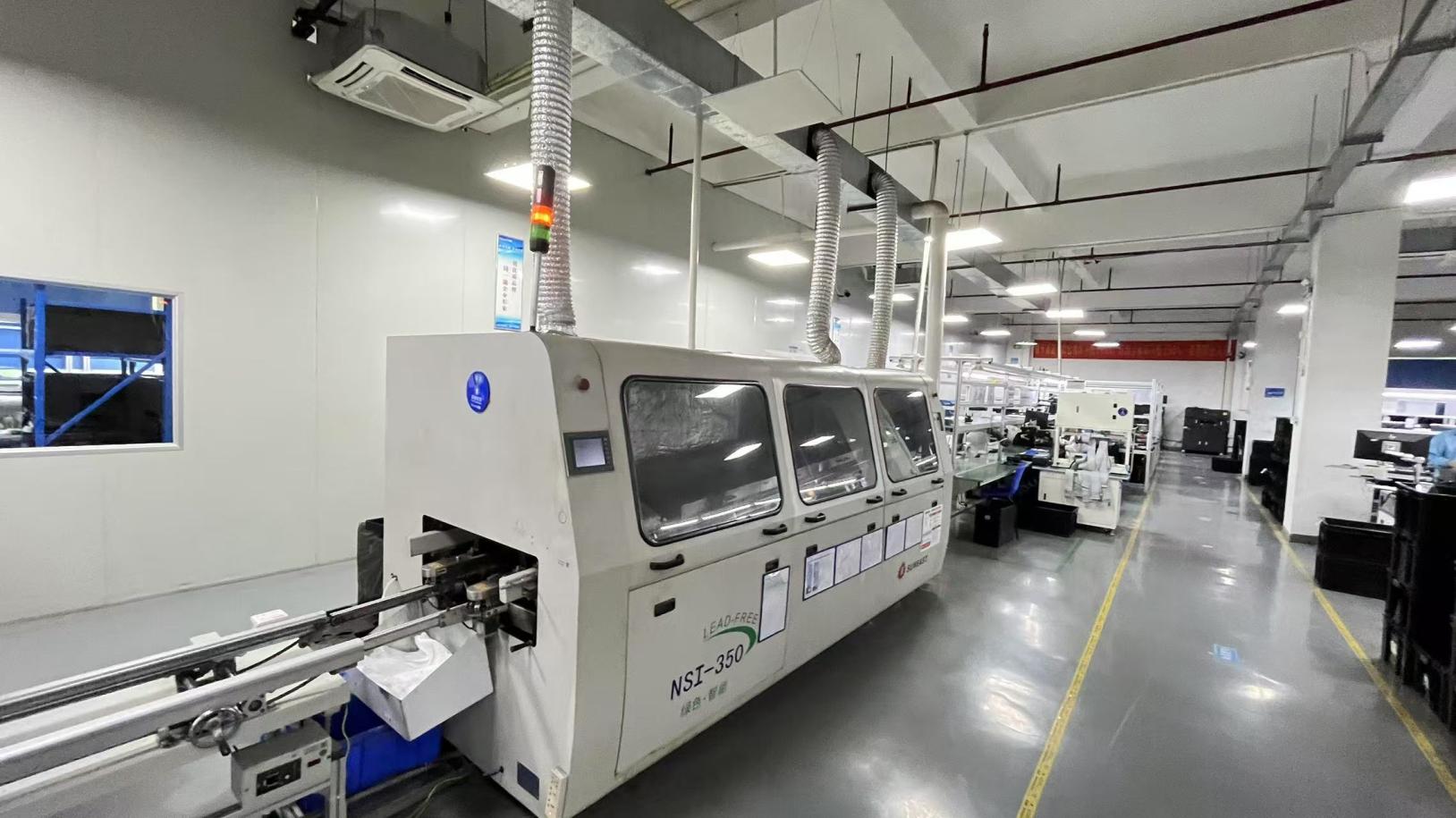
Operating a modernized manufacturing facility in Shenzhen, NexGPU utilizes immediate access to component assemblies, high-quality PCBs, and aluminum alloys. Our network of over 1,200 strategic partners ensures quick sourcing of chassis, power distribution units, and high-frequency connectors.
Our R&D division includes over 120 server engineers specializing in chassis airflow, high-density backplane designs, and custom firmware validation. From custom branding of bezel rails to complex multi-node architecture design, we adapt system configurations to client specifications.
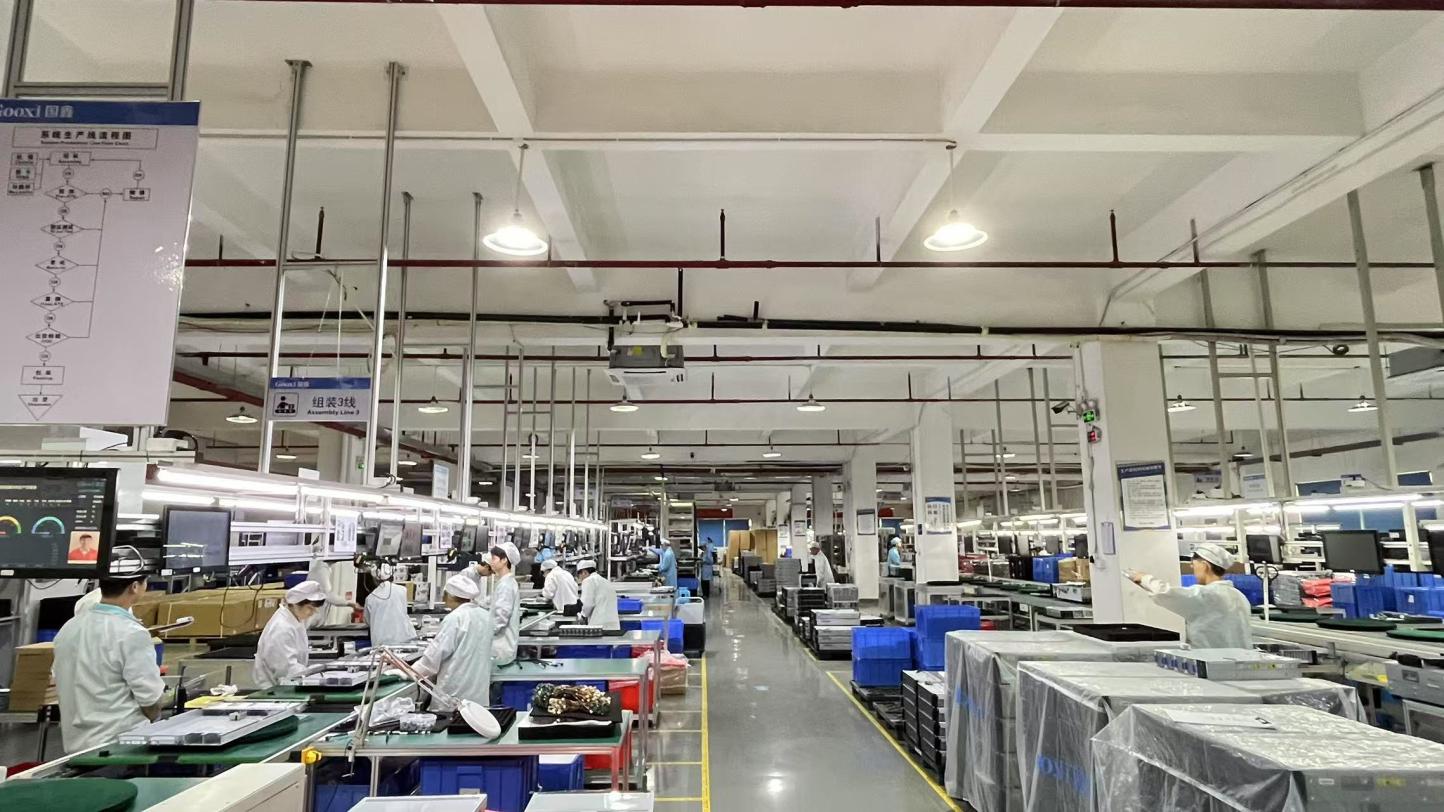
To support global reliability, our QC framework uses over 45 inspectors. Every rack server undergoes burn-in stress runs, thermal chamber cycling, and RAM/PCIe lane checking to guarantee 24/7 uptime prior to custom crating and international export.
Unlike small trading companies, NexGPU executes a strict inspection protocol across all hardware classes. Our testing includes:
How modern hosting environments deploy V5 and next-gen server nodes for edge networks and compute arrays.
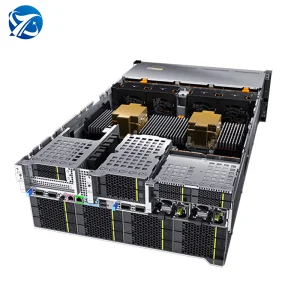
The growth of local Large Language Model (LLM) fine-tuning has altered the demands of standard hosting nodes. Dedicated servers must now host multi-GPU arrays while maintaining low latencies. Hybrid structures that combine V5 CPU hosting clusters with specialized GPU accelerators (such as the FusionServer 5288 V6 configured with cooling and GPU storage bays) provide a balanced platform. Here, standard hosting handles management traffic while dedicated GPUs manage deep-learning vector databases.
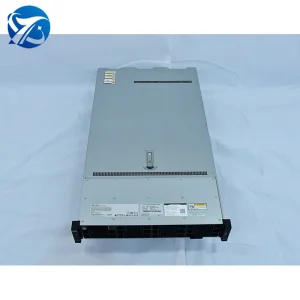
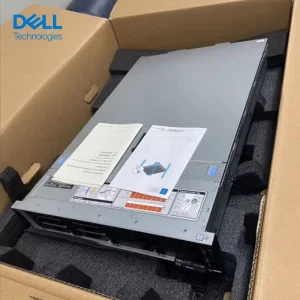
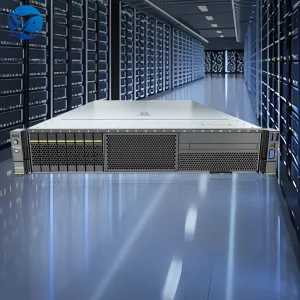
Global enterprise applications are shifting from central datacenters to regional nodes. This setup utilizes 1U and 2U rack servers, like the Dell PowerEdge R660xs and xFusion 2288H V6, installed close to regional hubs. This setup reduces latency, assists with local data sovereignty compliance, and maintains application availability if primary connections are interrupted.
Different sectors deploy distinct hardware configurations based on their operational profiles. Our deployment teams have implemented customized server packages across key markets:
Addressing the strict hardware compliance, localization, and support needs of enterprise IT procurers.
International sourcing of rack-mount servers requires alignment on hardware certification, power input variations, and logistics. Our system integration services verify compatibility with global standards, including:
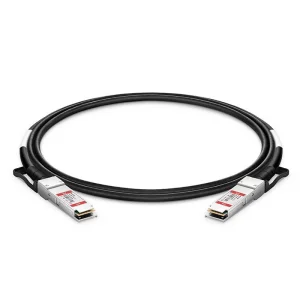
NexGPU manages localization variations by offering configured 110V/220V power solutions, custom high-speed network connections, and direct-attach copper cables (such as QSFP+ 10G/40G cables). This ensures that every unit integrates directly into client cabinets upon arrival.
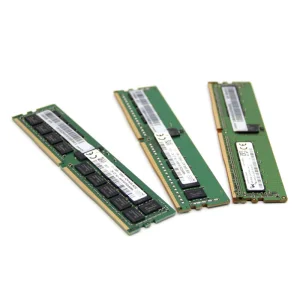
Examine the second tier of our hardware selection, focusing on multi-bay layouts, memory units, and components.
Founded in 2017, NexGPU is a professional manufacturer specializing in GPU servers, AI computing infrastructure, high-performance computing (HPC) systems, and customized server solutions.
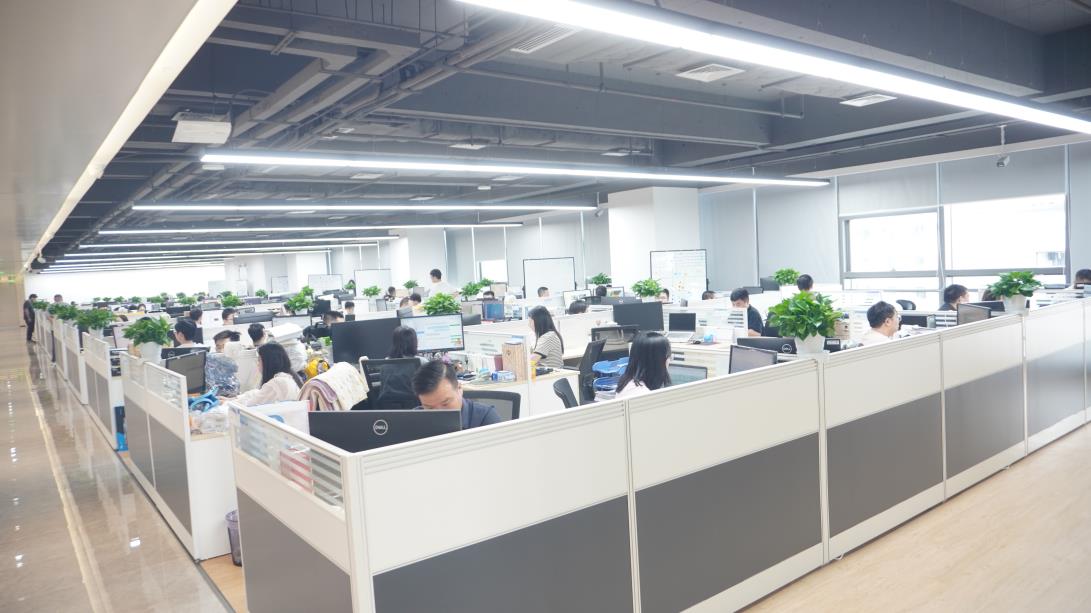
Headquartered in the technological hub of Shenzhen, China, NexGPU operates a modern manufacturing facility covering over 380 square meters, equipped with advanced assembly, testing, and quality control systems. With more than 9 years of industry experience and 7 years of export experience, we have established ourselves as a trusted supplier for enterprises, cloud service providers, research institutions, AI startups, data centers, and system integrators worldwide.
Our annual export revenue exceeds USD 18 million, serving customers across North America, Europe, Southeast Asia, the Middle East, and Oceania. Supported by a strong global supply chain network of more than 1,200 strategic partners, NexGPU efficiently sources premium components and delivers flexible manufacturing solutions to meet diverse customer requirements. We offer extensive OEM and ODM services, including hardware configuration customization, chassis branding, firmware optimization, rack integration, and AI infrastructure deployment solutions.
Innovation is at the core of our business. Our R&D department includes over 120 engineers specializing in server architecture, thermal management, AI computing optimization, and system integration. Each year, NexGPU launches more than 80 new products and solution upgrades to address the rapidly evolving demands of artificial intelligence, machine learning, cloud computing, and enterprise data processing. Driven by a commitment to performance, reliability, and customer success, NexGPU continues to provide cutting-edge GPU server solutions that empower organizations to accelerate innovation and achieve their digital transformation goals.
A tour of our manufacturing facility, testing floor, and QA burn-in zones in Shenzhen.

Common technical, configuration, and shipping questions answered by NexGPU's engineering team.