NexGPU
NexGPU
NexGPU
Explore our high-performance hardware configurations optimized for server virtualization, virtual GPU scaling, and cloud host infrastructure.
A Technical Overview of Virtual Desktop Delivery and Hardware-Level Co-dependency
Virtual Desktop Infrastructure (VDI) has evolved from a basic centralized desktop hosting system into a highly integrated ecosystem powering modern remote working frameworks. Today, enterprises demand instantaneous application responsiveness, low latency streaming, secure endpoints, and rich graphical environments. Achieving this level of reliability requires robust back-end server arrays designed specifically to sustain dense multi-tenancy virtualization.
As organizations migrate memory-intensive tasks, 3D CAD modeling, software engineering environments, and analytical systems to private cloud models, the quality of underlying compute nodes acts as the foundational bottleneck. A top-tier VDI platform requires physical servers capable of balancing massive raw CPU capabilities, dedicated virtualization-ready RAM, ultra-fast storage access, and dynamic GPU virtualization (vGPU) capabilities.
NexGPU Intelligent Computing Technology Co., Ltd. addresses this industrial demand by designing and manufacturing top-tier enterprise systems. Founded in 2017 in Shenzhen, China, we combine extensive technical specialization with robust raw manufacturing capacity to deliver VDI host servers, AI processors, and custom data center computing equipment to global buyers.
A trusted global manufacturer supplying high-performance AI infrastructure and server solutions.
Headquartered in Shenzhen, China, NexGPU operates a modern manufacturing facility covering over 380 square meters. Every component is subjected to extensive reliability, compatibility, and performance checks by our team of 45+ specialized quality inspectors, backed by a global logistics network of 1,200+ partners.
What global procurement officers and CTOs require when selecting VDI and GPU cluster manufacturers.
Global operations require specialized chassis labeling, tailored UEFI configurations, specific interface ports, and custom pre-configured virtualization stacks. NexGPU provides deep firmware optimization and rack-level delivery.
Reliable VDI node exporting demands certifications compliance (CE, FCC, RoHS, UL). All production at NexGPU relies on verifiable material sourcing and extensive burn-in testing to guarantee structural reliability.
Avoiding semiconductor component shortages is key to meeting target release timelines. Utilizing a solid network of over 1,200 component partners, NexGPU guarantees stable deliveries for global client accounts.
A single generic configuration cannot address the entire spectrum of VDI use cases. Enterprise IT architects divide virtualization deployments into distinct workload profiles, each requiring tailored server hardware configurations. NexGPU partners with system integrators to configure and deliver specialized server hardware engineered to optimize specific VDI profiles.
| VDI Workload Profile | Primary Hardware Demands | Recommended Server Core Architecture | Optimal Host Target Specs |
|---|---|---|---|
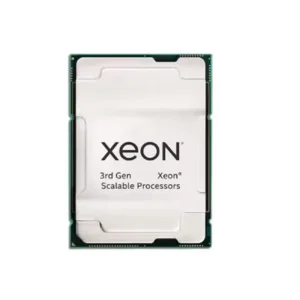
| Knowledge & Task Workers | High density, low per-user CPU and RAM usage, maximum consolidation. | Dual-socket Intel Xeon / AMD EPYC, high core count, large DDR4/DDR5 capacity. | 2x Xeon 4310 processors, 512GB ECC DDR4/DDR5, dual 10GbE networking. |
| Power Users / Developers | High multi-threaded speed, rapid compilation, virtualization-ready SSD pools. | Dual-socket high-frequency CPU configurations, NVMe storage arrays. | 2x Xeon Gold/Silver series, 1TB High-speed RAM, RAID 10 PCIe Gen4 NVMe. |
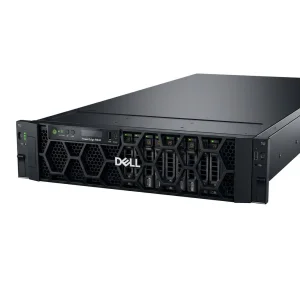
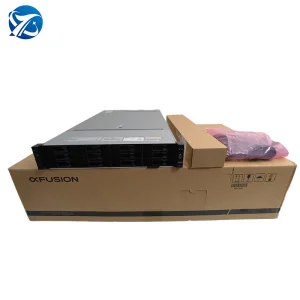
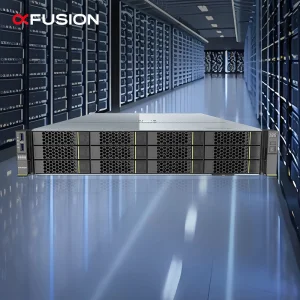
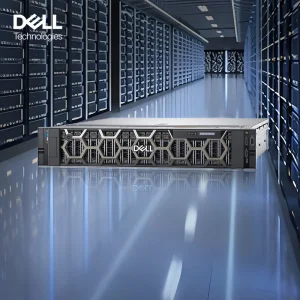
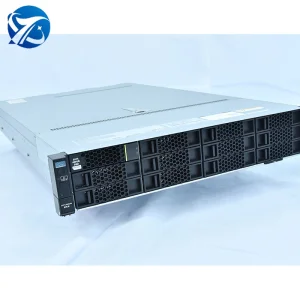
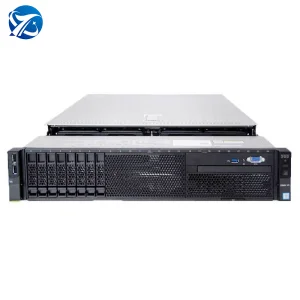
| 3D Modeling & CAD (vGPU) | Dedicated graphics acceleration, hardware rasterization, high vRAM. | 2U Rack Systems with multiple double-wide PCIe slots supporting enterprise GPUs. | FusionServer 2488H V5 / xFusion 2258 V7, NVIDIA vGPU compatible accelerators. |
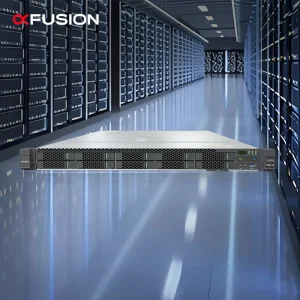
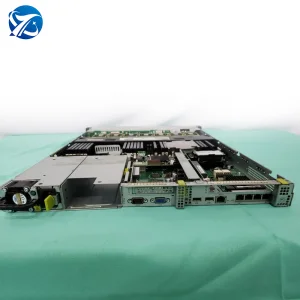
| Edge VDI & Remote Sites | Short chassis depth, reliable thermal cooling, embedded edge management. | 1U compute nodes optimized for space-constrained rack deployment. | PowerEdge R670 or FusionServer 1288H V7, integrated out-of-band management. |
By separating these requirements, enterprise buyers optimize their Total Cost of Ownership (TCO). Investing in over-provisioned GPU server nodes for basic data entry workers waste capital, while under-provisioning processors for software engineering groups leads to productivity bottlenecks and slow compile times.
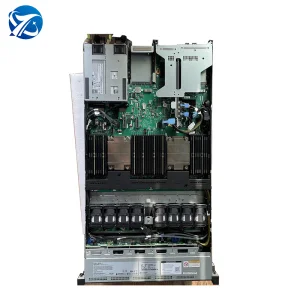
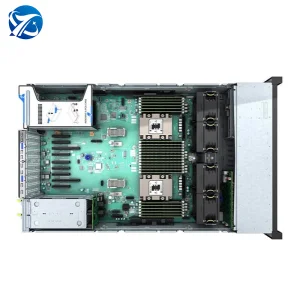
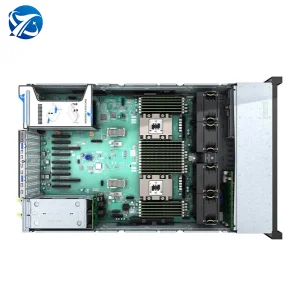
The base of server virtualization is thread availability. Dual-socket processors like the Intel Xeon series allow hypervisors to split hardware threads across hundreds of Virtual Machines (VMs). Modern core allocation plans balance a 4:1 or 5:1 virtual-to-physical CPU (vCPU to pCPU) ratio. For high-density systems, this necessitates server motherboards designed with clean power delivery channels and reliable thermal management systems.
Memory bottlenecks often occur before CPU utilization limits are reached in enterprise virtualization. High-speed ECC RAM modules (DDR4-3200 / DDR5-4800) prevent application slowdowns and host-level memory swapping. Our server chassis configurations maximize memory channel layouts, ensuring that virtual machines run with active error detection and correction (ECC) in mission-critical settings.
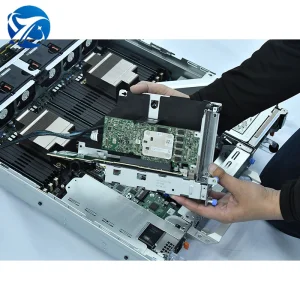
VDI is no longer limited to simple text interfaces. High-resolution multi-monitor setups, video collaboration applications, and AI assistant tools require graphics processing hardware. Systems like the xFusion 2258 V7 and specialized GPU servers are designed with specific PCIe Gen 5 riser configurations to support dual-slot accelerators, allowing hypervisors to partition GPU resources down to the individual user frame-buffers.
How NexGPU guarantees field reliability for imported enterprise infrastructure equipment.
VDI hosting servers operate continuously in enterprise data centers. System failures can lead to immediate downtime for thousands of connected workers. To avoid operational failures, NexGPU implements strict, multi-phase hardware validation processes.
Our dedicated team of 45+ quality control inspectors oversees a multi-point inspection workflow. Each rack server undergoes comprehensive component registration, electrical safety testing, thermal imaging optimization, and full-load burn-in cycles for at least 72 hours.
Furthermore, we collaborate directly with leading virtualization platform providers to validate host drivers and firmware. This ensures that when our servers are integrated on-site, they are recognized by management systems, eliminating deployment delay risks.
A tour of our Shenzhen assembly lines, testing chambers, and dispatch warehouses.
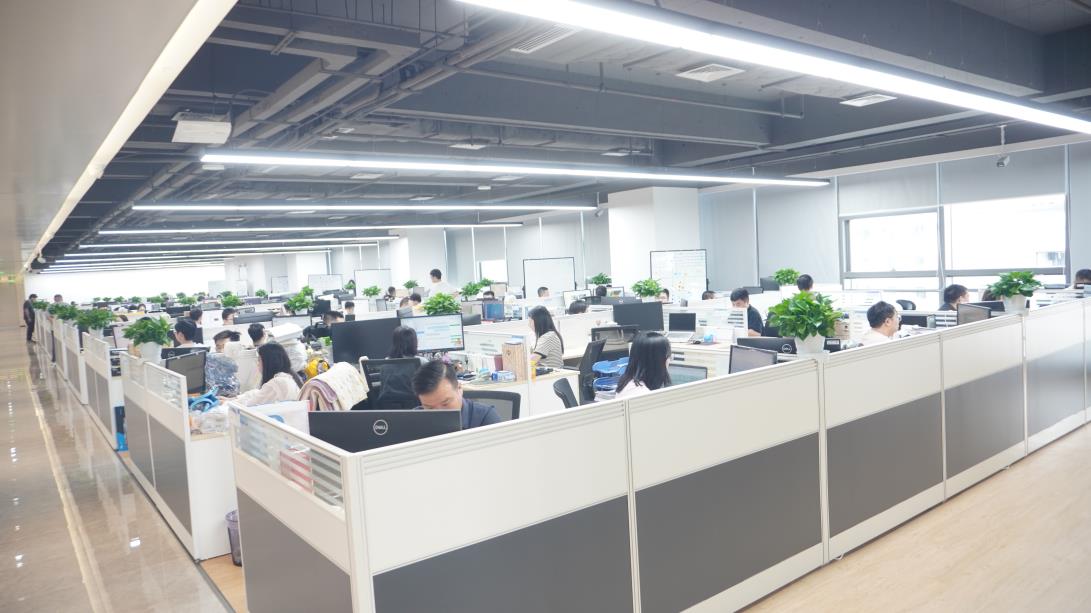
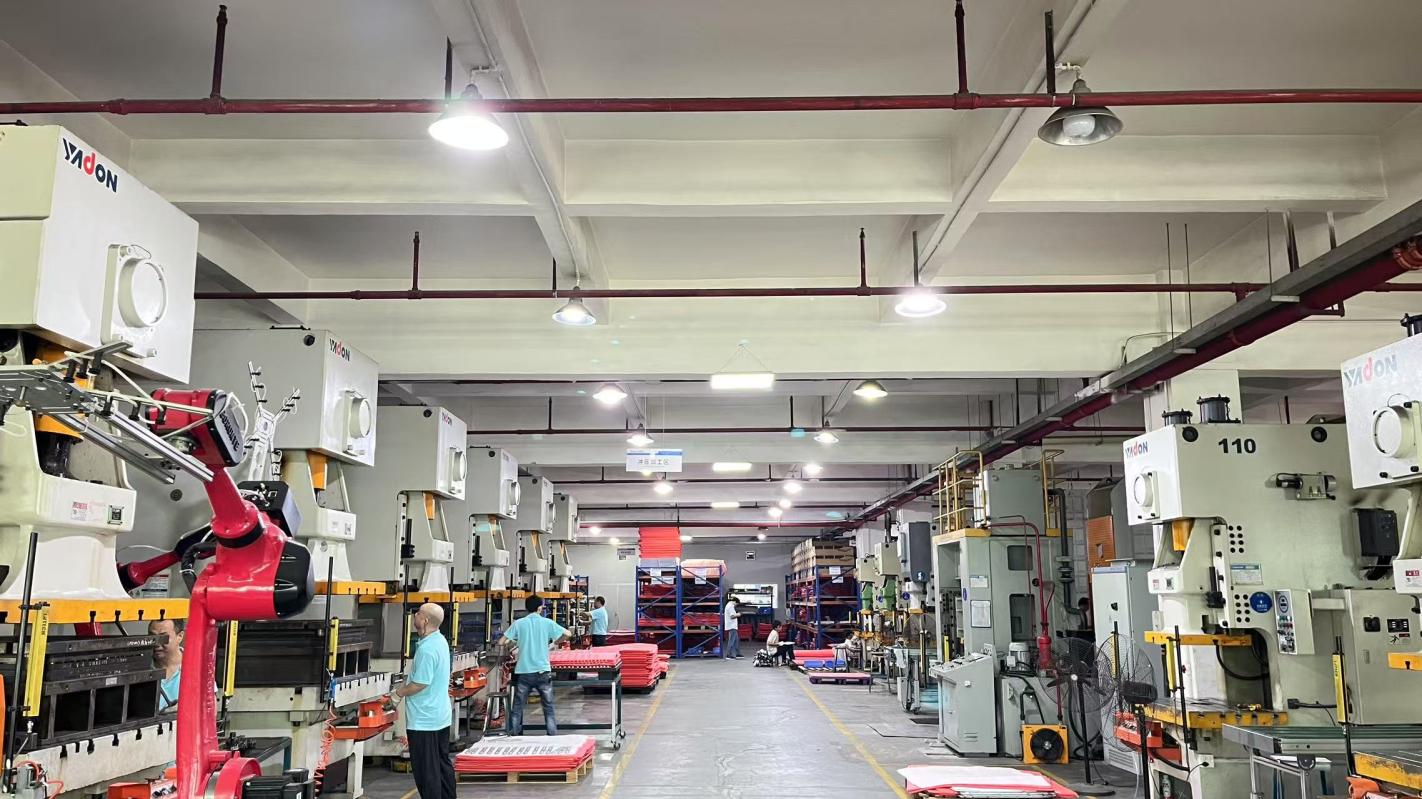
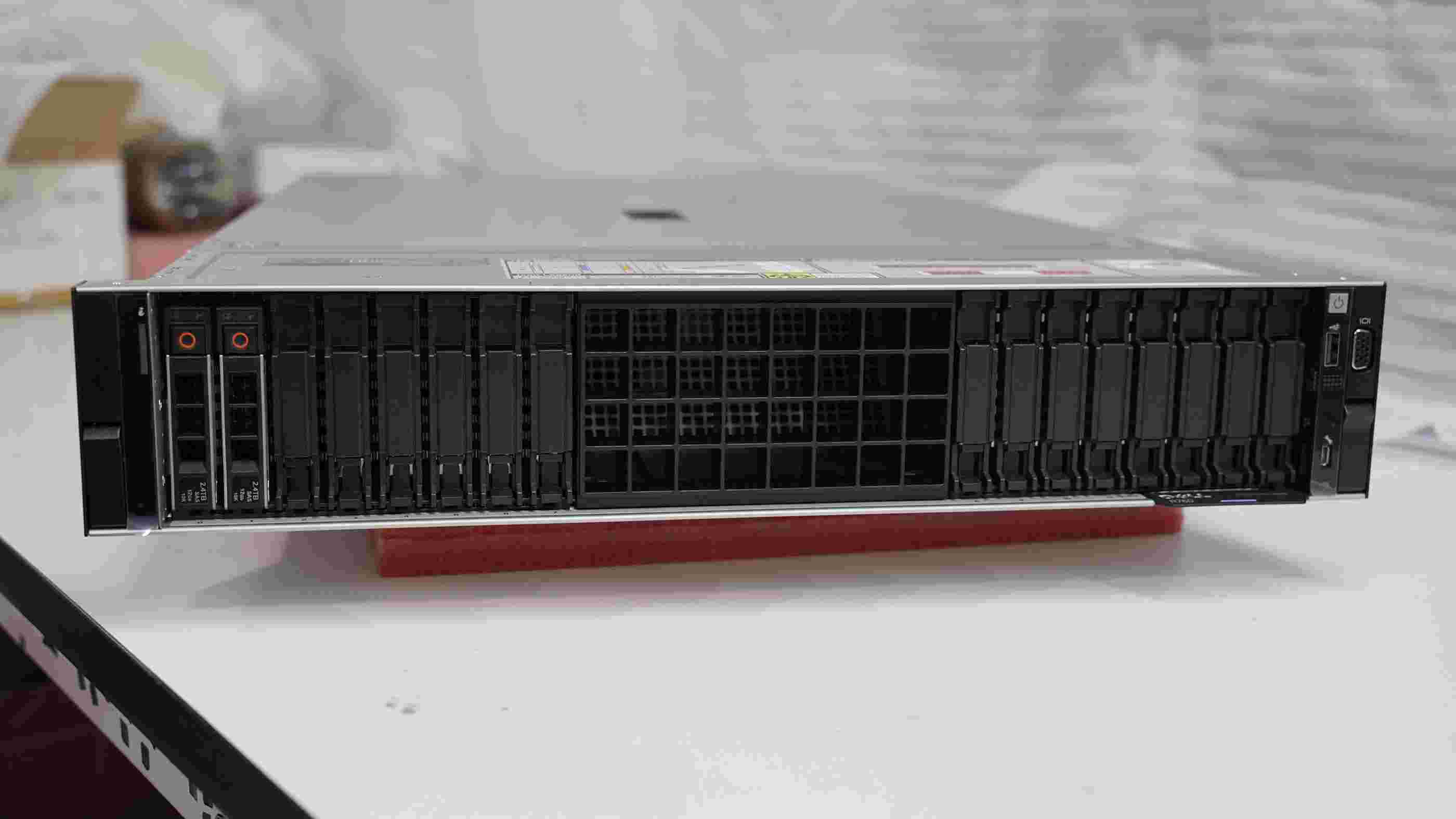
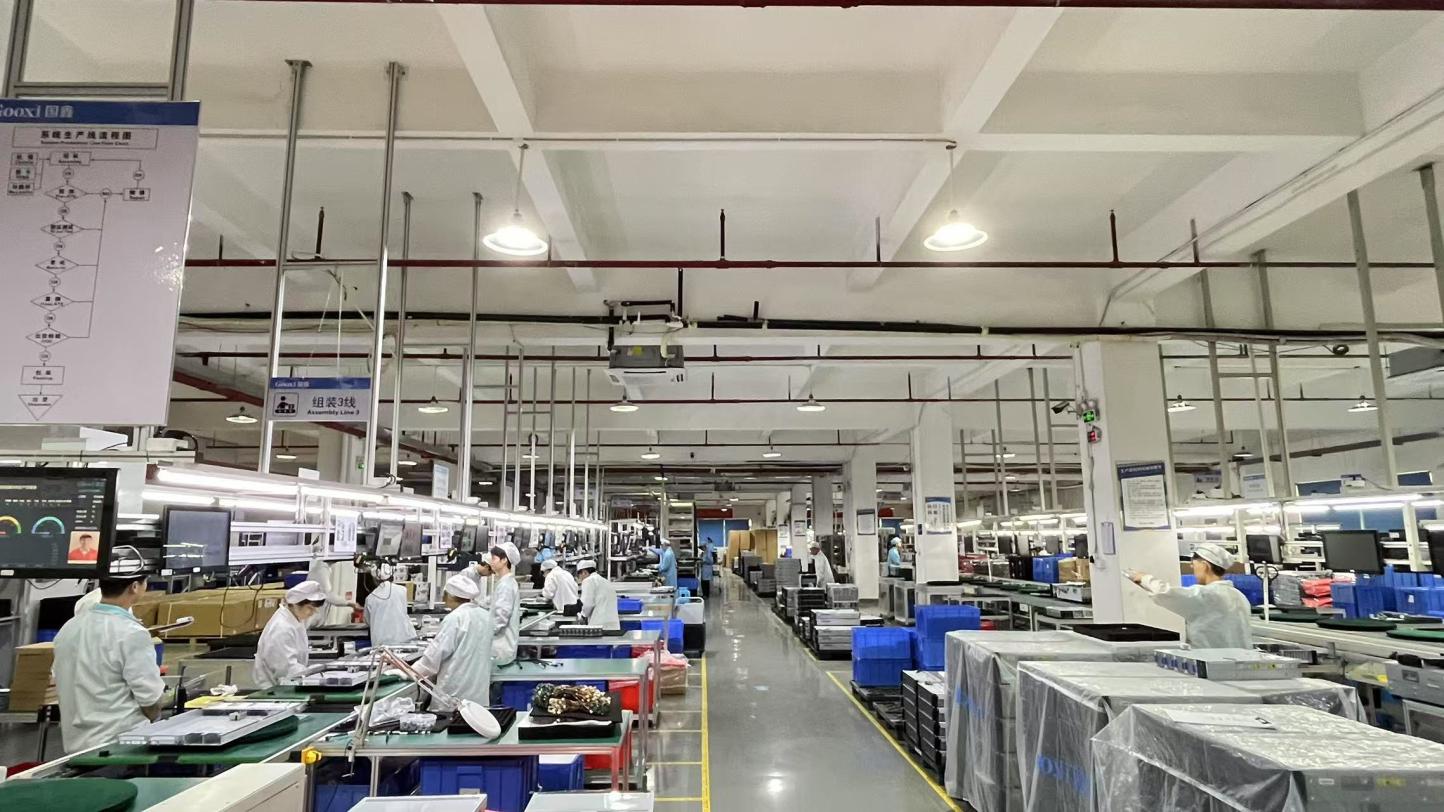
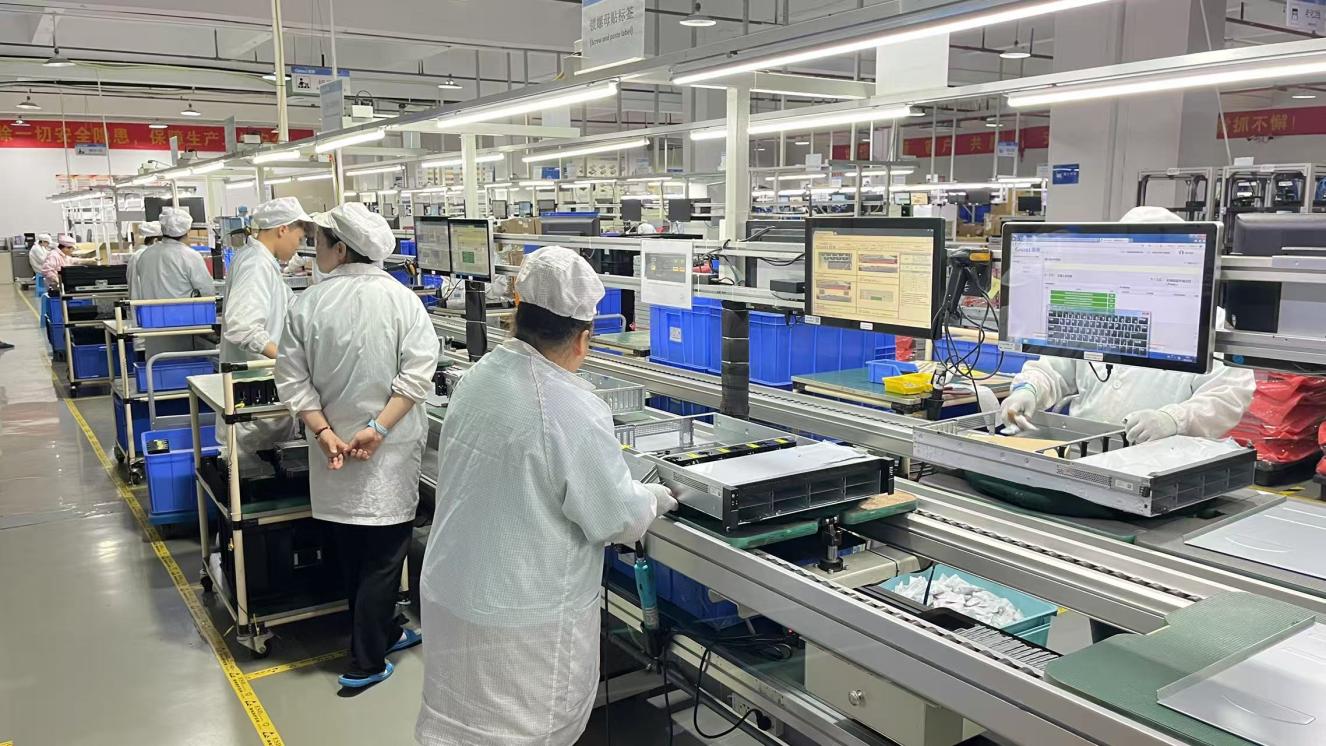

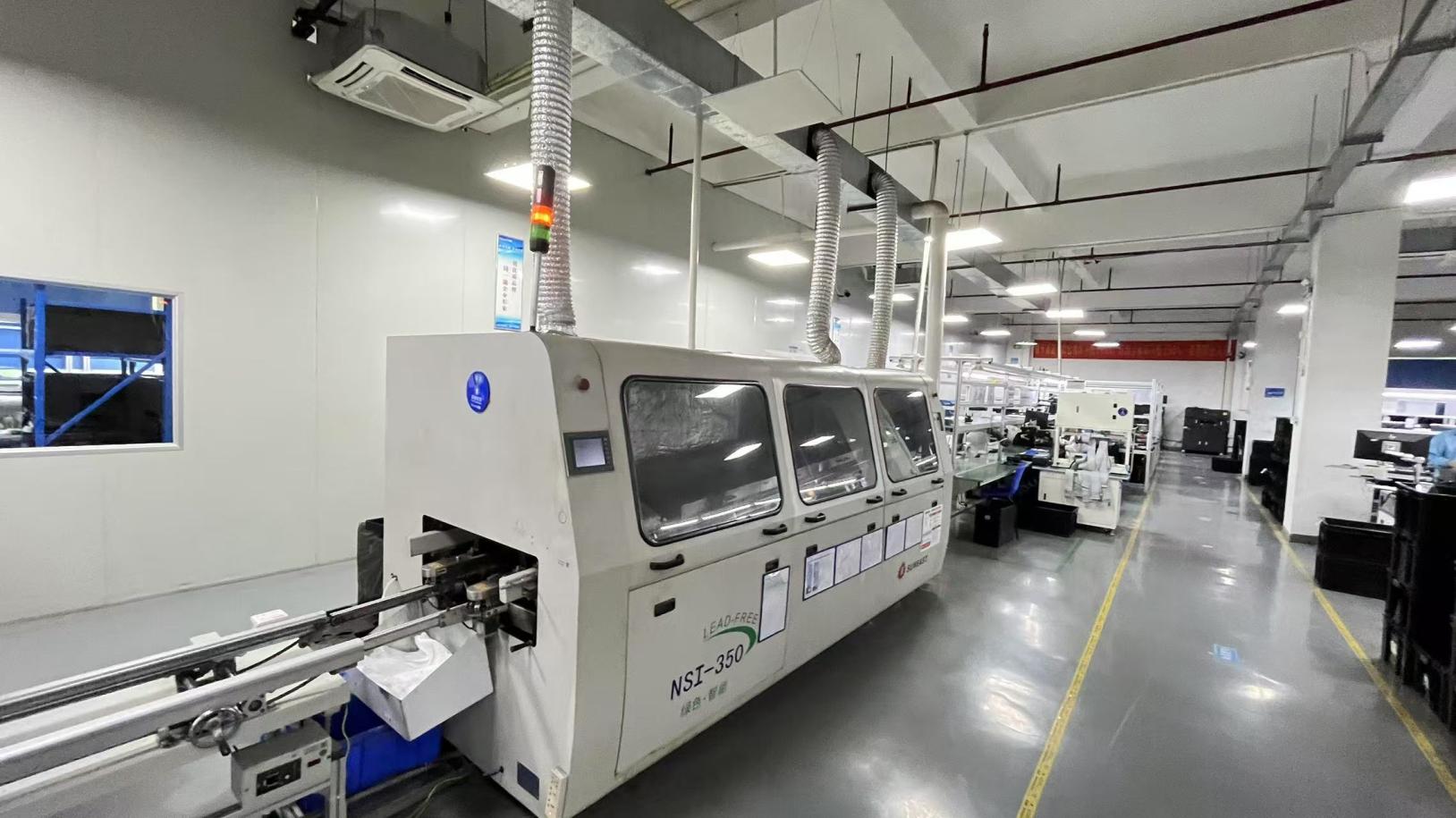
The requirements of VDI hosts are evolving rapidly as AI model operations are integrated directly into local corporate networks. To stay ahead of these developments, NexGPU invests heavily in our R&D team of 120+ designers, continuously updating our product catalog to incorporate next-generation technologies:
Implementing CXL interface configurations on our motherboards to allow dynamic memory pooling between adjacent virtualization hosts, eliminating local memory exhaustion risks.
Utilizing dedicated Data Processing Units to offload host networking, virtualization overlays, and storage encryption cycles, saving raw CPU cycles for actual VDI VMs.
Developing specialized chassis designs to accommodate closed-loop CPU and GPU coolers, allowing datacenters to reduce overall PUE and operational costs.
Crucial guidelines and clarifications for buying organizations planning custom VDI server exports.
The critical considerations are core-to-session ratios, memory allocation per VM, and disk IOPS performance. Systems configured with dual-socket processors like the Intel Xeon 4310 provide excellent core counts for multi-user distributions, while high-throughput SAS/NVMe storage arrays prevent boot storm lag.
We offer comprehensive OEM/ODM engineering services. This includes configuring host hardware BIOS/UEFI options, structural sheet metal customizations, specialized card integrations, and custom firmware testing to align with your specific datacenter requirements.
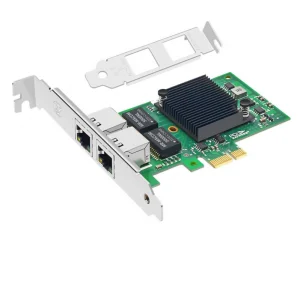
Yes. Our server boards, network interfaces, and storage controller nodes undergo compatibility testing with leading platforms, including VMware vSphere ESXi, Microsoft Hyper-V, Citrix Hypervisor, and Proxmox VE.
NexGPU relies on a resilient supply chain of over 1,200 strategic partners. By purchasing components through authorized channels and holding strategic buffers of critical microchips, we ensure stable lead times for global projects.
All our exported hardware models are designed to meet standard regional regulatory guidelines (including CE, FCC, RoHS). We perform full electrical safety testing on all systems before warehouse release.
We offer modular warranty structures, typically covering structural hardware and assembly components. Our engineering support staff is available to assist your operations teams with setup troubleshooting, firmware updates, and component diagnostics.
Explore our optimized data center options, high-density host platforms, and GPU-driven compute systems.