NexGPU
NexGPU
NexGPU
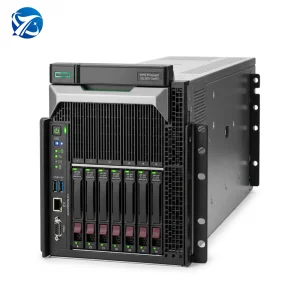
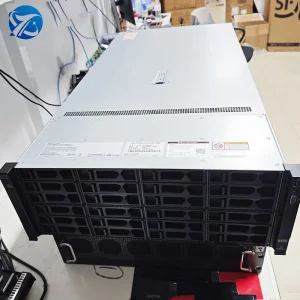
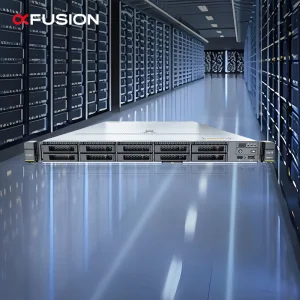
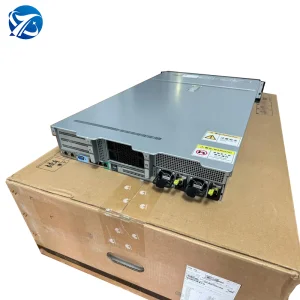
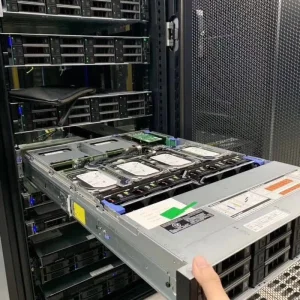
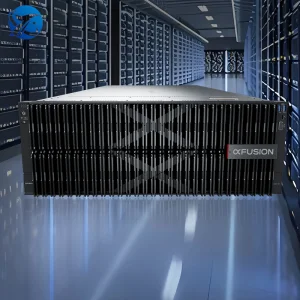
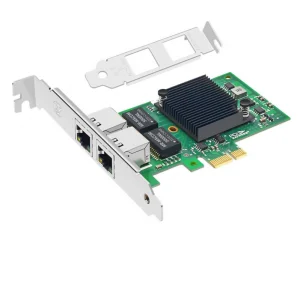
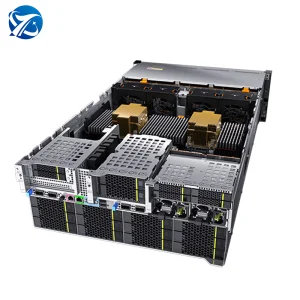
This industry document outlines the convergence of Netapp storage systems, CE certification mandates, and advanced GPU-to-storage interconnects. System integrators, server architects, and procurement leads face persistent bottlenecks: latency matching, compliance audits, and global supply constraints. Solving these challenges requires a deep integration of hardware engineering and structural compliance standards. As a leading specialized manufacturer, NexGPU Intelligent Computing Technology Co., Ltd. serves as a reliable link, optimizing high-density compute and storage architectures to deliver optimal operational throughput for global deployment partners.
By leveraging certified manufacturing protocols and implementing advanced storage fabrics (such as NVMe-over-Fabrics and High-Speed Fibre Channel SAN), enterprise operators can eliminate data silos and unleash the full operational capability of high-density GPU nodes. This integration is critical to avoiding input-output starvation in dense GPU deployments, ensuring that storage performance scales dynamically with computing requirements.
For datacenters located in the European Economic Area (EEA) and highly regulated global jurisdictions, compliance with CE (Conformité Européenne) marking is not merely an optional stamp of quality; it is a strict statutory requirement. CE certification proves that the system—such as a Netapp storage array or integrated hybrid storage node—meets strict safety, health, and environmental protection requirements.
CE compliance for enterprise storage arrays requires conformity to key regulatory directives:
Ensures the high-density storage arrays do not generate electromagnetic interference that disrupts neighboring network nodes, and maintains robust immunity to external static and frequency interference.
Mandates safety thresholds for any electrical equipment running with an input or output voltage between 50 and 1000 V AC or 75 and 1500 V DC, protecting data center personnel from electric shocks.
Restricts hazardous substances (such as lead, mercury, and cadmium) in server PCBs, backplanes, drive connectors, and power units, ensuring clean and environmentally sound recyclability.
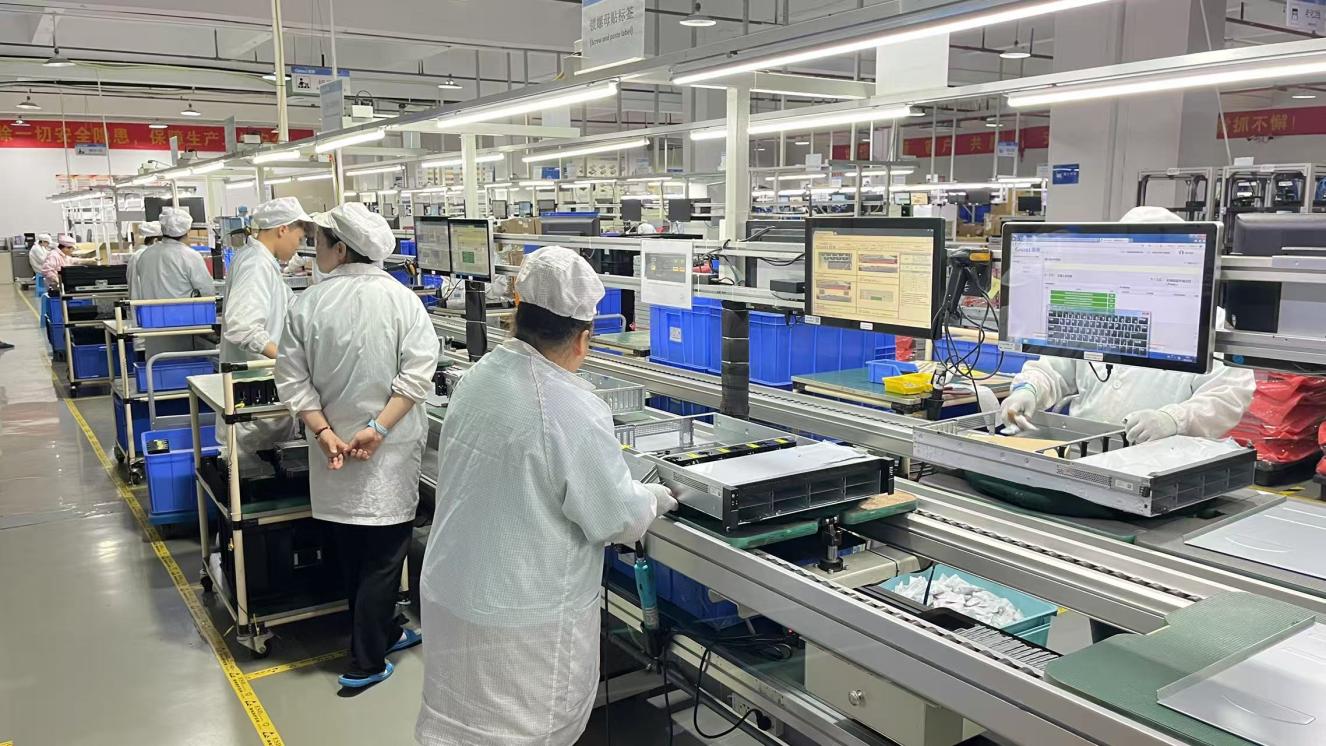
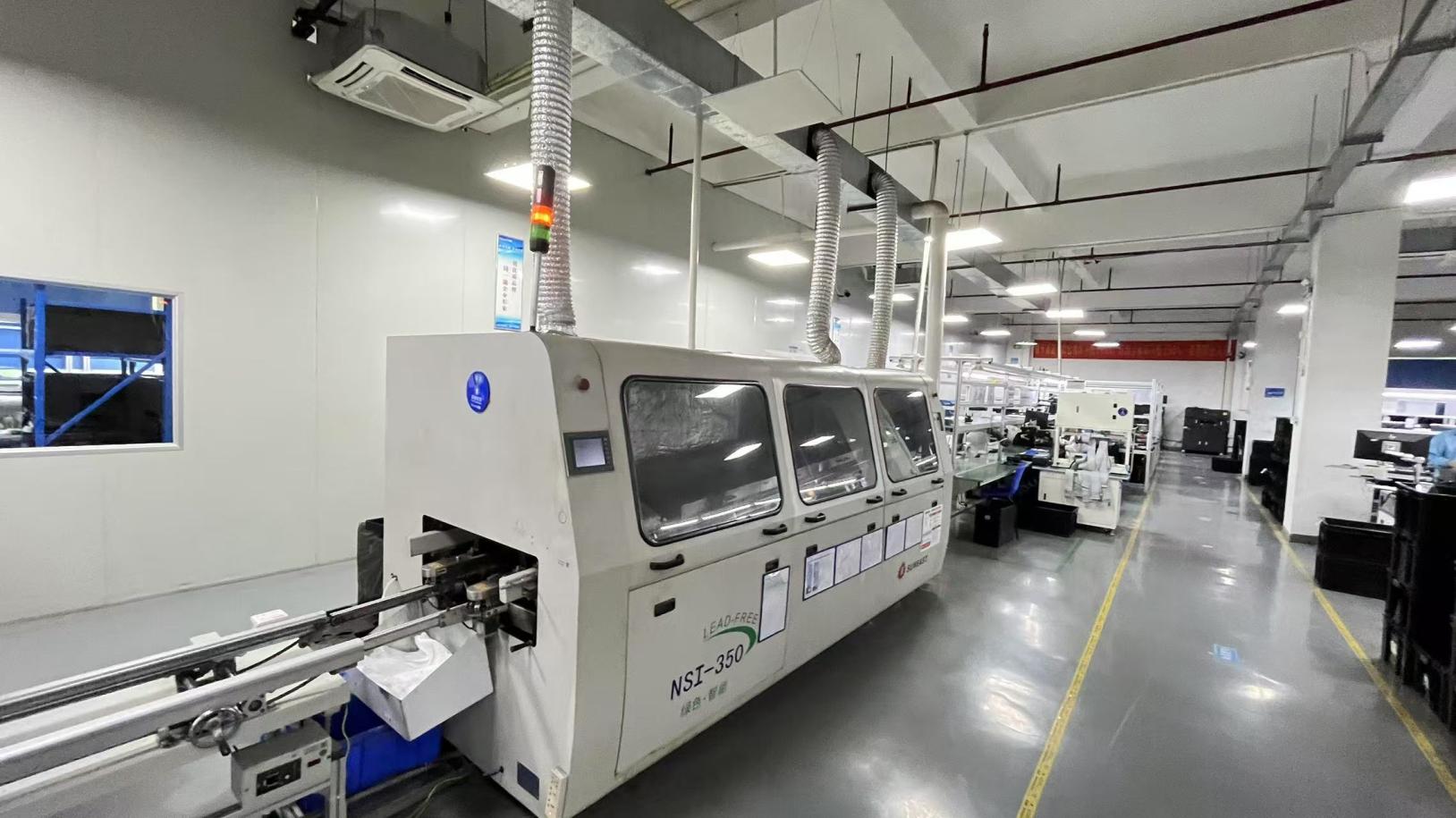
Founded in 2017, NexGPU Intelligent Computing Technology Co., Ltd. is a highly specialized manufacturer focusing on GPU servers, AI computing infrastructure, high-performance computing (HPC) systems, and custom server configurations. Headquartered in the hardware ecosystem capital of Shenzhen, China, our modern manufacturing facility covers over 380 square meters, fully equipped with state-of-the-art assembly, thermal testing, network validation, and rigorous quality control systems.
With more than 9 years of industry experience and 7 years of dedicated export experience, NexGPU has developed a strong reputation as a trusted global supplier for Tier-1 enterprises, cloud service providers, public research institutions, AI startups, large-scale datacenters, and global system integrators. Our annual export revenue exceeds USD 18 million, serving customers across North America, Europe, Southeast Asia, the Middle East, and Oceania.
Our operation is driven by strict quality management protocols. Every unit we output—whether an AI computing chassis or a custom SAN interface board—undergoes a comprehensive testing suite. This protocol includes electrical integrity checks, thermal imaging, burn-in validation, software compatibility diagnostics, and comprehensive post-assembly inspections. The dedicated quality control team comprises over 45 experienced inspectors, ensuring that every shipped system meets the exact standards expected in mission-critical deployments.
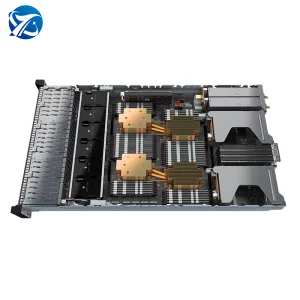
Backed by a robust global supply chain with over 1,200 strategic partners, NexGPU excels at sourcing raw components and providing tailored manufacturing solutions. Our core offering focuses heavily on OEM and ODM services. We offer custom chassis branding, custom firmware layout, physical rack integration, heat dissipation optimizations, and tailored AI infrastructure designs that bridge processing systems with high-throughput Netapp storage structures.
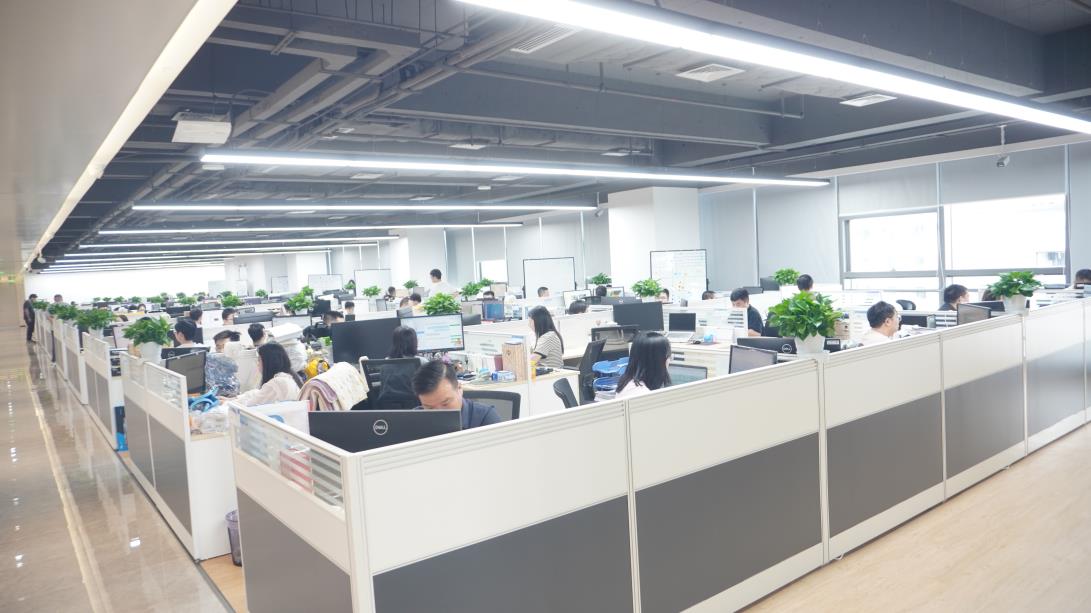
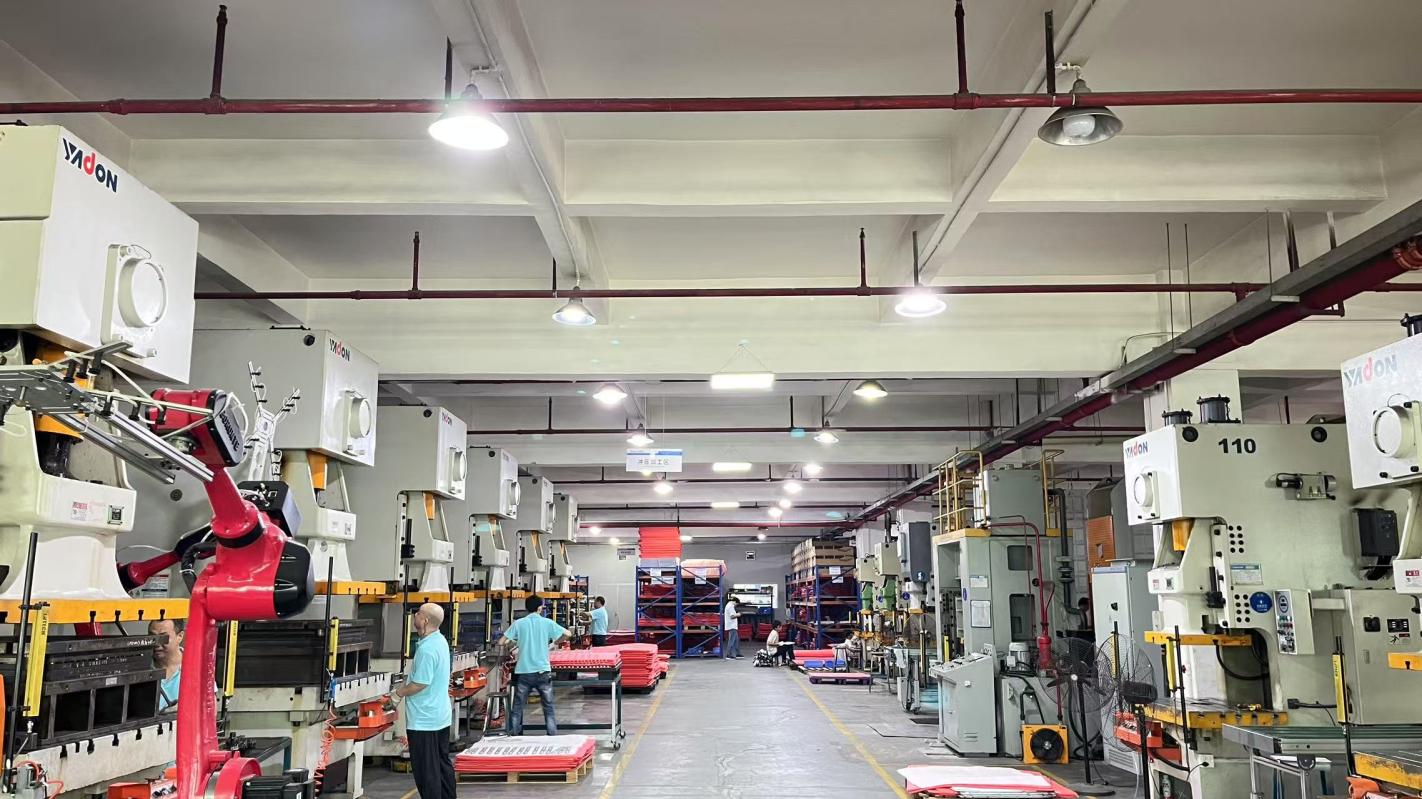
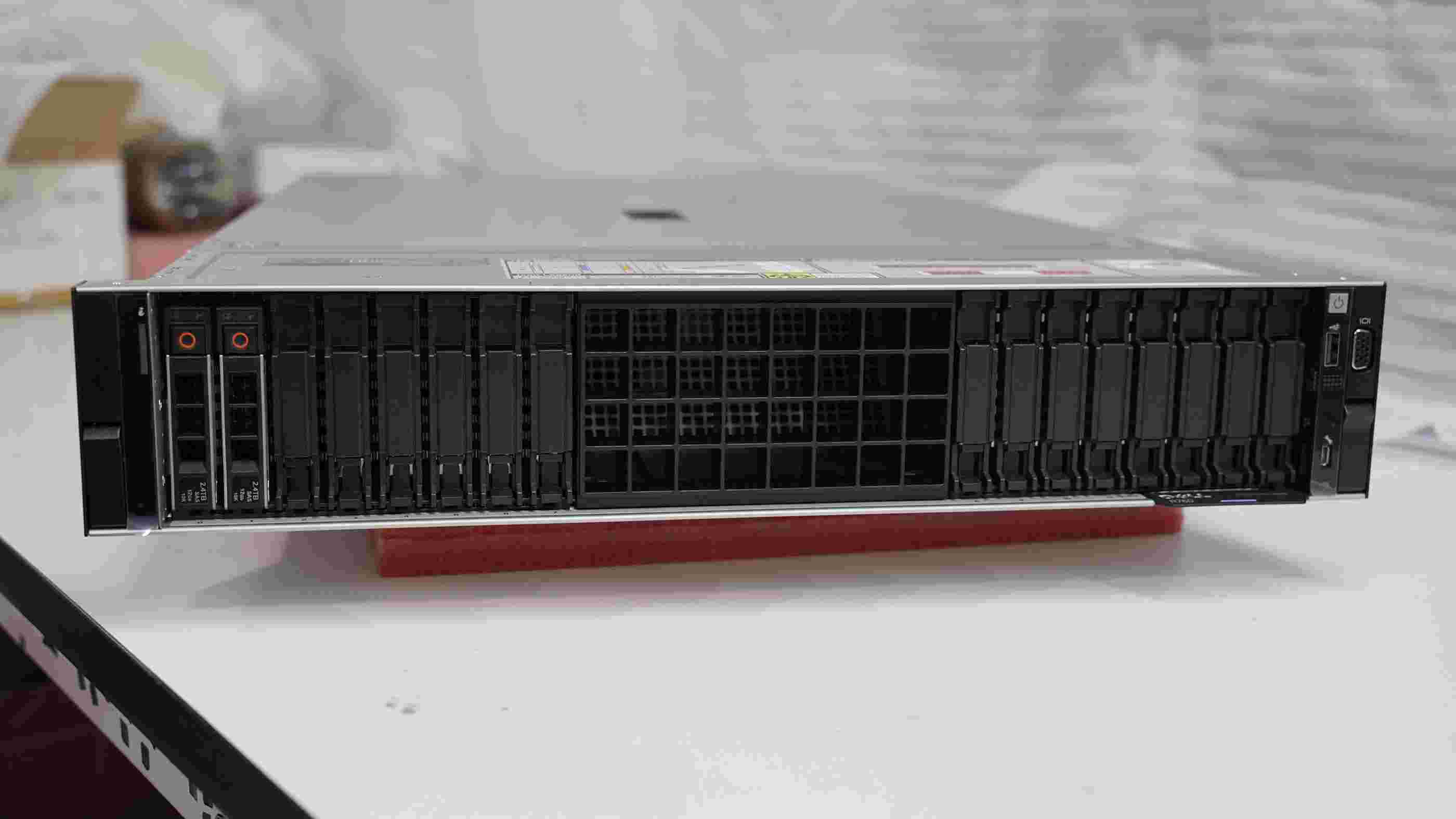
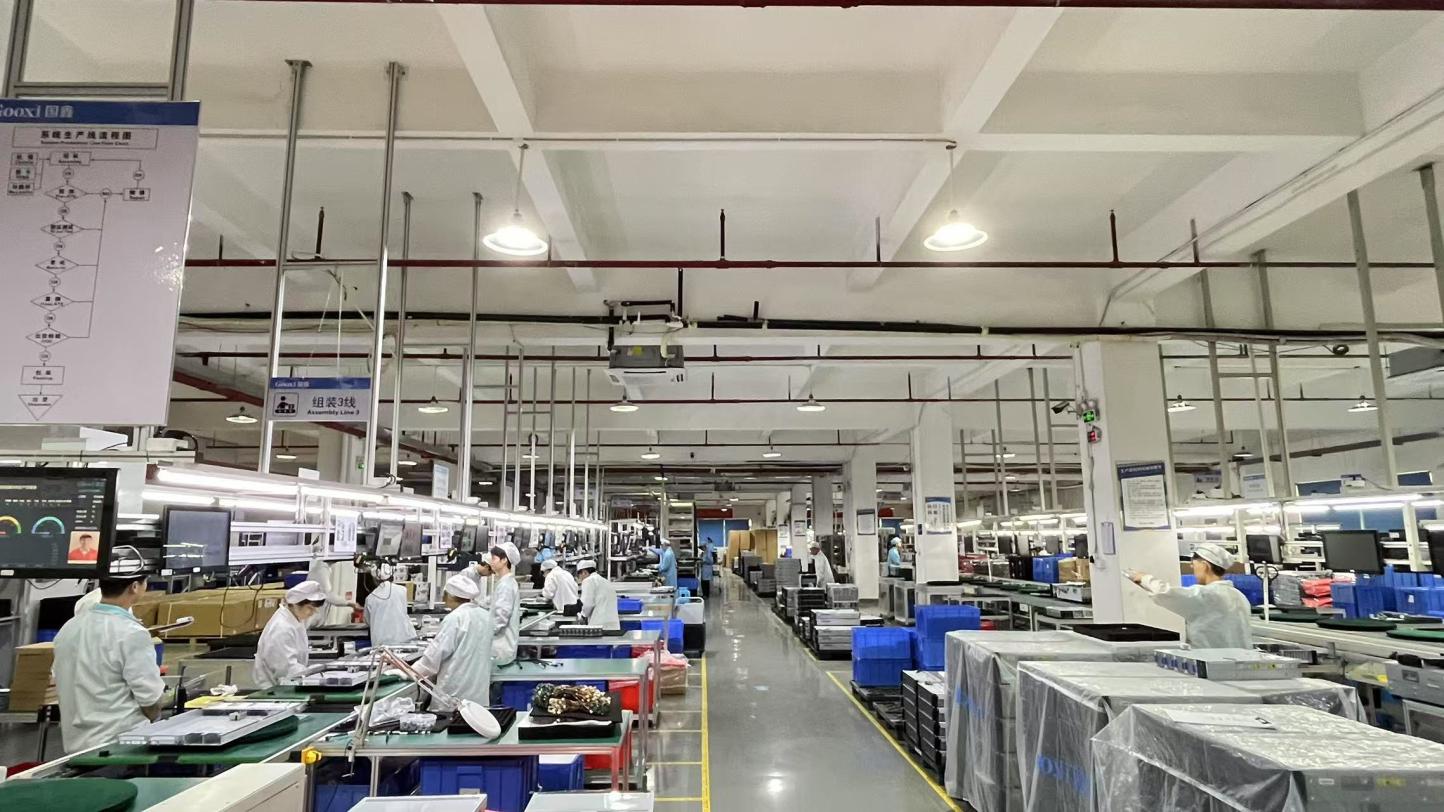

Shenzhen represents the epicenter of global electronic innovation and supply chain integration. For computing and storage systems, sourcing from a Chinese partner provides strategic operational advantages. Sourcing specialized components locally accelerates time-to-market and reduces total cost of ownership (TCO) for data centers.
This localized supply ecosystem delivers key advantages:
Sourcing high-density multi-layer PCBs, military-grade capacitors, advanced heat-pipe coolers, and low-latency storage interfaces directly from local suppliers reduces logistical transit delays.
With over 120 R&D engineers on site, NexGPU modifies chassis layouts, develops custom cooling loops, and writes optimized BIOS configurations faster than remote manufacturers.
The concentration of suppliers reduces transport costs, optimizes warehouse layout, and speeds up product delivery, allowing system integrators to achieve higher margins.
“By integrating our computing racks directly with Netapp arrays using certified components, our global partners experience up to a 30% reduction in setup delays and zero compliance failures at border audits.”
Enterprise procurement teams face complex regulatory environments when deploying IT hardware across international locations. Securing hardware with native CE, FCC, and RoHS compliance eliminates customs blockages and ensures suitability for installation in corporate datacenters.
Key procurement requirements for global enterprise deployments include:
NexGPU addresses these needs through our extensive supply network, experienced engineering team, and standardized testing procedures. This approach ensures all hardware configurations align with strict local requirements, simplifying the global procurement process for enterprise clients.
Modern enterprise hardware must adapt to diverse, demanding compute workloads. Integrating certified servers with robust storage backplanes ensures performance and reliability across multiple scenarios.
Powering deep learning clusters (including DeepSeek R1 671B models) with high-speed NVMe storage to sustain maximum GPU write speeds and avoid processing bottlenecks.
Supporting high-transaction SAP HANA, Oracle, and SQL databases with low-latency SAN environments, ensuring data consistency and fast query execution.
Integrating physical hardware with major public clouds, using APIs to coordinate dynamic storage tiering and secure offsite backups.
Enterprise storage is undergoing rapid technological evolution. As datacenters face mounting energy costs and scaling challenges, storage architectures are adapting to deliver better performance and improved power efficiency.
Key developments shaping the future of enterprise storage include:
CE certification ensures that the server or storage arrays comply with all European safety, health, and environmental requirements (such as Low Voltage Directive and EMC Directive). This compliance guarantees safety for datacenter staff, protects surrounding equipment from electromagnetic interference, and prevents customs clearance delays during international transit.
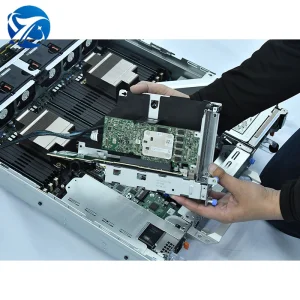
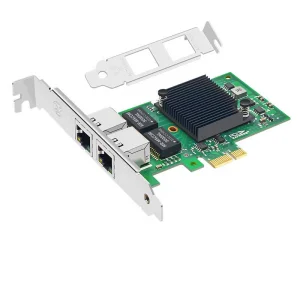
NexGPU uses advanced diagnostic tools and testing suites to simulate enterprise storage workloads. Our engineers verify PCIe, SAS, and Fibre Channel connections, confirming that our custom compute nodes, RAID controllers, and network interface cards interact seamlessly with Netapp systems.
NexGPU provides comprehensive OEM and ODM services. This includes custom chassis layouts, bespoke cooling configurations (air or liquid), custom firmware setups, custom-branded bezels, and full rack integration, allowing clients to configure systems to their exact requirements.
Our QC team, consisting of over 45 inspectors, subjects all servers and storage components to hardware diagnostics, thermal testing, network stress tests, and a minimum 48-hour burn-in phase. This testing ensures the hardware operates reliably from day one.
Lead times depend on the complexity of the customization. Standard configurations typically ship within 1 to 2 weeks, while highly customized OEM/ODM systems require 4 to 6 weeks. Our logistic partners facilitate efficient shipping across major global regions.