NexGPU
NexGPU
NexGPU
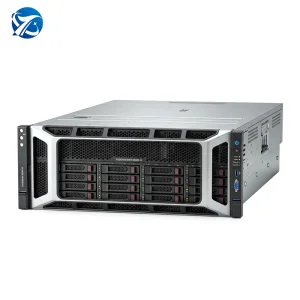
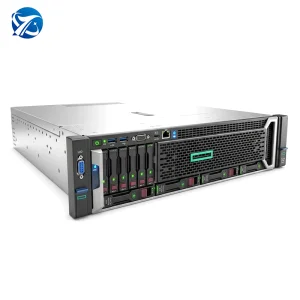
High-availability servers, hot-swappable arrays, and enterprise processing cores designed to act as primary compute nodes and replication hosts for enterprise-grade disaster recovery.
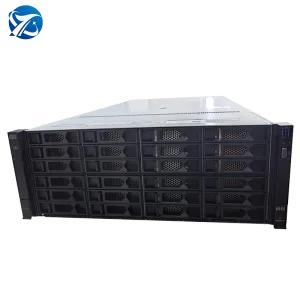
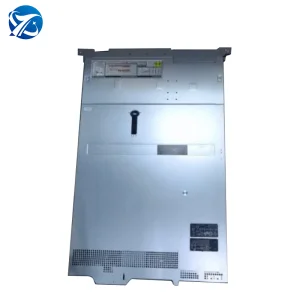
In an era marked by rapid digitalization and artificial intelligence expansion, business continuity planning has evolved from a basic compliance checkpoint to a core strategic pillar. High-availability databases, critical enterprise Resource Planning (ERP) applications, and real-time AI models demand unprecedented levels of resilience. As software-defined disaster recovery platforms become standard, the focus shifts to the underlying computing infrastructure that supports them. Hardware architecture, custom thermal control, data replication throughput, and system reliability form the foundation of any disaster recovery roadmap.
NexGPU Intelligent Computing Technology Co., Ltd. plays a pivotal role in this system architecture. By manufacturing top-tier high-performance GPU servers, high-density NAS arrays, and enterprise rackmount compute nodes, we provide the foundational hardware that global organizations rely on to satisfy their Recovery Time Objective (RTO) and Recovery Point Objective (RPO) matrices. From hot-standby configurations to geo-redundant network infrastructures, the integrity of local hardware dictates operational limits under failover conditions.

Years Industry Experience
Annual Export Volume
Strategic Supply Partners
R&D Server Engineers
Understanding the global procurement demands for Disaster Recovery (DR) solutions requires analyzing regional technical landscapes, risk factors, and regulatory pressures. Corporate IT procurement is no longer just buying off-the-shelf servers. Today, it focuses on buying verified compatibility, validated thermal stability, and long-term hardware support life cycles.
High demand for active-active geo-clustering, near-zero RPO targets, and seamless integration with hybrid cloud frameworks. Severe requirements exist regarding hardware supply-chain compliance and component traceability.
Strict focus on GDPR compliance, regional data sovereignty, and hardware energy efficiency. Backup architectures must incorporate robust defense mechanisms against ransomware, including immutable storage arrays and isolated recovery environments (air-gapped vaults).
Rapid expansion of tier-III and tier-IV data centers drives requirements for high-density, cost-effective server clustering. Heavy focus on OEM/ODM flexibility to accommodate local power supply modules and varied telecommunications backbones.
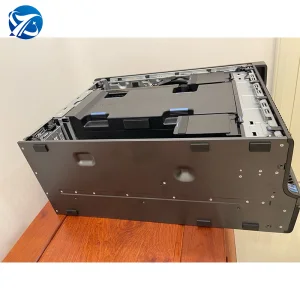
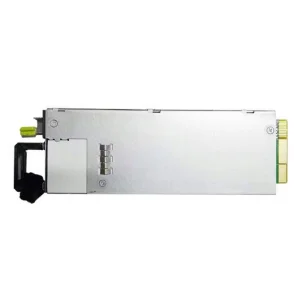
From an engineering perspective, modern IT procurement requires looking deep into the hardware design. A disaster recovery solution is only as robust as the components hosting it. If a primary data center fails, the standby site must immediately absorb the application workload without experiencing thermal throttling, I/O bottlenecks, or power subsystem failures. This highlights the vital importance of sourcing platforms built with high-quality components, redundant power units (PSUs), and advanced chassis thermal structures.
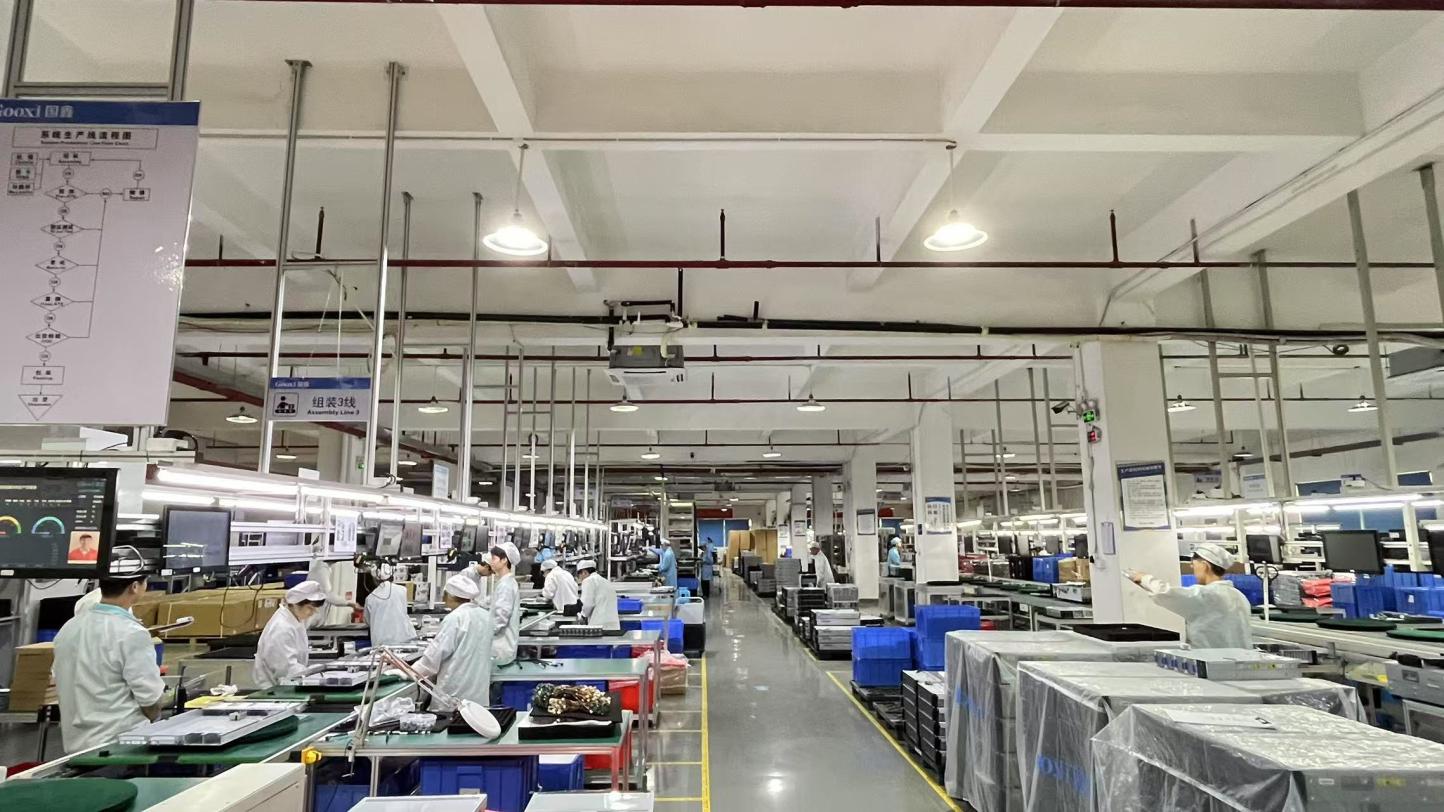
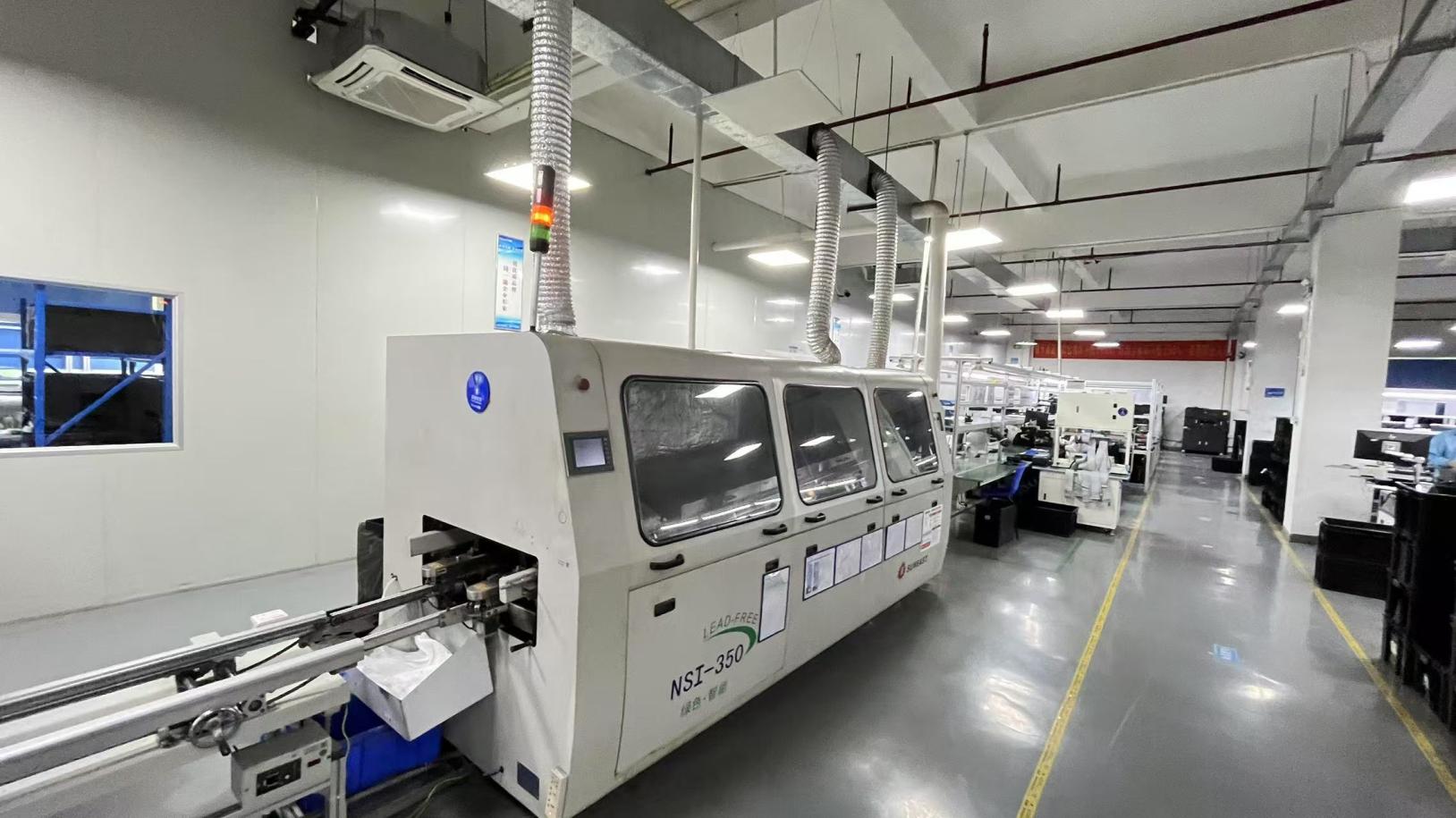
Founded in 2017, NexGPU Intelligent Computing Technology Co., Ltd. is a professional manufacturer specializing in GPU servers, AI computing infrastructure, high-performance computing (HPC) systems, and customized server solutions for global customers. Headquartered in Shenzhen, China, the company operates a modern manufacturing facility covering over 380 square meters, equipped with advanced assembly, testing, and quality control systems.
With more than 9 years of industry experience and 7 years of export experience, NexGPU has established itself as a trusted supplier for enterprises, cloud service providers, research institutions, AI startups, data centers, and system integrators worldwide. Our annual export revenue exceeds USD 18 million, serving customers across North America, Europe, Southeast Asia, the Middle East, and Oceania.
Supported by a strong global supply chain network of more than 1,200 strategic partners, NexGPU can efficiently source premium components and deliver flexible manufacturing solutions to meet diverse customer requirements. We offer extensive OEM and ODM services, including hardware configuration customization, chassis branding, firmware optimization, rack integration, and AI infrastructure deployment solutions.
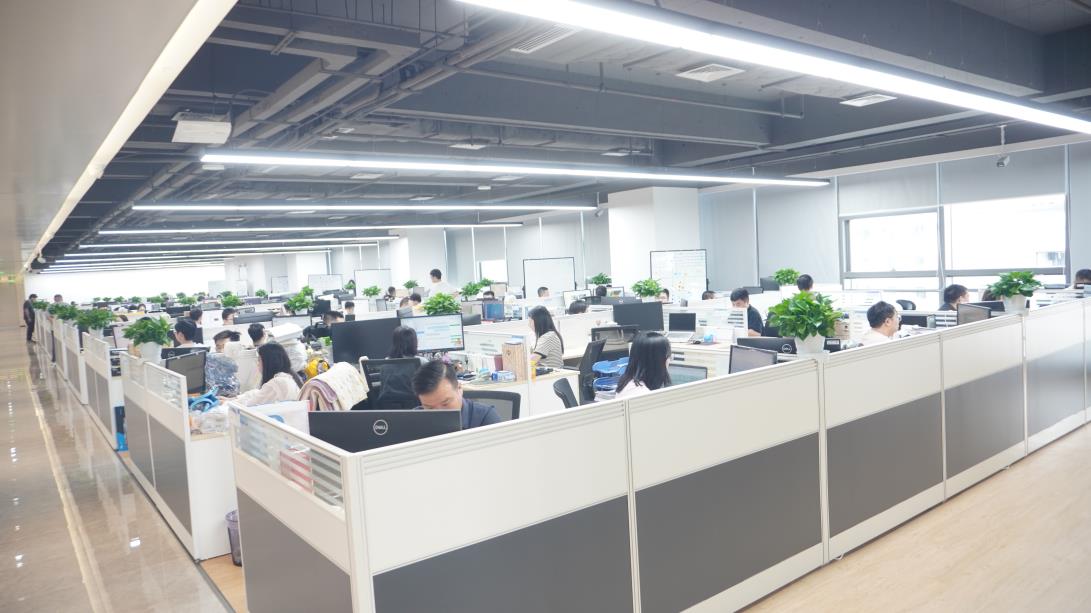
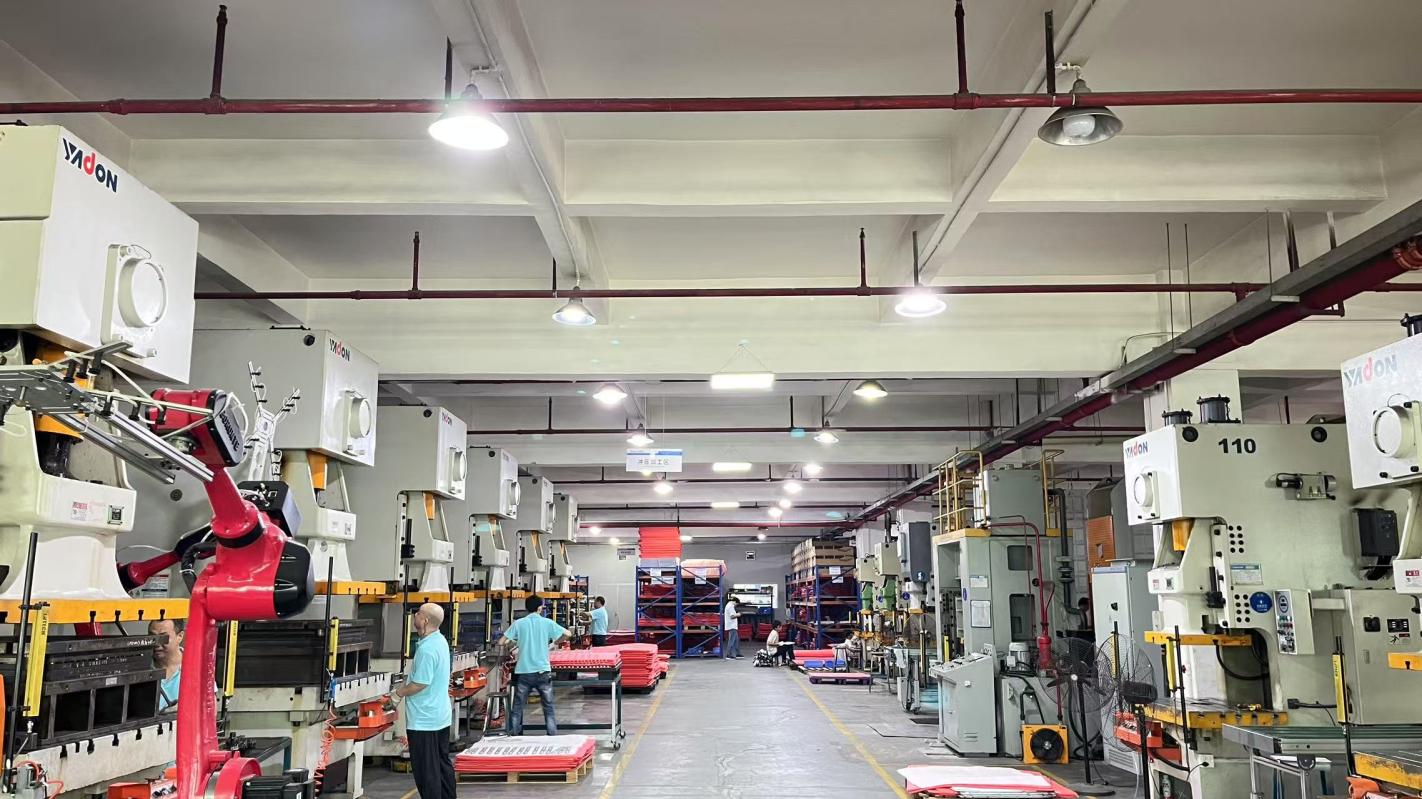
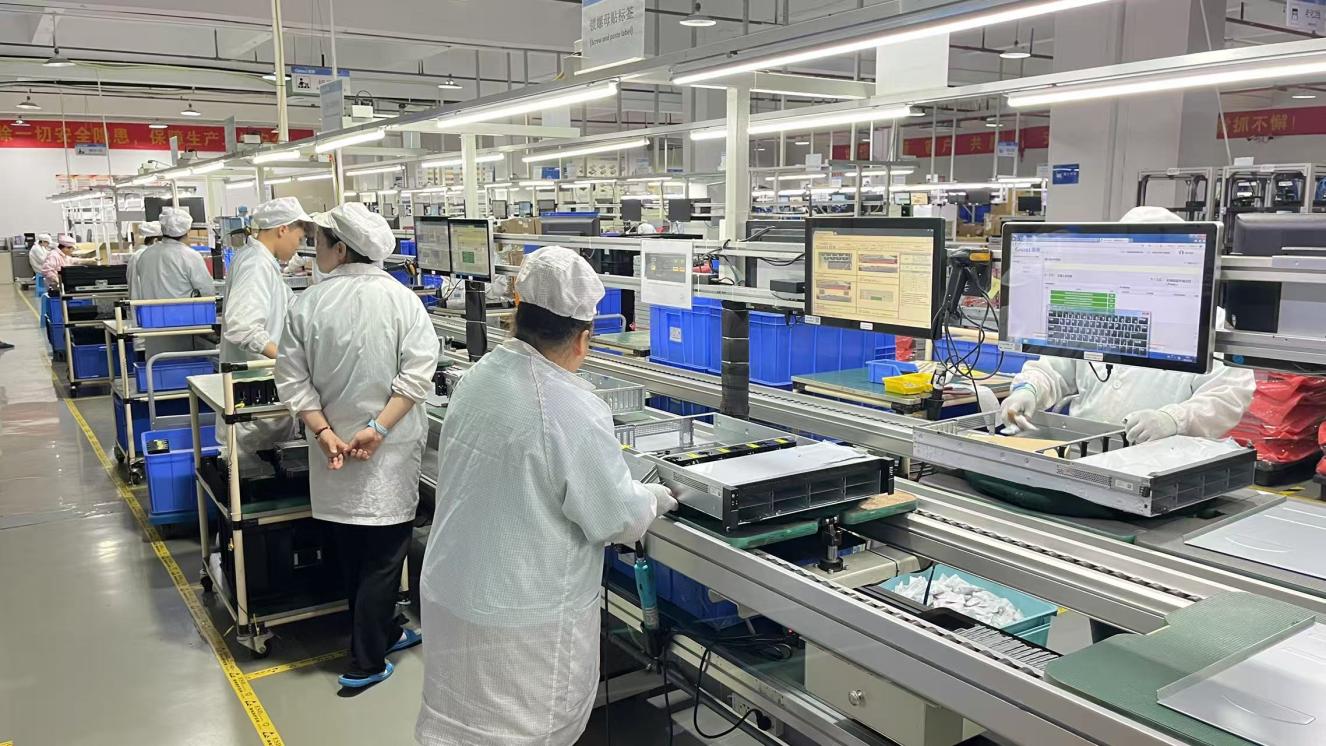
NexGPU maintains strict quality management standards throughout the production process. Every product undergoes comprehensive reliability testing, performance verification, burn-in testing, compatibility validation, and final inspection before shipment. Our dedicated quality control team consists of over 45 experienced inspectors, ensuring consistent product quality and reliability.
Innovation is at the core of our business. Our R&D department includes over 120 engineers specializing in server architecture, thermal management, AI computing optimization, and system integration. Each year, NexGPU launches more than 80 new products and solution upgrades to address the rapidly evolving demands of artificial intelligence, machine learning, cloud computing, and enterprise data processing.
How our computing platforms are integrated into reliable, high-availability corporate infrastructures to survive critical network and power failures.
A resilient disaster recovery design relies on separating physical computing nodes into geographic clusters. System administrators deployment scenarios range from simple backup storage arrays to complex active-active clustering models. To help visualize how NexGPU platforms sit inside an enterprise-grade failover model, review the architecture mapping below:
| Solution Tier | Deployment Model | Target RPO / RTO | Hardware Specifications Required |
|---|---|---|---|
| Active-Active Clustering | Simultaneous workload execution across two geographic locations. Zero single point of failure. | RPO: Near-zero RTO: Automatic failover (seconds) |
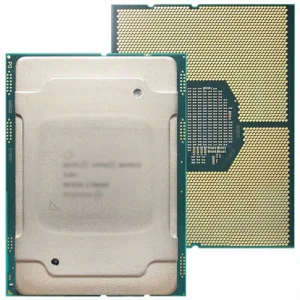
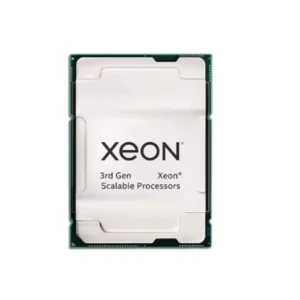
Dual or Quad-Socket Xeon/EPYC CPUs, high-density DDR5 memory blocks, low-latency InfiniBand cards. |
| Active-Passive Warm Site | Standby node pre-configured with active database replication. Compute instances spin up instantly. | RPO: < 15 minutes RTO: < 1 hour |
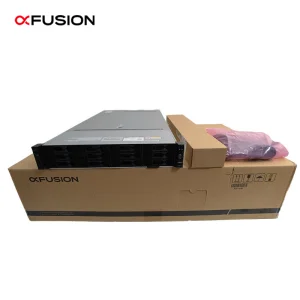
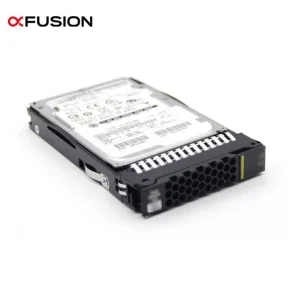
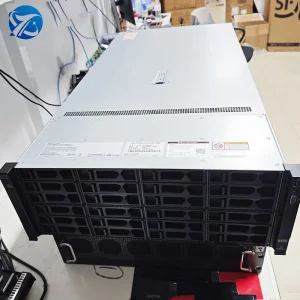
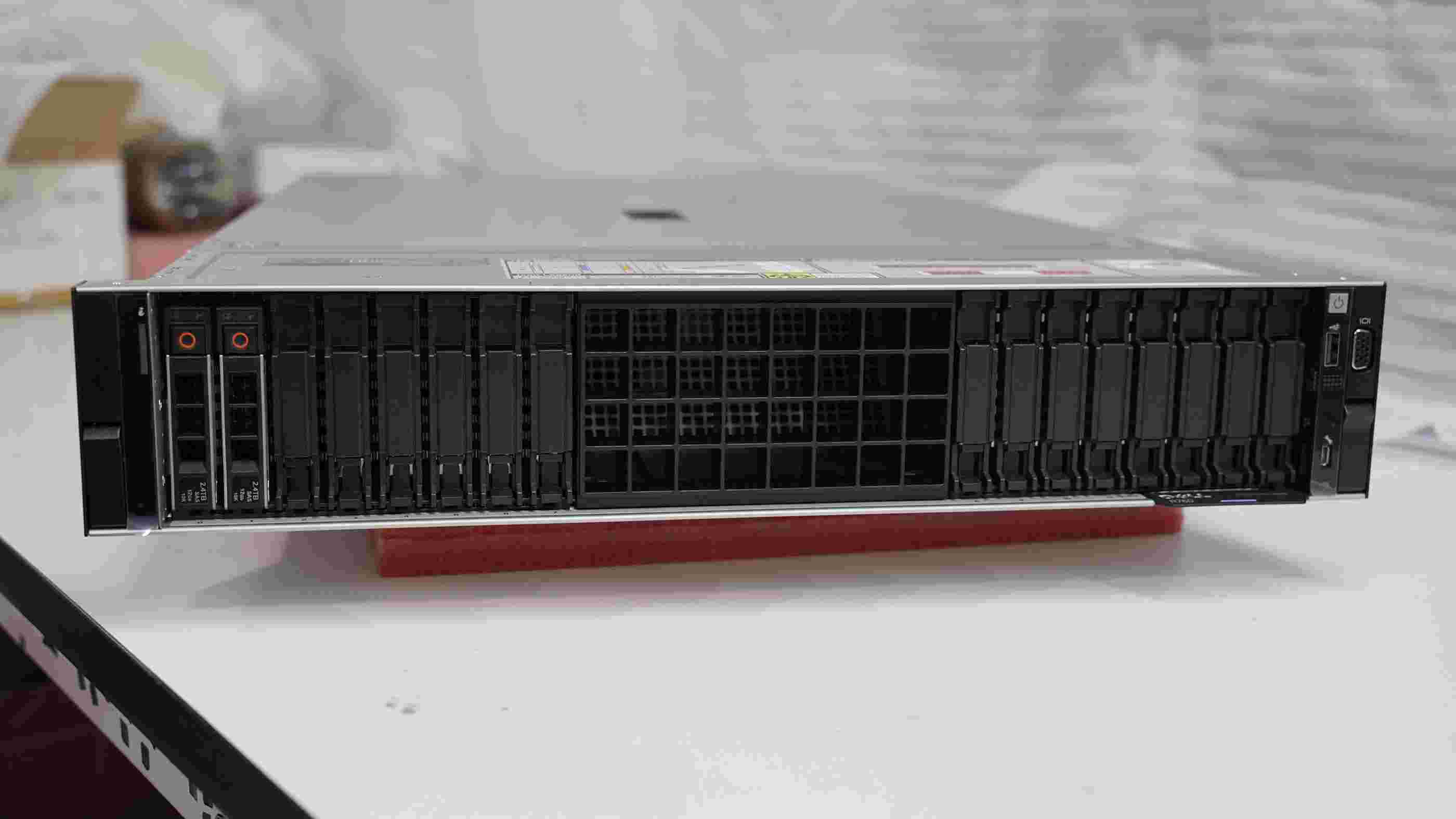
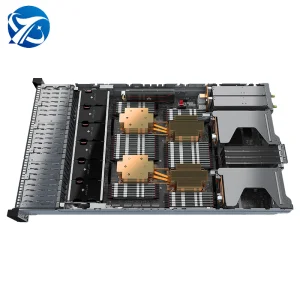
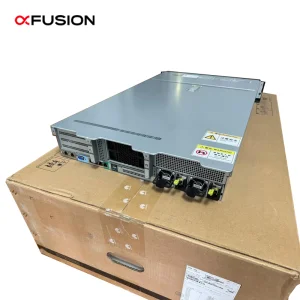
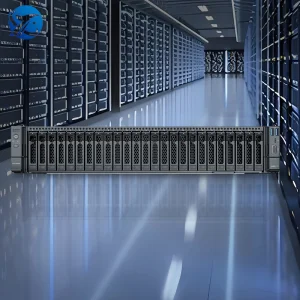
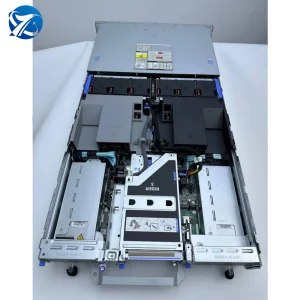
Multi-bay 2U/4U Rackmount units (such as xFusion 2288H V6), high-reliability SAS HDDs/NVMe caches. |
| Isolated Air-Gapped Vault | Data repository disconnected from the active network. Protects backup data against ransomware. | RPO: < 24 hours RTO: Varies (manual validation) |
High-capacity NAS storage systems with physical switch triggers, locked management firmware layers. |
Implementing reliable recovery mechanisms requires system components to resist unexpected electrical and thermal stresses. Our server configurations prioritize high-uptime architectures:
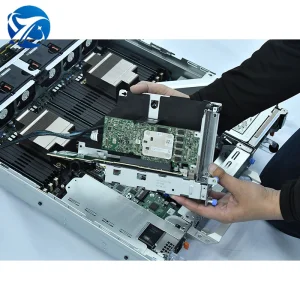
Inside our Shenzhen manufacturing facility, server assembly configurations, and technical testing centers.
As enterprise demands evolve towards intelligent automation, the future of Disaster Recovery lies in combining automated failover software with self-healing hardware layers. Traditional setups that require manual steps to point traffic to backup systems are slowly disappearing. Modern systems rely on real-time hardware status metrics, AI models predicting component wear, and automated traffic switching.
By analyzing voltage fluctuations, temperature trends, and memory access delays, upcoming server generations can predict component failures up to 72 hours before they happen. This predictive feature allows system orchestrators to move running virtual machines (VMs) to a standby backup site without interrupting services or having to perform a full system restore.
Protecting backup data in transit is critical. Future systems are moving toward post-quantum encryption protocols on the hardware level (ASICs) to secure replication paths between storage nodes. Hardware-managed physical disconnects (automated air-gapping) will ensure that stored backups remain isolated and protected from ransomware propagation.
Using NVMe over Fabrics (NVMe-oF) allows remote backup storage sites to run with low-latency performance similar to local disk setups. This technology enables companies to run active-active setups over longer distances, improving their disaster tolerance without dropping application performance.
Scale your backup target servers, database clusters, and primary applications with our proven enterprise platforms.
Deploying infrastructure hardware across borders requires strict adherence to international regulatory frameworks. To guarantee seamless integration into global enterprises, NexGPU aligns its manufacturing protocols with several standard certifications:
Find direct technical answers regarding our hardware solutions, custom configuration options, and global support capabilities.