NexGPU
NexGPU
NexGPU
Dedicated physical servers designed for heavy data transactions, low-latency API hosting, and SaaS database systems.
Why SaaS application deployment optimization starts at the physical computing infrastructure layer.
In the digital economy, the phrase "SaaS Application Factory" has migrated from simple software delivery models to describe the high-capacity, physical server clusters that assemble, run, and scale enterprise applications. Every AI-powered search tool, automated database platform, and CRM pipeline relies on heavy bare-metal and virtualized hardware. Without highly scalable server arrays, modern cloud software cannot process parallel API requests, execute deep-learning models, or support high-concurrency client sessions.
As SaaS software transitions from simple query-response interfaces to agentic AI apps (such as DeepSeek and automated visual analysis engines), computing infrastructure has become the primary operational bottleneck. Operating a modern software application is no longer just a code challenge; it is a thermal management, data throughput, and rack density optimization challenge. This reality makes selecting the correct server factory in China crucial for global SaaS operators looking to optimize their total cost of ownership (TCO).
SaaS platform databases demand massive multi-core execution pipelines. Utilizing Intel Xeon Scalable Processors or AMD EPYC systems enables thousands of simultaneous user connections without degradation in transaction latency.
Moving SaaS clusters physically closer to networking hubs inside 1U and 2U high-density configurations lowers round-trip latency to edge regions, guaranteeing fast response times for web-based SaaS user interfaces.
Modern cloud frameworks demand hardware-level TPM, secure-boot structures, and certified array controllers. These hardware features prevent data leakage in multi-tenant SaaS virtualization architectures.
Bridging the gap between raw hardware manufacturing and international SaaS computing demands.
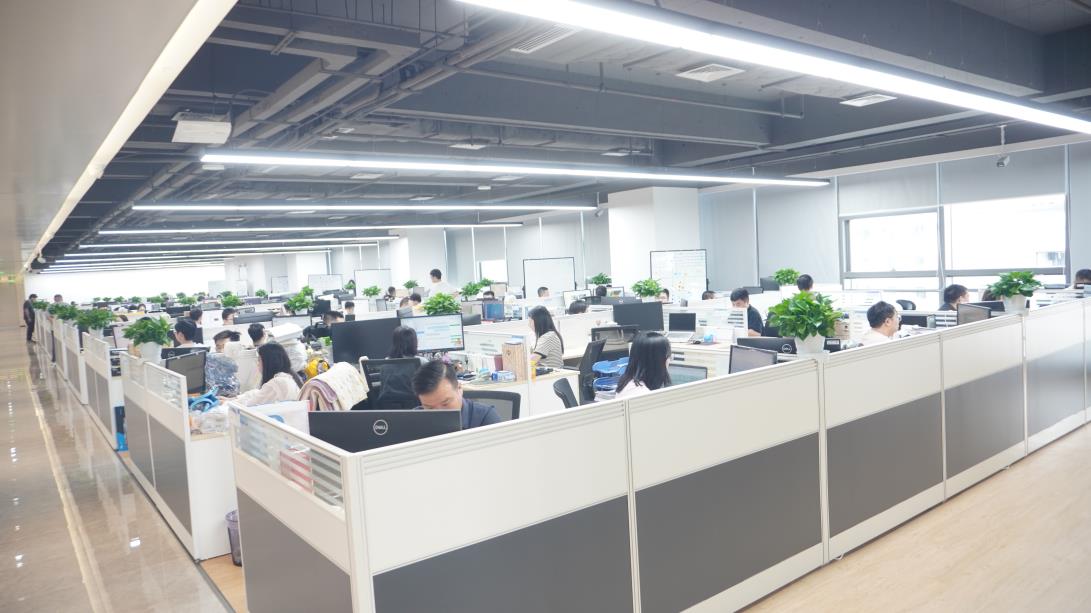
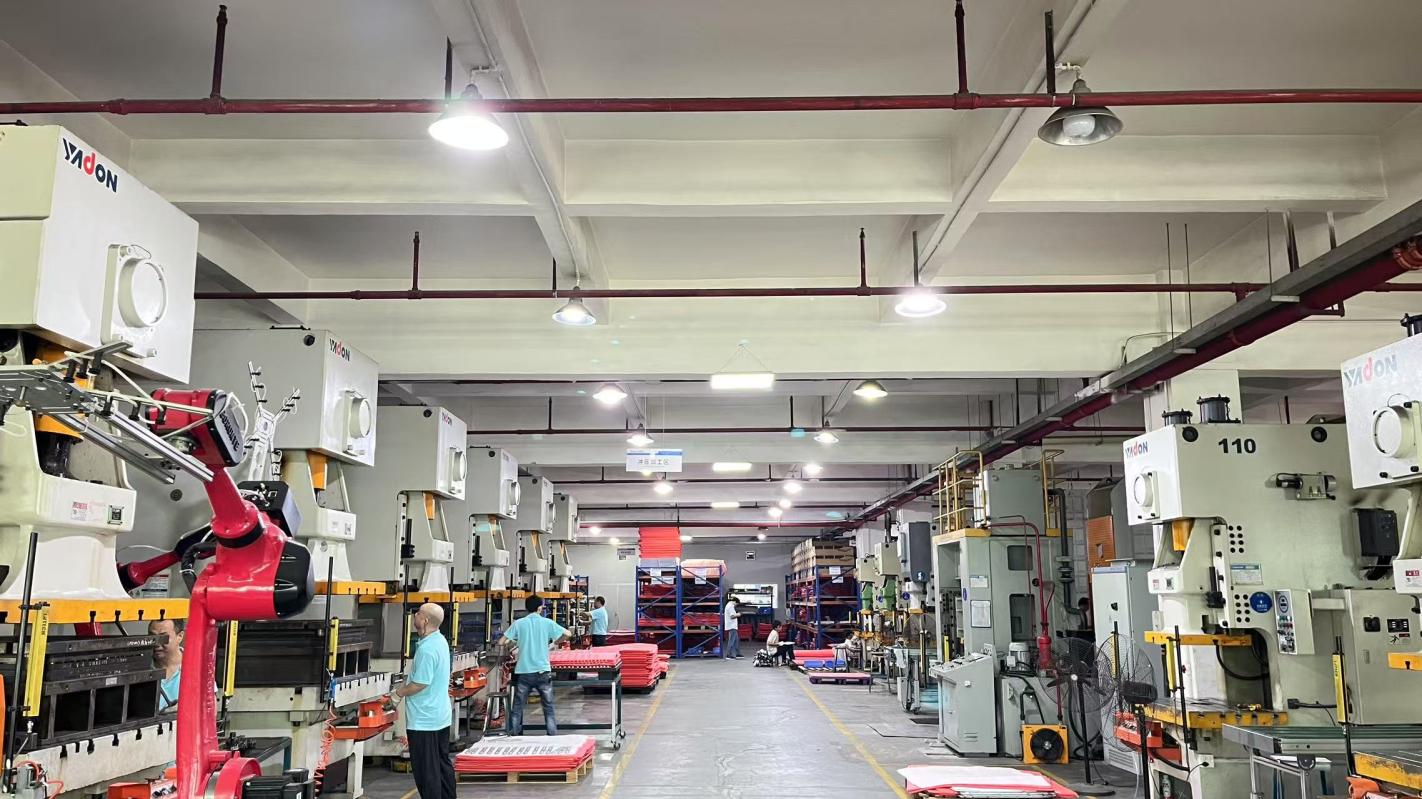
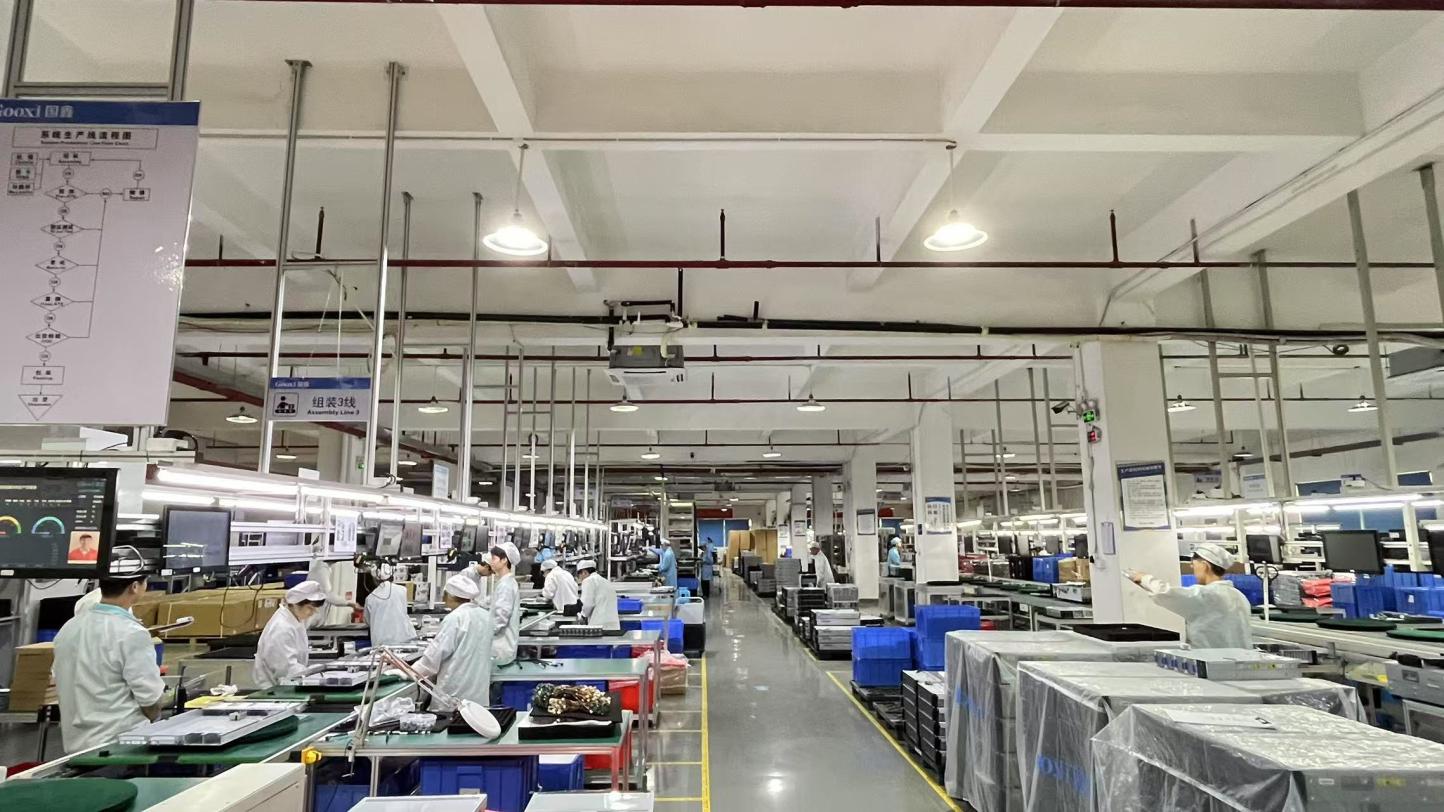
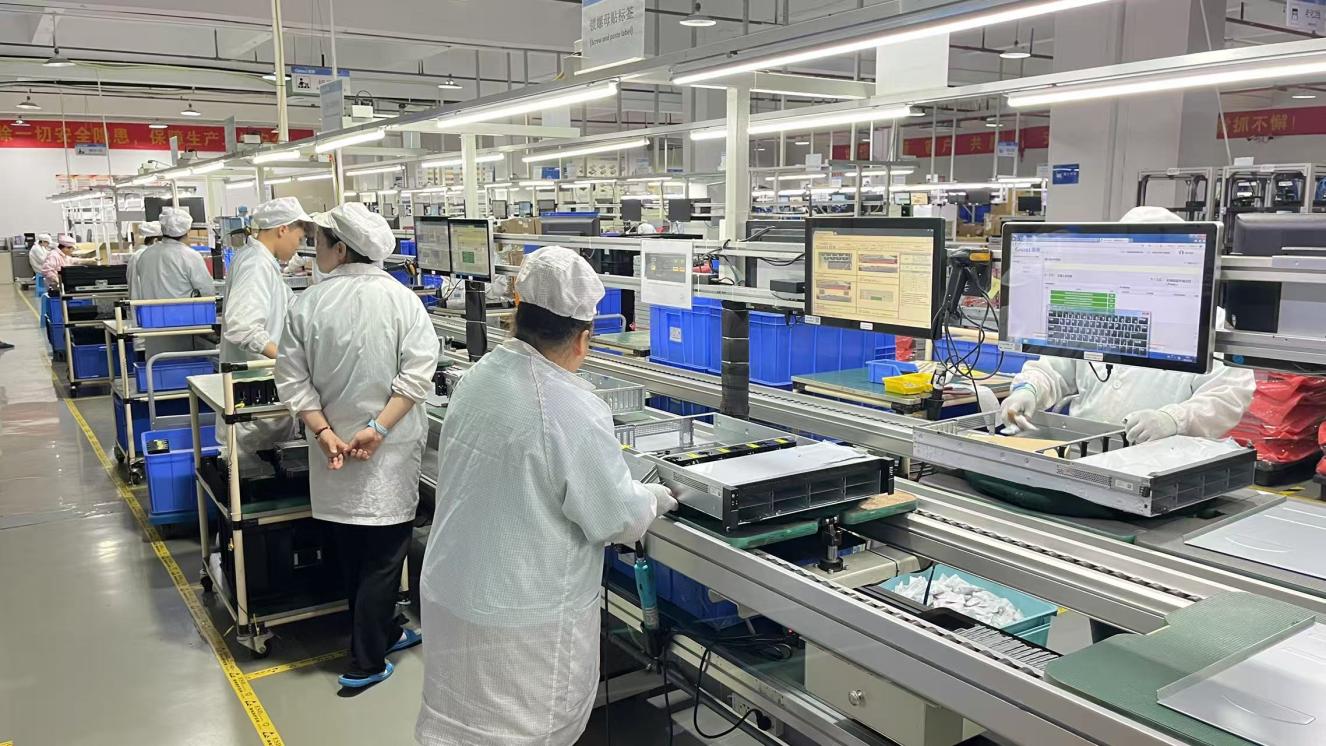
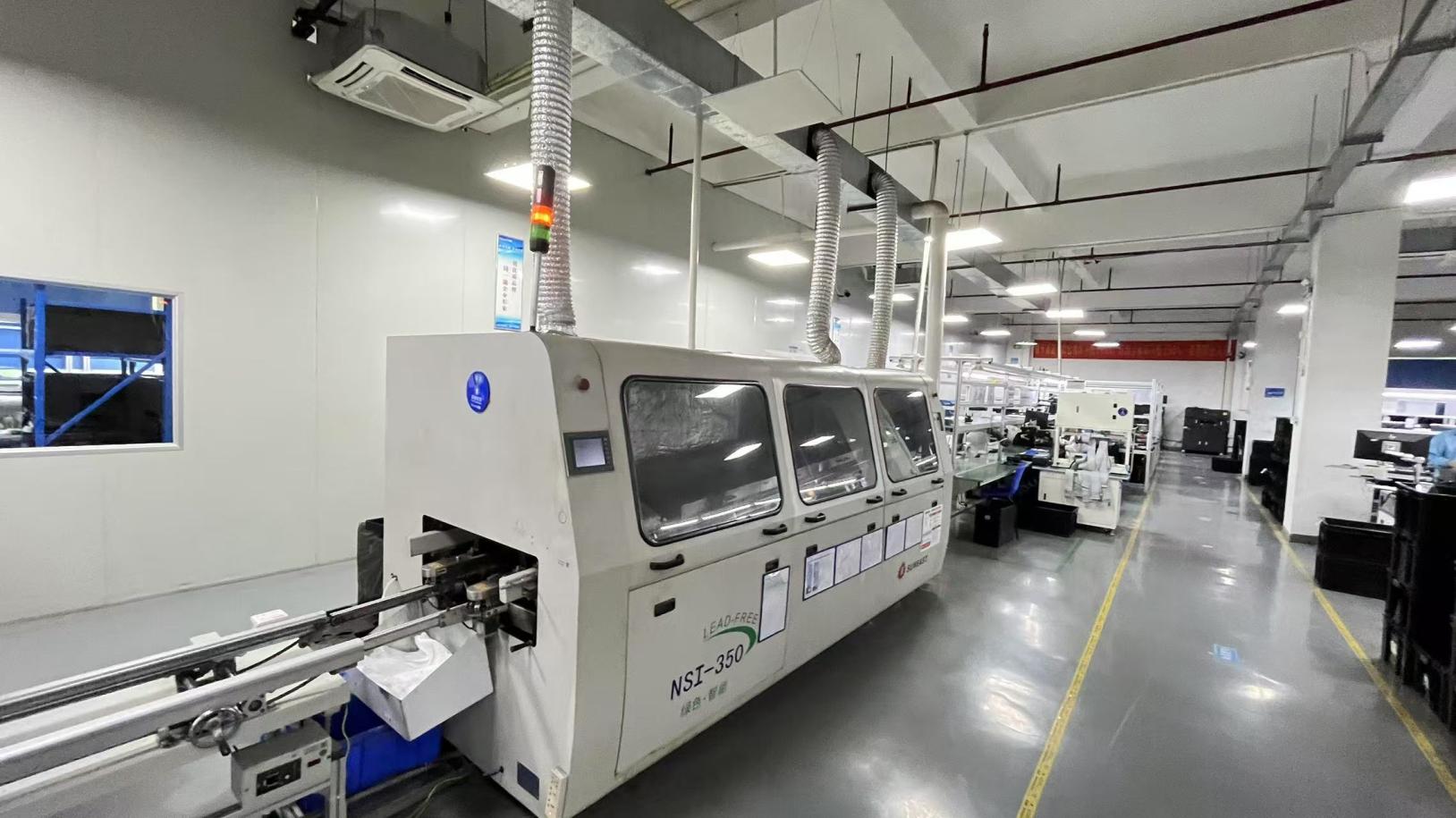
Founded in 2017, NexGPU Intelligent Computing Technology Co., Ltd. is a professional manufacturer specializing in GPU servers, AI computing infrastructure, high-performance computing (HPC) systems, and customized server solutions for global customers. Headquartered in Shenzhen, China, the company operates a modern manufacturing facility covering over 380 square meters, equipped with advanced assembly, testing, and quality control systems.
With more than 9 years of industry experience and 7 years of export experience, NexGPU has established itself as a trusted supplier for enterprises, cloud service providers, research institutions, AI startups, data centers, and system integrators worldwide. Our annual export revenue exceeds USD 18 million, serving customers across North America, Europe, Southeast Asia, the Middle East, and Oceania.
NexGPU maintains strict quality management standards throughout the production process. Every product undergoes comprehensive reliability testing, performance verification, burn-in testing, compatibility validation, and final inspection before shipment. Our dedicated quality control team consists of over 45 experienced inspectors, ensuring consistent product quality and reliability.
Supported by a strong global supply chain network of more than 1,200 strategic partners, NexGPU can efficiently source premium components and deliver flexible manufacturing solutions to meet diverse customer requirements. We offer extensive OEM and ODM services, including hardware configuration customization, chassis branding, firmware optimization, rack integration, and AI infrastructure deployment solutions.
Innovation is at the core of our business. Our R&D department includes over 120 engineers specializing in server architecture, thermal management, AI computing optimization, and system integration. Each year, NexGPU launches more than 80 new products and solution upgrades to address the rapidly evolving demands of artificial intelligence, machine learning, cloud computing, and enterprise data processing.

Analyzing what system architects and SaaS CTOs prioritize in 2025 procurement cycles.
The global SaaS landscape is experiencing structural changes driven by three distinct purchasing patterns:
Configured to support SaaS database processing, multi-tenant container orchestration, and deep learning pipelines.
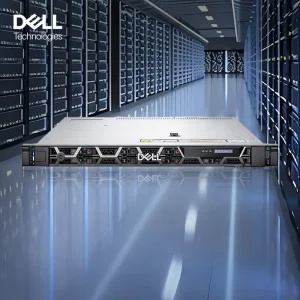
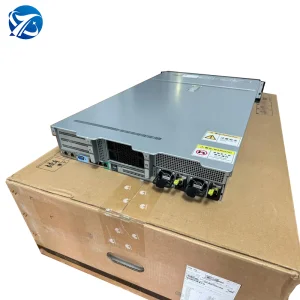
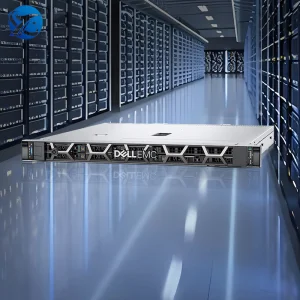
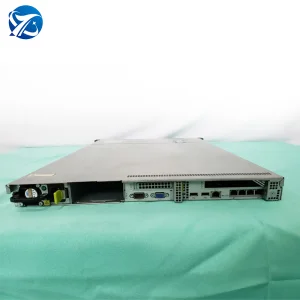
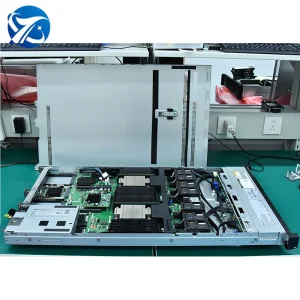
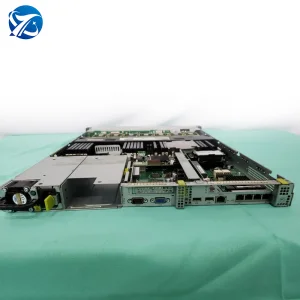
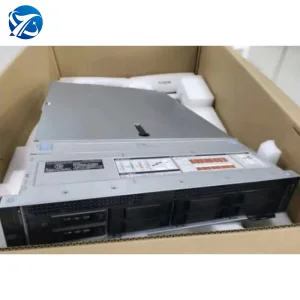
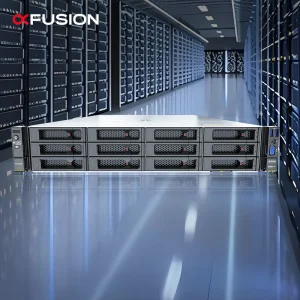
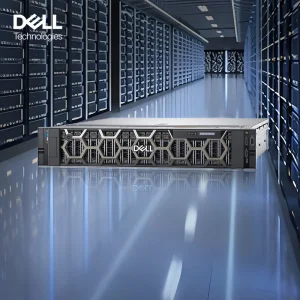
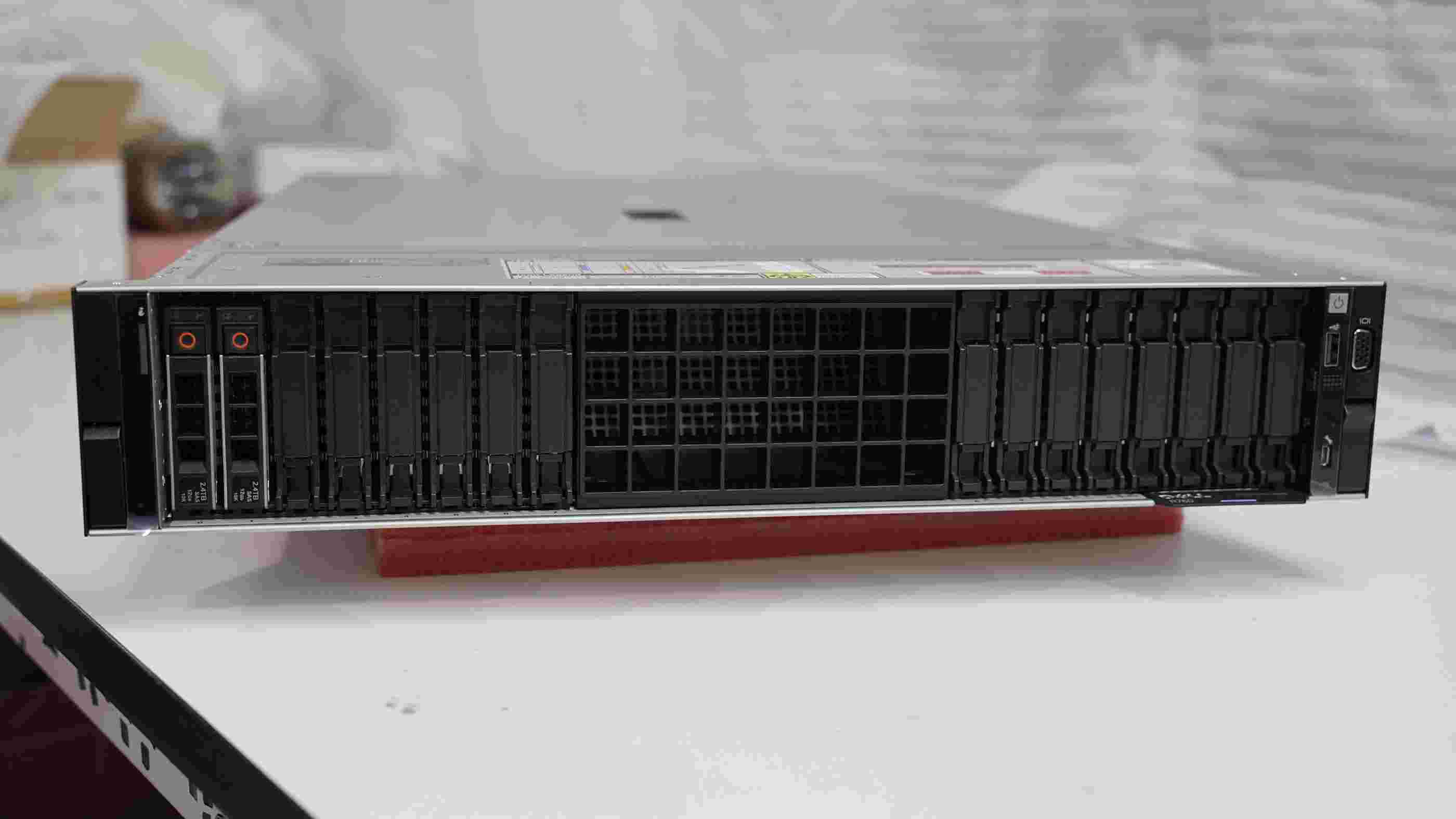
SaaS platforms that run ERP suites (such as SAP HANA or heavy MySQL clusters) require massive memory capacity and quick disk read speeds. Using Dell R660 and xFusion 2288H models with dual-socket processors provides the fast memory execution paths needed for instant data access.
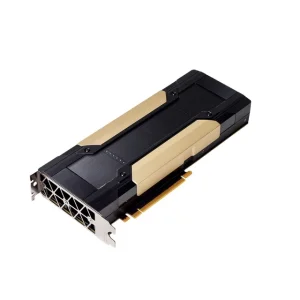
Processing Large Language Model workloads demands high-speed, parallel matrix math capabilities. High-density server platforms equipped with enterprise-grade GPUs (like V100 PCIe architectures or modern high-bandwidth accelerators) let SaaS platforms process user requests locally and affordably.
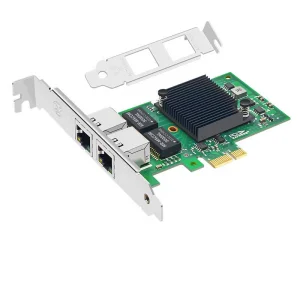
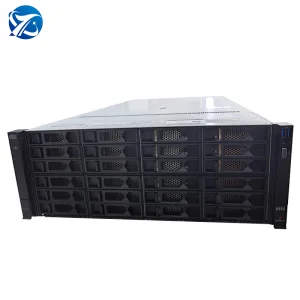
Multi-tenant SaaS storage clusters must store Petabytes of unstructured user content safely. High-capacity NAS architectures, combined with PCIe RAID controllers (like the LSI 9560-16I), deliver reliable data protection, hot-swappable storage disks, and rapid read speeds.
Navigating global export compliance, security standards, and high-performance server evolution.
Operating a globally distributed SaaS platform means meeting complex security regulations, including GDPR, SOC 2, and HIPAA. Ensuring this level of compliance starts at the physical hardware layer. NexGPU works with global hosting partners to make sure all server builds feature clean, auditable BIOS and IPMI configurations. By preventing unauthorized chip-level access, SaaS providers can safely deploy bare-metal server clusters inside multi-region data centers.
Looking ahead, NexGPU focuses its R&D efforts on key industry developments: Liquid Cooling Architectures, PCIe Gen 6.0 Integration, and High-Density Compute Optimization. As server racks exceed 30kW in power consumption, NexGPU plans to deliver closed-loop and cold-plate cooling systems. These advances will help SaaS platforms reduce cooling costs, improve efficiency, and lower overall operational expenses in target regions.
Accelerate machine learning inference, real-time analytics, and high-density virtualization platforms.
Answering key procurement, compatibility, and architecture questions for global IT sourcing managers.