 NexGPU
NexGPU
NexGPU
Explore our leading selection of deep learning GPU configurations, high-density rack modules, and robust system storage hardware designed to power the next generation of industrial scale computing.
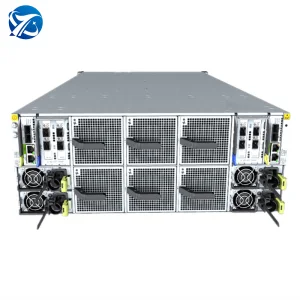
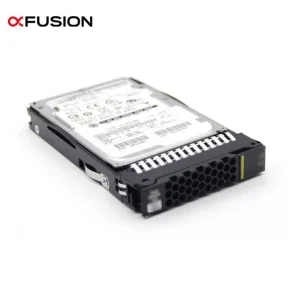
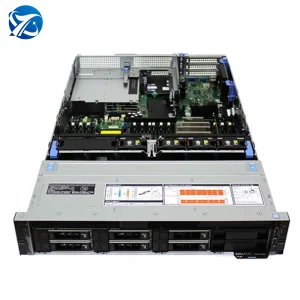
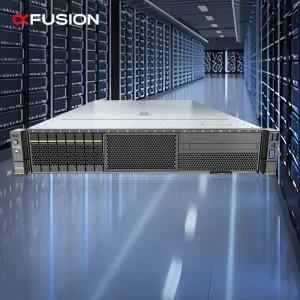
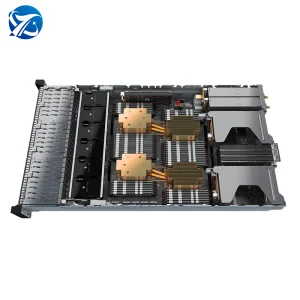
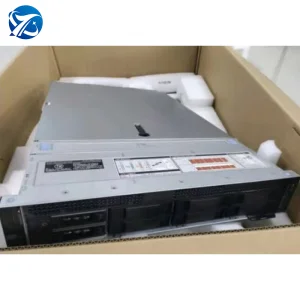
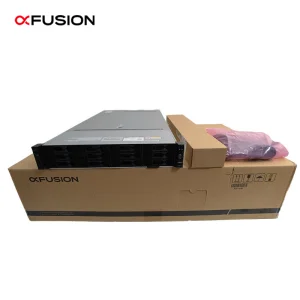
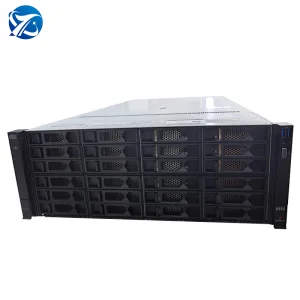
Modern data centers demand unprecedented compute density per square foot. High-density blade systems solve this by consolidating computing, networking, and power infrastructure into a unified chassis. Traditional rack systems often suffer from cabling complexities, decentralized management, and suboptimal cooling allocation. Blade architecture redefines the topology by introducing a midplane design that directly handles PCIe signals, power distribution, and high-speed networking fabrics (such as InfiniBand or 400G Ethernet).
By using a modular configuration, enterprise IT departments can hot-swap compute nodes without disrupting neighboring systems. Power density is optimized using central, shared N+1 redundant PSU arrays, which greatly decreases energy conversion losses compared to discrete power supplies in classic rackmount designs. From a compute perspective, this allows developers to pack multiple CPUs and high-thermal-design-power (TDP) GPUs into tight configurations, unlocking the raw computing speed necessary for large-scale data processing.
The rise of LLMs (Large Language Models), exemplified by systems like the DeepSeek 671B architecture, has shifted the global server landscape. Enterprises no longer treat computing units as standalone web servers; they are now building massive, interconnected tensor-processing fabrics. This transition has fueled a global spike in the acquisition of dense compute configurations that can handle deep learning pipelines, parallel database executions, and real-time inference workloads.
In Europe and North America, hyperscalers and private enterprise clouds are rapidly updating their physical architectures. They need dense compute platforms that fit within existing power envelopes. Standard installations face power limits at the rack level, making optimized thermal paths and intelligent power distribution units essential. Selecting a highly optimized manufacturer from key production clusters like Shenzhen ensures access to advanced motherboard designs, custom BIOS interfaces, and cost-effective raw materials.
As the primary source of global hardware, the Shenzhen electronics ecosystem provides unmatched manufacturing speed, efficiency, and cost advantages. NexGPU leverages this localized cluster to dramatically shorten lead times from engineering draft to final product shipment. By maintaining tight integration with local multi-layer PCB manufacturers, high-speed connector suppliers, and component distributors, we bypass the logistical delays that commonly slow down Western hardware integration.
Quality assurance is embedded at every step of our manufacturing pipeline. Our facilities run modern automated optical inspection (AOI) machines alongside strict environmental burn-in ovens to simulate extreme server operations under full compute load. Our testing protocols check system reliability under thermal stress, trace-signal integrity across high-speed PCIe lanes, and system stability under sudden power loss. Our strategic network of over 1,200 suppliers ensures we can scale up production quickly, even during global component shortages.
The industry's technical roadmap points toward higher thermal design envelopes (TDPs matching or exceeding 500W per chip) and faster data transfers. As PCIe Gen 5 becomes the industry baseline and Gen 6 approaches, system architectures must evolve to manage signal attenuation. This requires using low-loss PCB substrates, advanced copper traces, and co-packaged optics (CPO) to maintain stable data pipelines over the backplane.
Equally critical is the transition to liquid-cooling methods. Traditional air cooling reaches its thermal limits at approximately 30-35 kW per rack. To meet environmental requirements and hit Power Usage Effectiveness (PUE) ratings below 1.2, future systems will incorporate direct-to-chip (DLC) cold plate systems, warm water cooling loops, and immersive liquid setups. This shift not only prevents thermal throttling of dense GPU configurations but also significantly reduces the power required by chassis fans.
High-density blade technologies excel in environments where space is at a premium and latency must be minimized. In Smart Cities, dense edge nodes process real-time video, transit, and sensor data locally, avoiding the latency of routing to distant cloud data centers. In the financial sector, high-frequency trading platforms deploy these dense nodes in co-location facilities near market engines, using custom BIOS adjustments to minimize transaction latency.
Telecom operators also use these systems for 5G Virtualized Radio Access Networks (vRAN). These operators need rugged, shallow-depth servers capable of operating reliably in harsh roadside cabinet environments. In the energy sector, exploration platforms use dense multi-node systems to analyze seismic data directly on-site, allowing engineers to map subsurface formations without delays from raw data transmission.
For international buyers, hardware acquisition depends on meeting strict regulatory requirements. A reliable supplier must ensure all products meet CE, FCC, RoHS, and local telecom standards. Enterprise environments also demand strict management compliance, requiring IPMI 2.0 and Redfish-compliant BMC controllers to allow secure, remote configuration of hardware clusters without relying on proprietary vendor locks.
To support global deployments, NexGPU provides specialized logistical integration. Our systems are shipped in custom, impact-resistant packaging to prevent damage from transit vibrations. We handle all export documentation, including detailed HS code classifications, certificates of origin, and import compliance packages, ensuring smooth customs processing. Additionally, we offer custom OEM/ODM BIOS branding, tailored chassis paint finishes, and custom rails to ensure hassle-free integration into any standard datacenter cabinet.
A trusted global manufacturer specializing in GPU systems, AI infrastructure, and customized enterprise-grade compute platforms.
Founded in 2017, NexGPU Intelligent Computing Technology Co., Ltd. is a professional manufacturer specializing in GPU servers, AI computing infrastructure, high-performance computing (HPC) systems, and customized server solutions for global customers. Headquartered in Shenzhen, China, the company operates a modern manufacturing facility covering over 380 square meters, equipped with advanced assembly, testing, and quality control systems.
With more than 9 years of industry experience and 7 years of export experience, NexGPU has established itself as a trusted supplier for enterprises, cloud service providers, research institutions, AI startups, data centers, and system integrators worldwide. Our annual export revenue exceeds USD 18 million, serving customers across North America, Europe, Southeast Asia, the Middle East, and Oceania.
NexGPU maintains strict quality management standards throughout the production process. Every product undergoes comprehensive reliability testing, performance verification, burn-in testing, compatibility validation, and final inspection before shipment. Our dedicated quality control team consists of over 45 experienced inspectors, ensuring consistent product quality and reliability.
Supported by a strong global supply chain network of more than 1,200 strategic partners, NexGPU can efficiently source premium components and deliver flexible manufacturing solutions to meet diverse customer requirements. We offer extensive OEM and ODM services, including hardware configuration customization, chassis branding, firmware optimization, rack integration, and AI infrastructure deployment solutions.
Innovation is at the core of our business. Our R&D department includes over 120 engineers specializing in server architecture, thermal management, AI computing optimization, and system integration. Each year, NexGPU launches more than 80 new products and solution upgrades to address the rapidly evolving demands of artificial intelligence, machine learning, cloud computing, and enterprise data processing.
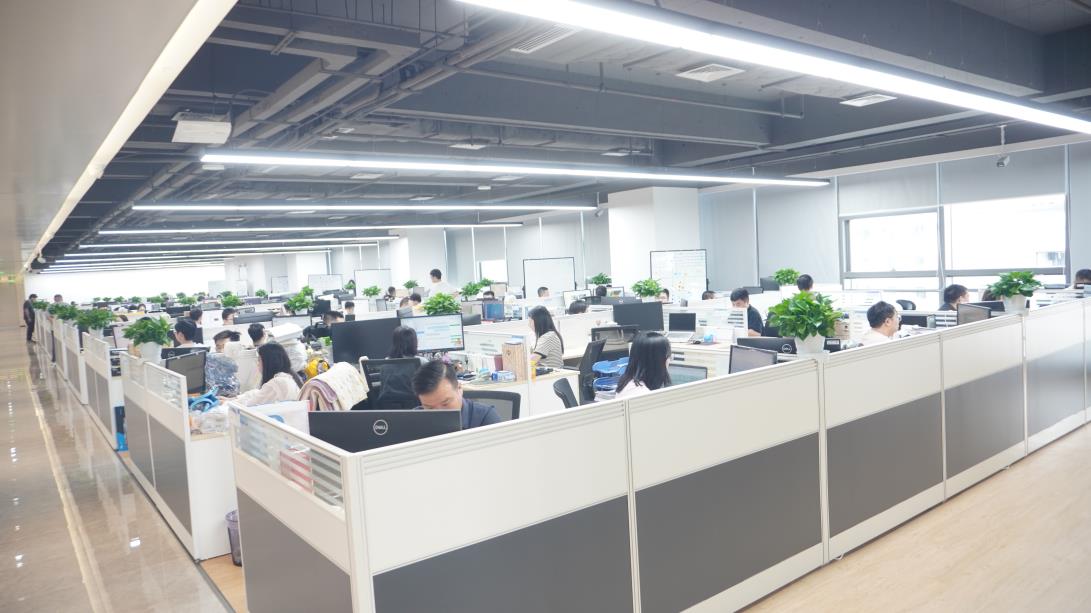
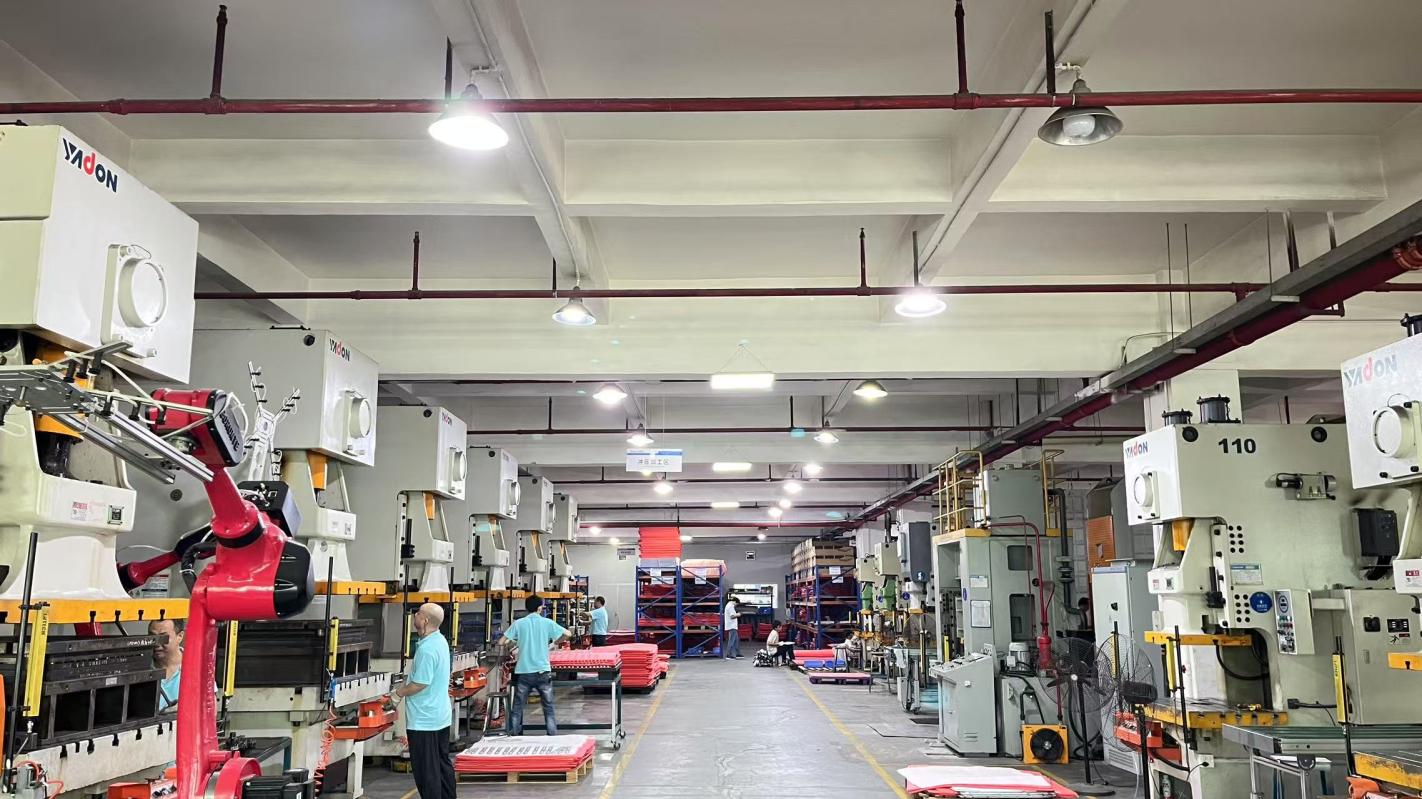
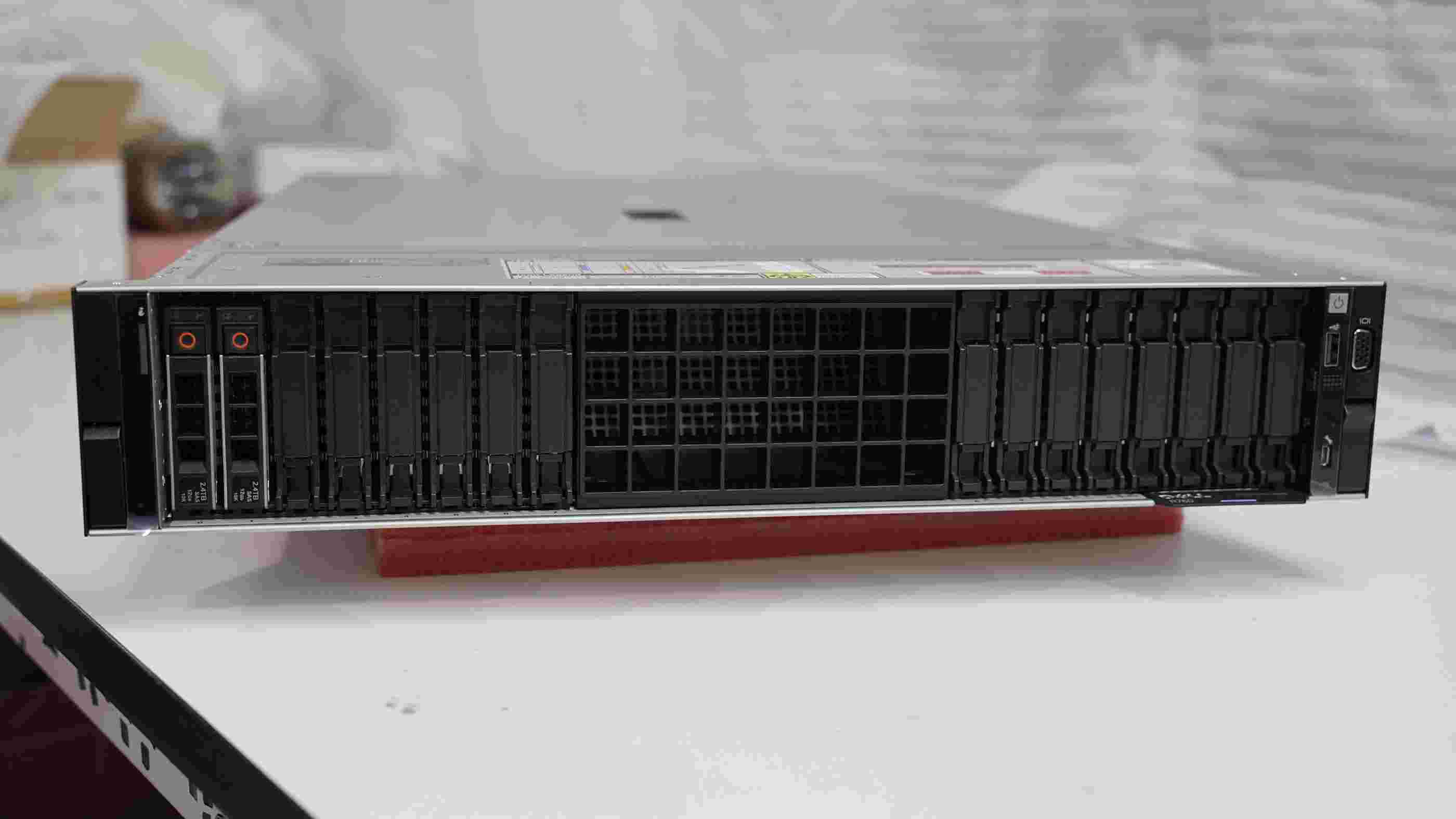
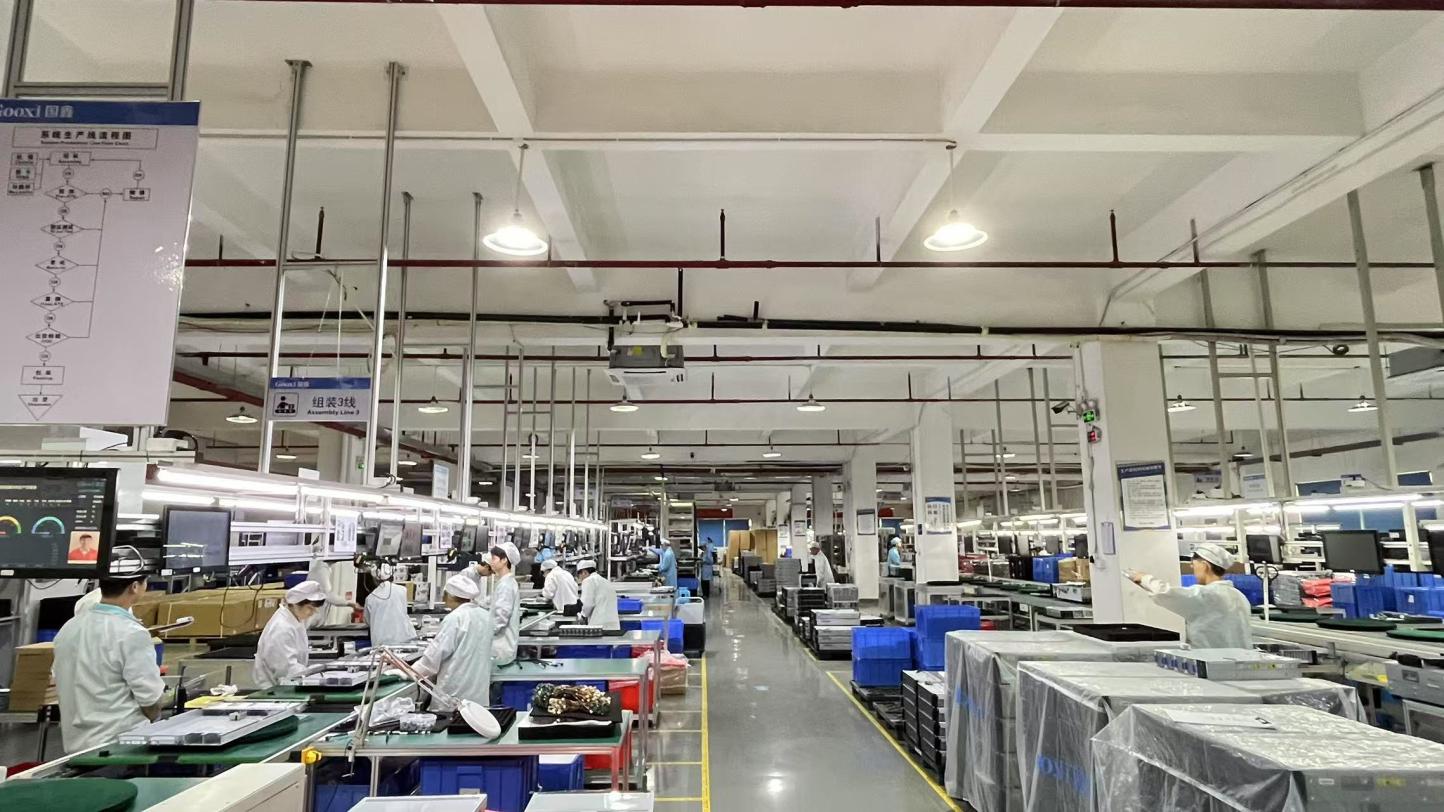
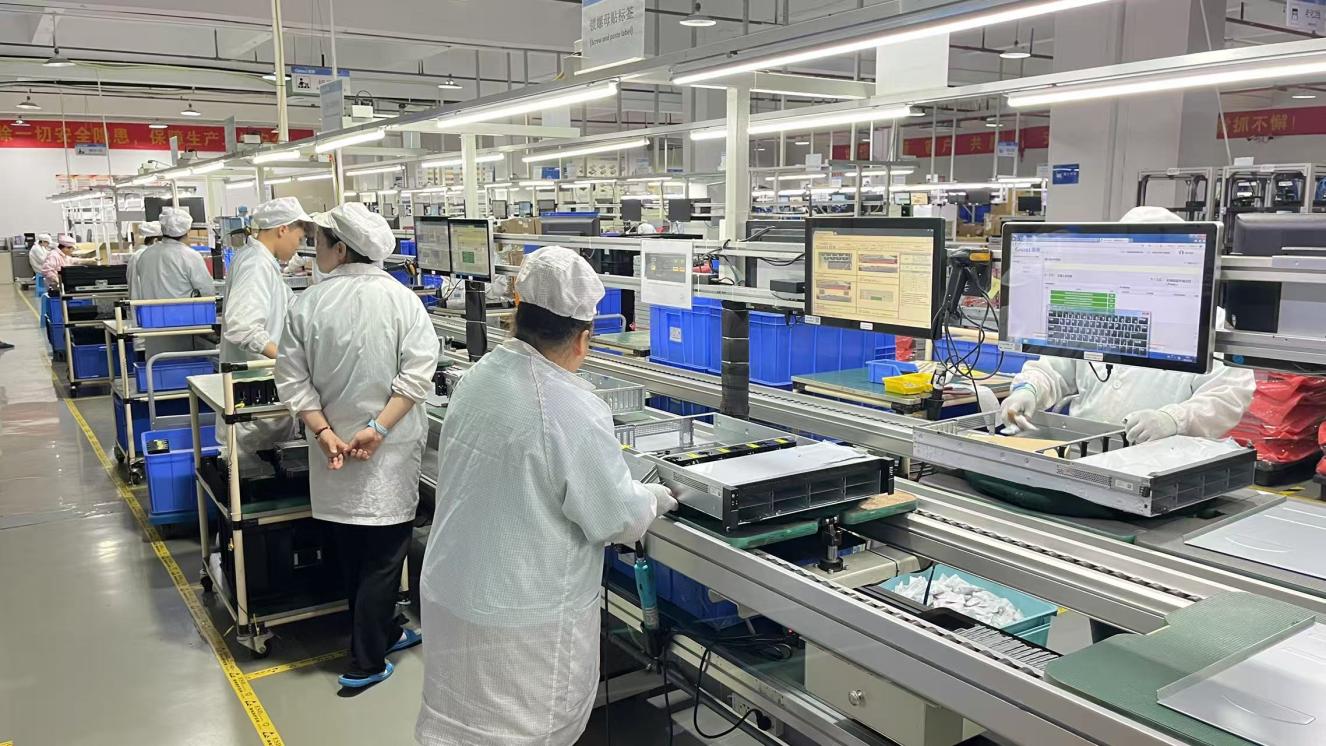

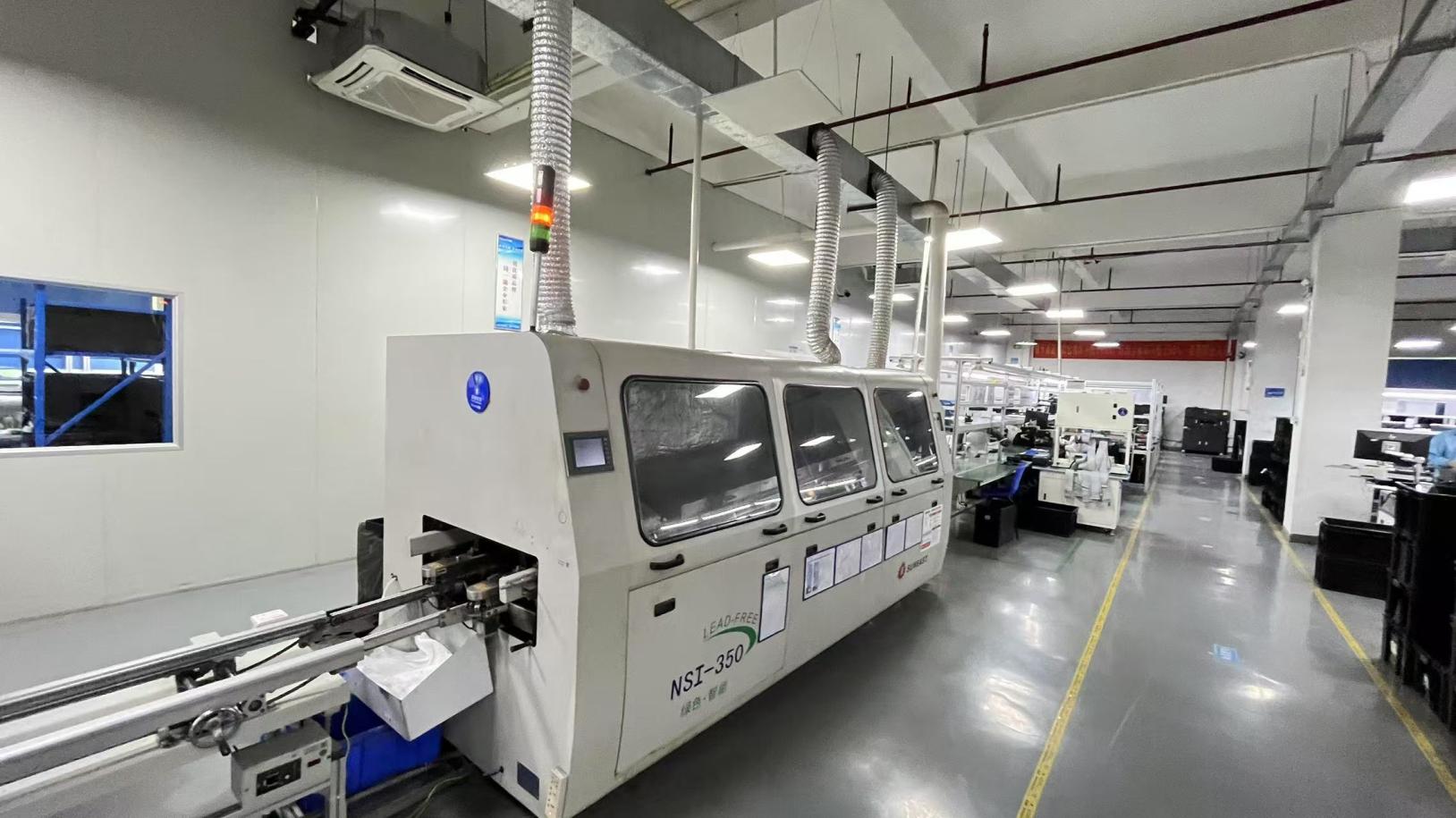
From custom chassis fabrication to specialized BIOS configuration, we optimize hardware performance for your specific workloads.
Maximize rack space utilization with customized blade chassis solutions tailored to your datacenter footprint.
Custom airflow ducts and liquid-to-air cooling options ensure your high-TDP systems run at peak performance.
Out-of-band management firmware allows remote server configuration without vendor lock-in.
From single-node cloud nodes to high-speed NVMe flash storage expansion modules, find the right equipment to build your data infrastructure.
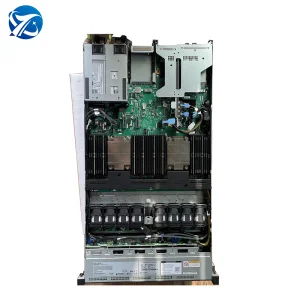
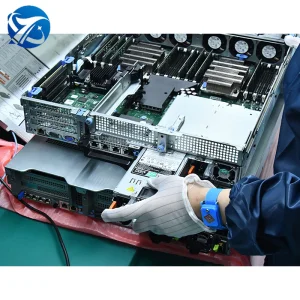
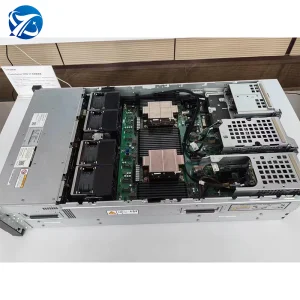
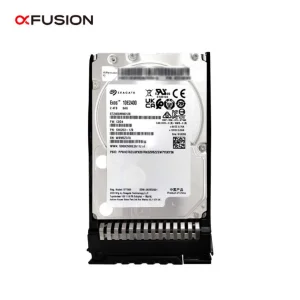
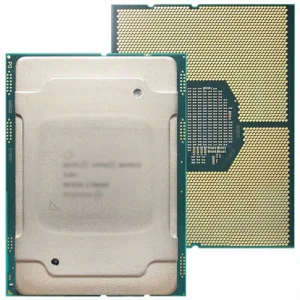
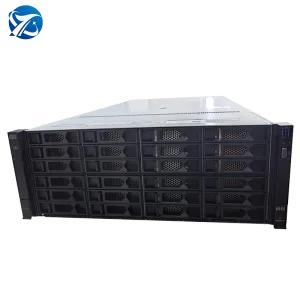
Get professional technical answers regarding component compatibility, thermal engineering, custom designs, and international shipping.
We design custom air-directing shrouds, integrate copper-vapor heat sinks, and offer options for liquid cooling integration. By running simulation software, we verify thermal behavior before manufacturing to ensure GPUs do not throttle under continuous heavy compute workloads.
Yes, our systems feature industry-standard ASPEED AST2600 BMC controllers. These controllers fully support IPMI 2.0 and the Redfish API, enabling remote telemetry tracking, secure updates, and hardware management from standard cloud frameworks.
We offer comprehensive hardware personalization options, including custom chassis silkscreening, customized BIOS/BMC splash screens, unique server ears, specialized backplanes, and optimized power delivery setups tailored to your specific voltage specifications.
Every compute module undergoes a rigorous 48-hour burn-in process at full compute load inside environmental testing chambers. Over 45 inspectors run thorough software testing protocols to verify memory, PCIe bus integrity, NVMe read/write speeds, and GPU stress levels before approving shipment.
We utilize impact-resistant packaging to prevent damage from transit vibrations. Our export team coordinates with global freight forwarding partners to provide comprehensive customs documents, accurate HS codes, and compliance certifications (CE, FCC, RoHS) to prevent customs delays.
Shenzhen hosts a dense concentration of high-end PCB fabricators, chassis mold manufacturers, and testing facilities. This local ecosystem allows us to quickly source raw components, dynamically adjust system designs, and fast-track production pipelines to deliver premium hardware at competitive prices.