NexGPU
NexGPU
NexGPU
High-throughput processing, massive packet-capture storage, and resilient computing systems designed for complex monitoring deployments.
In an era of hyper-scale hybrid clouds, decentralized architectures, and complex edge computing environments, corporate data pipelines demand continuous, millisecond-level traffic tracking. Network Monitoring Software (NMS) acts as the central intelligence of modern IT infrastructure. It scans network nodes, collects flow records, processes Simple Network Management Protocol (SNMP) polling requests, and parses telemetry streams. However, software-defined intelligence requires a robust, high-performance physical core to process these massive streams of network data.
As a premier China wholesale network hardware manufacturer and systems supplier, NexGPU Intelligent Computing Technology Co., Ltd. bridge the gap between network software and high-density, bare-metal server infrastructure. Modern NMS applications demand highly reliable multi-socket processing cores, high-throughput network cards (HBAs), and fast storage pools (NVMe and SATA SSDs) to run real-time anomaly detection, deep packet inspection (DPI), and syslog indexes. By aligning our hardware configurations with industry-standard monitoring tools like SolarWinds, PRTG, Zabbix, Datadog, and OpenNMS, we ensure global enterprise systems run with zero packet loss.
"The modern paradigm shift to AIOps (Artificial Intelligence for IT Operations) means network monitoring software is no longer just logging events. It is actively processing massive telemetry data streams to predict failures, which requires deep hardware integration and specialized processing engines."
Historically, network management relied on periodic polling, querying router and switch MIB (Management Information Base) tables using SNMP. While lightweight, this approach creates blind spots in dynamic, cloud-native deployments. Today, the network monitoring landscape is transforming through several key innovations:
These software trends require hardware architectures with large memory channels (such as 6400MT/s DIMMs) and multi-threaded processing power (e.g., 6th Gen Intel Xeon or AMD EPYC platforms) to handle concurrent data ingestion and machine learning inference at the edge.
Procuring enterprise hardware to host and run Network Monitoring Software demands strict adherence to rigorous engineering standards. Enterprises cannot afford packet dropouts or telemetry lag. Key hardware specifications for system integrators and IT leaders include:
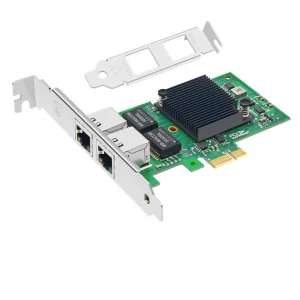
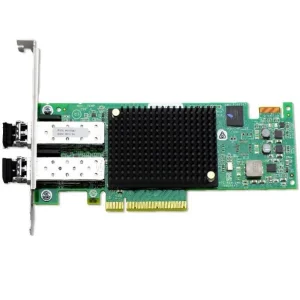
Dual or quad-port high-speed Network Interface Cards (NICs), such as 32Gb FC HBA or 25GbE SFP28 interfaces, to feed incoming switch mirror ports (SPAN) or network TAPs directly into analysis engines.
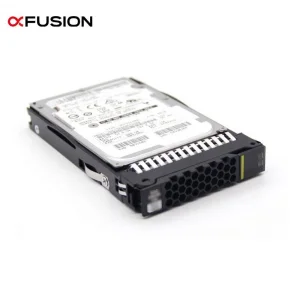
Read-intensive, enterprise-grade SATA/NVMe SSD arrays (e.g., PM893 SSD series) to write time-series metrics, syslog indexes, and transactional packet captures with minimal wear and high write endurance.
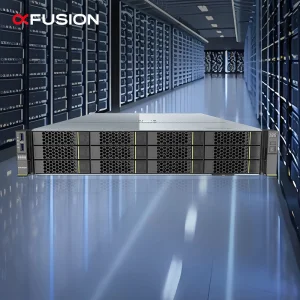
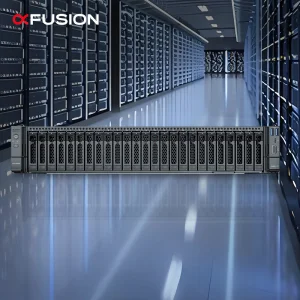
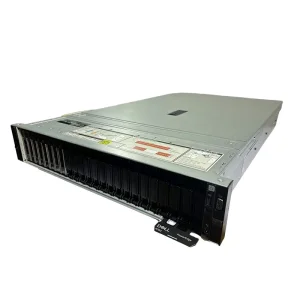
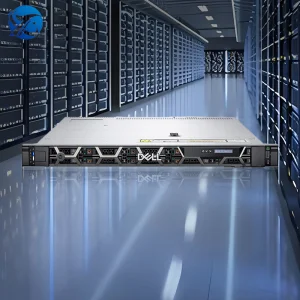
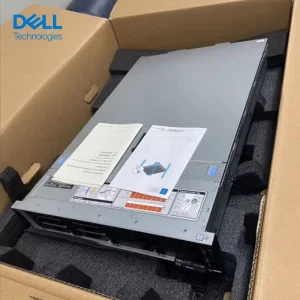
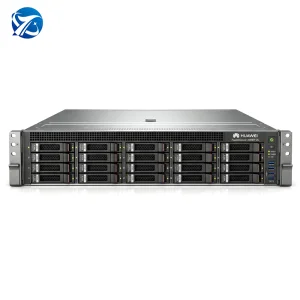
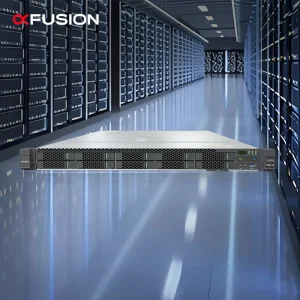
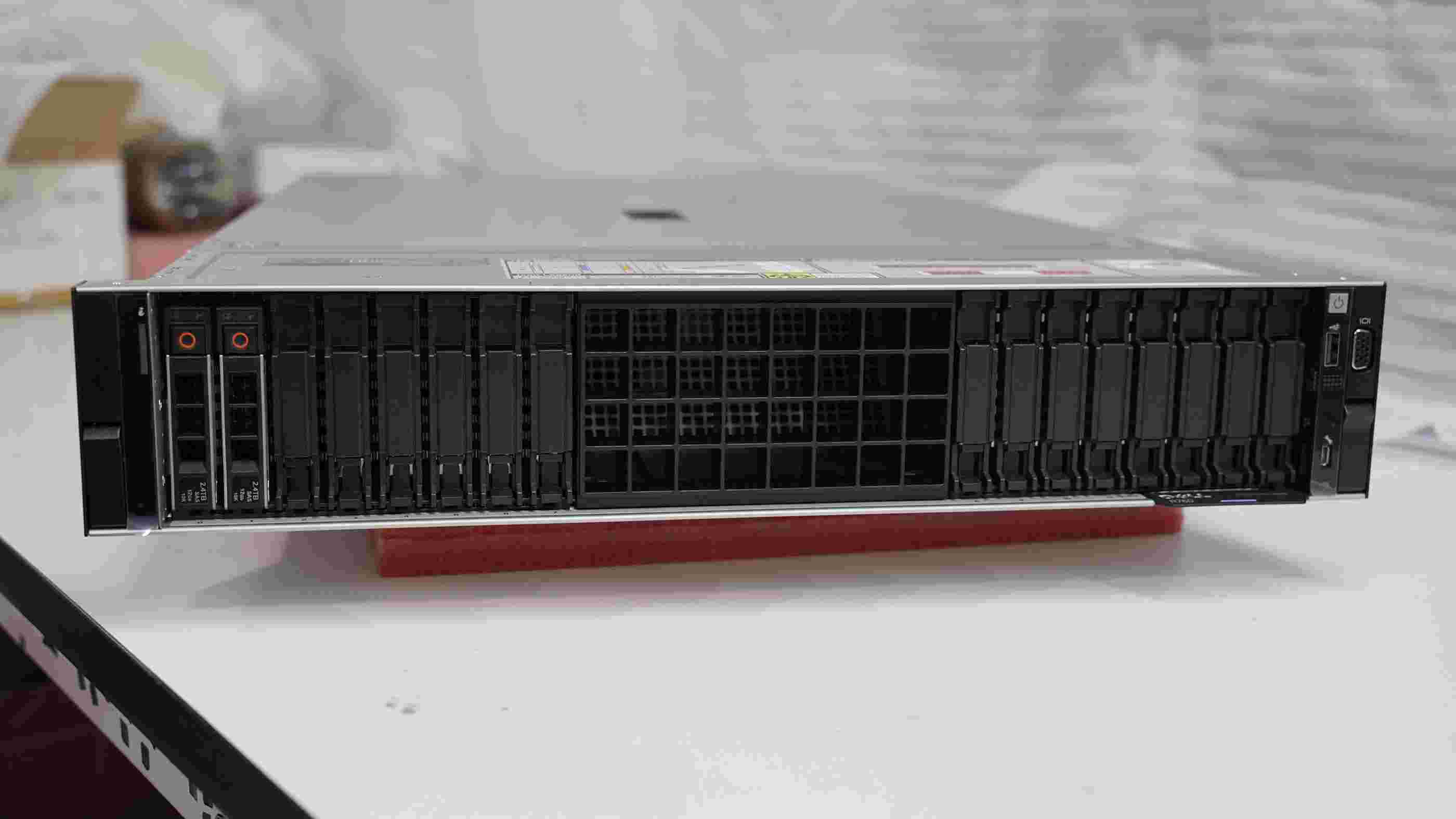
1U and 2U rack-dense server structures (such as Dell PowerEdge R660/R750 or xFusion 1288H V6) containing high-performance multi-core processors capable of handling intense computational multi-threading.
To ensure compatibility across global software ecosystems, NexGPU designs and manufactures servers compatible with standard hypervisors (VMware ESXi, Proxmox VE, KVM) and enterprise operating systems (Red Hat Enterprise Linux, Windows Server, Ubuntu LTS).
How NexGPU leverages advanced Shenzhen manufacturing systems to deliver reliable enterprise IT infrastructure.
Shenzhen, China represents the epicenter of advanced global electronics production. At NexGPU, we harness this geographic ecosystem to establish complete vertical integration for server production. Our strategic network of over 1,200 partners guarantees access to critical components, including raw PCBs, controller chipsets, memory modules, and specialized power supplies, mitigating the risks of global supply chain disruptions.
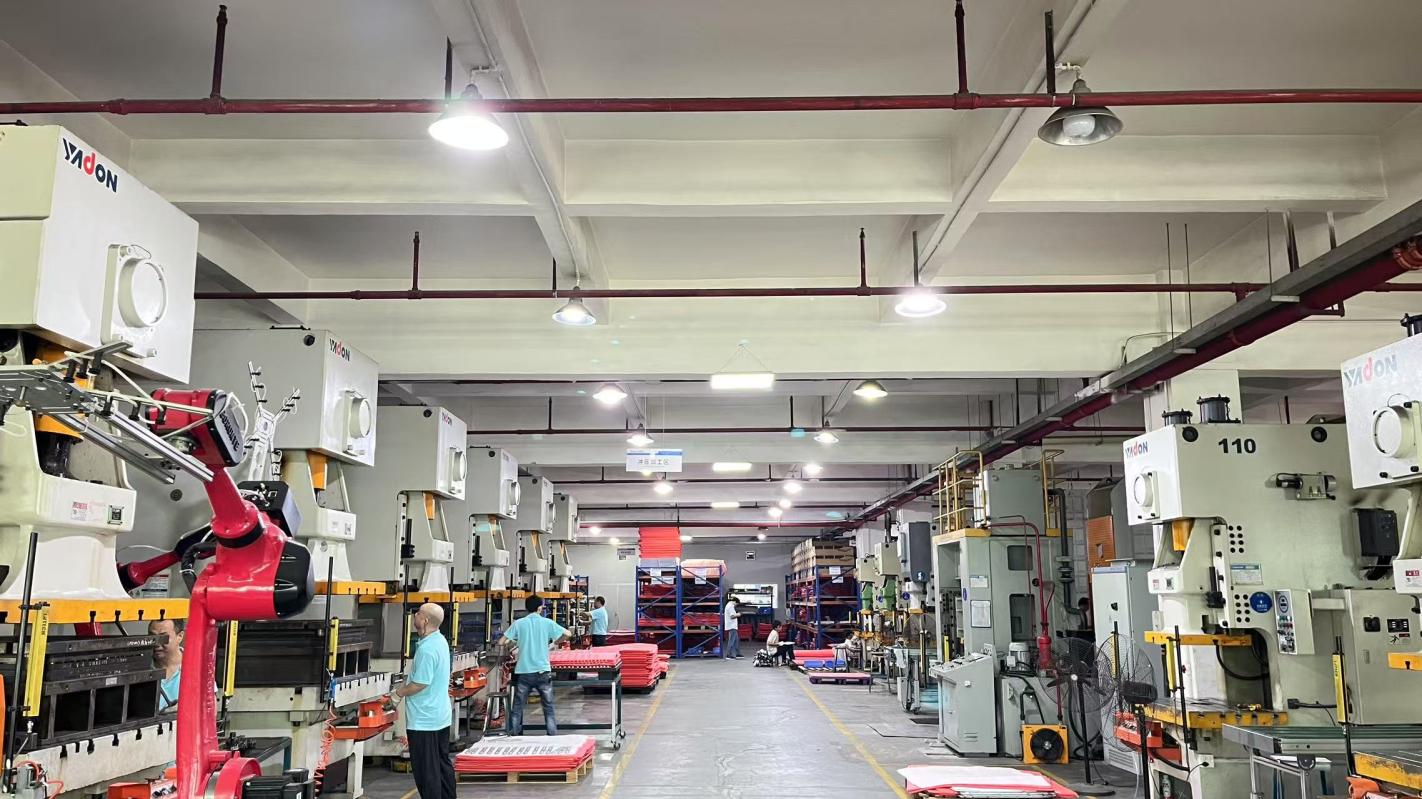
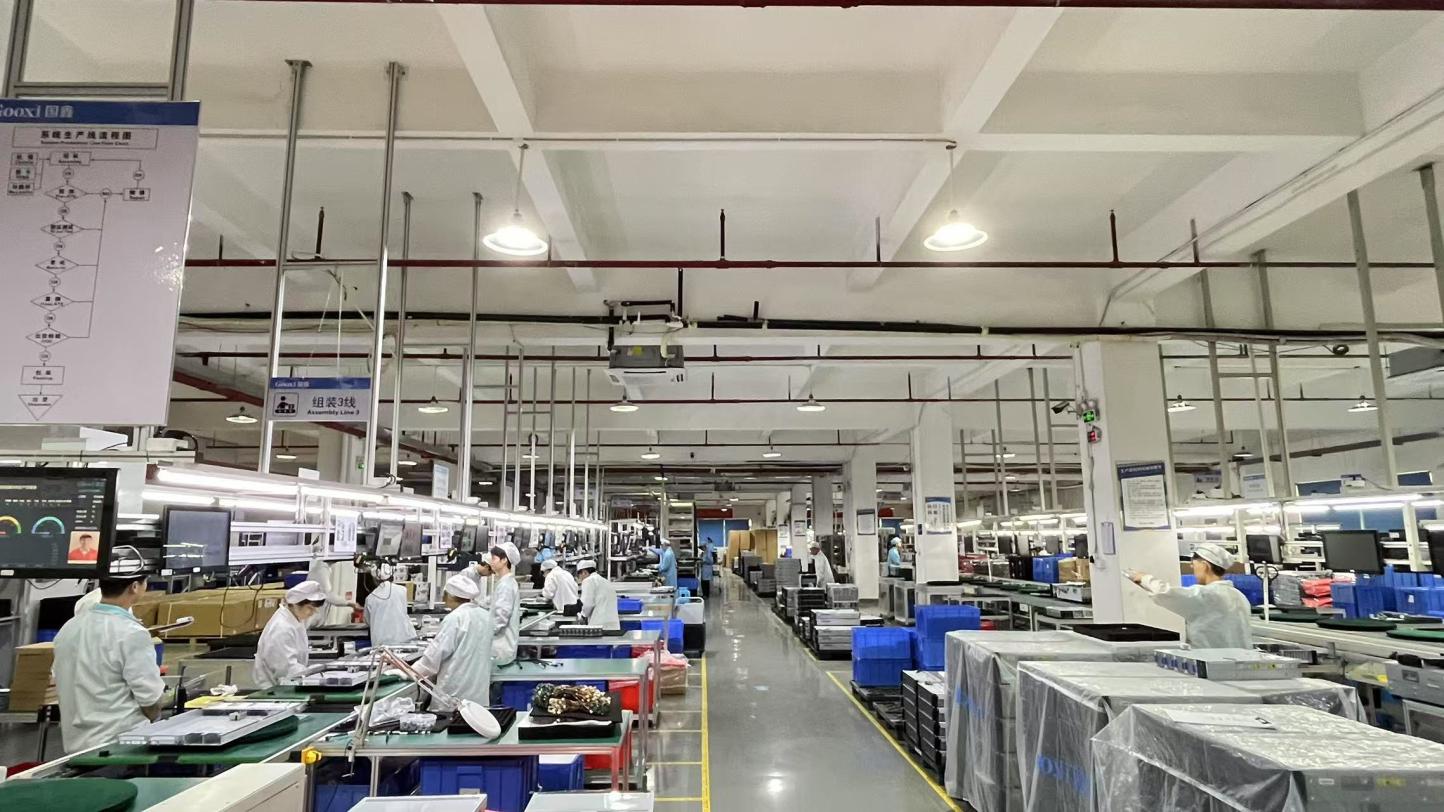
Under Industry 4.0 principles, our production process utilizes smart manufacturing systems. This integration ensures structural testing, hardware flashing, compatibility validation, and environmental burn-in stress tests are monitored electronically. Our 45+ QA inspectors evaluate each server configuration against precise operational parameters. This rigorous process guarantees that each piece of rack-mount hardware shipped to global enterprises is ready for deployment in production data centers.
Network monitoring configurations vary depending on the target environment. Our customized ODM/OEM server platforms are engineered for several primary scenarios:
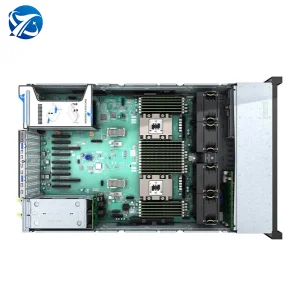
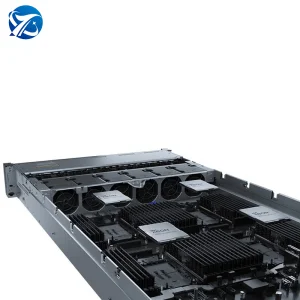
Modern cloud environments rely on hypervisors to handle thousands of virtual network segments. Hosting a management console like VMware Aria Operations or Zabbix on a 2U multi-socket platform (e.g., FusionServer 2488H V7 or Dell R760) allows teams to analyze virtual switches, check VXLAN integrity, and process continuous metrics streams from local and remote nodes without impacting CPU availability.
In smart factories, network reliability directly affects physical safety and assembly uptime. Our rack-mount servers run monitoring software that tracks Modbus, OPC UA, and Industrial Ethernet protocols (PROFINET, EtherNet/IP). Operating in harsh manufacturing environments, these systems utilize dust-filtering designs, redundant titanium power supplies (such as 1500W hot-swap variants), and optimized chassis airflow.
Financial institutions require sub-microsecond latency tracking. Monitoring infrastructure in these environments utilizes dedicated PCIe expansion slots to host Emulex dual-port fiber cards, processing network mirror packets directly on bare-metal systems with minimized internal pathing latency.
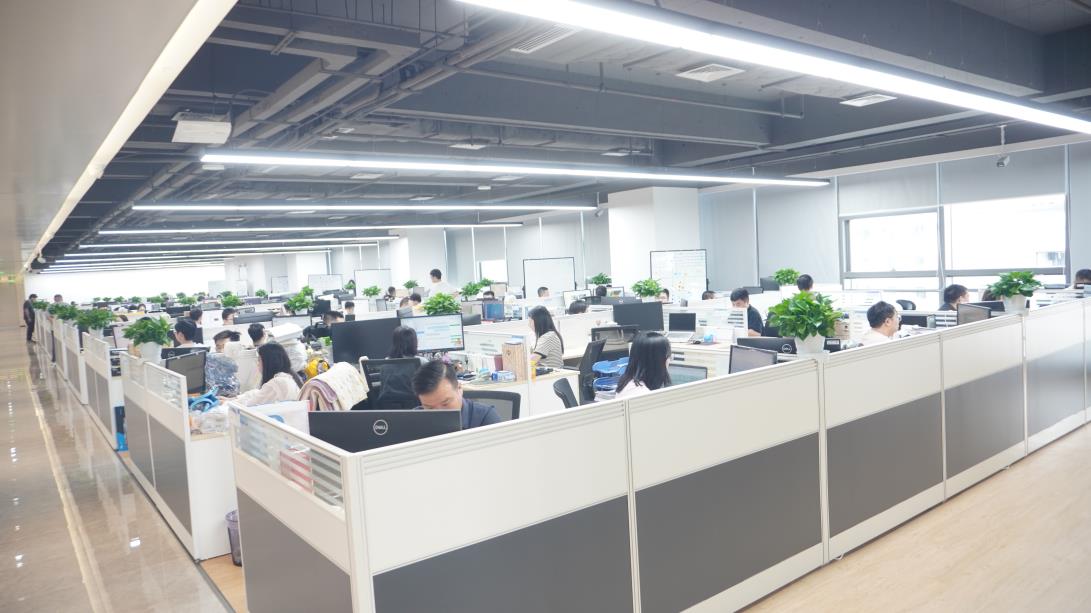
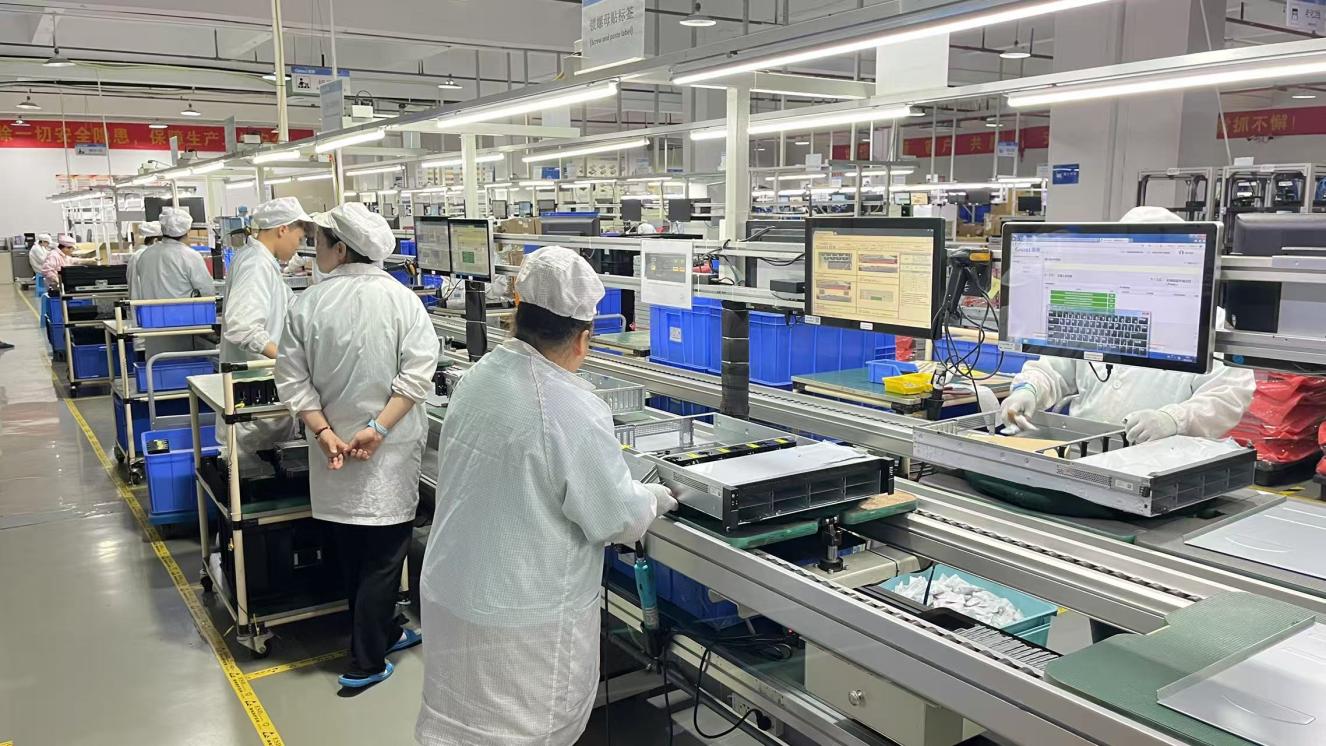
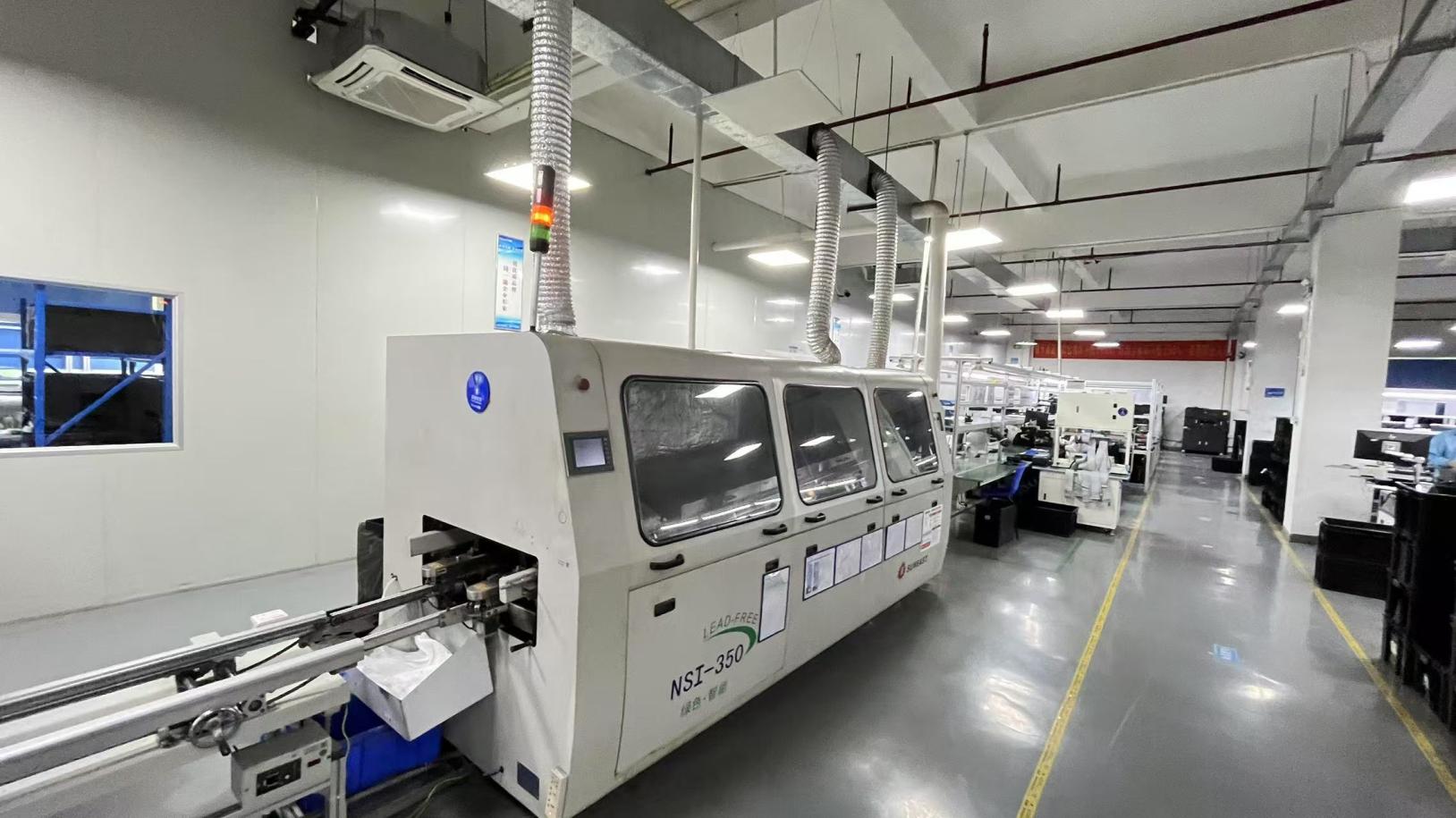
A look into NexGPU Intelligent Computing Technology Co., Ltd. headquarters, assembly lines, and testing units.
Founded in 2017, NexGPU Intelligent Computing Technology Co., Ltd. is a professional manufacturer specializing in GPU servers, AI computing infrastructure, high-performance computing (HPC) systems, and customized server solutions for global customers. Headquartered in Shenzhen, China, the company operates a modern manufacturing facility covering over 380 square meters, equipped with advanced assembly, testing, and quality control systems.
With more than 9 years of industry experience and 7 years of export experience, NexGPU has established itself as a trusted supplier for enterprises, cloud service providers, research institutions, AI startups, data centers, and system integrators worldwide. Our annual export revenue exceeds USD 18 million, serving customers across North America, Europe, Southeast Asia, the Middle East, and Oceania.
NexGPU maintains strict quality management standards throughout the production process. Every product undergoes comprehensive reliability testing, performance verification, burn-in testing, compatibility validation, and final inspection before shipment. Our dedicated quality control team consists of over 45 experienced inspectors, ensuring consistent product quality and reliability.
Supported by a strong global supply chain network of more than 1,200 strategic partners, NexGPU can efficiently source premium components and deliver flexible manufacturing solutions to meet diverse customer requirements. We offer extensive OEM and ODM services, including hardware configuration customization, chassis branding, firmware optimization, rack integration, and AI infrastructure deployment solutions.
Innovation is at the core of our business. Our R&D department includes over 120 engineers specializing in server architecture, thermal management, AI computing optimization, and system integration. Each year, NexGPU launches more than 80 new products and solution upgrades to address the rapidly evolving demands of artificial intelligence, machine learning, cloud computing, and enterprise data processing.

Technical and procurement inquiries addressed by our expert hardware development team.
High-capacity storage, specialized networking cards, and multi-socket AI computing engines.