NexGPU
NexGPU
NexGPU
Explore our top tier architectural computing units designed for AI Deep Learning workloads, virtualization, and hyperscale cloud environments.
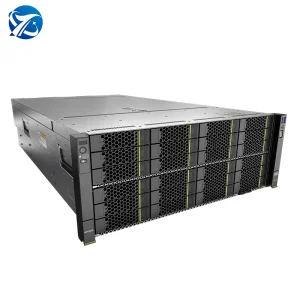
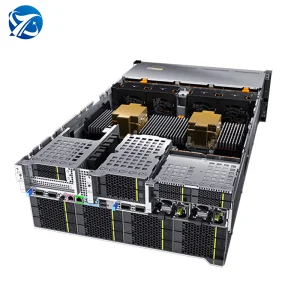
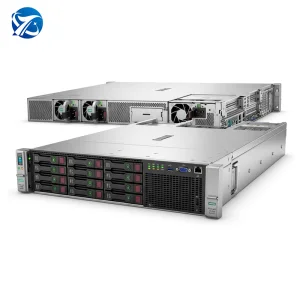
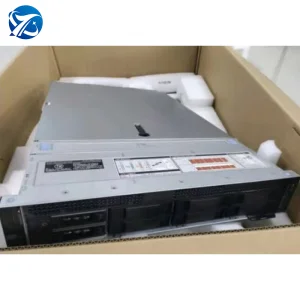
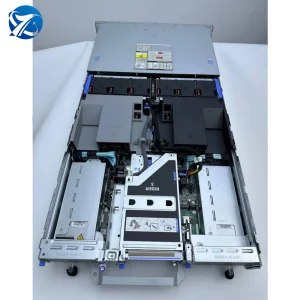
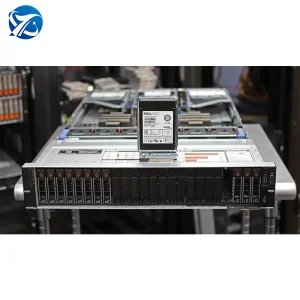
Modern hyperscale infrastructures demand modular engineering. Standard hardware platforms lock data center operations into rigid vendor cycles. The Open Compute Project (OCP) redefines hardware design by separating the power path, structural rack components, thermal sub-systems, and computational sleds.
By integrating an Open Rack standard (such as ORV2 and ORV3), enterprises decouple the lifespan of compute nodes from the core rack configuration. This architectural separation decreases Capital Expenditures (CAPEX) and Operating Expenditures (OPEX) while optimizing overall Power Usage Effectiveness (PUE) down to <1.15.
Traditional server configurations require redundant power supply units (PSUs) inside every individual chassis. OCP replaces this waste with centralized power shelves at the rack level. When deploying hundreds of high-density AI clusters, this consolidation eliminates hundreds of redundant component points of failure.
Accelerating innovation with world-class GPU systems, high-performance computing (HPC) nodes, and customized rack infrastructure.
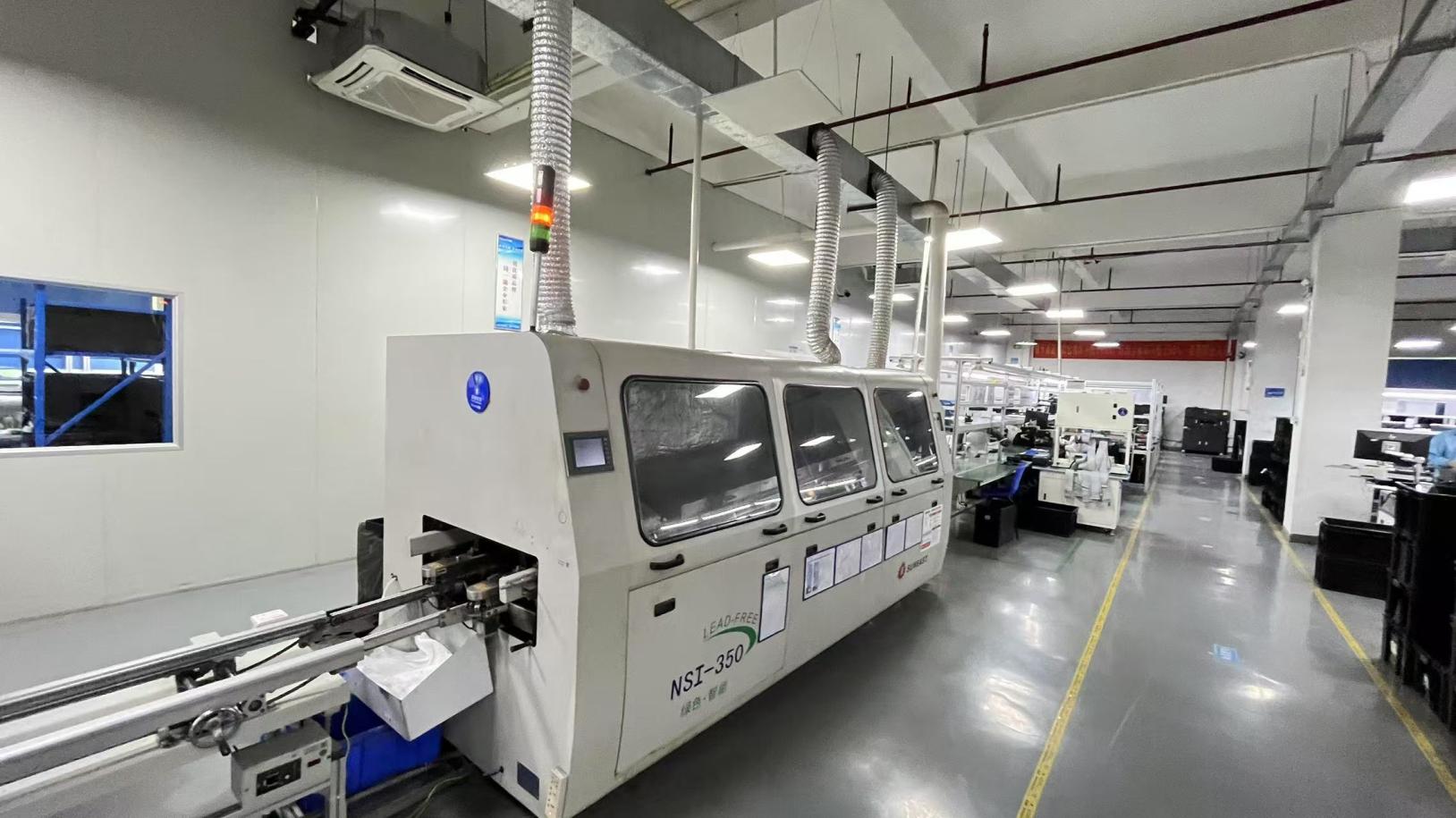
Founded in 2017, NexGPU Intelligent Computing Technology Co., Ltd. is a professional manufacturer specializing in GPU servers, AI computing infrastructure, high-performance computing (HPC) systems, and customized server solutions for global customers. Headquartered in Shenzhen, China, the company operates a modern manufacturing facility covering over 380 square meters, equipped with advanced assembly, testing, and quality control systems.
With more than 9 years of industry experience and 7 years of export experience, NexGPU has established itself as a trusted supplier for enterprises, cloud service providers, research institutions, AI startups, data centers, and system integrators worldwide. Our annual export revenue exceeds USD 18 million, serving customers across North America, Europe, Southeast Asia, the Middle East, and Oceania.
Our R&D department includes over 120 engineers specializing in server architecture, thermal management, AI computing optimization, and system integration. Each year, NexGPU launches more than 80 new products and solution upgrades to address the rapidly evolving demands of artificial intelligence, machine learning, cloud computing, and enterprise data processing.
NexGPU maintains strict quality management standards throughout the production process. Every product undergoes comprehensive reliability testing, performance verification, burn-in testing, compatibility validation, and final inspection before shipment. Our dedicated quality control team consists of over 45 experienced inspectors, ensuring consistent product quality and reliability.
Supported by a strong global supply chain network of more than 1,200 strategic partners, NexGPU can efficiently source premium components and deliver flexible manufacturing solutions to meet diverse customer requirements. We offer extensive OEM and ODM services, including hardware configuration customization, chassis branding, firmware optimization, rack integration, and AI infrastructure deployment solutions.
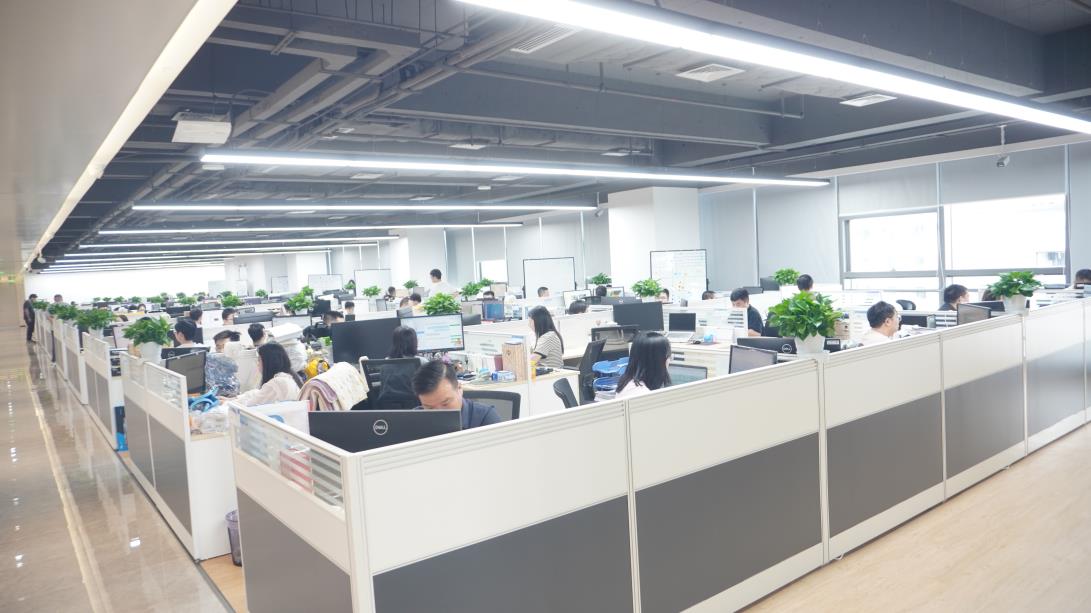
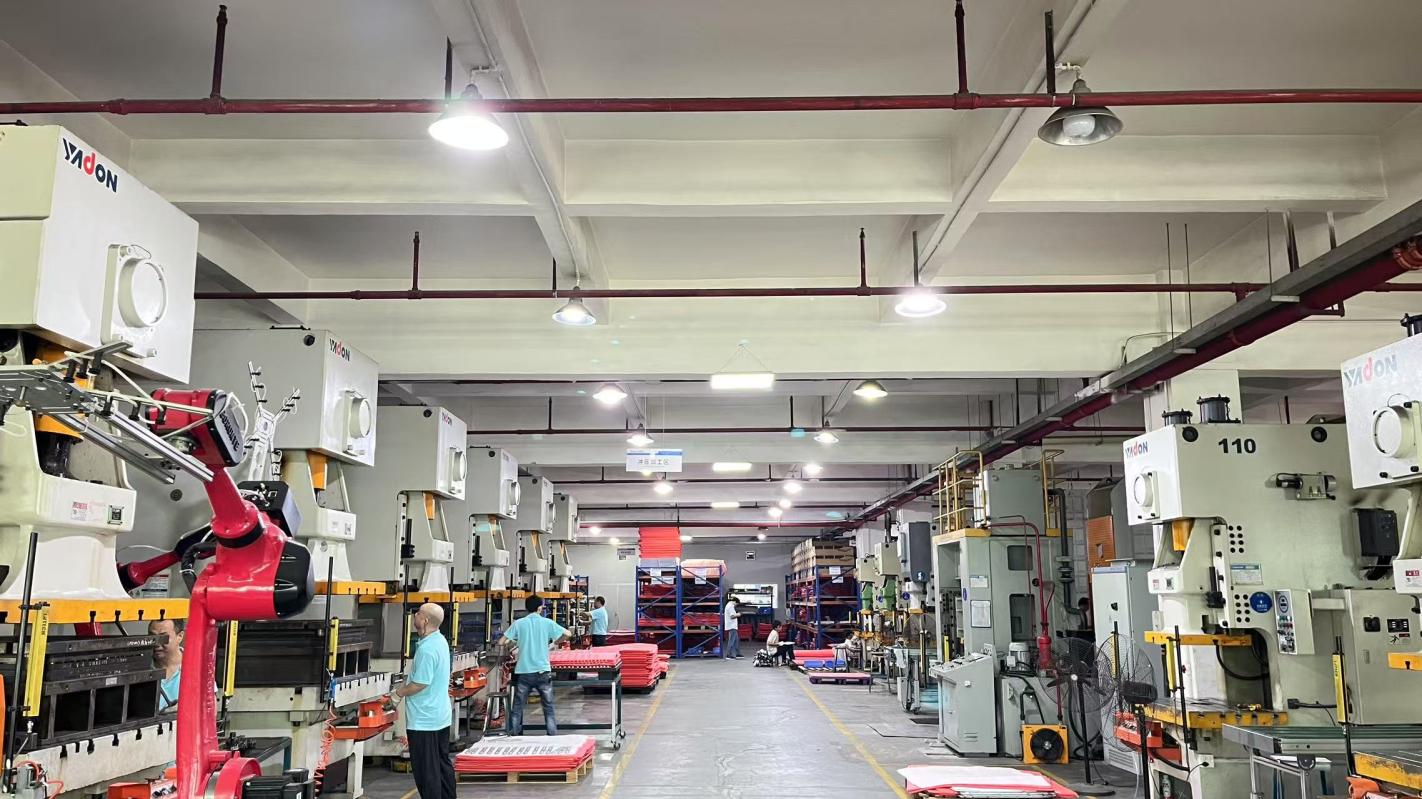
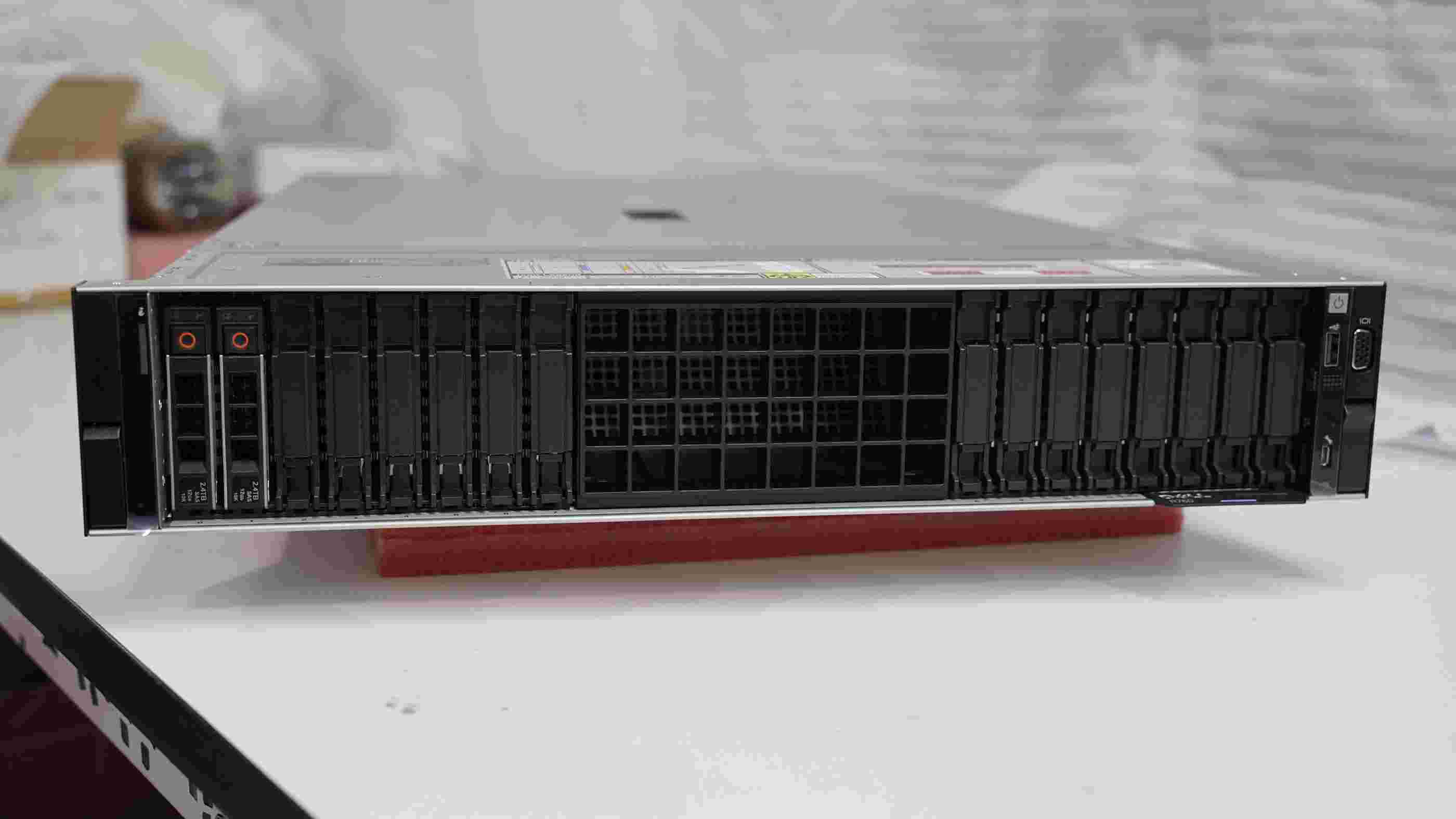
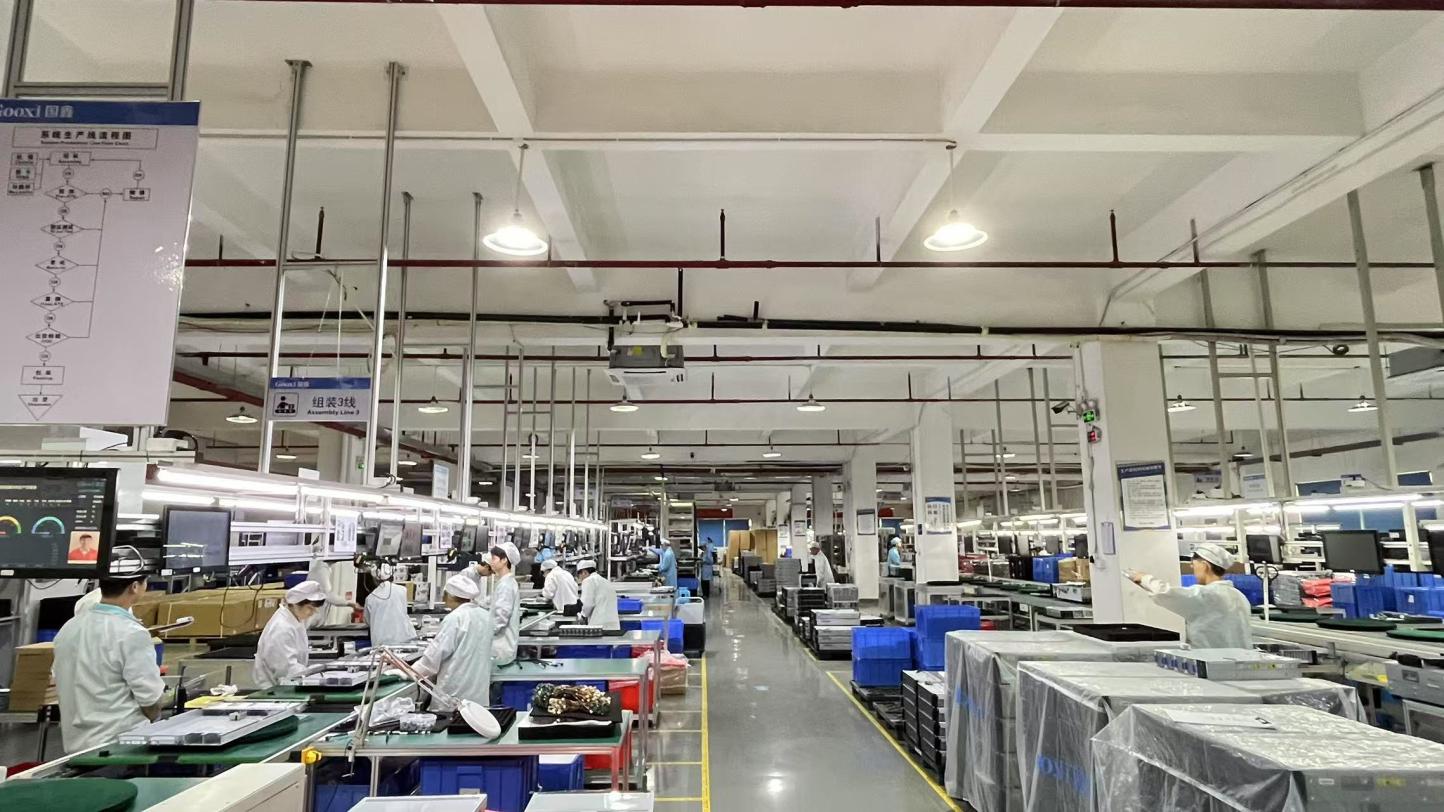
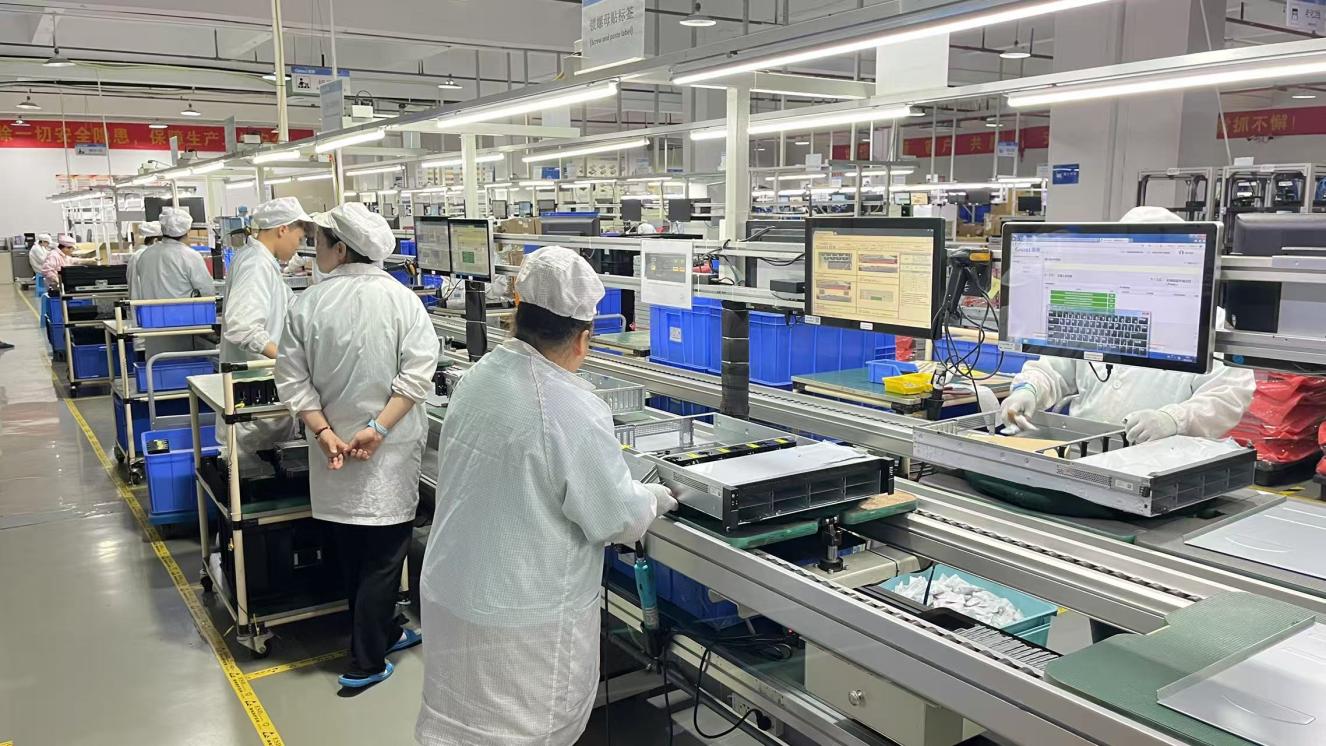

Capitalizing on localized hardware clusters to accelerate prototyping, reduce delivery lead times, and optimize components cost.
Shenzhen's manufacturing cluster enables custom design loops for OCP sheet metal fabrication, customized 21-inch Open Racks, and busbar configurations in under two weeks, drastically speeding time-to-market compared to traditional western suppliers.
By coordinating closely with thousands of direct semiconductor manufacturers, passives fabricators, and interconnect providers, we isolate our clients from global component shortages and secure stable production pricing schedules.
Our proximity to leading power supply manufacturing hubs allows the integration of high efficiency ORV3 48V power shelves with custom busbar architectures, achieving up to 97.5% AC-to-DC conversion efficiency values.
Evaluating the intersection of hyperscale open-hardware framework designs and high density generative AI server configurations.
As advanced processors exceed thermal dissipation thresholds of 700W to 1000W per chip, air-cooled OCP designs are shifting rapidly towards hybrid liquid cooling loops. NexGPU's ODM facilities construct custom quick-disconnect manifolds, CDUs (Coolant Distribution Units), and cold plates that interface directly with Open Rack V3 cooling specifications. This allows reliable management of high thermal outputs under heavy AI training computations.
Running highly optimized open-source large language models (such as DeepSeek R1/V3) requires dense matrix multiplication operations across scale-up systems. Standard OCP rack configurations offer highly modular topologies that accept dense GPU nodes linked through high-bandwidth interconnects (PCIe Gen 5/6 and CXL). Our designs minimize physical signal attenuation, ensuring error-free cluster computing.
Datacenter security starts with physical server controllers. Implementing OCP DC-SCM (Data Center Secure Control Module) standardizes management and security processors away from the primary compute board. This architecture ensures that if a vulnerability is detected, security firmware and Root-of-Trust (RoT) implementations can be swapped without discarding costly CPU or GPU baseboard infrastructures.
NexGPU's export systems are engineered to streamline regional customs clearing and deployment certifications. Every single OCP shelf, GPU expansion unit, and server chassis we build complies with international testing criteria to avoid project delays during destination site integration.
A major challenge for global procurement offices sourcing from China is the availability of localized technical support. NexGPU overcomes this boundary through partnerships with worldwide hardware integrators who offer localized on-site installation, component diagnostics, and firmware optimization services.
Whether your project requires deployment in North America, Europe, or Southeast Asia, our team works in parallel with your local system engineers. We provide detailed CAD layouts, thermal modeling validations, and compatibility testing results before the cargo leaves our Shenzhen factory.
Optimizing layout architectures for specialized enterprise computing, cloud, and edge environments.
Cloud providers running massive virtualization networks deploy our OCP standard solutions to implement quick component-level replacement strategies. By routing power through a central system busbar, maintenance workers can swap faulty motherboard sleds in under 2 minutes without needing to disconnect server cables. This structure drastically lowers MTTR (Mean Time to Repair).
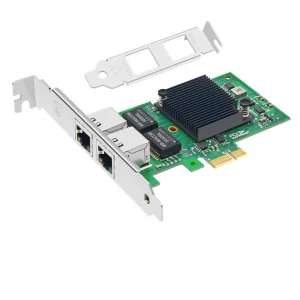
Financial services require minimal latency. By custom-tuning low-latency BIOS matrices on our customized 1U/2U server modules, and pairing them with high-bandwidth network interface cards (NICs), we supply trading desks with optimized compute configurations to process financial market signals with sub-microsecond precision.
Smart logistics depots and modern industrial complexes require rugged edge systems. By repackaging GPU compute modules into short-depth chassis models, we deliver resilient computing nodes capable of managing visual inspection systems, robotic control routines, and localized analytical algorithms directly on the manufacturing floor.
Clear answers to crucial engineering, logistics, and product customization queries.
The principal differences lie in the power system configurations and dimensions. ORV2 configurations utilize a single 12V DC busbar system, which can limit efficiency when feeding high-power density loads. ORV3 transitions to a consolidated 48V DC busbar topology, lowering resistive losses by nearly 16 times compared to 12V systems. ORV3 also offers more robust rack sizing limits and integrated liquid cooling pipelines to accommodate modern thermal management requirements.
Our specialized lab uses OCP hardware standards to verify every platform. We perform rigorous mechanical matching checks, signal integrity analysis on backplanes, and power efficiency curves across all operational states. In addition, our 45+ QC inspectors supervise rigorous burn-in tests in high-temperature environments to confirm long-term system stability.
Yes, our R&D team of 120+ engineers specializes in configuring custom system firmware. We routinely build custom IPMI profiles, specialize BMC modules for remote network management, and customize BIOS parameters to support unique hardware components or maximize computational speeds for special applications.
Because server components are highly sensitive, we employ customized shock-absorbent packaging. For rack-level delivery (LFR - Integration Rack delivery), we utilize specialized wood crates mounted on dampening shock pallets. Each shipment includes integrated tilt and shock sensors to monitor shipping quality and prevent transit damage.
Yes. We design and modify chassis options to support both single-phase and two-phase direct immersion cooling systems. Our engineers select compatible materials for gaskets, thermal compounds, and mechanical components to ensure long-term stability when submerged in dielectric fluids.
Review our high-density GPU server platforms, enterprise arrays, and processing components engineered for performance and scalability.