NexGPU
NexGPU
NexGPU
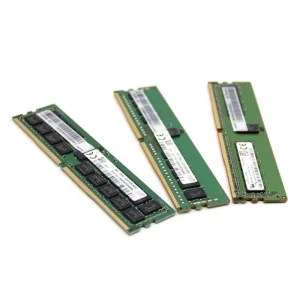
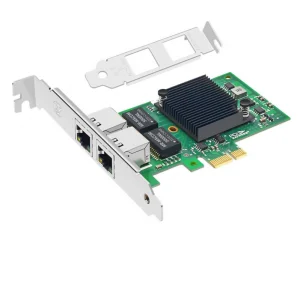
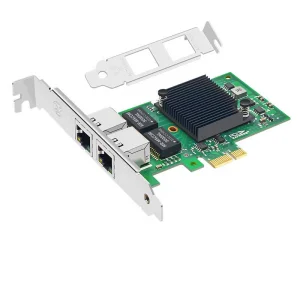
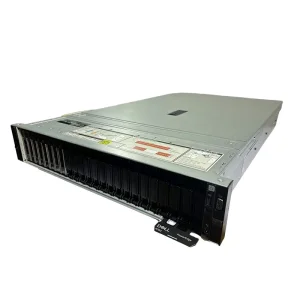
Deploy high-performance database arrays, GPU clusters, and reliable networking topologies with our hot-selling production equipment.
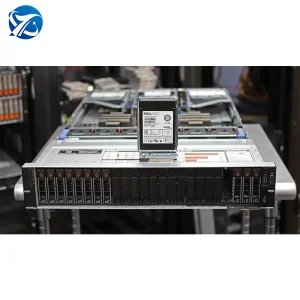
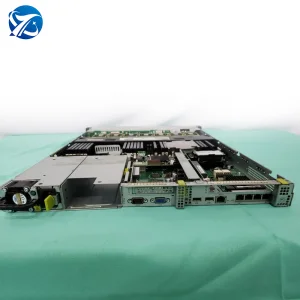
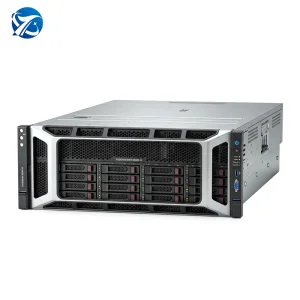
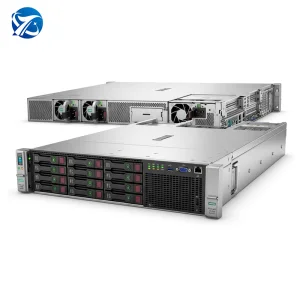
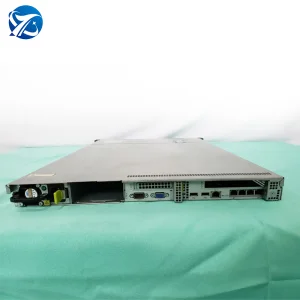
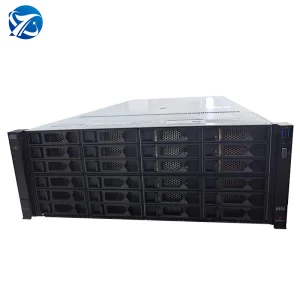
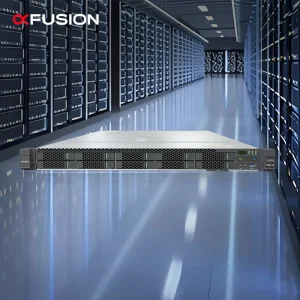
Founded in 2017, NexGPU Intelligent Computing Technology Co., Ltd. is a leading professional manufacturer specializing in high-density GPU servers, AI computing infrastructure, high-performance computing (HPC) systems, and tailored enterprise server solutions for global markets. Headquartered in the global technology and hardware manufacturing hub of Shenzhen, China, our advanced facility spans over 380 square meters and is equipped with cutting-edge automated assembly lines, stress-testing bays, and rigorous quality inspection architectures.
Leveraging over 9 years of industry experience and 7 years of specialized export excellence, NexGPU has built an authoritative reputation as a tier-1 supplier. We serve top-tier enterprises, hyperscale cloud service providers, public and private research institutions, leading AI startups, global data centers, and systems integrators. With an annual export volume surpassing USD 18 million, our specialized equipment powers computational frameworks throughout North America, Europe, Southeast Asia, the Middle East, and Oceania.
Our comprehensive integration process connects advanced component sourcing with tailored firmware tuning. Supported by an extensive strategic network of more than 1,200 partners, we eliminate supply-chain bottlenecks and offer full OEM and ODM customization services—encompassing structural chassis engineering, hardware layout adjustments, localized BMC/IPMI firmware design, and rack-level thermal optimization.
The convergence of Big Data, high-speed neural networks, and Deep Learning models demands robust compute fabrics. NexGPU stands at the forefront of this industrial paradigm shift.
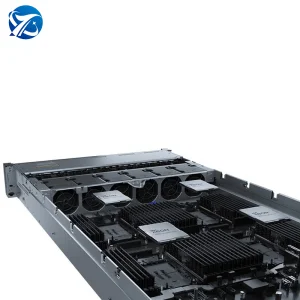
Modern enterprise environments are transitioning rapidly from basic virtualization hosts to high-density, multi-socket GPU compute servers. High thermal efficiency and PCIe lane distribution design dictate system stability during massive AI training models, such as localized DeepSeek deployments.
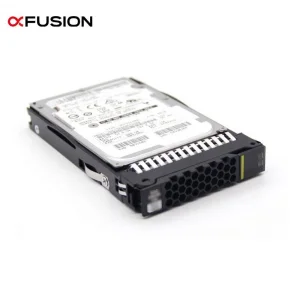
IOPS constraints are a primary bottleneck in modern networking topologies. Deploying low-latency Enterprise SATA and NVMe SSD architectures (such as PM893 series Read-Intensive storage) coupled with high-speed PCIe 4.0/5.0 RAID host bus adapters avoids data starvation in production clusters.
Enterprises demand granular control over hardware acquisitions. Customized OEM server builds bypass expensive vendor-lock-in matrices, granting infrastructure architects the freedom to choose memory configurations, power capacities, and cooling profiles optimized for local cost points.
As global computational workloads swell, hardware optimization requires strategic forethought. Our R&D department of over 120 specialized engineers monitors key technological vector trajectories.
High-speed server internal communications rely heavily on bus bandwidth. We are actively engineering system topologies supporting PCIe Gen 5.0 and Gen 6.0 routing paths. This enables next-generation network interface cards (NICs) and GPU clusters to communicate with sub-microsecond latency. Concurrently, CXL (Compute Express Link) protocols are being integrated to unify host memory spaces across CPUs and accelerator nodes.
Thermal output scales non-linearly with dense compute. To resolve thermal mitigation hurdles, NexGPU's thermal laboratory designs multi-channel chassis flow paths and custom heat-pipe arrays. We are launching liquid-to-air cooling options and direct-chip liquid cooling block solutions designed to handle thermal dissipations of over 700W per computing slot, maintaining continuous peak compute outputs.
Deploying silicon photonics interface designs to support 800Gbps and 1.6Tbps network connectivity without signal distortion over long distances.
Supporting high-throughput NVMe-oF (NVMe over Fabrics) architectures to deliver SAN-like flexibility with localized NVMe speed profiles.
Redesigning power delivery modules (PSUs) to meet 80 Plus Titanium standards, aiming for up to 96% operational power conversions.
We configure servers to excel inside real-world environments. Our designs are tailored to address typical structural bottlenecks across primary business verticals.
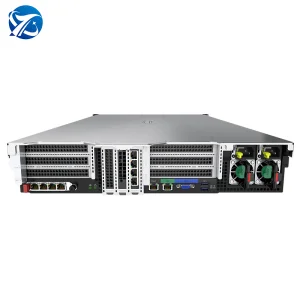
Modern algorithms demand constant computational ingestion. Standard network cards face severe packet-loss stress under model-sync events. We engineer custom architectures utilizing advanced GPU hosts (like the G5200 V5 series) with custom PCIe layouts to facilitate uninterrupted data transfer. This configuration supports:
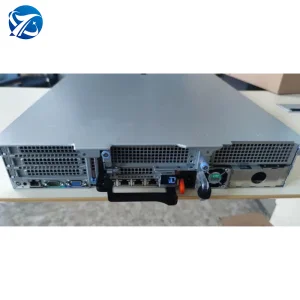
Regional offices and edge-nodes require compact, reliable physical compute systems. NexGPU specializes in short-depth, high-capacity server form factors (such as the xFusion 1288H V6 1U Server) which slot into standard shallow telecom racks.
Our commitment to E-E-A-T is cemented by our manufacturing investments. Every server built by NexGPU undergoes rigorous evaluation prior to dispatch.
Our dedicated quality control department consists of over 45 experienced inspectors. They enforce a strict multi-tier testing pipeline, ensuring compatibility, thermal stability under 100% computational load, and system resilience. Every server configuration goes through full hardware-level diagnostic scans, electrical load balancing evaluations, and a 24-to-72-hour burn-in phase to eliminate infant-mortality component risks.
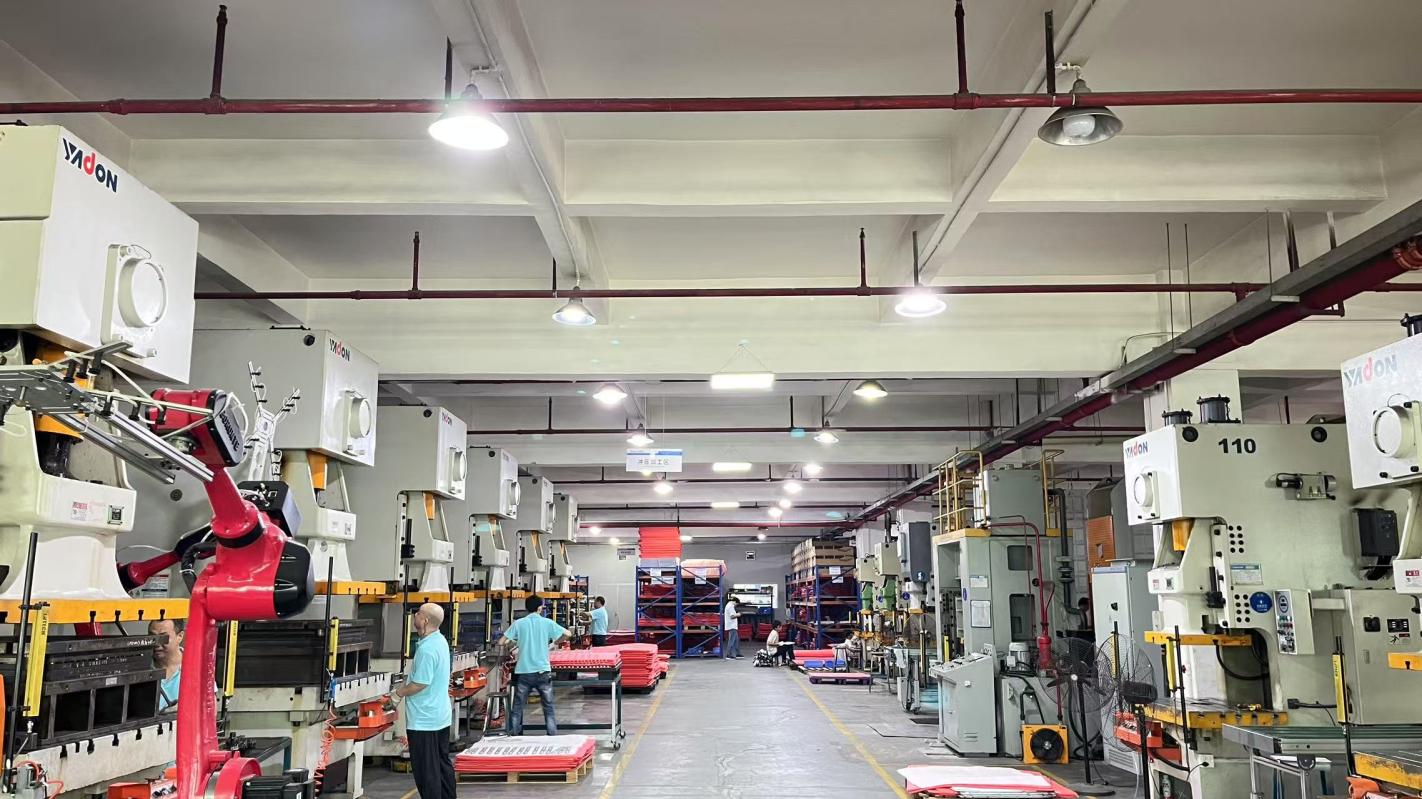
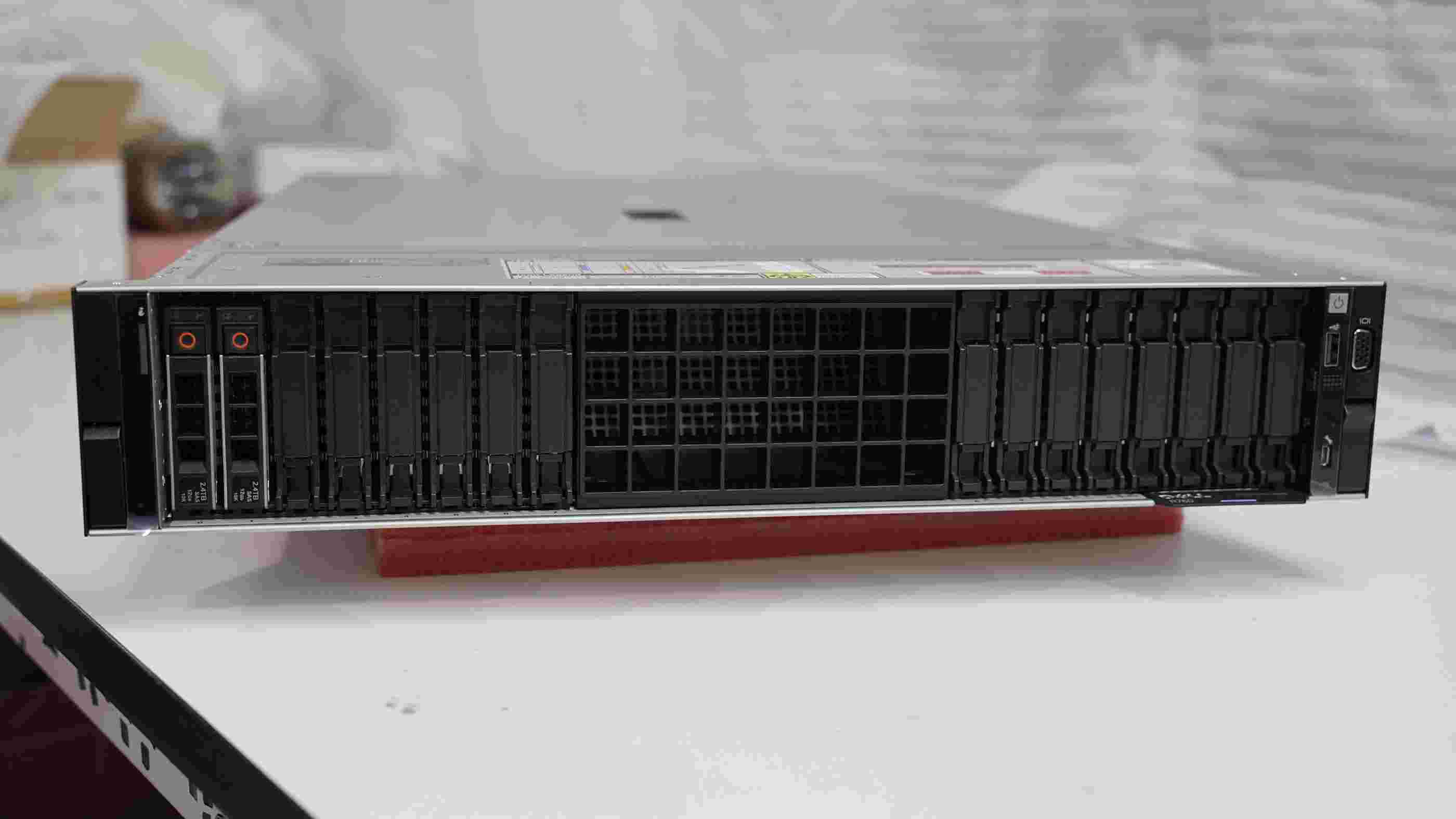
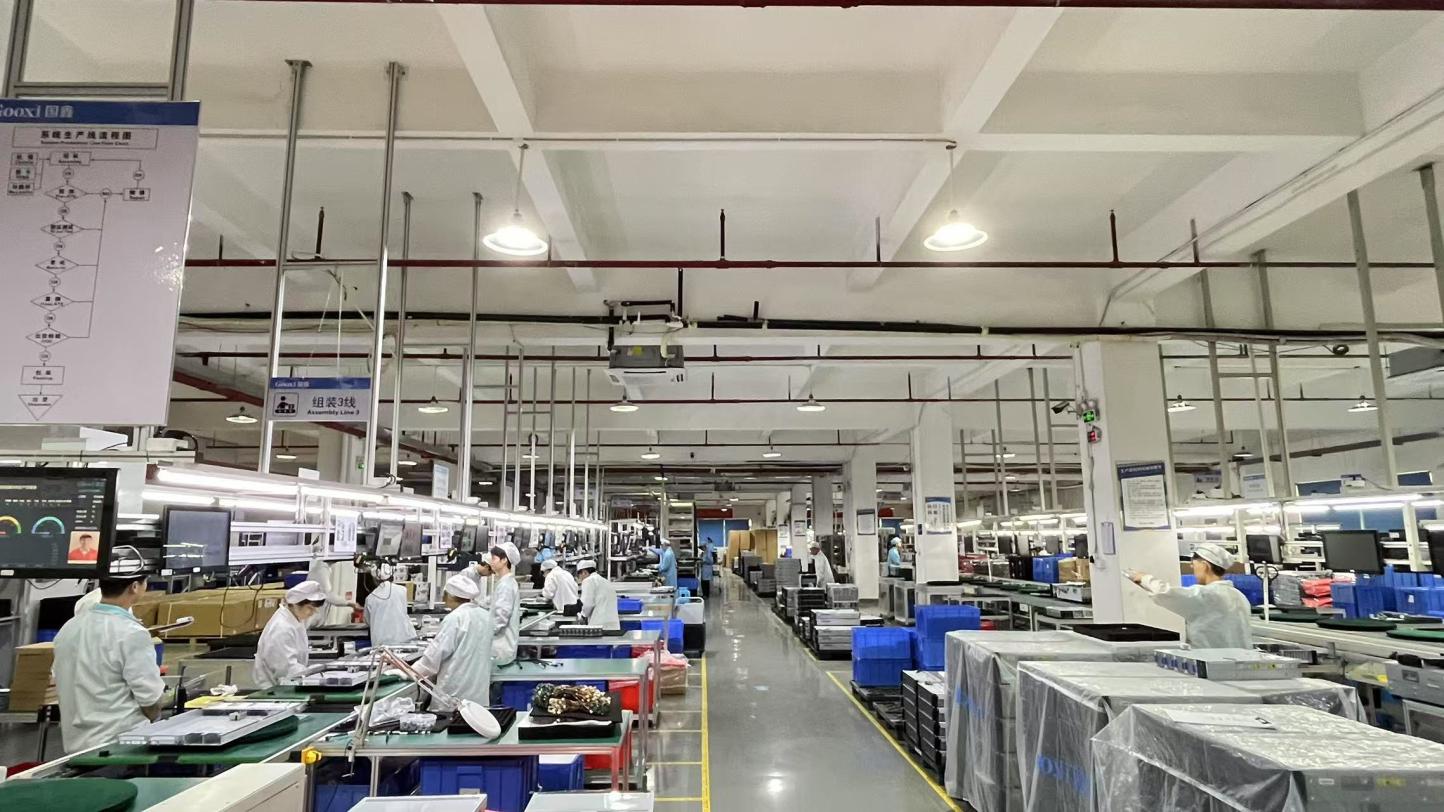
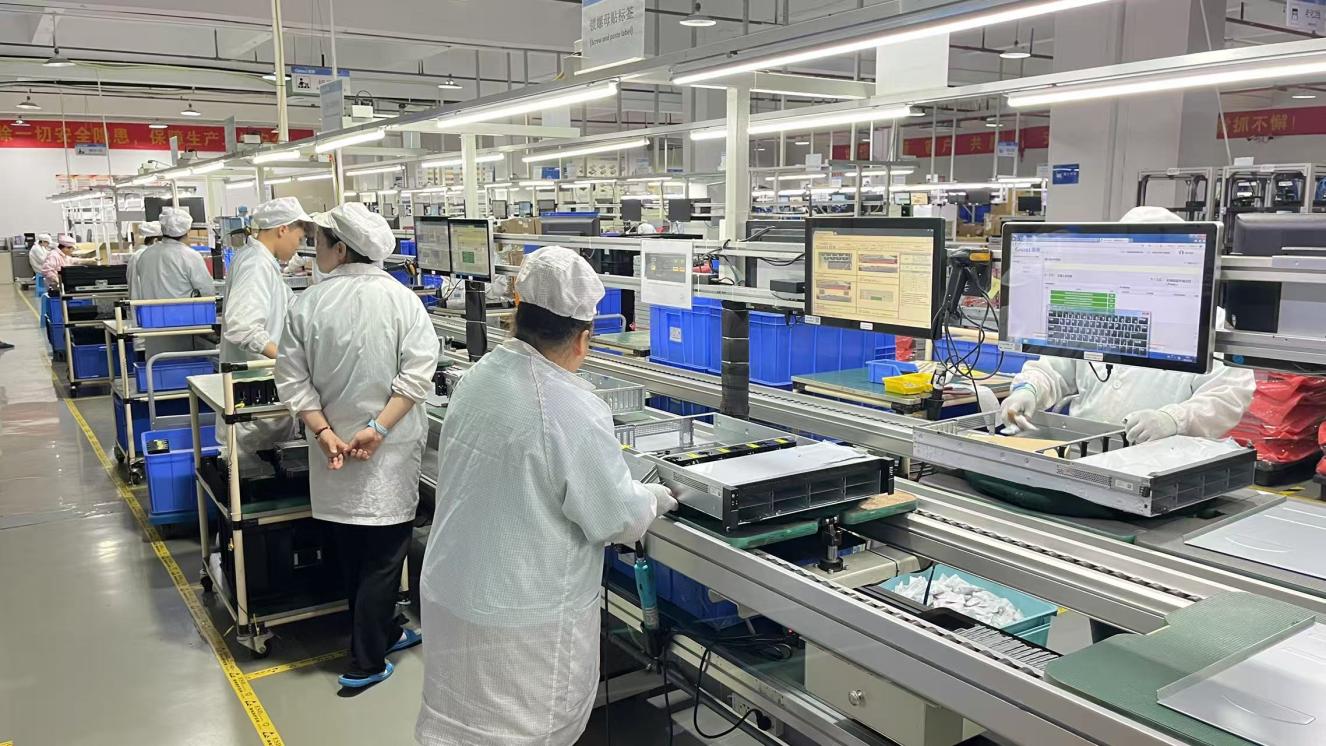
Visual representation of our testing chambers, SMT lines, component inventories, and shipping warehouses:
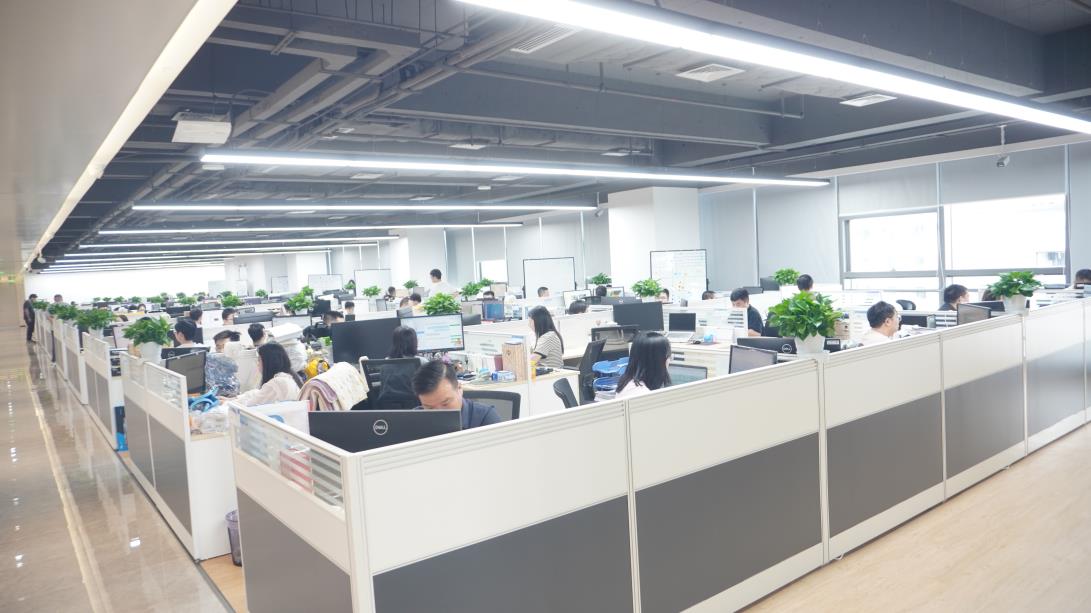

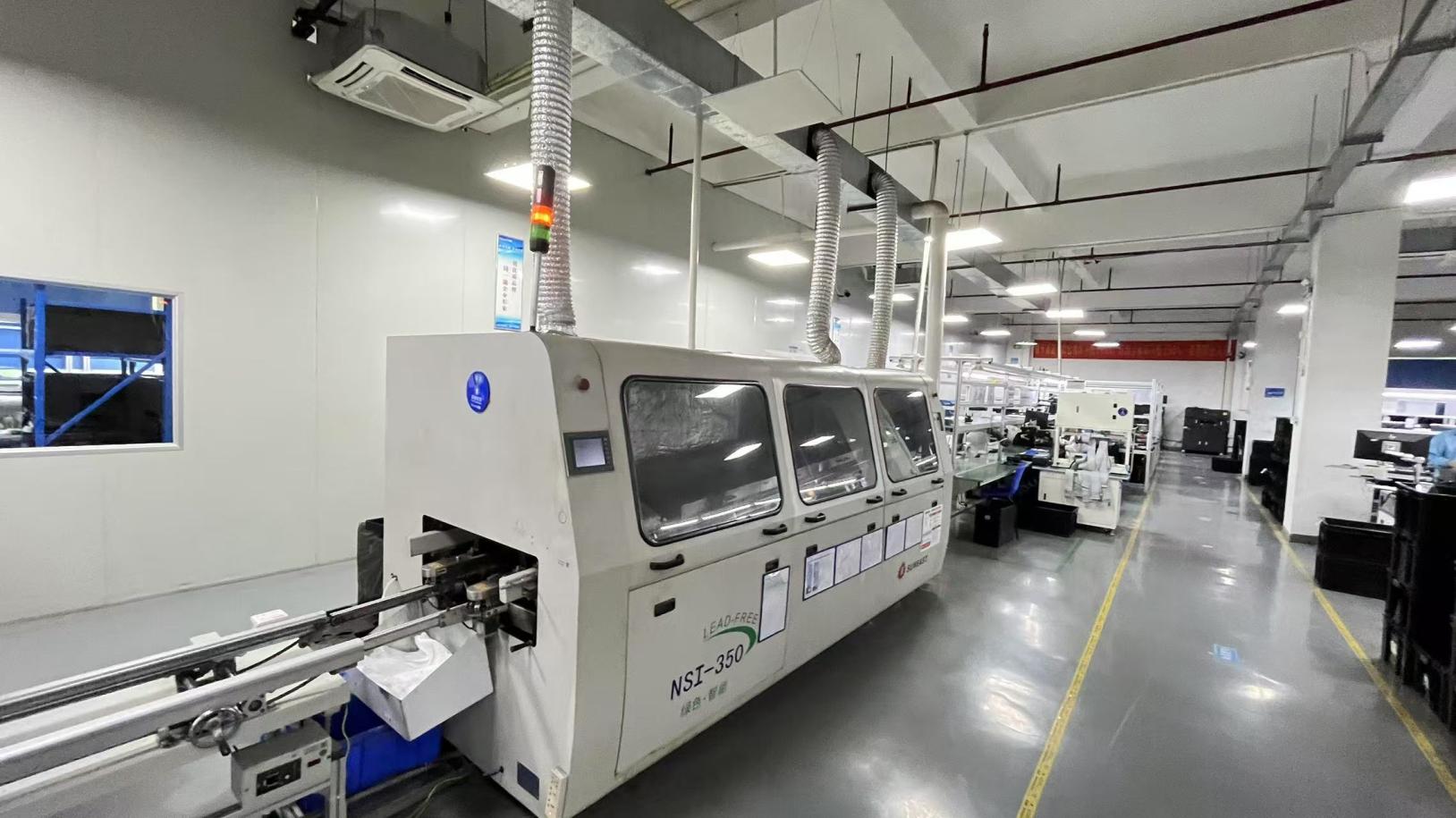
Our engineers answer critical inquiries regarding OEM/ODM modifications, component selections, and deployment logistics.
Select from our range of GPUs, memory, custom boot-cards, and high-performance server barebones to assemble the exact computing environment you need.