NexGPU
NexGPU
NexGPU
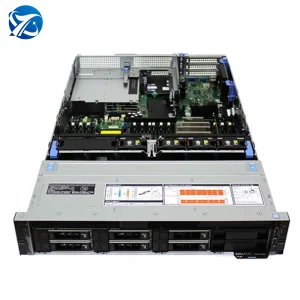
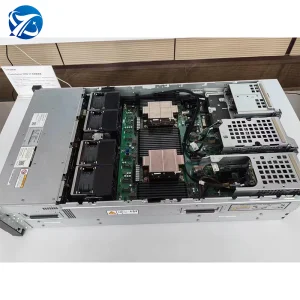
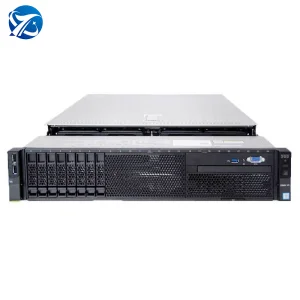
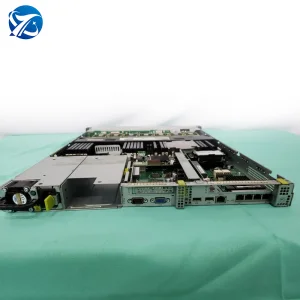
The convergence of hyper-scale public clouds, localized edge nodes, and high-performance sovereign AI infrastructures is driving unprecedented demand for advanced server hardware architecture.
The global cloud computing market has shifted from basic virtualization and storage consolidation to AI-centric, compute-intensive execution environments. High-Performance Computing (HPC), containerized microservices, and large-scale AI inference (such as running local configurations of DeepSeek LLMs and specialized neural networks) demand raw compute power that traditional enterprise IT structures cannot support.
Consequently, the hardware supply chain has become a bottleneck for global digital expansion. Finding a reliable, highly competent OEM/ODM factory and supplier that understands the thermal, network, and firmware characteristics of scale-out server deployment is critical for enterprise system integrators.
As silicon architecture moves towards modular chiplet layouts, the design interfaces of enterprise server motherboards and chassis are evolving rapidly.
High-density deployments utilize advanced cooling blocks, custom fluid conduits, and high-flow quick-disconnect couplings to maintain safe operations without throttle-down events.
Optimization for DeepSeek, LLaMA, and deep learning algorithms demands dense GPU layouts (up to 8 or 16 custom card designs in 2U/4U rack configurations) with high NVLink or PCIe bandwidth.
Integrating Compute Express Link (CXL) allows unified device memory pools, lowering data transfer latency between CPU, GPU, and system SSD components.
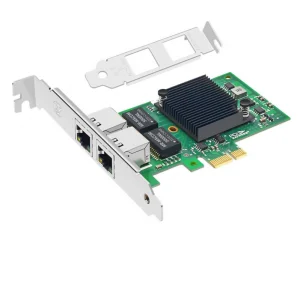
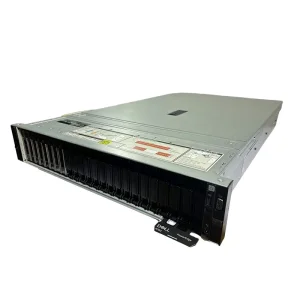
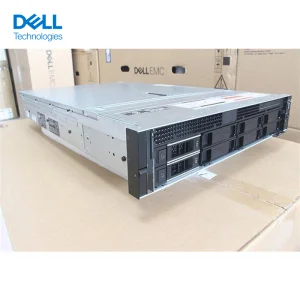
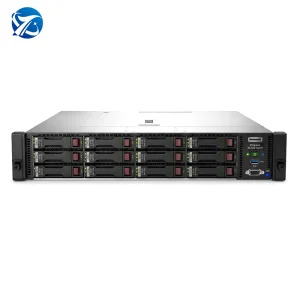
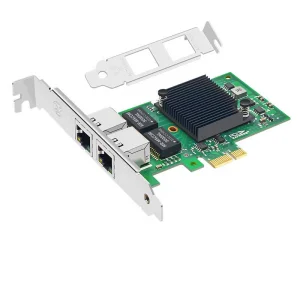
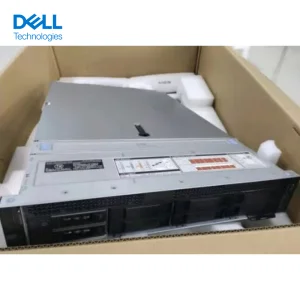
A leading factory must support these trends by utilizing flexible production matrices. Hardware configurations like Dell PowerEdge, HPE ProLiant, and FusionServer need continuous customization at the BIOS, BMC, and enclosure levels. Modern clouds also demand high-speed network support, meaning motherboard designs must facilitate multi-port SFP28/SFP56 interfaces, allowing line speeds upwards of 10Gbps, 25Gbps, or 100Gbps to prevent data transfer starvation during distributed node compute sessions.
The shift toward high-performance computing requires a rigorous, standards-driven hardware roadmap.
| Architecture Node | Current Specification Baseline | Roadmap Target (2027) | Next-Generation (2030) |
|---|---|---|---|
| Processor Interfaces | Intel Xeon Scalable 4th/5th Gen, AMD EPYC 9004 Series | Intel Xeon 6 Birch Stream / Granite Rapids, AMD Zen 5 EPYC | Photonic/Optical Co-Packaged Processor Sockets |
| Memory Topologies | DDR5 @ 4800 - 5600 MT/s, 1DPC Layouts | DDR5 MR-DIMM @ 8800 MT/s, Multi-Channel CXL 2.0 | Ultra-density CXL 3.0 / Pooled Optical DRAM Matrices |
| Interconnect Fabric | PCIe Gen 5.0, NVLink v4, InfiniBand NDR (400G) | PCIe Gen 6.0 (PAM4 signaling), InfiniBand XDR (800G) | PCIe Gen 7.0, Silicon Photonics direct-to-chassis routing |
| Storage Interfaces | SATA III, NVMe U.2 / U.3 SSDs, SAS-3 arrays | EDSFF E1.S / E3.S PCIe Gen 5 NVMe SSDs | Software-Defined Computational Storage (in-SSD data processing) |
| Thermal Capabilities | Air Cooling up to 350W TDP, basic Liquid Assist | Direct-to-Chip DLC (Single/Two-Phase), CDU Rack loops | Full Immersion Dielectric Liquid Cooling, Smart Flow CDUs |
Deploying specialized servers requires tailored hardware configurations matching specific application requirements.
For organizations deploying large-scale language models (like DeepSeek, LLaMA, and proprietary LLMs), computational requirements demand high-performance GPU layouts. Servers like the FusionServer 2288H V7 or custom 2U/4U models from NexGPU enable high-speed execution. These architectures ensure that massive models run with minimal latency by maximizing GPU-to-CPU bus speeds and integrating multi-channel high-speed SAS/SATA caching layers.
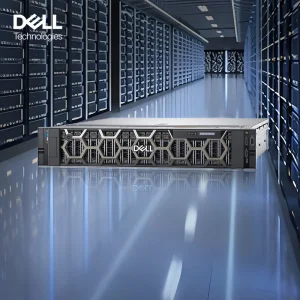
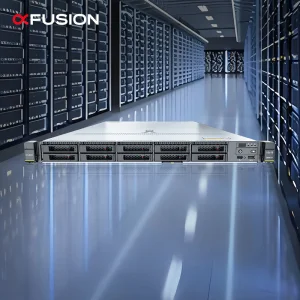
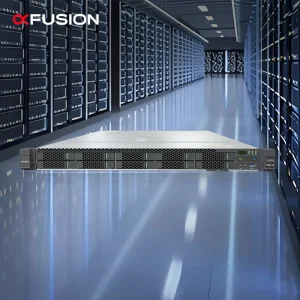
Managed Service Providers (MSPs) use 1U density form factors (like the Dell PowerEdge R660 or xFusion FusionServer 1288H V6) to maximize compute nodes per rack. With these configurations, companies run hundreds of containerized environments and virtual machines (VMs) under a single management system, using enterprise hypervisors and containers (Docker, Kubernetes) connected over redundant 10Gbps Ethernet backbones.
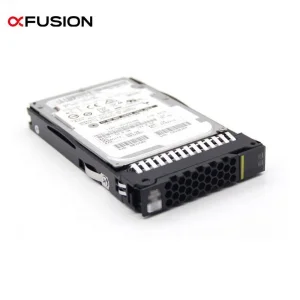
Modern data pipelines require robust, scalable, and low-latency storage architectures. Enterprise solutions utilize SAS arrays, redundant RAID configurations (managed via premium controllers like the LSI 9560-16i 8GB card), and highly reliable SSD storage interfaces to build fail-safe NAS configurations. These setups ensure zero-down-time operations for financial entities, healthcare institutions, and research labs.
Industrial applications require rugged, short-depth chassis that operate outside cleanroom data centers. Standard configurations are engineered to operate in high vibration, high heat, and variable humidity environments, maintaining structural integrity while processing edge AI algorithms for real-time robotic controls, vision-based quality control inspection, and plant-wide sensor telemetry tracking.
Underpinned by years of advanced R&D engineering and a strong global component ecosystem.
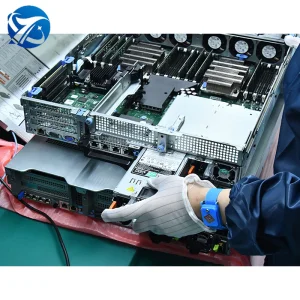
Founded in 2017, NexGPU Intelligent Computing Technology Co., Ltd. is a professional manufacturer specializing in GPU servers, AI computing infrastructure, high-performance computing (HPC) systems, and customized server solutions for global customers. Headquartered in Shenzhen, China, the company operates a modern manufacturing facility covering over 380 square meters, equipped with advanced assembly, testing, and quality control systems.
With more than 9 years of industry experience and 7 years of export experience, NexGPU has established itself as a trusted supplier for enterprises, cloud service providers, research institutions, AI startups, data centers, and system integrators worldwide. Our annual export revenue exceeds USD 18 million, serving customers across North America, Europe, Southeast Asia, the Middle East, and Oceania.
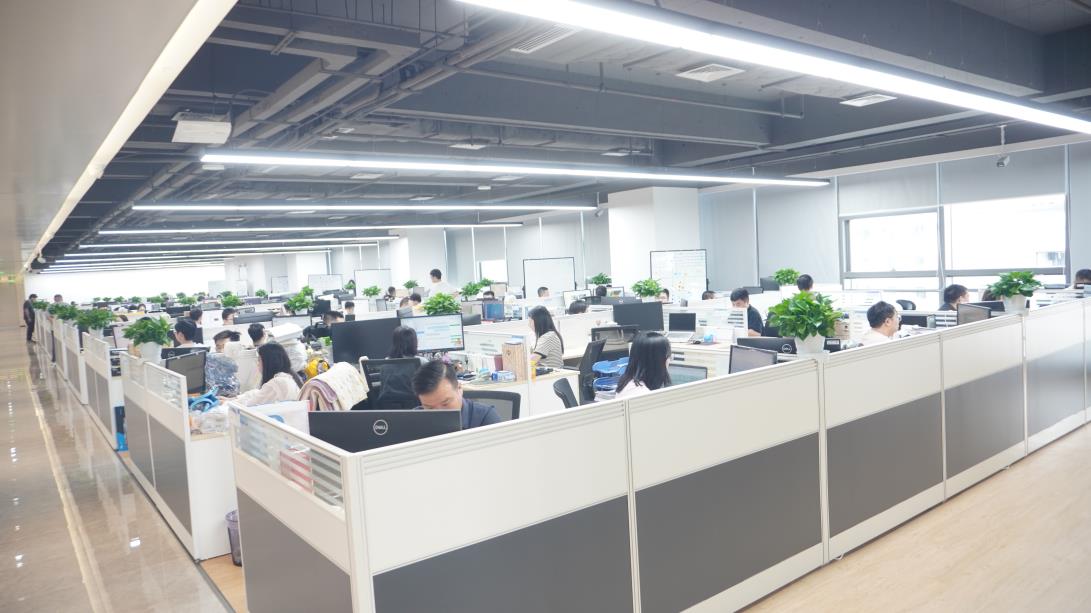
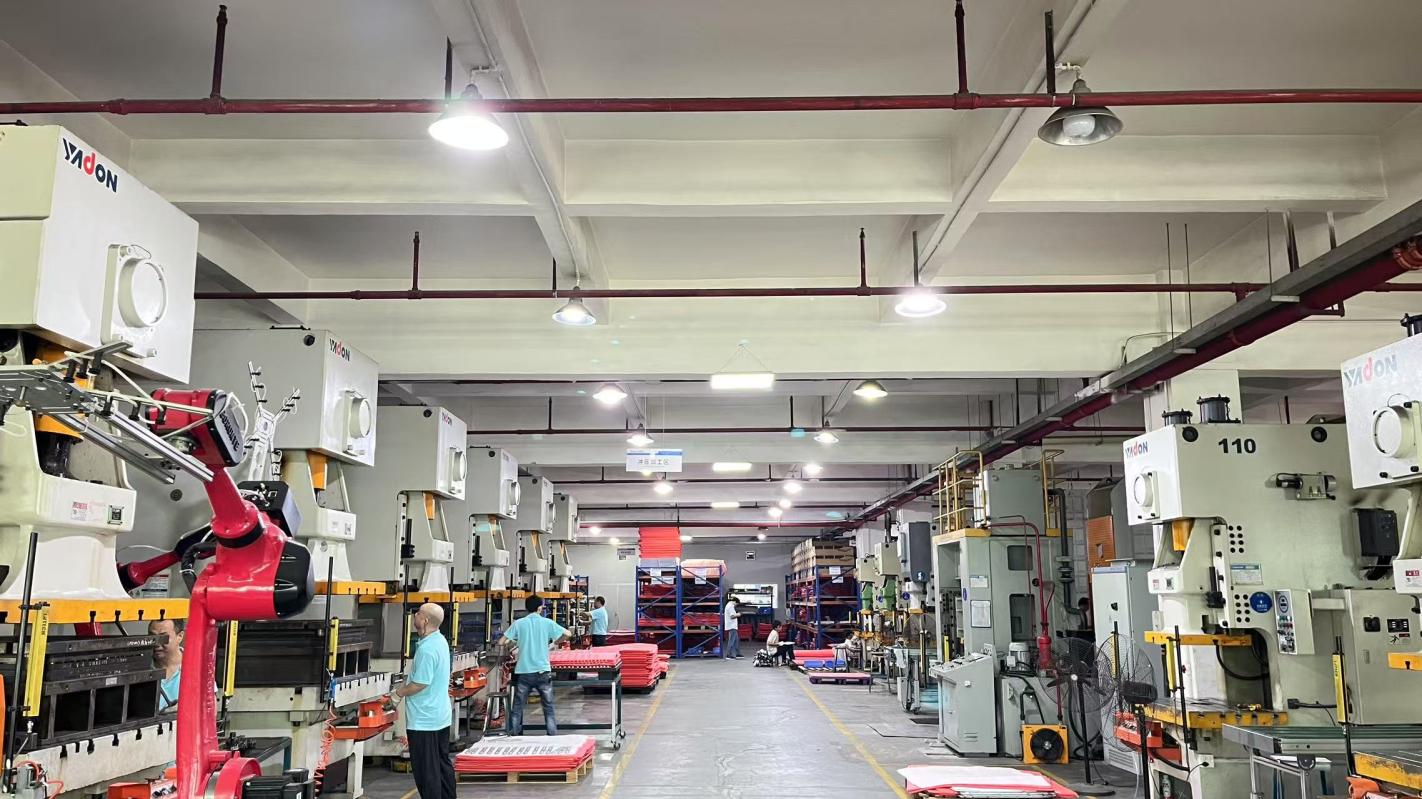
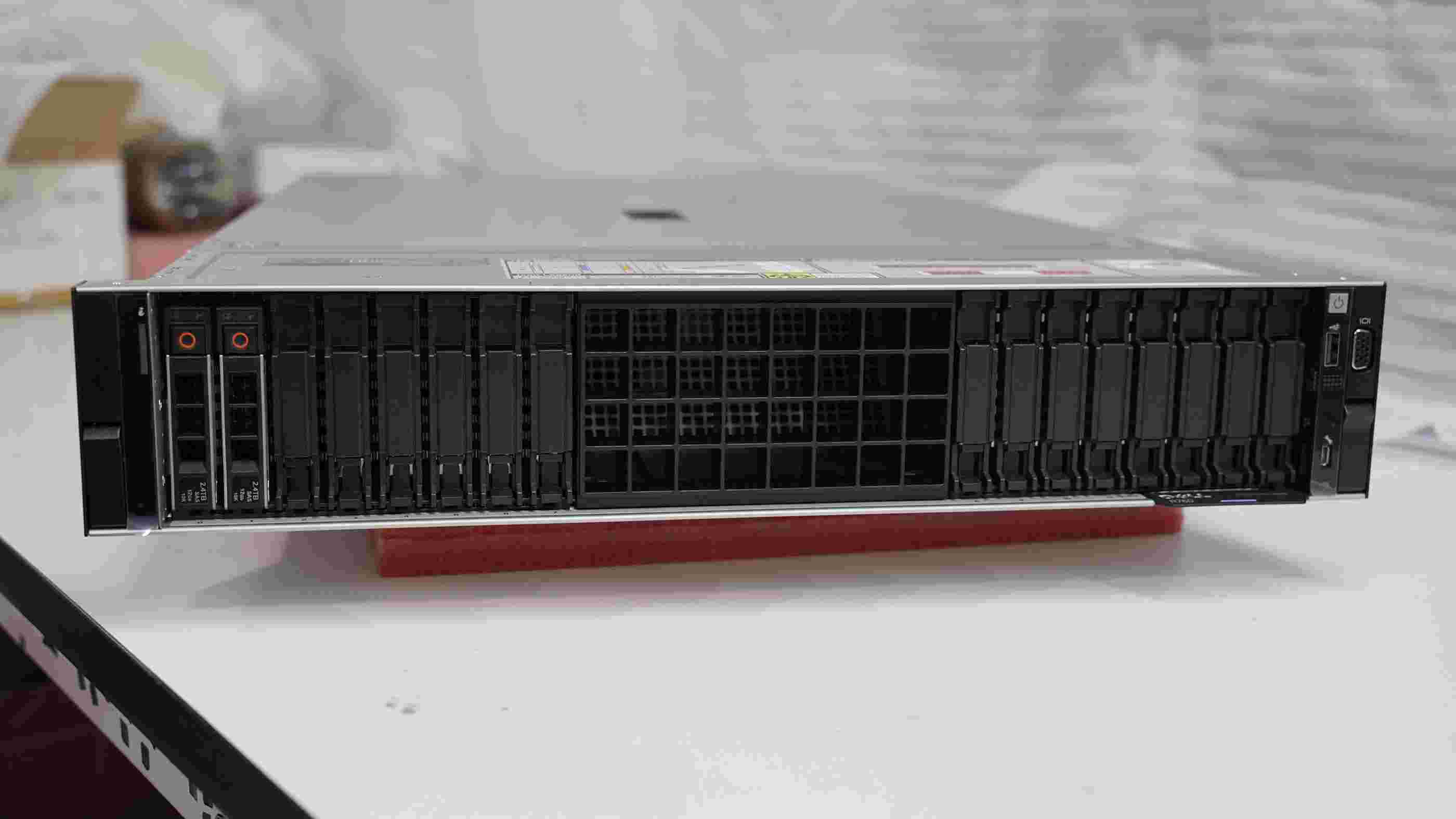
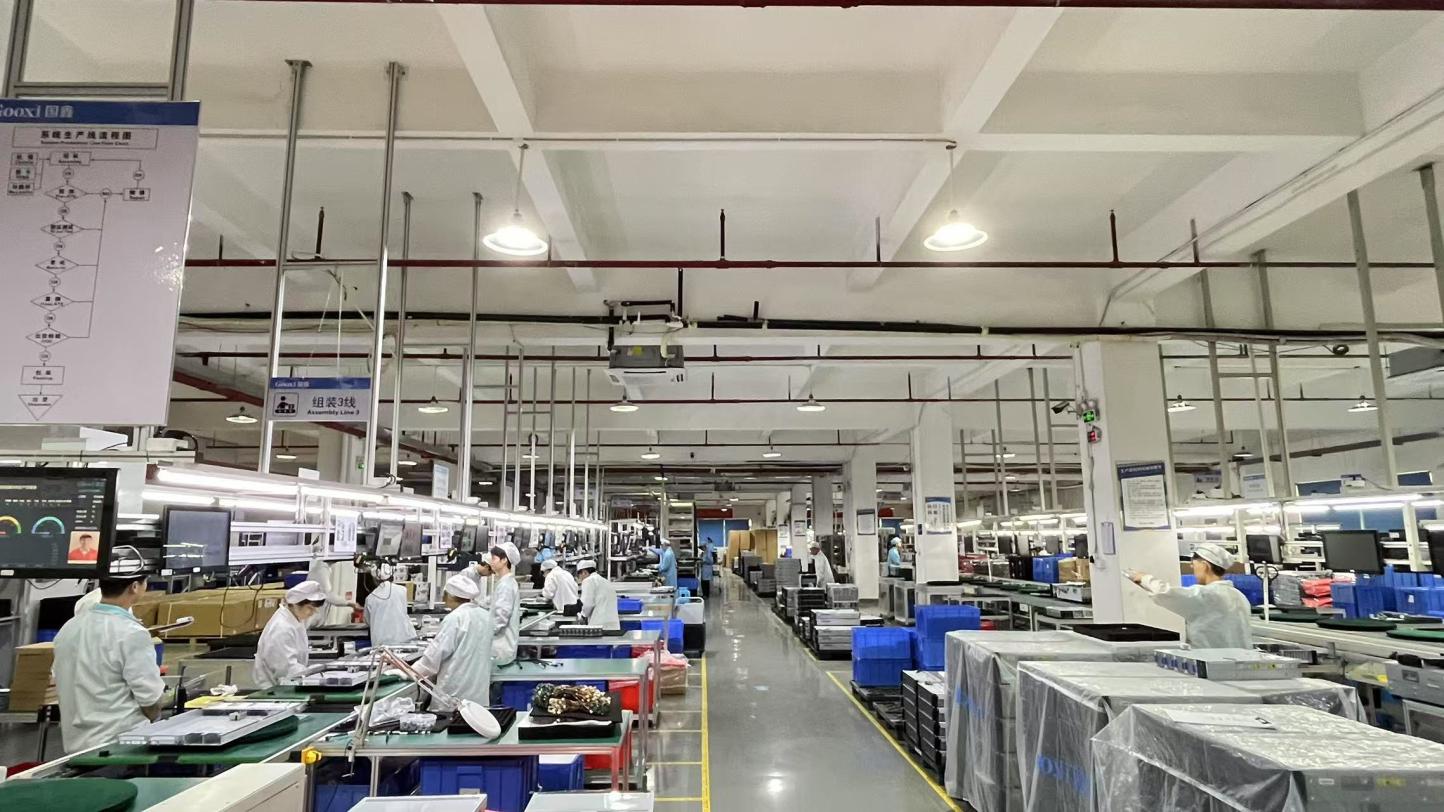
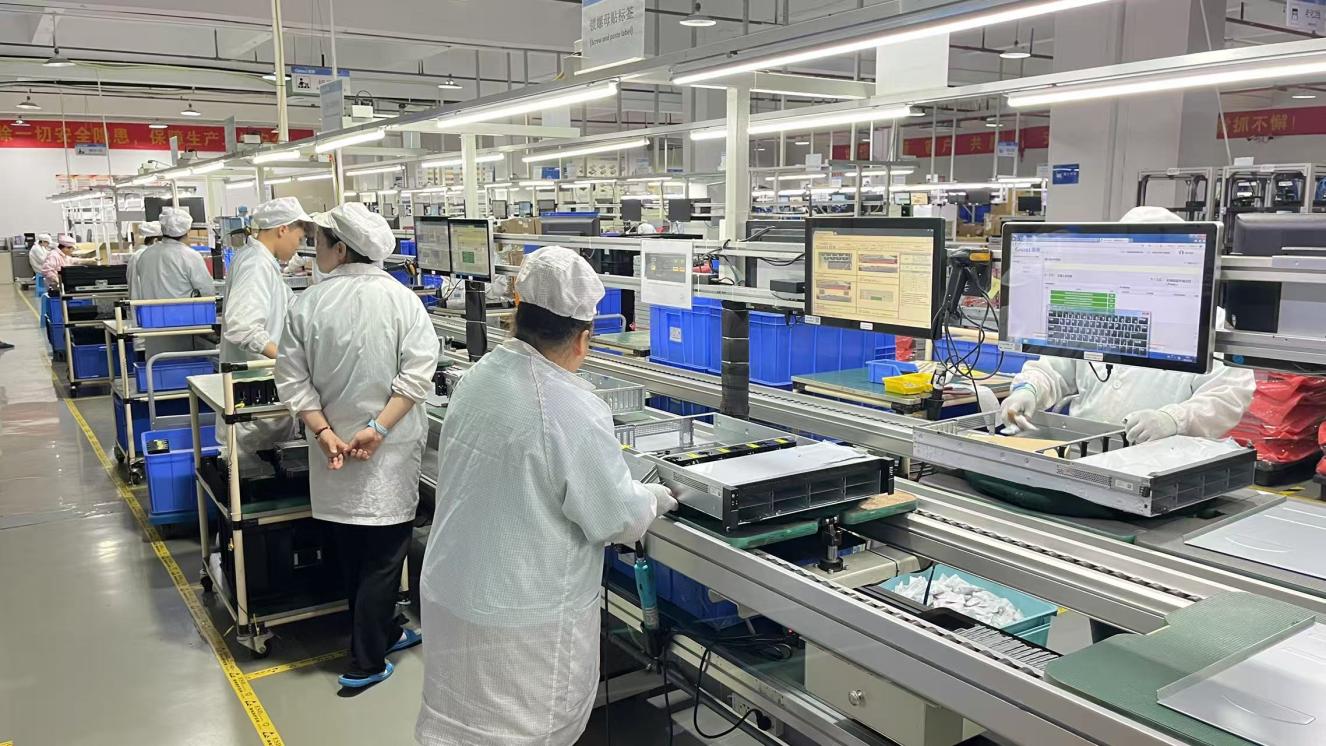

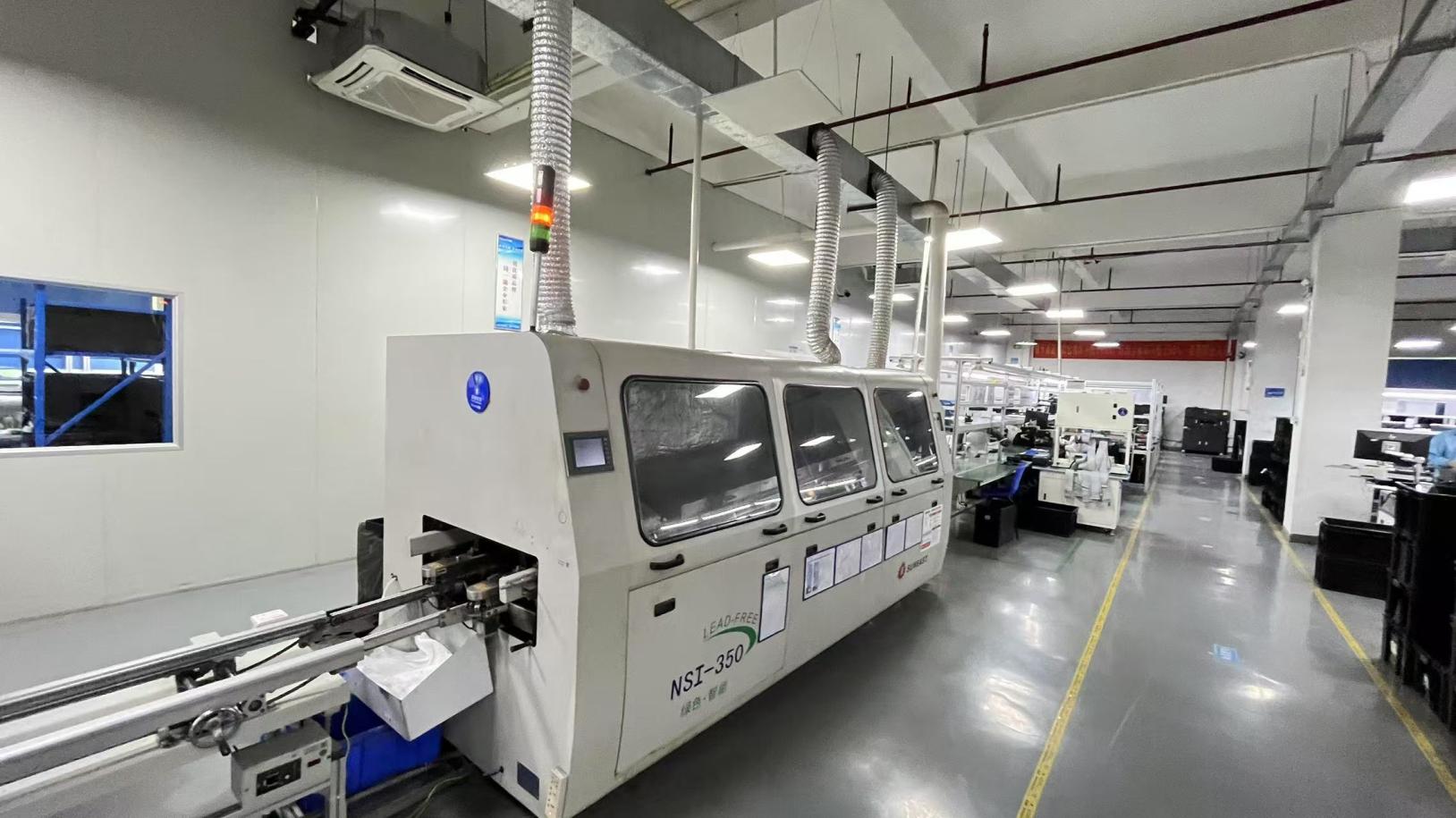
NexGPU maintains strict quality management standards throughout the production process. Every product undergoes comprehensive reliability testing, performance verification, burn-in testing, compatibility validation, and final inspection before shipment. Our dedicated quality control team consists of over 45 experienced inspectors, ensuring consistent product quality and reliability.
Supported by a strong global supply chain network of more than 1,200 strategic partners, NexGPU can efficiently source premium components and deliver flexible manufacturing solutions to meet diverse customer requirements. We offer extensive OEM and ODM services, including hardware configuration customization, chassis branding, firmware optimization, rack integration, and AI infrastructure deployment solutions.
Innovation is at the core of our business. Our R&D department includes over 120 engineers specializing in server architecture, thermal management, AI computing optimization, and system integration. Each year, NexGPU launches more than 80 new products and solution upgrades to address the rapidly evolving demands of artificial intelligence, machine learning, cloud computing, and enterprise data processing.
Expert engineering insights into server hardware configuration, procurement, and deployment.