NexGPU
NexGPU
NexGPU
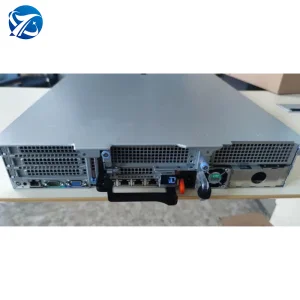
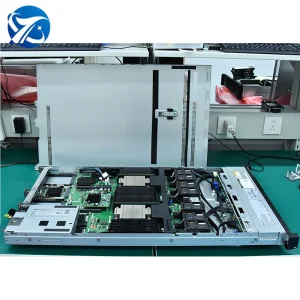
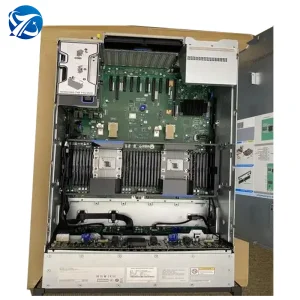
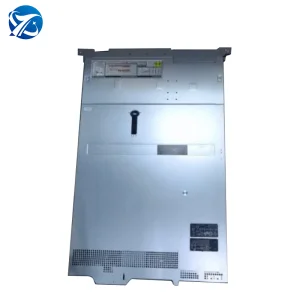
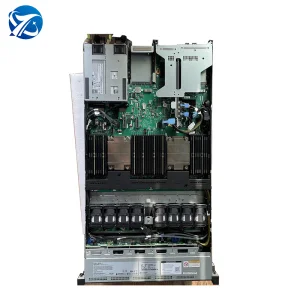
The global IP surveillance industry is undergoing a paradigm shift. Historically centered on video capturing and passive loop recording, modern IP CCTV installations now demand live behavioral analysis, real-time object classification, and structural meta-tagging. As smart cities, automated ports, high-security data centers, and advanced manufacturing campuses expand globally, the baseline technical requirement for video management systems (VMS) has evolved beyond the capacity of traditional standalone network video recorders (NVRs).
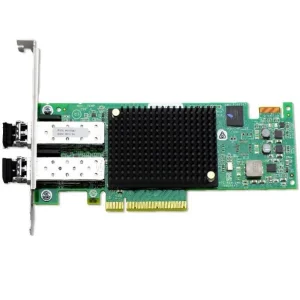
An IP surveillance system is only as capable as its compute-processing backend. Hundreds of high-resolution (4K, 8MP, or higher) IP cameras stream continuous data over fiber-optic and wireless networks. Processing these intensive workloads without packet loss or decoding latency requires high-density server configurations. Enterprise systems today utilize powerful rack-mounted servers equipped with hardware-acceleration cards and dedicated enterprise SAS controllers to write vast metadata layers without system failure.
"True security does not just capture pixels; it converts raw optical streams into structured database entries. High-performance GPU servers form the invisible backbone of modern enterprise-grade security infrastructures."
Consequently, global procurement managers, system integrators, and security directors look closely at manufacturers who can deliver not just the camera endpoints, but the complex computational, storage, and processing nodes that maintain the continuous uptime of the network. This has fueled the integration of enterprise-grade rack servers, RAID arrays, and AI compute GPUs into standard security bills of materials.
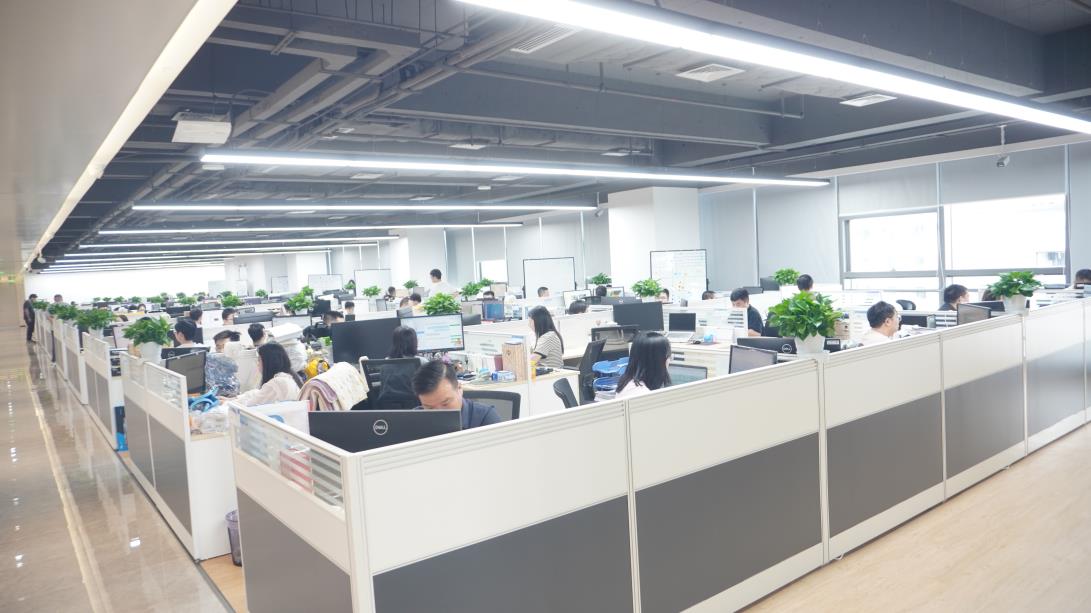
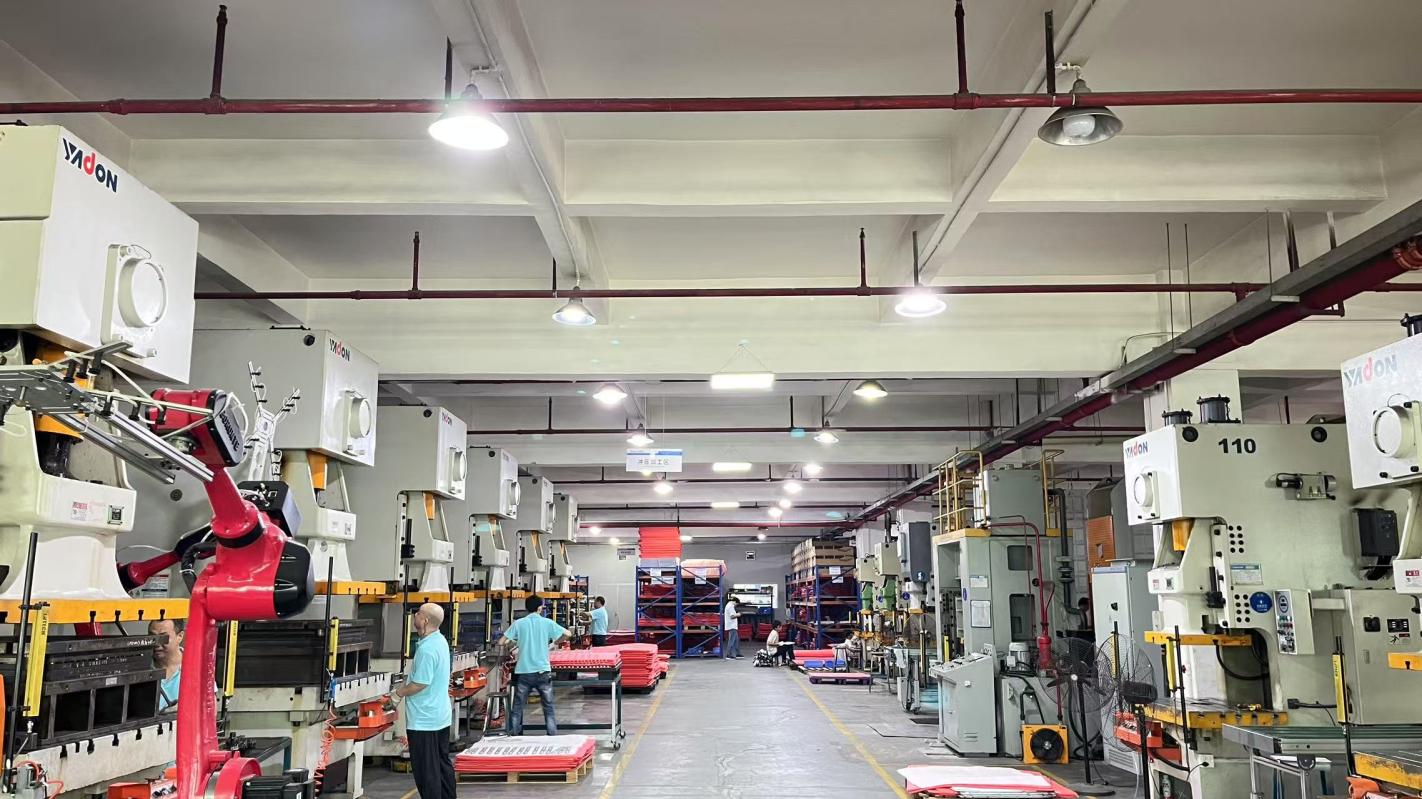
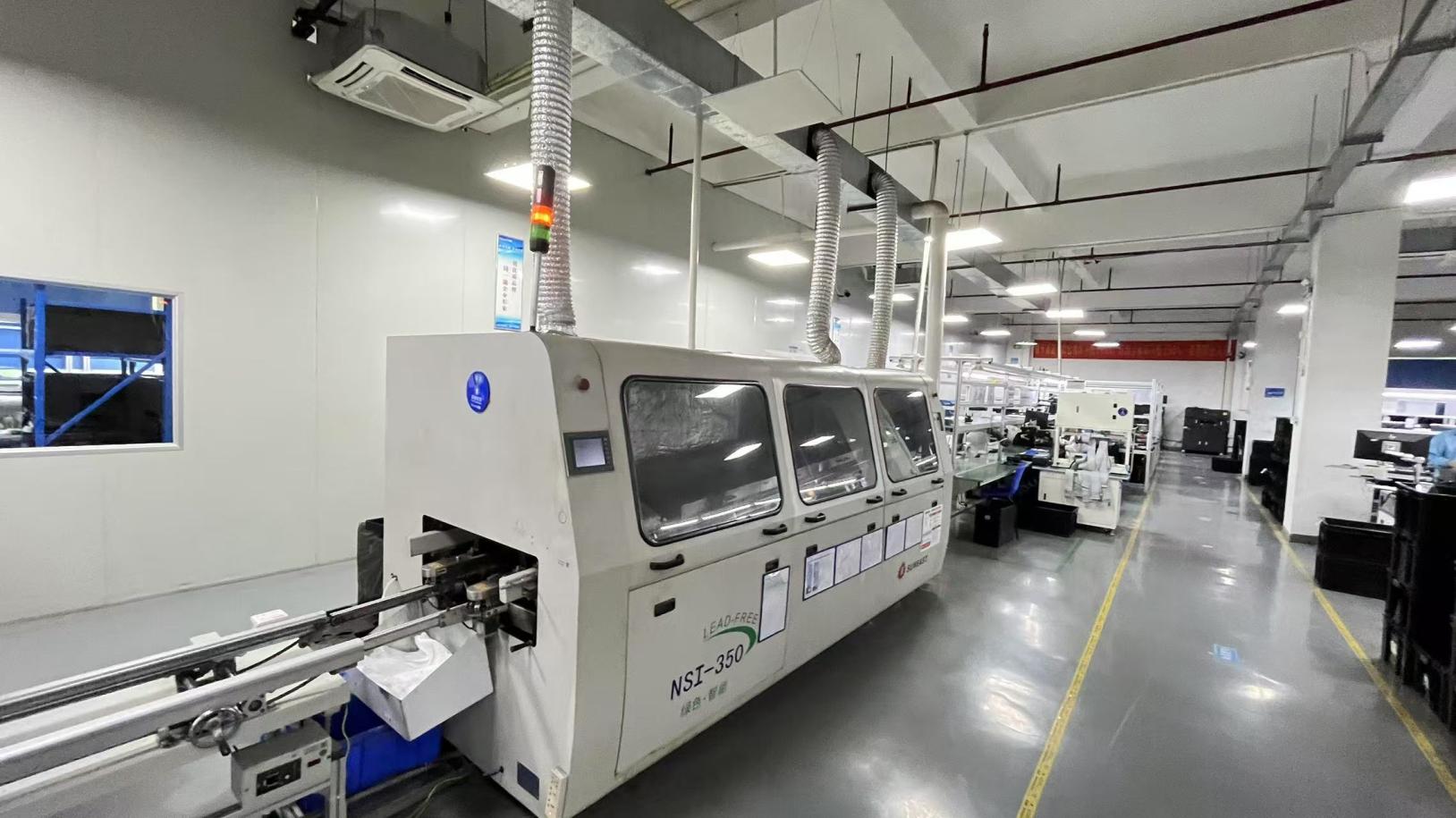
Founded in 2017, NexGPU Intelligent Computing Technology Co., Ltd. is a professional manufacturer specializing in GPU servers, AI computing infrastructure, high-performance computing (HPC) systems, and customized server solutions for global customers. Headquartered in Shenzhen, China, the company operates a modern manufacturing facility covering over 380 square meters, equipped with advanced assembly, testing, and quality control systems.
With more than 9 years of industry experience and 7 years of export experience, NexGPU has established itself as a trusted supplier for enterprises, cloud service providers, research institutions, AI startups, data centers, and system integrators worldwide. Our annual export revenue exceeds USD 18 million, serving customers across North America, Europe, Southeast Asia, the Middle East, and Oceania.
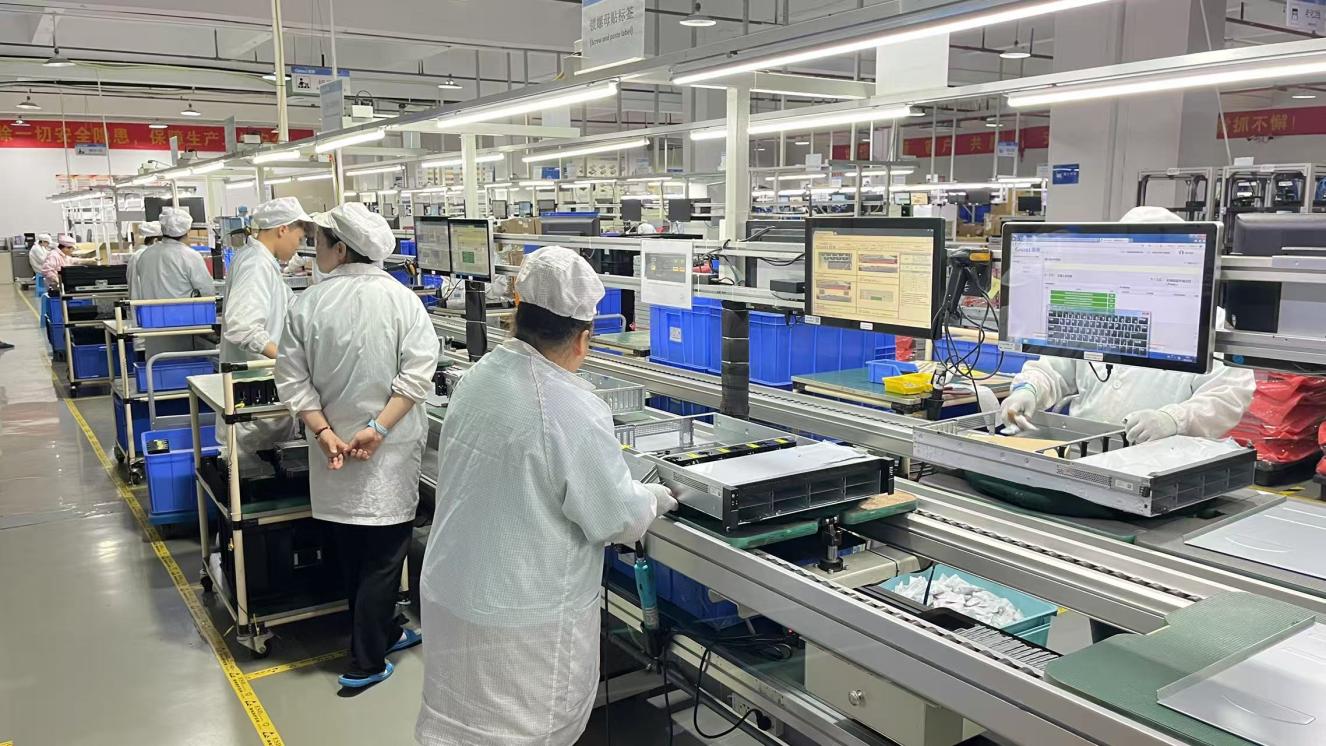
NexGPU maintains strict quality management standards throughout the production process. Every product undergoes comprehensive reliability testing, performance verification, burn-in testing, compatibility validation, and final inspection before shipment. Our dedicated quality control team consists of over 45 experienced inspectors, ensuring consistent product quality and reliability.
Supported by a strong global supply chain network of more than 1,200 strategic partners, NexGPU can efficiently source premium components and deliver flexible manufacturing solutions to meet diverse customer requirements. We offer extensive OEM and ODM services, including hardware configuration customization, chassis branding, firmware optimization, rack integration, and AI infrastructure deployment solutions.
Innovation is at the core of our business. Our R&D department includes over 120 engineers specializing in server architecture, thermal management, AI computing optimization, and system integration. Each year, NexGPU launches more than 80 new products and solution upgrades to address the rapidly evolving demands of artificial intelligence, machine learning, cloud computing, and enterprise data processing.
IP surveillance architecture operates differently depending on the deployment locale's environmental, civil, and security framework. Standard off-the-shelf cameras often fail when installed in specialized industrial contexts. Heavy-duty backend computation paired with customized physical endpoints is the standard requirement.
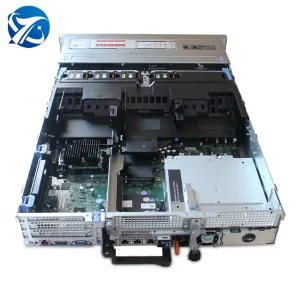
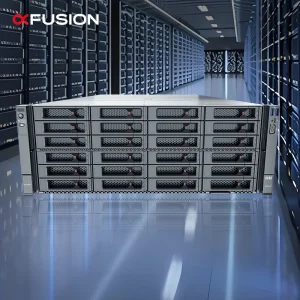
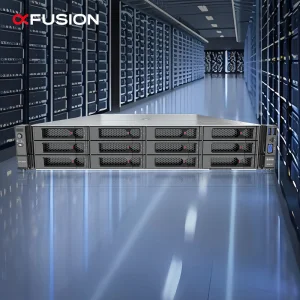
Hundreds of intersections routing 4K video feeds requires high-throughput backend rack servers (like xFusion or Dell PowerEdge solutions) to run edge analytics. License Plate Recognition (LPR), vehicle type identification, and pedestrian movement analysis are computed near-instantaneously to manage urban gridlock and prioritize emergency responses.
Refineries, chemical processing plants, and energy grids require intrinsically safe and explosion-proof cameras paired with heavy-duty local servers. Thermal profiling algorithms monitor high-voltage switchgears and pipelines, generating instantaneous alerts on thermal runaways before structural damage occurs.
Physical security in cloud infrastructure demands biometric matching, automated tailgating detection, and anti-intrusion zones. Highly redundant server topologies featuring SAS RAID arrays with extensive cache capacities ensure that no security footages are dropped, preserving critical audit logs.
The technology roadmap for IP surveillance systems and video surveillance backends is marked by three primary transitions:
As camera resolutions increase, raw network transmission costs escalate. Legacy H.264 streams are rapidly being phased out in favor of H.265/HEVC. The next horizon lies in AV1 and Versatile Video Coding (VVC/H.266) standards, which reduce bitrates by up to 50% without degrading spatial clarity. Achieving this compression without frame loss requires server architectures with dedicated hardware ASIC encoders and specialized host bus adapters (HBAs) to distribute throughput without processor exhaustion.
Moving intelligence closer to the lens diminishes bandwidth utilization. Cameras are no longer simple optical collection portals; they run neural network inferences directly on the SOC (System on Chip). The edge device detects an anomaly and transmits a micro-payload containing only the alert metadata to the centralized GPU platform, drastically scaling down enterprise storage requirements.
Security operators will soon communicate with their video management archives using natural language queries (e.g., "Find all green logistics trucks that entered Zone B between 02:00 and 04:00 AM"). This level of search efficiency requires high-density computing clusters running large vision-language models (VLMs) mapped directly to SSD array pools.
The global dominance of Chinese IP surveillance manufacturers and server system developers is not simply a factor of competitive labor costs. Rather, it is the product of an unparalleled manufacturing ecosystem that ensures supply chain resilience during geopolitical and logistical turbulence.
Shenzhen represents the epicenter of this industrial synchronization. Sourcing microprocessors, high-frequency PCB substrate layers, optics, chassis housings, and complex thermal assemblies occurs within a 50-kilometer radius. This geographic proximity drastically compresses time-to-market metrics. While Western assemblers might wait weeks for a specialized component revision, Shenzhen-based facilities, such as NexGPU’s facility, can prototype, validate, and scale production within days.
"Supply chain resilience is defined by the agility to adapt configurations immediately. An ecosystem that consolidates component suppliers, testing laboratories, and deep logistic channels creates a competitive shield that is difficult to replicate."
Furthermore, raw production efficiency is safeguarded by strategic partnerships with major component manufacturers, enabling secure allocations of critical chipsets and high-frequency components even during global wafer shortages. This supply stability guarantees that global infrastructure initiatives proceed without schedule disruptions.
Modern IP surveillance systems are highly regulated. Exporters and system integrators must strictly navigate international compliance standards to guarantee the legality and long-term viability of their security infrastructure deployments.
European deployments must support real-time privacy masking, dynamic video encryption, and automated retention policies. System backends must ensure that archived files are structurally protected from unauthorized exfiltration, utilizing hardware-encrypted storage controllers.
US federal and associated market security systems must exclude components from specific prohibited entities. Manufacturers adapt to this by utilizing non-restricted system-on-chips (SoCs) and western-compliant firmware baselines to guarantee seamless entry into American government and enterprise security grids.
End-to-end TLS 1.3 encryption, secure boot processes, and firmware signatures are mandatory. Our hardware integrations incorporate strict identity access management (IAM) features at the firmware level, protecting systems from botnet attacks and visual feed manipulation.
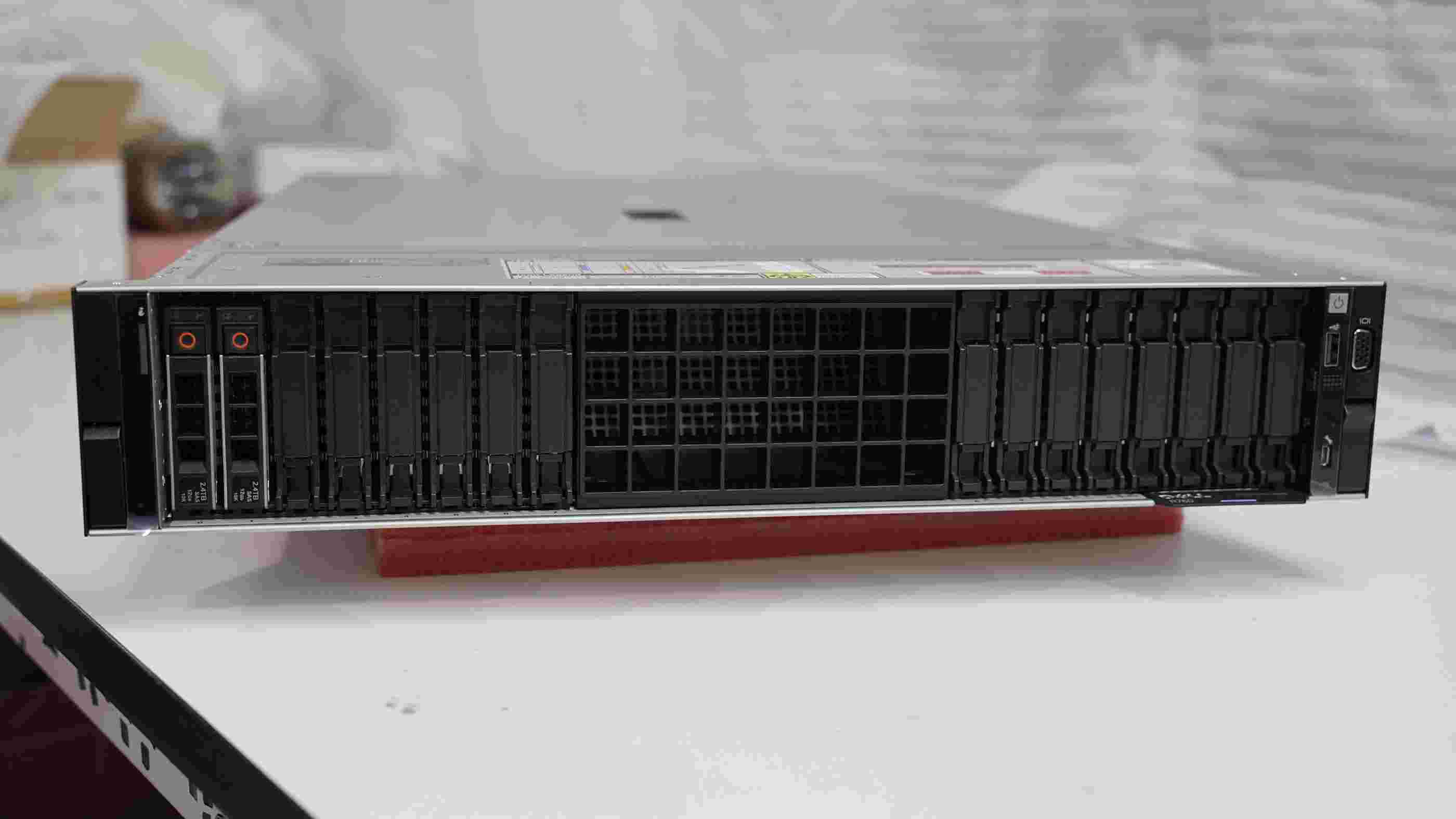
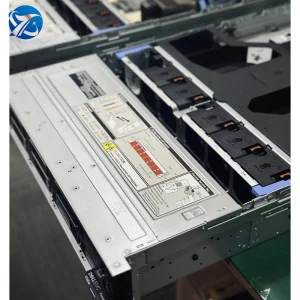
Our manufacturing workflow leverages advanced assembly systems, burn-in verification cabinets, and comprehensive stress testing chambers. Here is an inside look at our advanced engineering facility, where specialized GPU servers, enterprise RAID controllers, and network storage solutions are meticulously crafted.