NexGPU
NexGPU
NexGPU
Explore our high-performance components and hardware certified for Open Source Linux environments, Cloud Orchestration, and Enterprise Deep Learning platforms.
In the contemporary enterprise landscape, the term "Open Source Software Manufacturer & Suppliers" refers not only to the entities that write code, but also to the specialized hardware manufacturers that design, configure, and supply physical systems optimized to run open platforms. Organizations worldwide are shifting away from proprietary software ecosystems toward open architectures such as Linux, Kubernetes, OpenStack, and open-weights Large Language Models (LLMs) like DeepSeek R1.
Running these intensive open-source stacks requires high-availability bare-metal infrastructures. CPU architectures, high-bandwidth memory (DDR4/DDR5), fast storage interfaces (SATA and NVMe SSDs), and advanced PCI Express Gen 4/5 networking interfaces act as the hardware foundation. This dynamic configuration enables modern digital transformation solutions to execute complex distributed workloads with maximum throughput and minimum latency.
Deploying mission-critical software like databases, virtualization layers, or AI models on non-optimized hardware leads to processing bottlenecks. System integrators prioritize hardware that offers:
Bringing advanced AI-ready, open-system server configurations to the global enterprise market.
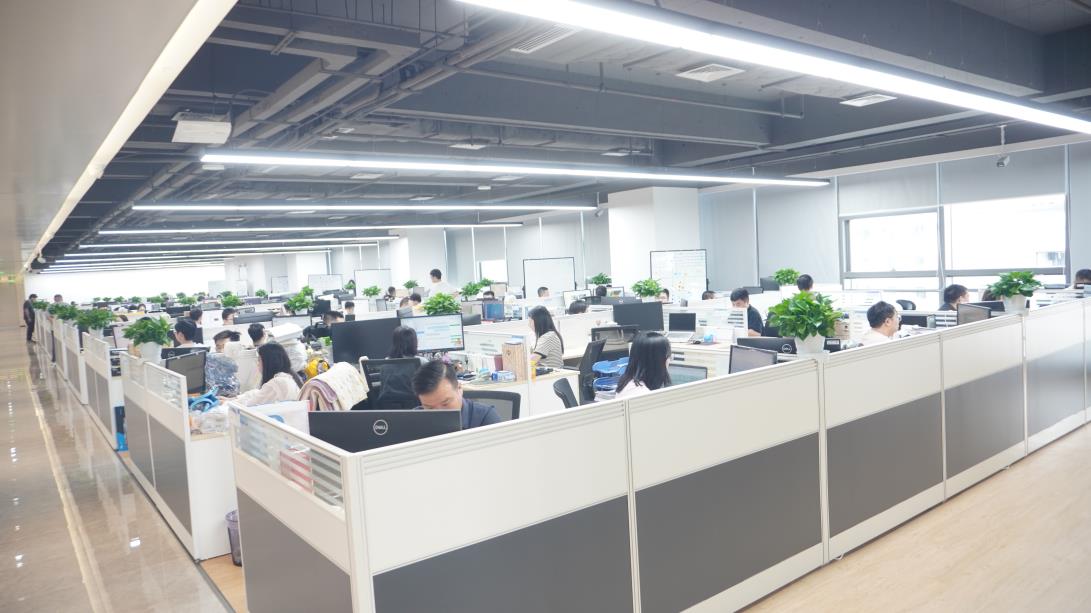
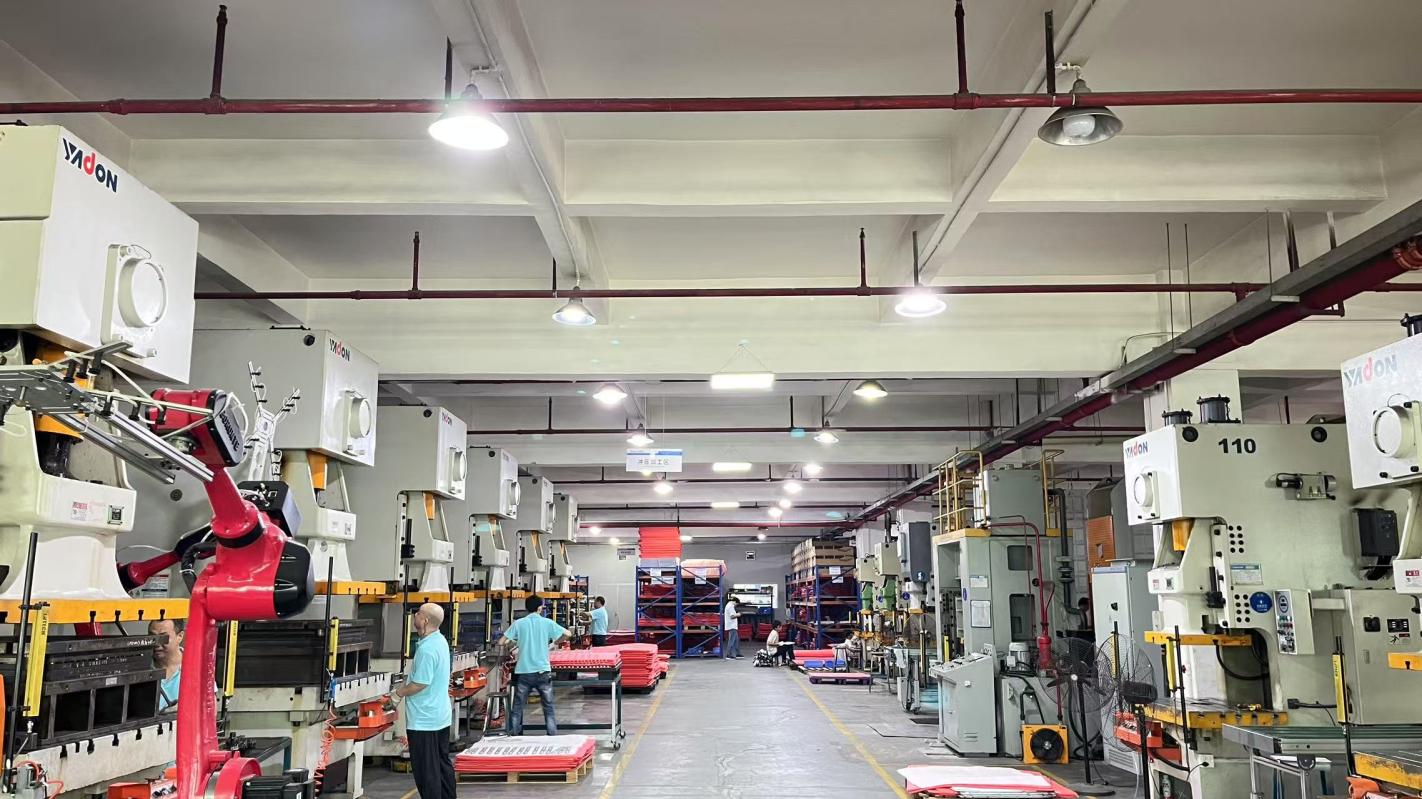
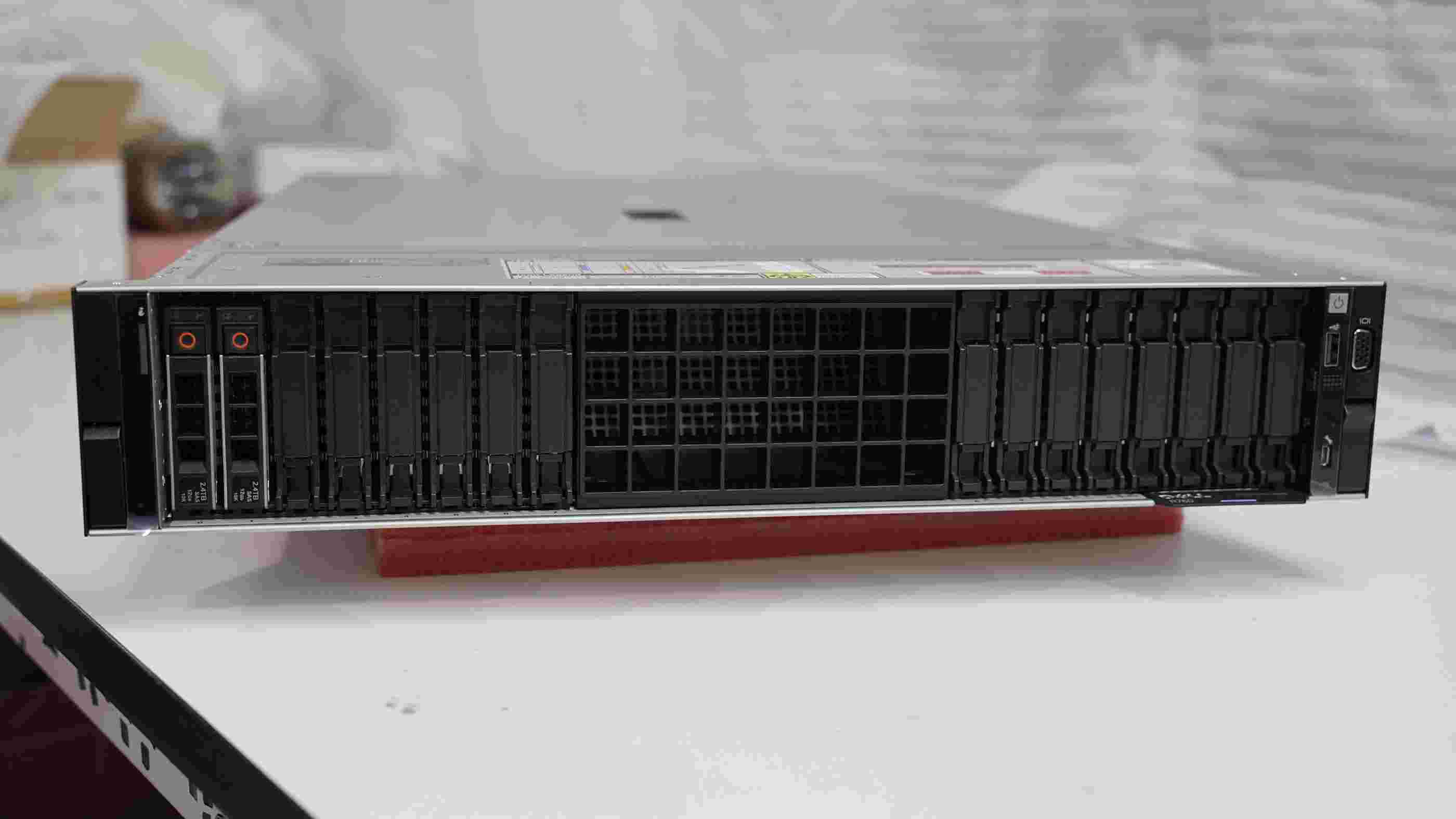
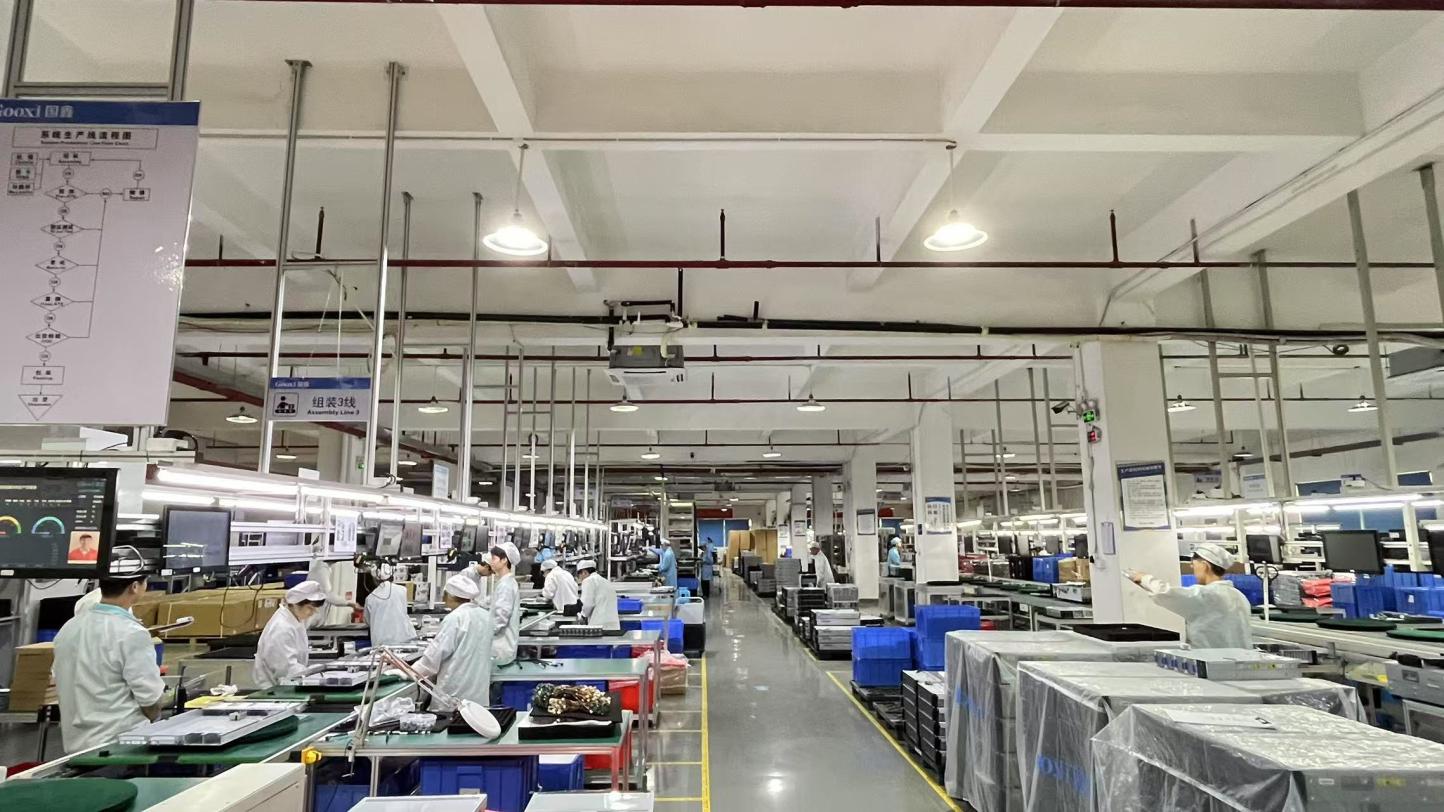
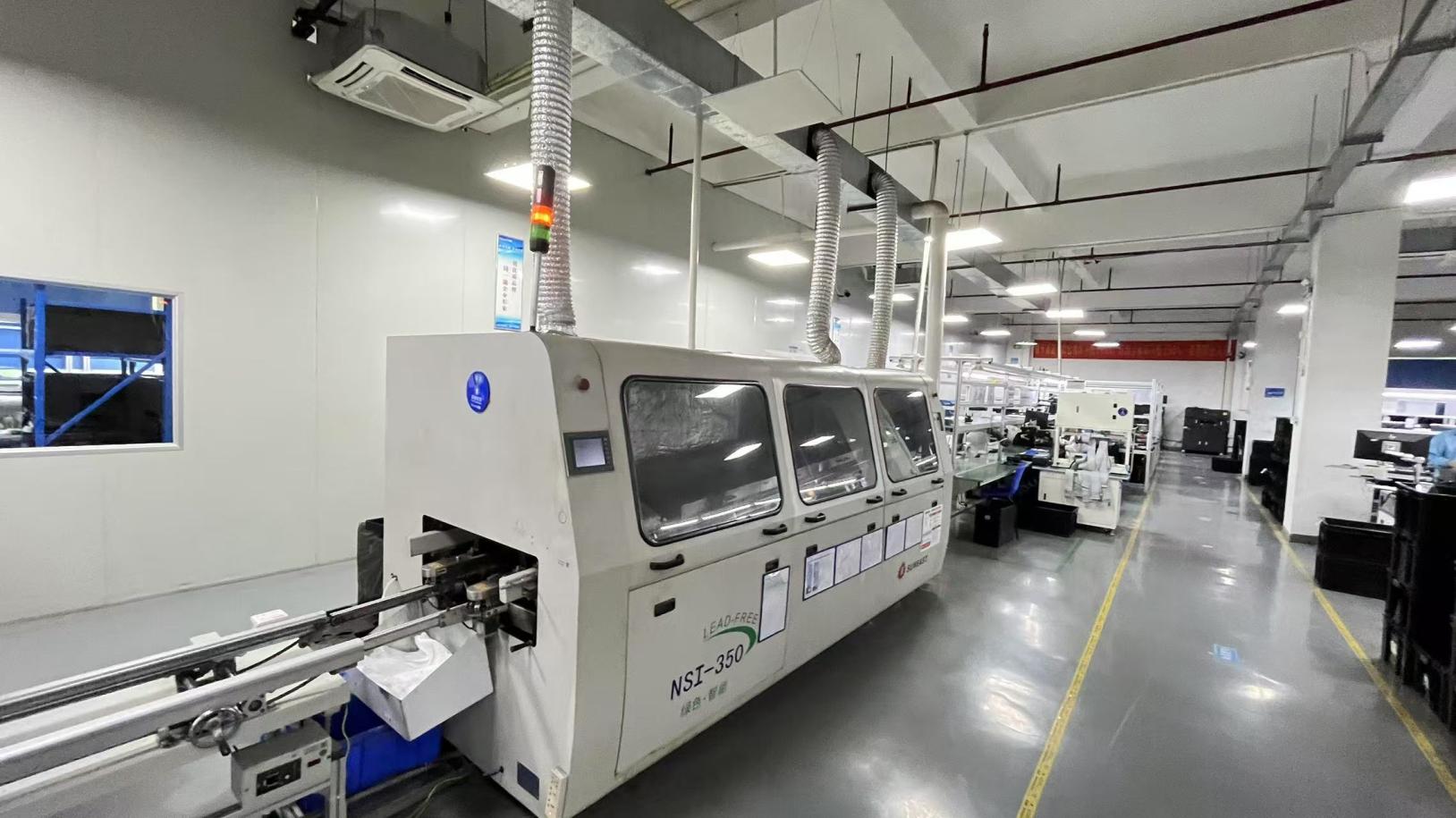
Founded in 2017, NexGPU Intelligent Computing Technology Co., Ltd. is a professional manufacturer specializing in GPU servers, AI computing infrastructure, high-performance computing (HPC) systems, and customized server solutions for global customers. Headquartered in Shenzhen, China, the company operates a modern manufacturing facility covering over 380 square meters, equipped with advanced assembly, testing, and quality control systems.
The rapid deployment of open-source artificial intelligence systems and massive database infrastructures has highlighted the critical role of specialized manufacturers in China. Located in global technology hubs like Shenzhen, manufacturers like NexGPU leverage key structural advantages:
Immediate proximity to silicon components, system-on-chip arrays, and memory production facilities dramatically shortens customization and assembly lead times.
From complex BIOS modifications and custom motherboard layouts to specific system cooling parameters, Chinese factories support specialized design variations tailored to Linux distributions and open container setups.
Advanced production optimization allows Chinese suppliers to deliver higher performance per dollar spent, helping global organizations optimize their capital expenditure (CapEx) when building compute nodes.
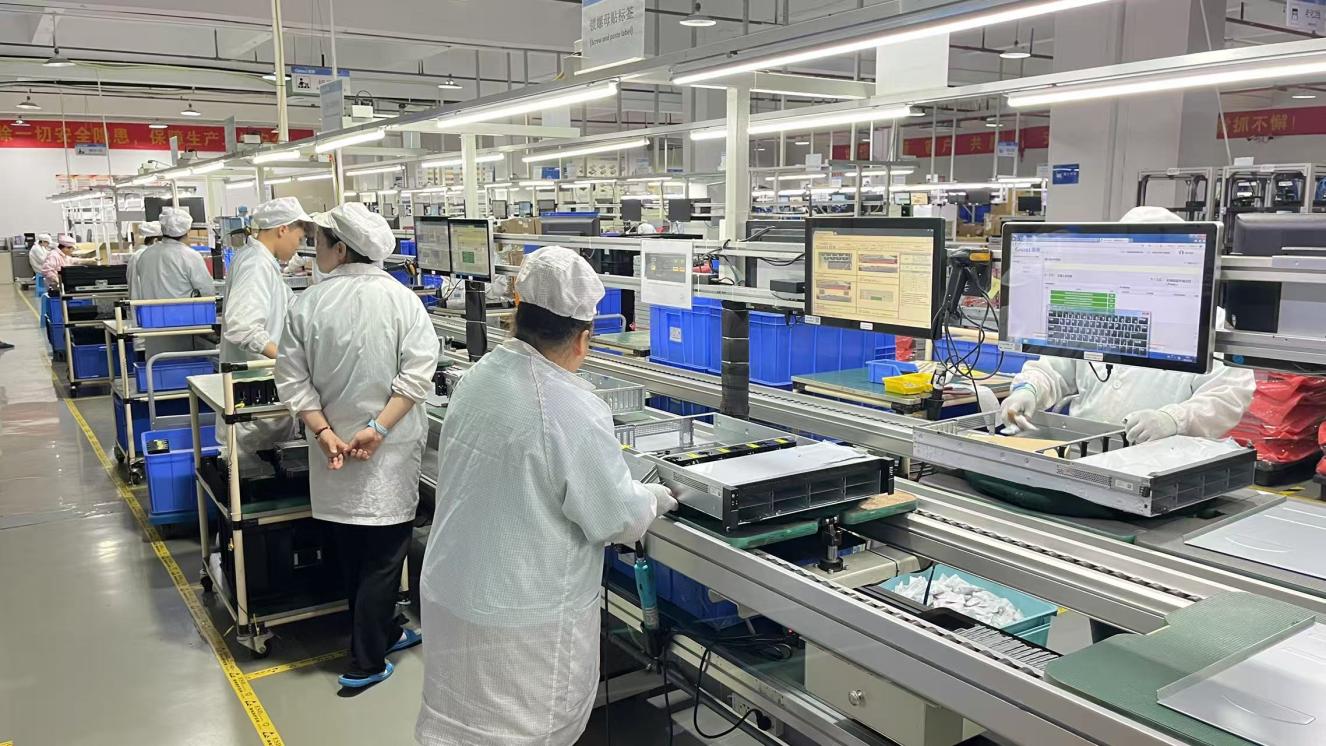
NexGPU maintains strict quality management standards throughout the production process. Every product undergoes comprehensive reliability testing, performance verification, burn-in testing, compatibility validation, and final inspection before shipment. Our dedicated quality control team consists of over 45 experienced inspectors, ensuring consistent product quality and reliability.
Supported by a strong global supply chain network of more than 1,200 strategic partners, NexGPU can efficiently source premium components and deliver flexible manufacturing solutions to meet diverse customer requirements. We offer extensive OEM and ODM services, including hardware configuration customization, chassis branding, firmware optimization, rack integration, and AI infrastructure deployment solutions.

Analyzing key shifts in enterprise infrastructure requirements driven by open systems and large-scale AI deployment.
The release of open-weights models like DeepSeek-R1 has shifted compute requirements. Modern rack designs require intense GPU densities combined with deep PCIe lanes to manage cross-communication between compute nodes.
With standard open databases handling millions of concurrent queries, low-latency, read-intensive SATA and NVMe SSD layouts are critical. These hardware resources minimize I/O wait times and maximize transactional performance.
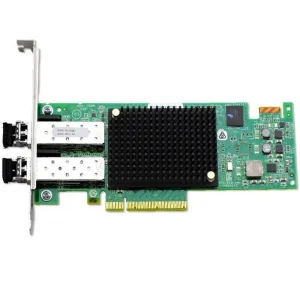
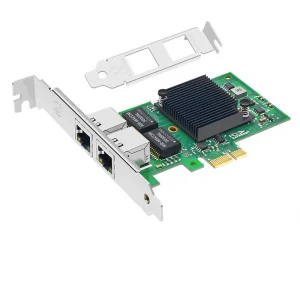
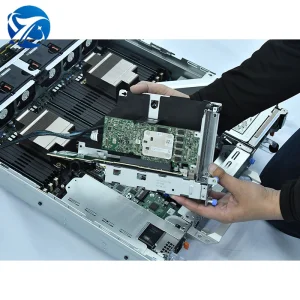
Enterprises rely on hybrid deployments using open-source virtualization stacks. Optimized high-speed network interfaces (like Emulex 32Gb/s HBA cards) enable seamless replication and low-latency storage access.
Enterprise environments require close synergy between open operating systems (such as Red Hat Enterprise Linux, Rocky Linux, and Ubuntu Server) and physical server components. When selecting hardware from top-tier suppliers, systems engineers must evaluate driver-level support and kernel-level integration. Storage controllers (SAS/SATA RAID array cards), network adapters (Fibre Channel HBAs), and specialized memory arrays are crucial layers in this stack.
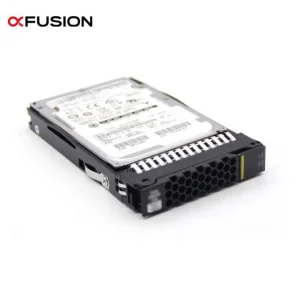
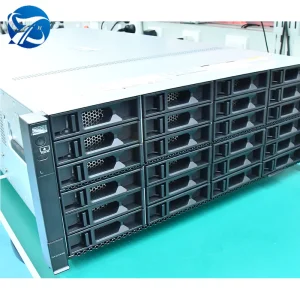
For instance, configuring server storage with high-speed read-intensive SSDs (like the S4520 Series) ensures compatibility with Linux kernel-level software RAID configurations and ZFS file systems. The SATA interface provides a standard protocol with native kernel drivers, avoiding proprietary software dependencies. This open compatibility is essential for cloud container nodes running Docker, Kubernetes, and virtualization platforms where reliable storage performance is critical.
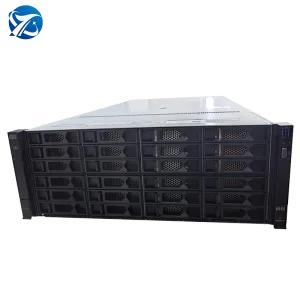
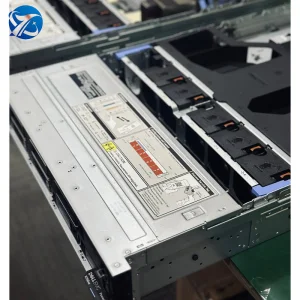
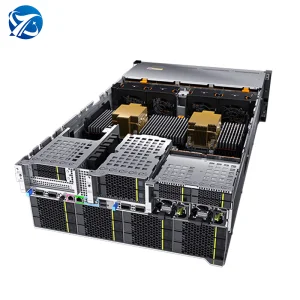
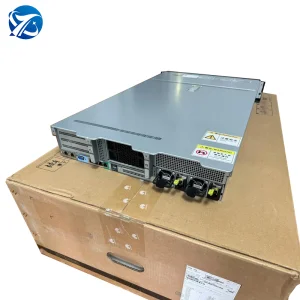
The acceleration of artificial intelligence through open-source weights has created a strong need for reliable GPU-focused compute nodes. Modern large language models (LLMs) require dense memory allocations and massive computational capability across multiple GPU clusters. GPU servers, such as the FusionServer G5500 V6, are designed with advanced motherboard topologies that support multiple accelerator modules.
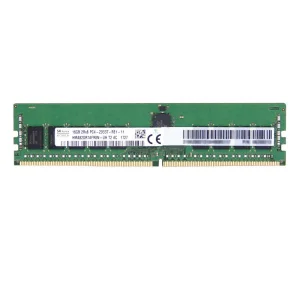
By utilizing PCIe Gen 4/5 layouts and high-capacity system memory (like DDR4/DDR5 server RAM arrays), these systems can process massive datasets without memory bottlenecks. In these setups, high-performance network interfaces (such as Emulex 32Gb/s FC SFP28 cards) enable low-latency communication across server nodes. This allows for efficient scale-out configurations, which are essential for distributing weights across multi-node clusters during distributed training or inference tasks.
While centralized cloud models remain important, edge computing is growing rapidly due to the need for localized processing. Industries like telecommunications, smart manufacturing, and logistics deploy containerized micro-clouds on rugged rack servers. These edge deployments run open-source container runtimes to analyze data close to where it is generated.
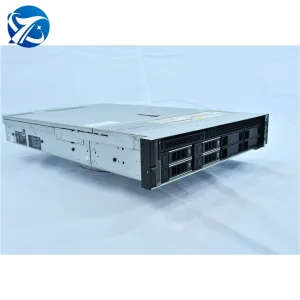
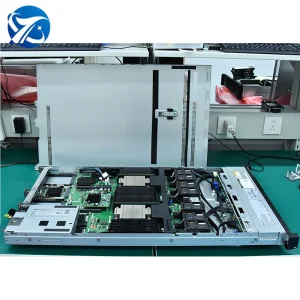
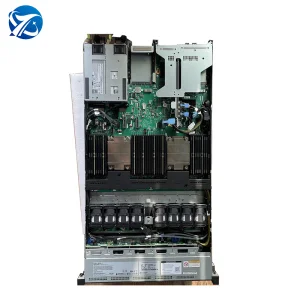
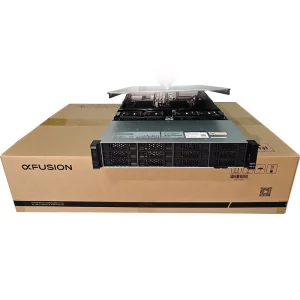
In these edge environments, hardware reliability is critical. Compact, high-efficiency servers (such as the 1U xFusion FusionServer 1288H V7) provide the necessary compute density while fitting into standard space-constrained telco racks. These systems combine high-speed storage, sufficient CPU cores, and reliable power distribution units to support high uptime in environments without dedicated, on-site IT support.
Browse our specialized enterprise storage racks, computing systems, and hardware components built for high reliability and intensive workloads.
Critical technical guidelines for optimizing high-availability hardware and running complex open-source platforms.
Modern Linux servers require hardware controllers with native kernel driver support. If a RAID controller or network card (like Emulex Fibre Channel HBA cards or custom array cards) uses proprietary drivers that are not integrated into the upstream Linux kernel, you may encounter system instability or kernel panic issues during OS updates. Using hardware from established manufacturers ensures consistent, out-of-the-box compatibility with enterprise systems such as Rocky Linux, Red Hat, and Ubuntu Server.
NexGPU servers are designed for memory-intensive workloads. They feature optimized PCIe routing to support high inter-GPU bandwidth, which is essential for distributed model architectures. Combined with high-capacity DDR4/DDR5 system memory and fast local SSD storage arrays, these systems help prevent bottlenecks during massive AI training and inference tasks.
A localized supply chain allows manufacturers like NexGPU, based in Shenzhen, to source and integrate high-quality components efficiently. This minimizes manufacturing bottlenecks for custom orders, enabling rapid assembly, comprehensive QA testing (such as extended burn-in cycles), and faster delivery times for global enterprise shipments.
NexGPU implements a multi-stage testing process. Each server goes through component verification, system assembly, memory stability checks, and performance testing under heavy loads. Additionally, systems undergo temperature burn-in cycles to identify and resolve any early component issues, ensuring stable operation once installed in the customer's data center.