NexGPU
NexGPU
NexGPU
Enterprise-grade computing devices, high-reliability rack mounts, and solid-state infrastructure configurations for high-density environments.
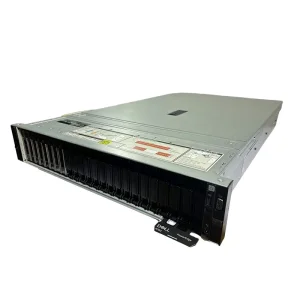
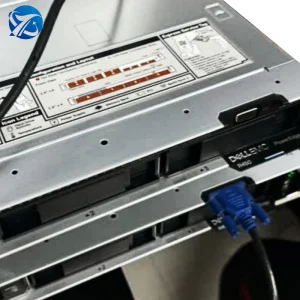
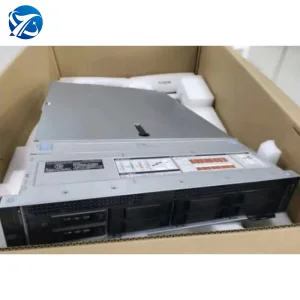
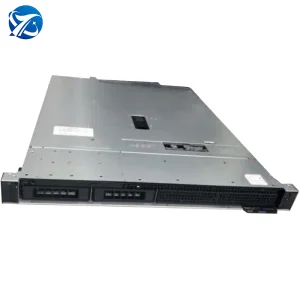
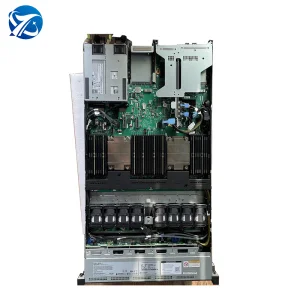
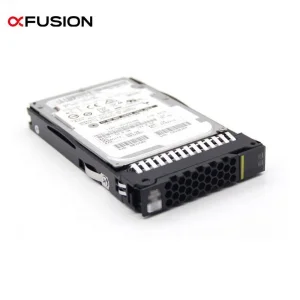
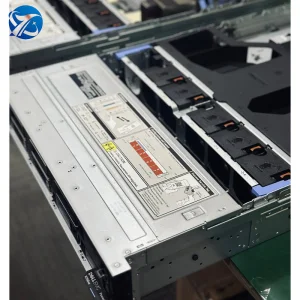
In the modern digital economy, enterprise compute clusters, data centers, and advanced graphics processing units (GPUs) act as the foundational pillars of technological progress. As deep learning models, hyperscale cloud networks, and localized edge architectures become increasingly complex, the physical handling of server nodes has become impractical, inefficient, and costly.
Remote Server Management—commonly facilitated by hardware components such as Baseboard Management Controllers (BMCs) and software interfaces running on Out-of-Band Management (OOBM) networks—has evolved from a standard administrative utility to a mission-critical operational paradigm. By utilizing dedicated, independent processing subsystems (typically running OpenBMC or proprietary firmware), network engineers and system administrators can interact with server hardware at a low level, completely separated from the host operating system.
This decoupling allows remote administrators to execute remote power cycles, modify BIOS/UEFI settings, diagnose thermal performance metrics, and install hypervisor OS overlays remotely. It bridges the gap between hardware infrastructure deployment and software provisioning. With the rapid expansion of high-density AI nodes, GPU server platforms require highly complex thermal profiles and power cycles, demanding robust, high-performance, and secure remote interfaces that function even during host operating system failures.
Operates on a dedicated, isolated hardware pathway independent of the host processor, ensuring configuration accessibility during server crashes or operating system failures.
Incorporates modern hardware processors (such as ASPEED AST2600) directly onto server mainboards to report real-time physical telemetry, voltage levels, and thermal matrices.
Replaces legacy IPMI architectures with highly secure, JSON-formatted HTTP requests to easily integrate hardware systems with third-party orchestration tools.
The architecture of enterprise-level remote server management is undergoing a profound paradigm shift. For decades, Intelligent Platform Management Interface (IPMI 2.0) was the undisputed industry standard. However, the security landscape has evolved, exposing critical weaknesses in legacy IPMI over LAN protocols, including vulnerabilities to cipher suite attacks and weak authentication mechanisms.
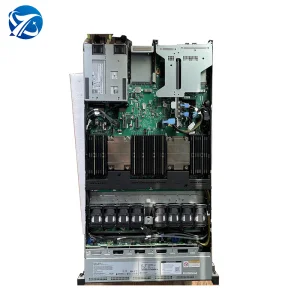
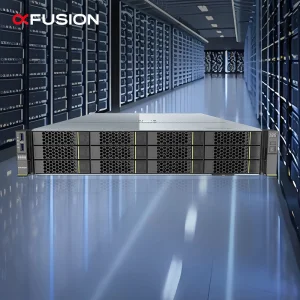
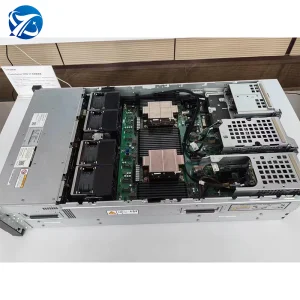
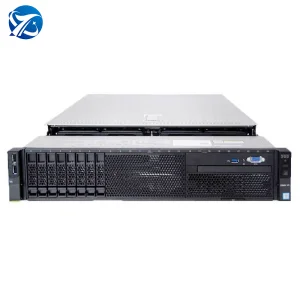
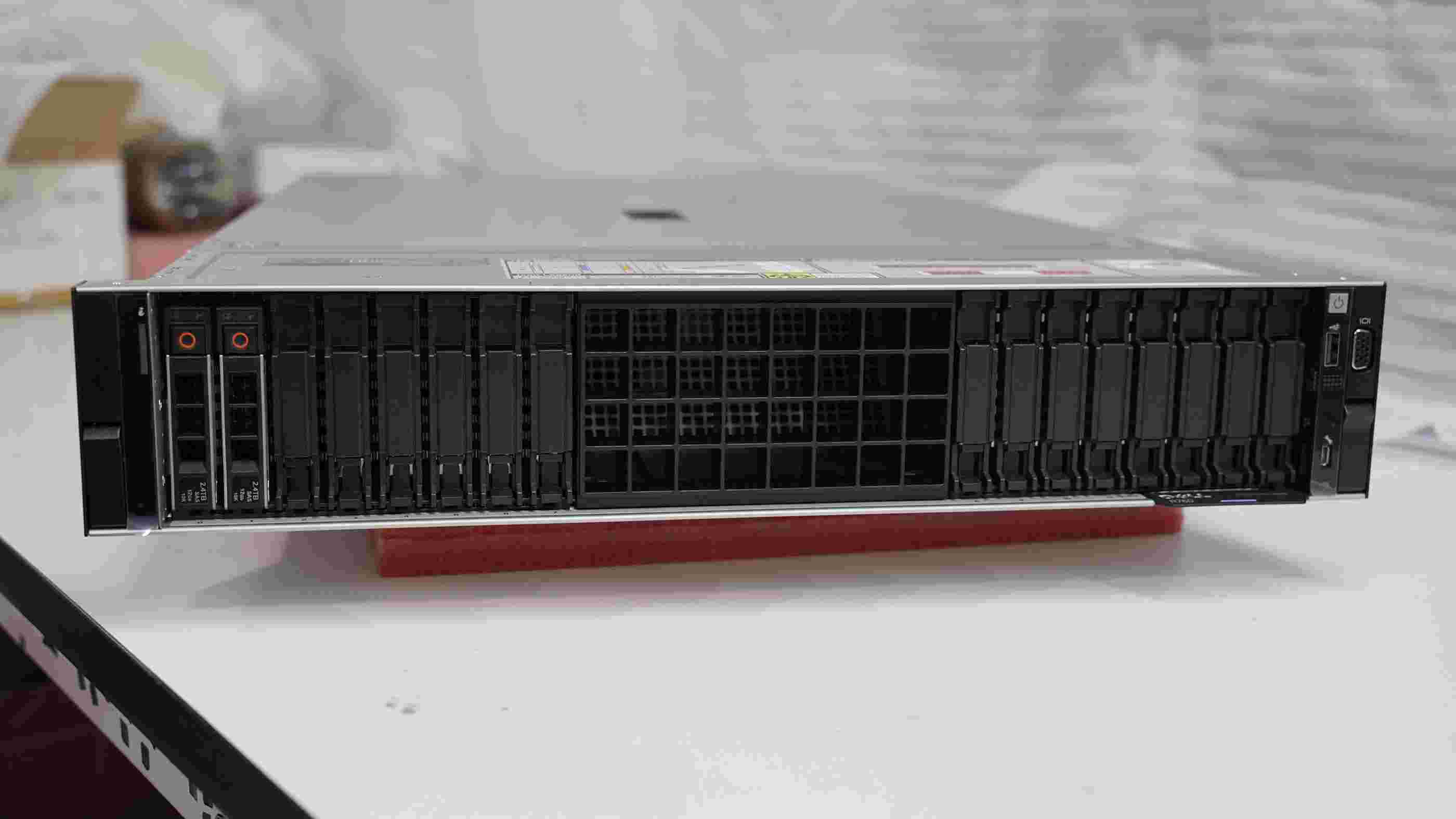
To mitigate these security concerns, global server manufacturers have transitioned to DMTF Redfish APIs. Redfish relies on modern web standards (HTTPS, JSON, and OData), enabling DevOps engineers to manage thousands of nodes utilizing simple scripting languages. This transition is essential for running massive GPU deployments (such as cluster deployments of Dell PowerEdge R760 or FusionServer 1288H V7).
Additionally, modern manufacturers are heavily focusing on the following core technological roadmaps:
| Management Standard | Underlying Protocol | Data Representation | Security Profiles | Target Scale |
|---|---|---|---|---|
| Legacy IPMI 2.0 | RMCP / UDP | Binary Byte Streams | Basic (Vulnerable MD5/RC4) | Small Data Centers |
| Modern DMTF Redfish | HTTPS / TCP | JSON Schema (OData) | Zero-Trust TLS, OAuth2 | Hyperscale & Distributed Edge |
| Next-Gen OpenBMC | REST / gRPC / DBus | Structured APIs | Hardware Root of Trust (RoT) | Global AI Clusters |
Remote server management systems are deployed differently depending on the commercial and industrial setting. Here, we outline the three main scenarios that shape the demand for high-reliability, customized hardware solutions.
For high-density GPU platforms running intensive large language models, dynamic power allocation and real-time GPU thermal monitoring (utilizing NVLink metrics) are critical. BMC platforms must communicate directly with GPU boards to prevent thermal throttling and balance power draws across high-wattage power supply units (PSUs).
Edge locations, such as manufacturing plants or telecommunication towers, operate without on-site IT technicians. Systems like the 1U xFusion or PowerEdge models must rely on highly reliable cellular failover modems and secure Virtual Media redirection to perform bare-metal software updates remotely over highly constrained network lines.
In high-security, air-gapped data facilities, IPMI and Redfish traffic must be isolated through physical virtual local area networks (VLANs). Advanced access control lists (ACLs), multi-factor authentication (MFA) at the BMC level, and continuous firmware integrity validation are required to satisfy sovereign data protection compliance frameworks.
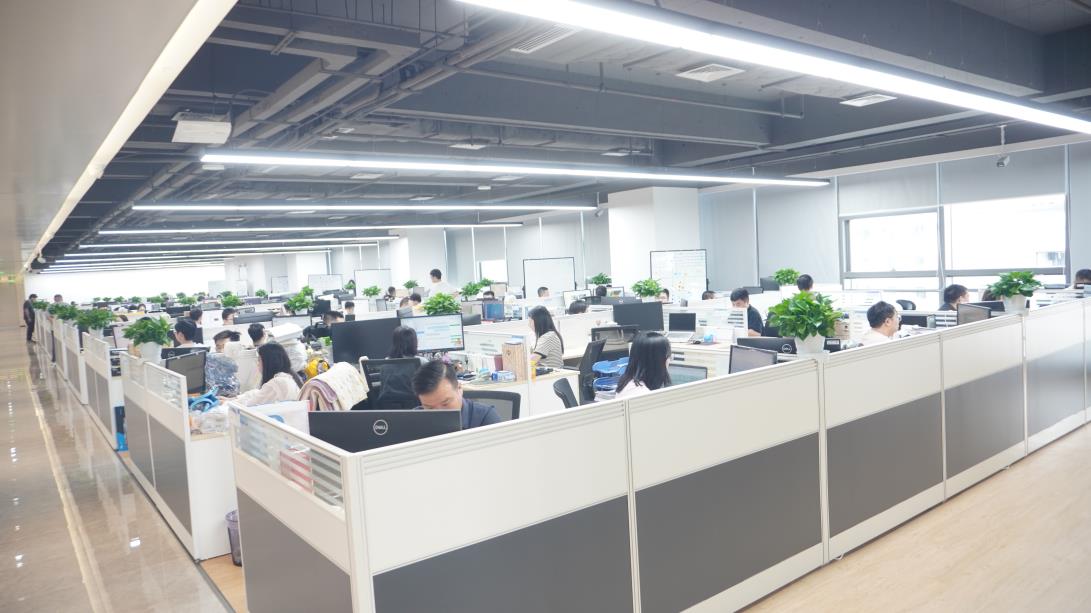
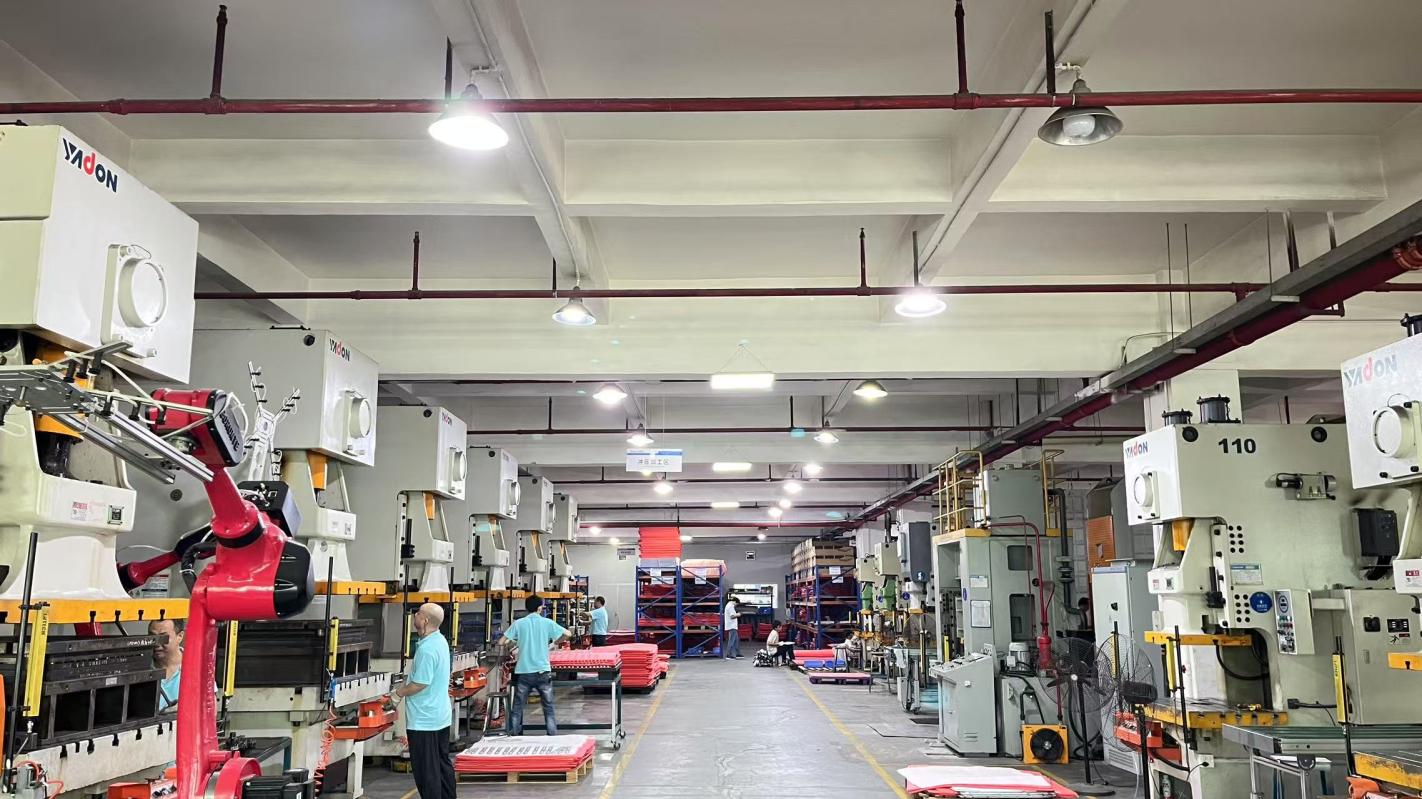
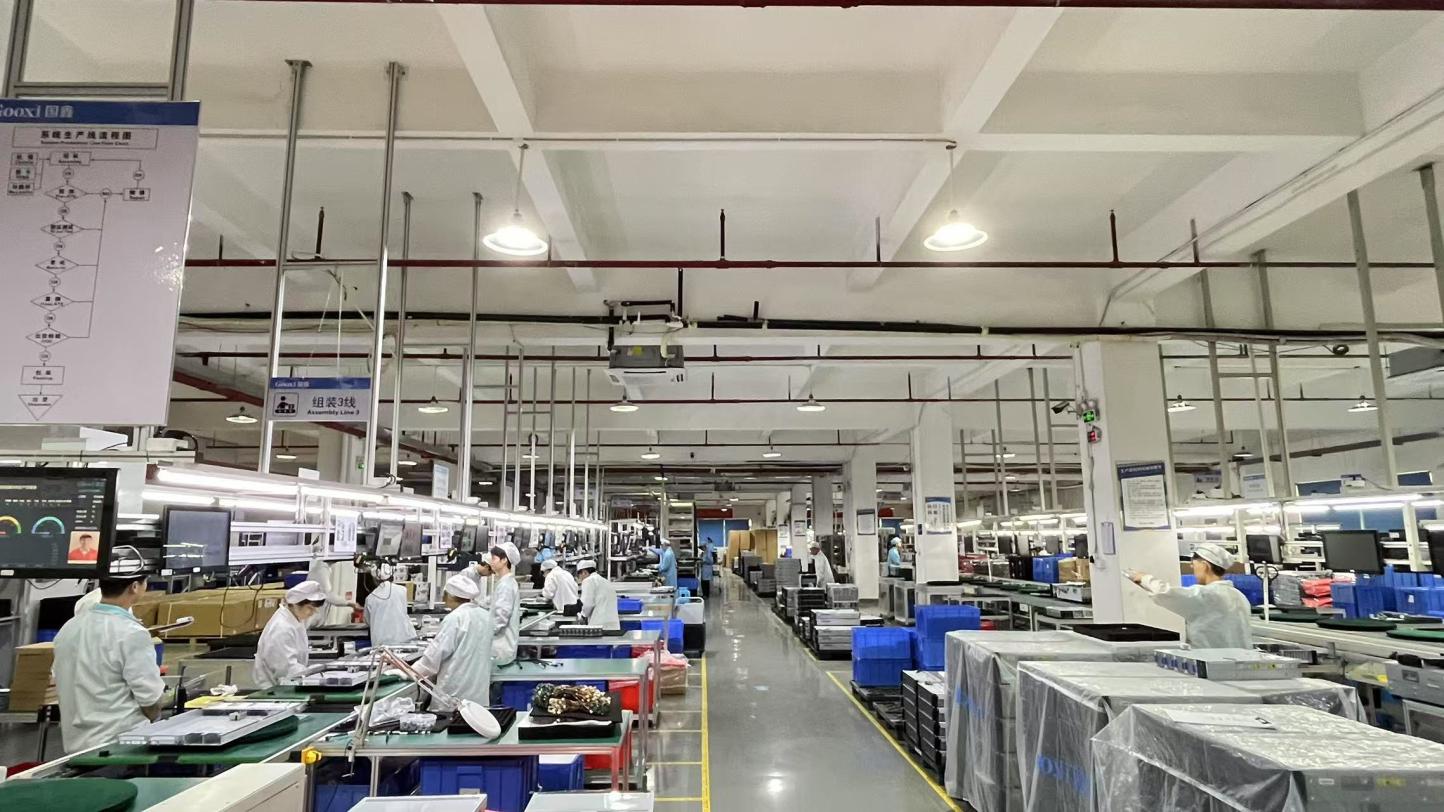
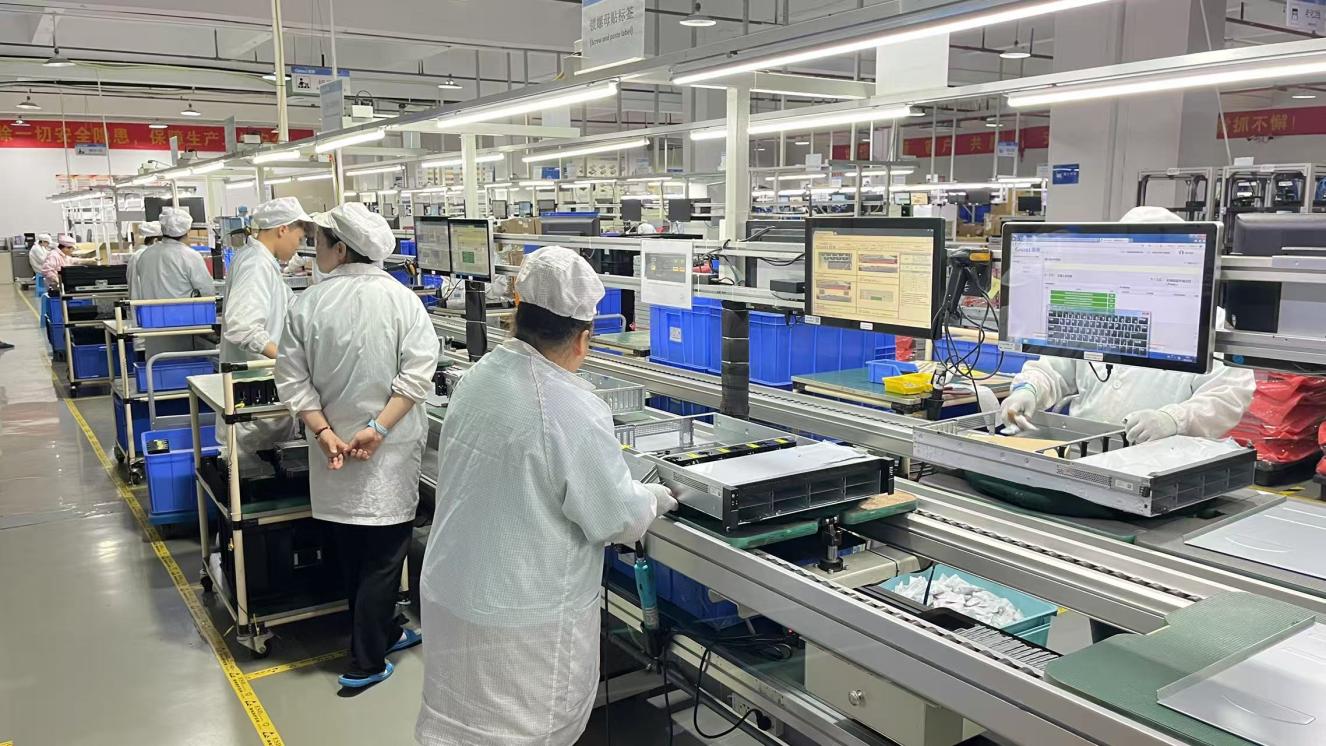
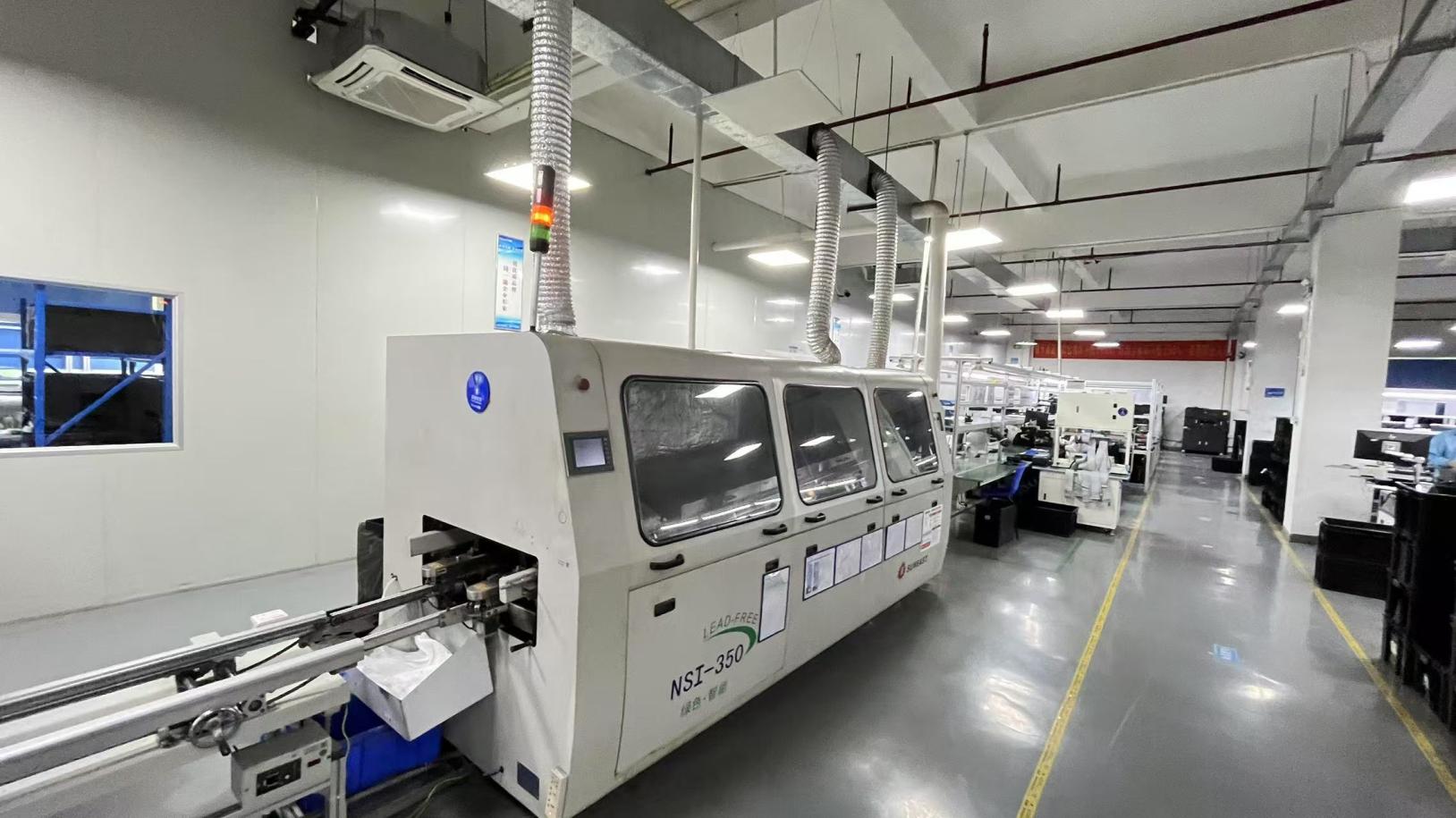
Founded in 2017, NexGPU Intelligent Computing Technology Co., Ltd. is a professional manufacturer specializing in GPU servers, AI computing infrastructure, high-performance computing (HPC) systems, and customized server solutions for global customers. Headquartered in Shenzhen, China, the company operates a modern manufacturing facility covering over 380 square meters, equipped with advanced assembly, testing, and quality control systems.
With more than 9 years of industry experience and 7 years of export experience, NexGPU has established itself as a trusted supplier for enterprises, cloud service providers, research institutions, AI startups, data centers, and system integrators worldwide. Our annual export revenue exceeds USD 18 million, serving customers across North America, Europe, Southeast Asia, the Middle East, and Oceania.
NexGPU maintains strict quality management standards throughout the production process. Every product undergoes comprehensive reliability testing, performance verification, burn-in testing, compatibility validation, and final inspection before shipment. Our dedicated quality control team consists of over 45 experienced inspectors, ensuring consistent product quality and reliability.
Supported by a strong global supply chain network of more than 1,200 strategic partners, NexGPU can efficiently source premium components and deliver flexible manufacturing solutions to meet diverse customer requirements. We offer extensive OEM and ODM services, including hardware configuration customization, chassis branding, firmware optimization, rack integration, and AI infrastructure deployment solutions.
Innovation is at the core of our business. Our R&D department includes over 120 engineers specializing in server architecture, thermal management, AI computing optimization, and system integration. Each year, NexGPU launches more than 80 new products and solution upgrades to address the rapidly evolving demands of artificial intelligence, machine learning, cloud computing, and enterprise data processing.
Driven by a commitment to performance, reliability, and customer success, NexGPU continues to provide cutting-edge GPU server solutions that empower organizations to accelerate innovation and achieve their digital transformation goals.

Hardware procurement at an enterprise scale requires careful attention to firmware security. Because BMC microcontrollers have direct access to physical memory through PCIe and memory buses, they are highly targeted entry points for malicious exploitation. Historically, firmware was treated as a proprietary afterthought, leaving organizations vulnerable to backdoors and unpatched vulnerabilities.
At NexGPU, our engineering R&D team works to mitigate these vulnerabilities by implementing a secure development lifecycle (SDL) for all OEM/ODM server orders. Our security roadmap relies on:
Deep-dive technical answers to standard industry queries on Out-of-Band (OOB) server monitoring, hardware customization, and deployment configurations.
High-density storage options, enterprise switch arrays, and high-performance server options.