NexGPU
NexGPU
NexGPU
High-speed switches and server fabrics optimized for deployment in Brisbane's localized data centers and complex enterprise environments.
How rapid urbanization, the 2032 Olympics preparation, and regional industrial growth are transforming high-speed networking requirements.
As the commercial capital of Queensland, Brisbane is undergoing a generational shift in its communication infrastructure. Large-scale construction and smart-city initiatives require reliable Ethernet architectures. A stable network fabric is no longer just about internal communication; it acts as the primary transmission layer for unified smart applications, autonomous machinery control in logistics hubs, and modern IoT-connected workspaces.
From the busy logistics facilities around the Port of Brisbane to high-density real estate installations in Queen's Wharf, network switches need to handle increased multi-gigabit workloads while maintaining low latency. Exporters and manufacturers serving Brisbane must deliver hardware that meets strict local requirements, including specific environmental ratings, energy efficiency targets, and long-term durability under warm sub-tropical conditions.
Network devices deployed in Brisbane must withstand specific atmospheric factors. Sub-tropical humidity and high summer temperatures put stress on internal cooling fans, capacitors, and optical transceivers. Standard IT equipment can experience early failures if not built to handle these conditions.
As physical networks transition from legacy configurations to software-defined environments, key technical shifts are defining modern deployments.
For modern smart ports and manufacturing facilities in regional Queensland, traditional Ethernet can sometimes drop packets under load. Time-Sensitive Networking (TSN) addresses this by providing deterministic latency. Through IEEE 802.1Q standards (such as frame replication, time-aware shaping, and preemption), modern network switches ensure critical telemetry and automation traffic are prioritized over routine corporate data, improving reliability in automated environments.
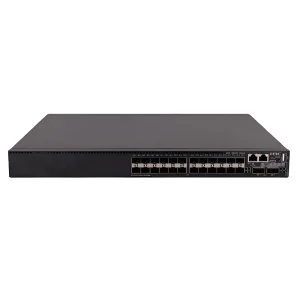
Moving from basic Layer 2 switching to Layer 3 capability helps isolate local subnet traffic, reducing unnecessary broadcast packets. Switches like the H3C S6520X-30QC-EI allow organizations to route traffic directly at the edge layer. This reduces the processing load on core firewalls and routers, keeping local data within the branch network and improving overall response times.
With the rise of large language models (LLMs), machine learning workloads, and intensive data processing, computing nodes require faster interconnects. Traditional Ethernet can drop packets under high load, causing delays during GPU synchronization. NexGPU designs systems using lossless Ethernet techniques, including RoCEv2 (RDMA over Converged Ethernet), Priority Flow Control (PFC), and Explicit Congestion Notification (ECN). This allows high-performance servers to transfer data directly memory-to-memory, maximizing GPU utilization across the local network.
Understanding supply chains, manufacturing lead times, and OEM customization options is key to successful IT procurement.
Buying directly from hardware manufacturers offers major cost and operational benefits for large IT projects. Instead of using standard retail models, direct sourcing lets organizations request customized configurations. This includes custom port layouts (such as balancing SFP+ optical ports with copper RJ45), specialized firmware, and custom-branded chassis. Direct access to engineering teams also helps simplify troubleshooting for complex network issues.
Working with partners like NexGPU, who maintain a strong supply network, helps reduce procurement lead times. This keeps large infrastructure projects on schedule by avoiding the delays often associated with traditional distribution models.
When purchasing network hardware, the initial cost is only one part of the equation. A comprehensive TCO analysis should look at:
Importing hardware to Australia requires adherence to specific electrical and safety guidelines.
All network and server hardware used in Australia must carry the RCM mark. This certifies that the equipment complies with local electrical safety requirements (AS/NZS 62368.1) and electromagnetic compatibility (EMC) standards (AS/NZS CISPR 32). Compliance helps prevent interference with other wireless and wireline equipment.
With local businesses focusing on sustainability, selecting network hardware that meets RoHS and energy efficiency standards helps companies align with their environmental policies and lower overall power usage.
Reliable hardware support is essential. NexGPU provides testing and validation services, ensuring systems are configured and tested before shipping. This helps reduce installation issues and supports smooth deployments for local teams.
Common questions regarding L2/L3 architectures, optical connections, and environmental performance.
Layer 2 switches forward traffic based on MAC addresses within the same local network segment. Layer 3 switches use IP routing tables to direct traffic between different subnets (VLANs). Incorporating Layer 3 routing at the access layer helps contain local broadcast traffic, improving security and performance across the network.
High temperatures can affect laser wavelength stability, potentially leading to link drops or errors. Modern optical switches use Digital Diagnostic Monitoring (DDM/DOM) to track real-time temperature, voltage, and optical power. Choosing transceivers rated for industrial temperatures (-40°C to 85°C) is recommended for installations in hot or unconditioned environments.
RoCEv2 (RDMA over Converged Ethernet) routes Remote Direct Memory Access (RDMA) over UDP/IP. This allows servers to transfer data directly between memory spaces without relying on host CPU resources. Combined with congestion control protocols, it creates a highly efficient, low-latency fabric suitable for distributed GPU compute clusters.
PoE++ Type 4 provides up to 90W of power over standard copper cabling. This enables a single connection to support higher-power devices such as pan-tilt-zoom cameras, LED lighting panels, and high-performance wireless access points, reducing the need for separate electrical wiring.
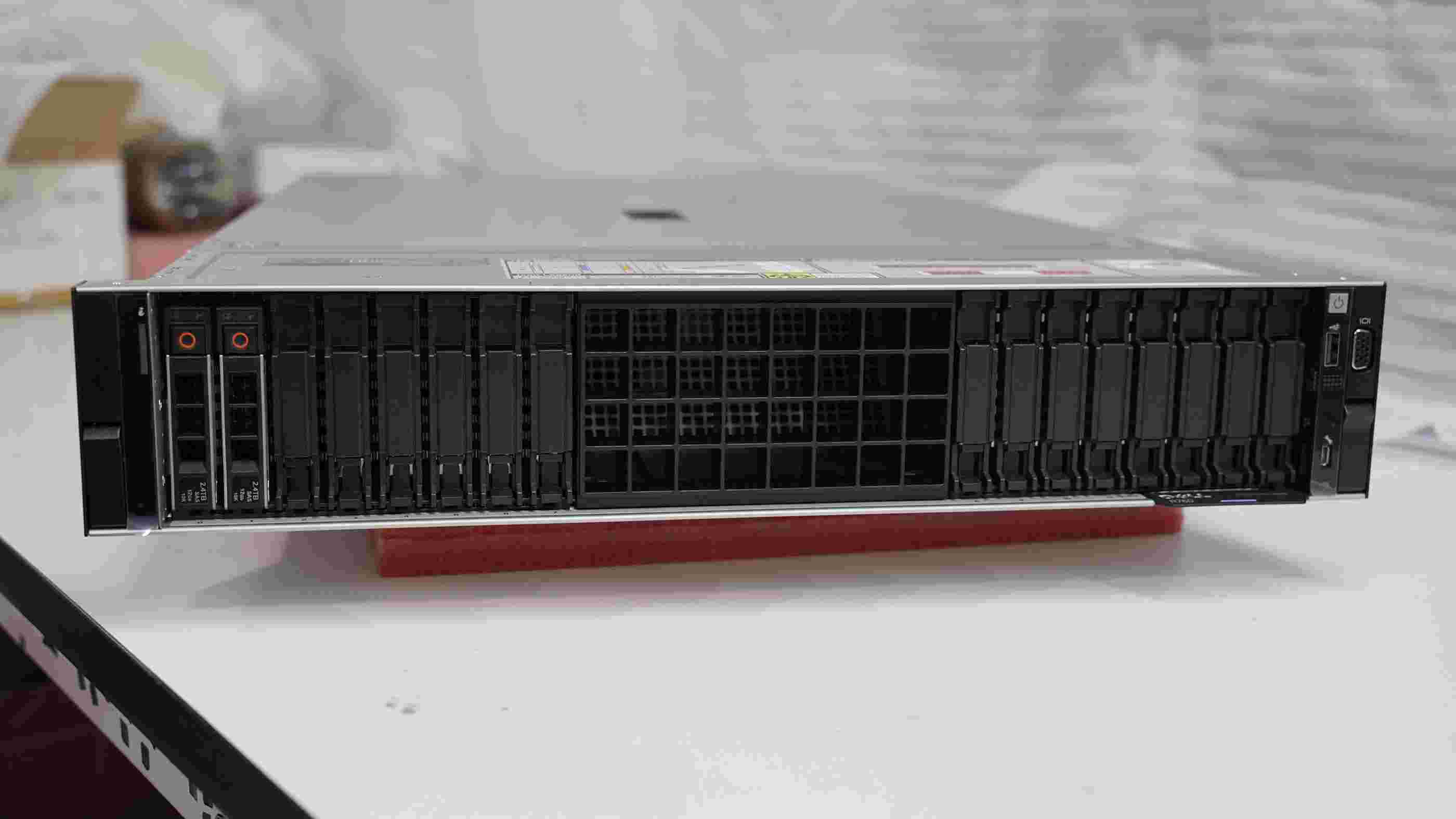
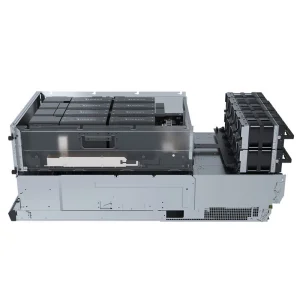
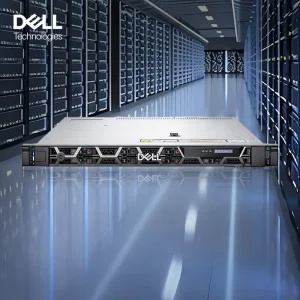
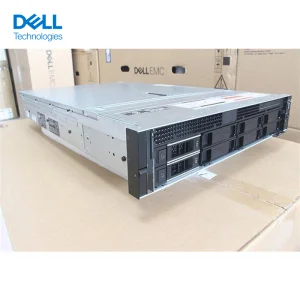
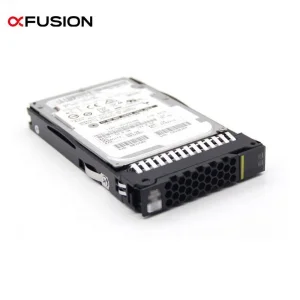
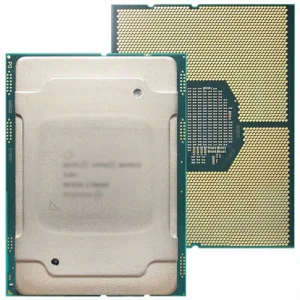
Professional-grade rack servers, solid-state drives, processors, and RAID storage controllers for business data environments.
Global manufacturing standards for AI, high-performance computing, and optical communications infrastructure.
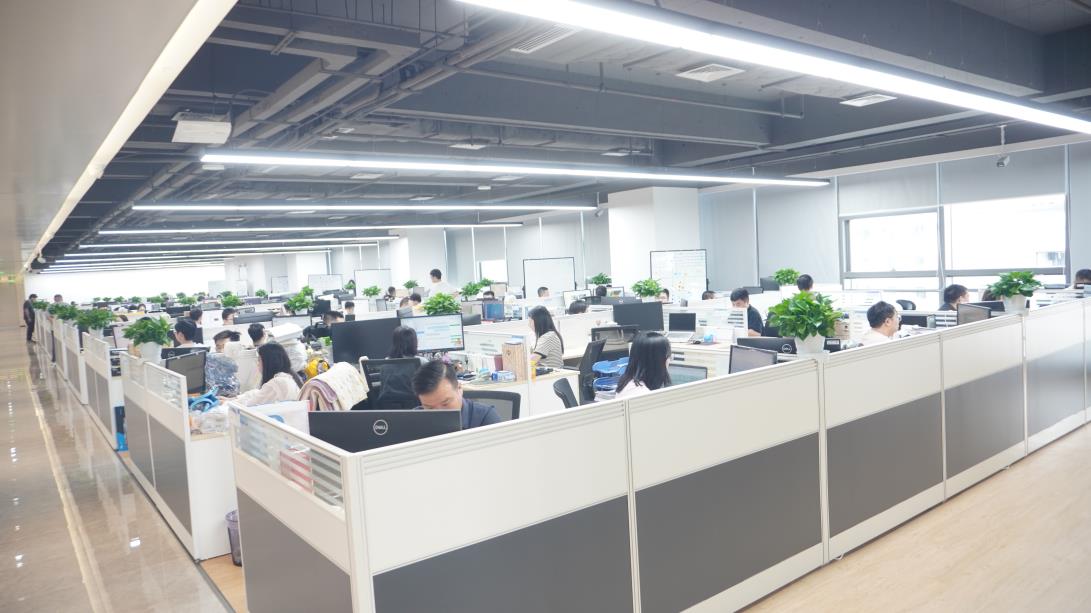
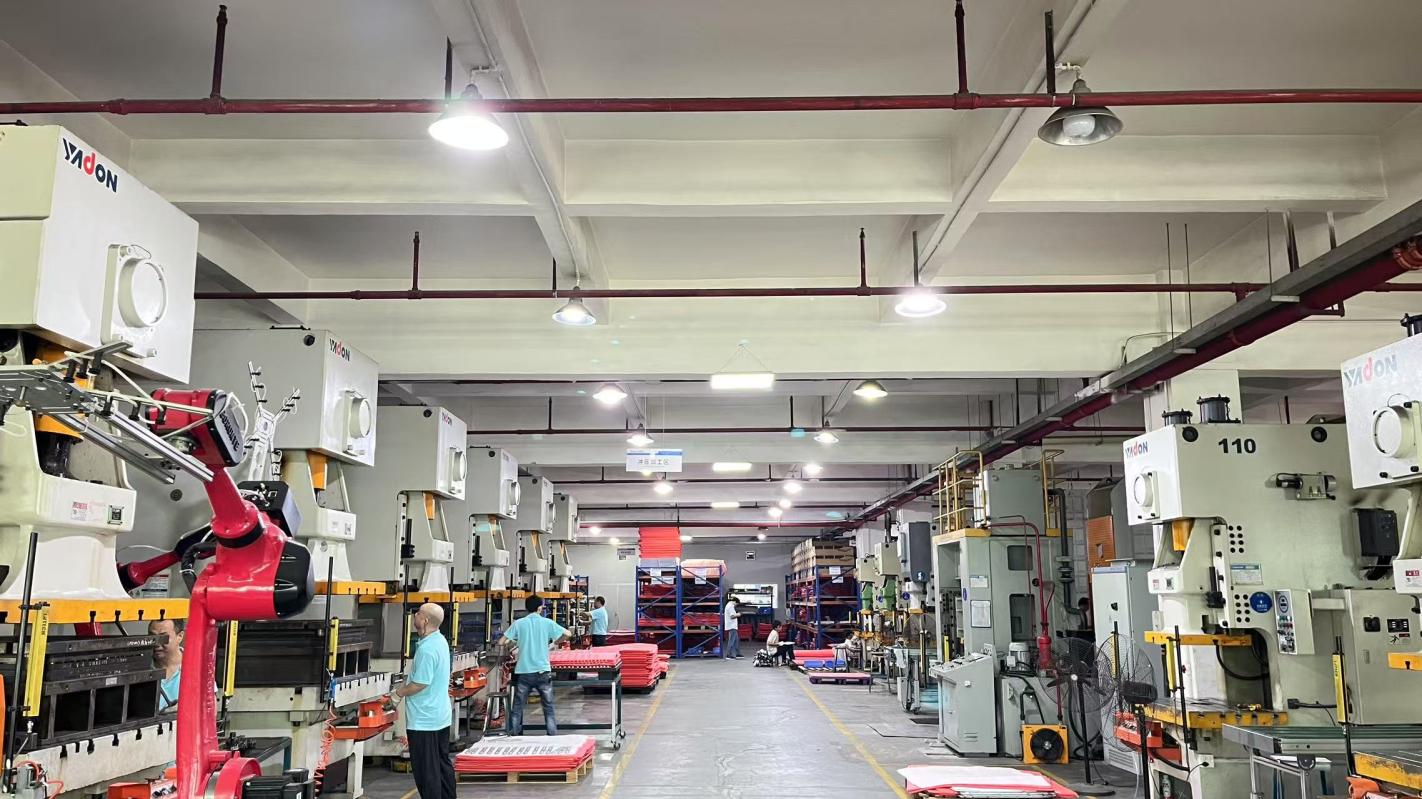
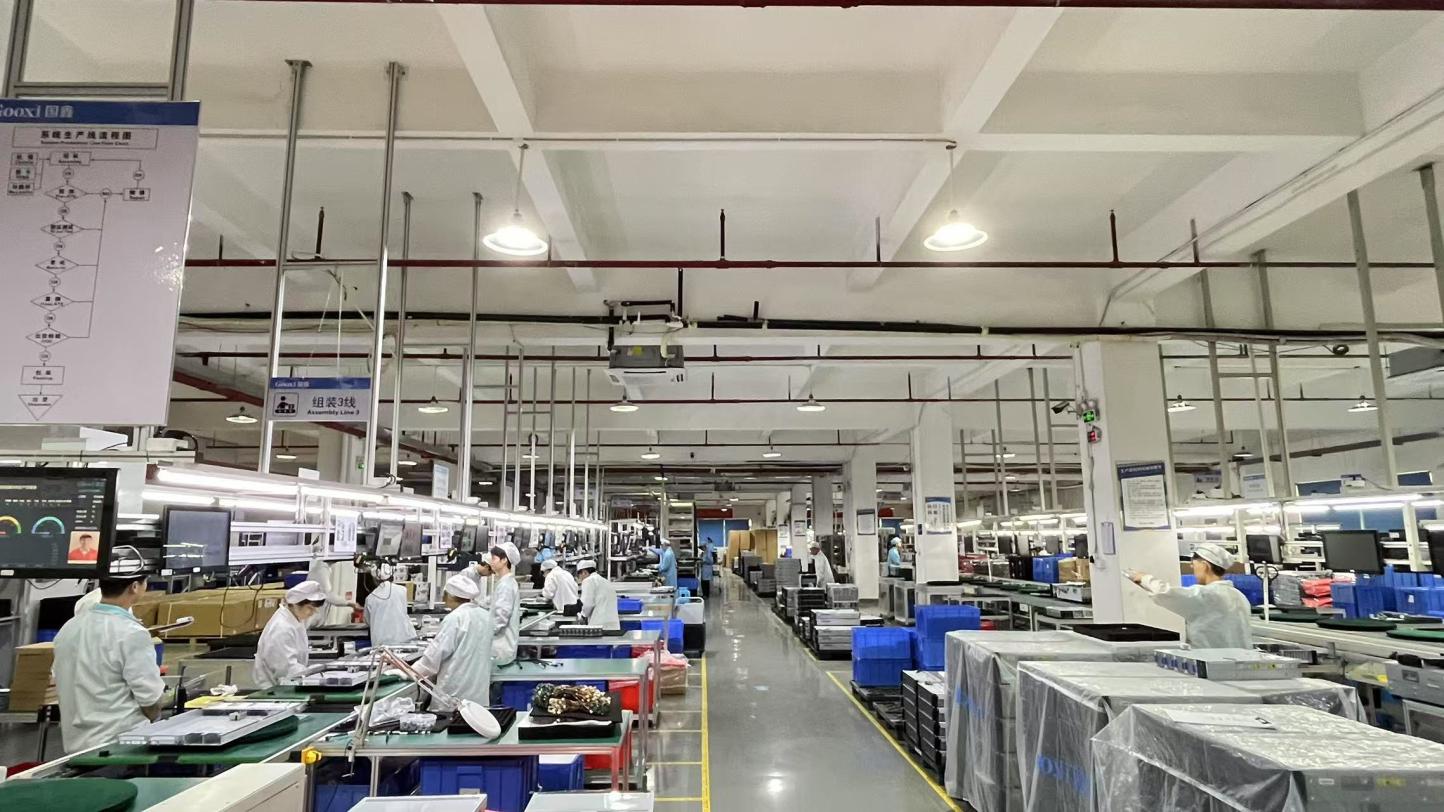
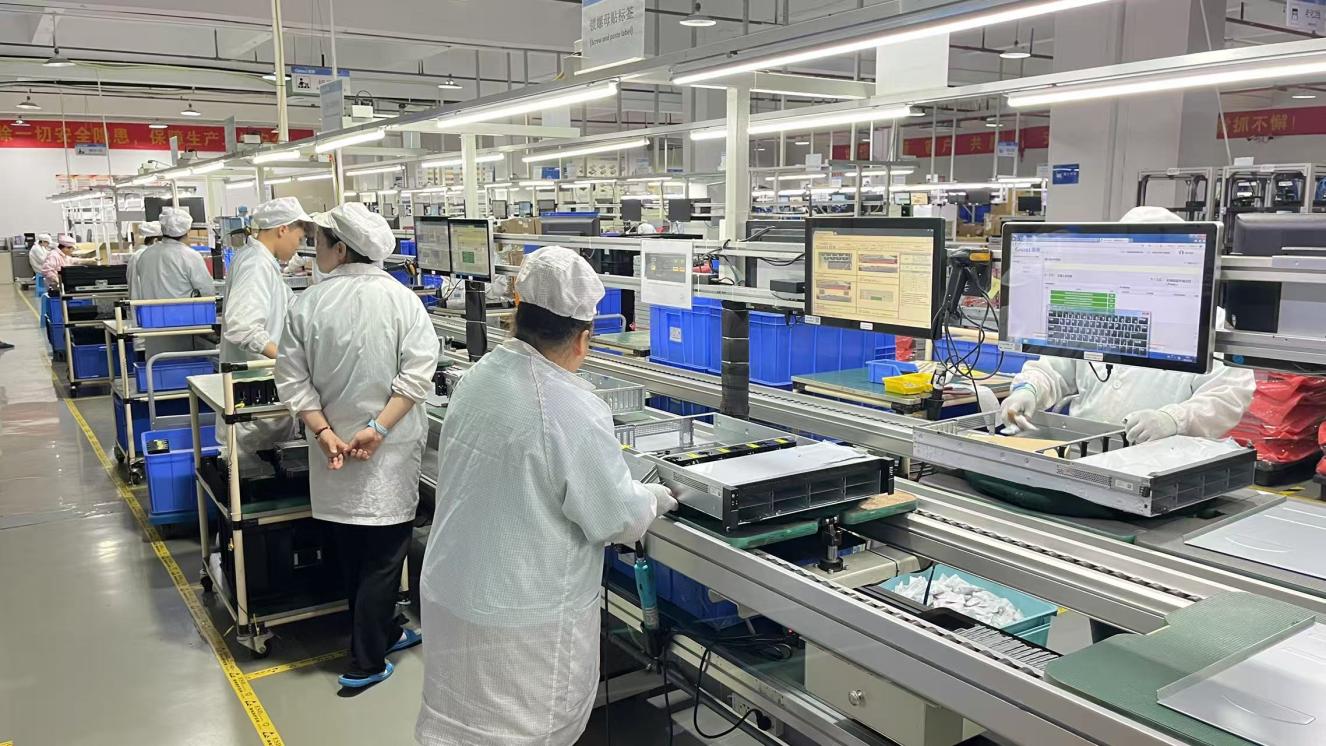
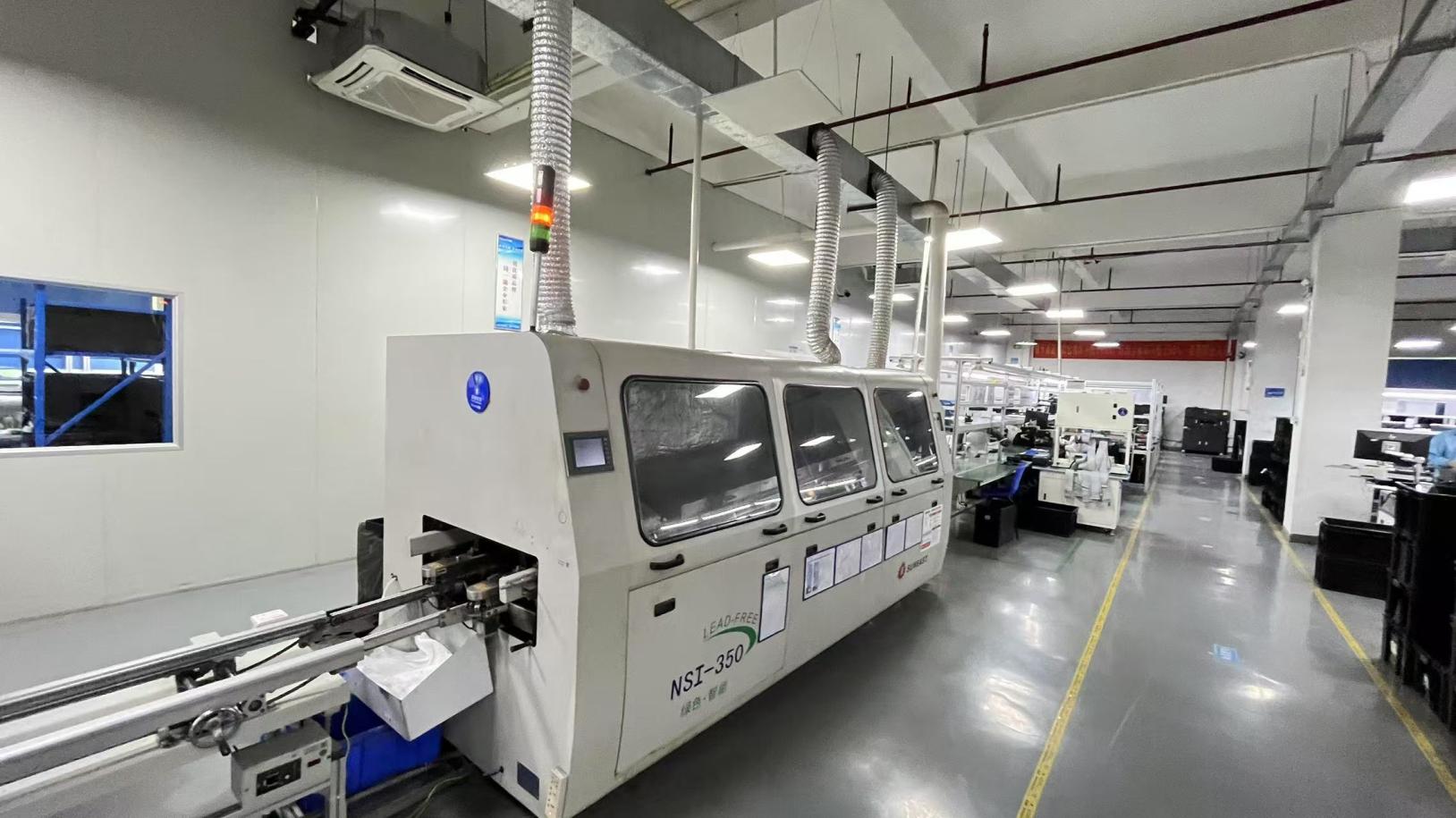
Founded in 2017, NexGPU Intelligent Computing Technology Co., Ltd. is a manufacturer specializing in GPU servers, AI computing infrastructure, high-performance computing (HPC) systems, and customized server solutions. Headquartered in Shenzhen, China, the company operates a modern facility covering over 380 square meters, equipped with systems for assembly, testing, and quality control.
With more than 9 years of industry experience and 7 years of export experience, NexGPU has established itself as a supplier for enterprises, cloud service providers, research institutions, AI startups, data centers, and system integrators worldwide. Our annual export revenue exceeds USD 18 million, serving customers across North America, Europe, Southeast Asia, the Middle East, and Oceania.
NexGPU maintains quality management standards throughout the production process. Every product undergoes reliability testing, performance verification, burn-in testing, compatibility validation, and final inspection before shipment. Our dedicated quality control team consists of over 45 experienced inspectors, ensuring consistent product quality and reliability.
Supported by a global supply chain network of more than 1,200 strategic partners, NexGPU can source components and deliver flexible manufacturing solutions to meet diverse requirements. We offer extensive OEM and ODM services, including hardware configuration customization, chassis branding, firmware optimization, rack integration, and AI infrastructure deployment solutions.
Innovation is at the core of our business. Our R&D department includes over 120 engineers specializing in server architecture, thermal management, AI computing optimization, and system integration. Each year, NexGPU launches more than 80 new products and solution upgrades to address the demands of artificial intelligence, machine learning, cloud computing, and enterprise data processing.