NexGPU
NexGPU
NexGPU
Deploy high-speed computational nodes and hardware-accelerated VPN controller units built for enterprise-grade network security and low-latency throughput.
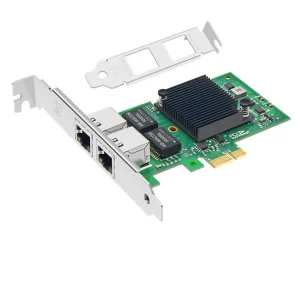
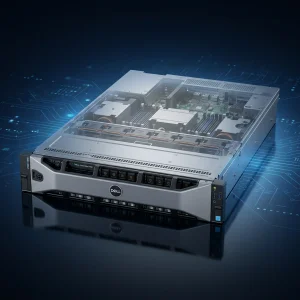
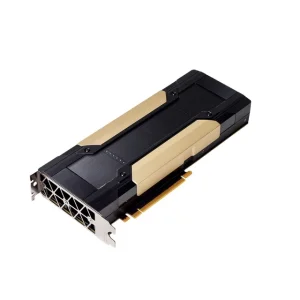
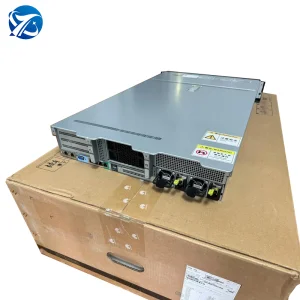
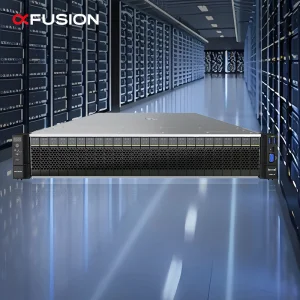
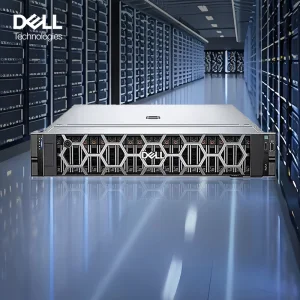
In the contemporary landscape of decentralized networks, massive cloud databases, and GPU-intensive workloads, securing data in transit is no longer just a software configuration task. Modern enterprises require highly specialized hardware-accelerated Virtual Private Network (VPN) concentrators and endpoints. From handling complex IPsec algorithms to running low-latency WireGuard tunnels across hybrid clouds, VPN hardware must process packets at line rate without introducing computational bottlenecks.
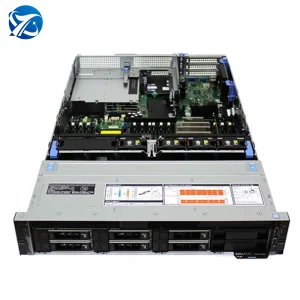
As a leading player in computational infrastructure, NexGPU Intelligent Computing Technology Co., Ltd. bridge the gap between high-performance computing (HPC) and complex network cryptography. We construct customized server topologies that leverage advanced RAID array configurations, NVMe SSD write optimization, and multi-socket CPU/GPU platforms. These hardware foundations ensure that encryption-decryption sequences do not throttled data flows in high-traffic applications.
Utilizing Intel QuickAssist Technology (QAT) and dedicated system-level accelerators to offload cryptographic computations like AES-GCM and ChaCha20-Poly1305 from host CPU cores, ensuring zero packet loss at 100Gbps network thresholds.
Fully compatible with container orchestration tools like Kubernetes and DeepSeek structures, enabling dynamically scaled virtual private tunnels across bare-metal server nodes with strict network namespace isolation.
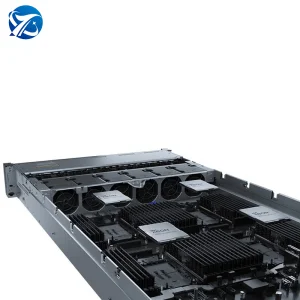
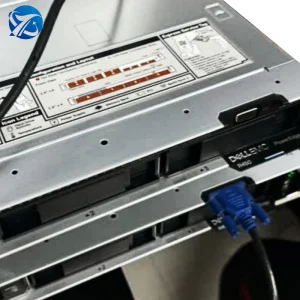
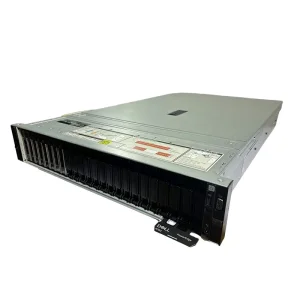
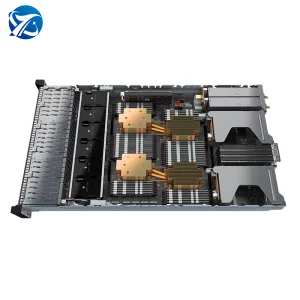
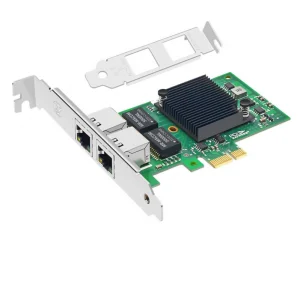
Our custom server layouts feature optimized multi-fan arrays and airflow guides, ensuring continuous high-load operations of VPN accelerators and cryptographic PCI cards in demanding datacenter racks.
Entering the European Economic Area (EEA) demands compliance with stringent quality, health, safety, and environmental protection standards. For VPN systems, telecommunication equipment, and server hardware, the CE Certification is a mandatory seal. A CE mark indicates that the product complies with EU directives, including the Electromagnetic Compatibility (EMC) Directive 2014/30/EU and the Low Voltage Directive (LVD) 2014/35/EU.
At NexGPU, we recognize that reliable VPN deployment is the core of national and international corporate networks. As a CE-compliant manufacturer, we subject every hardware node to rigorous electromagnetic radiation testing under EN 55032 and immunity testing under EN 55035. This ensures our hardware won't interfere with adjacent sensitive network infrastructure and can withstand electrostatic discharges (ESD) or voltage fluctuations common in massive cloud centers.
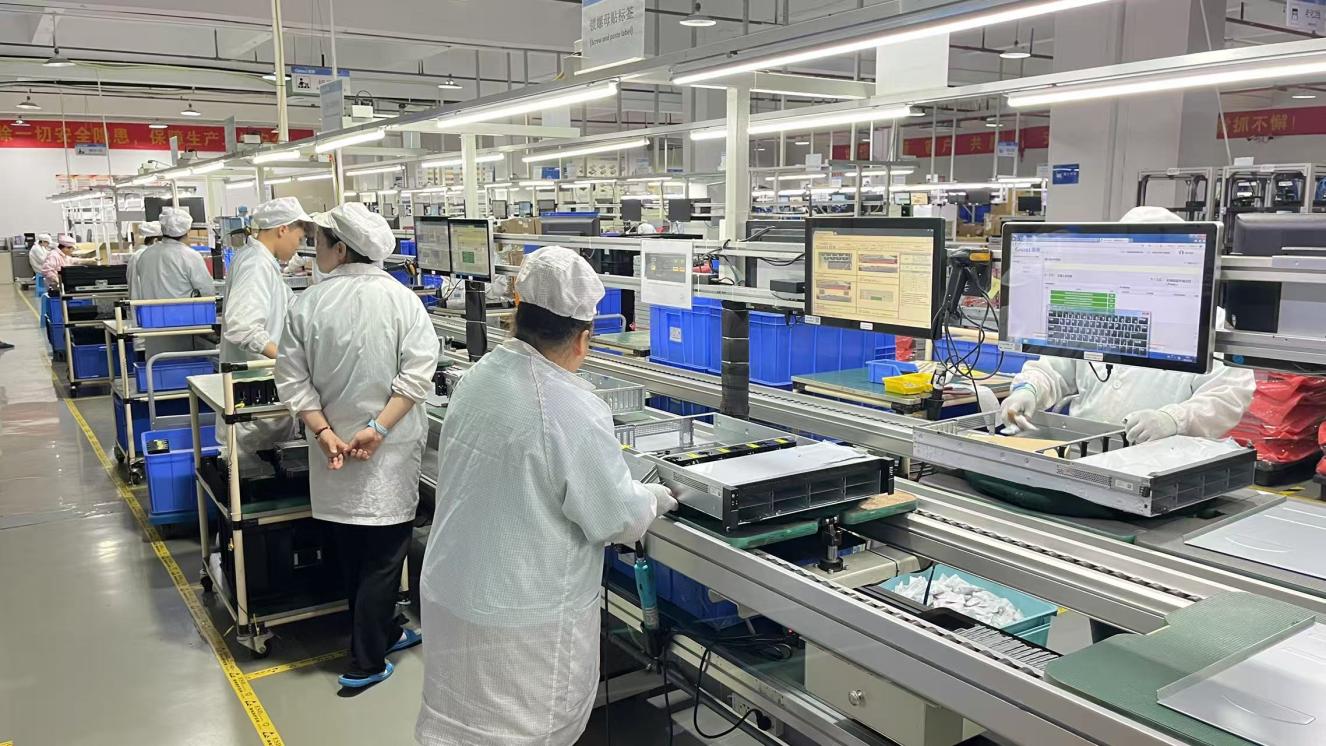
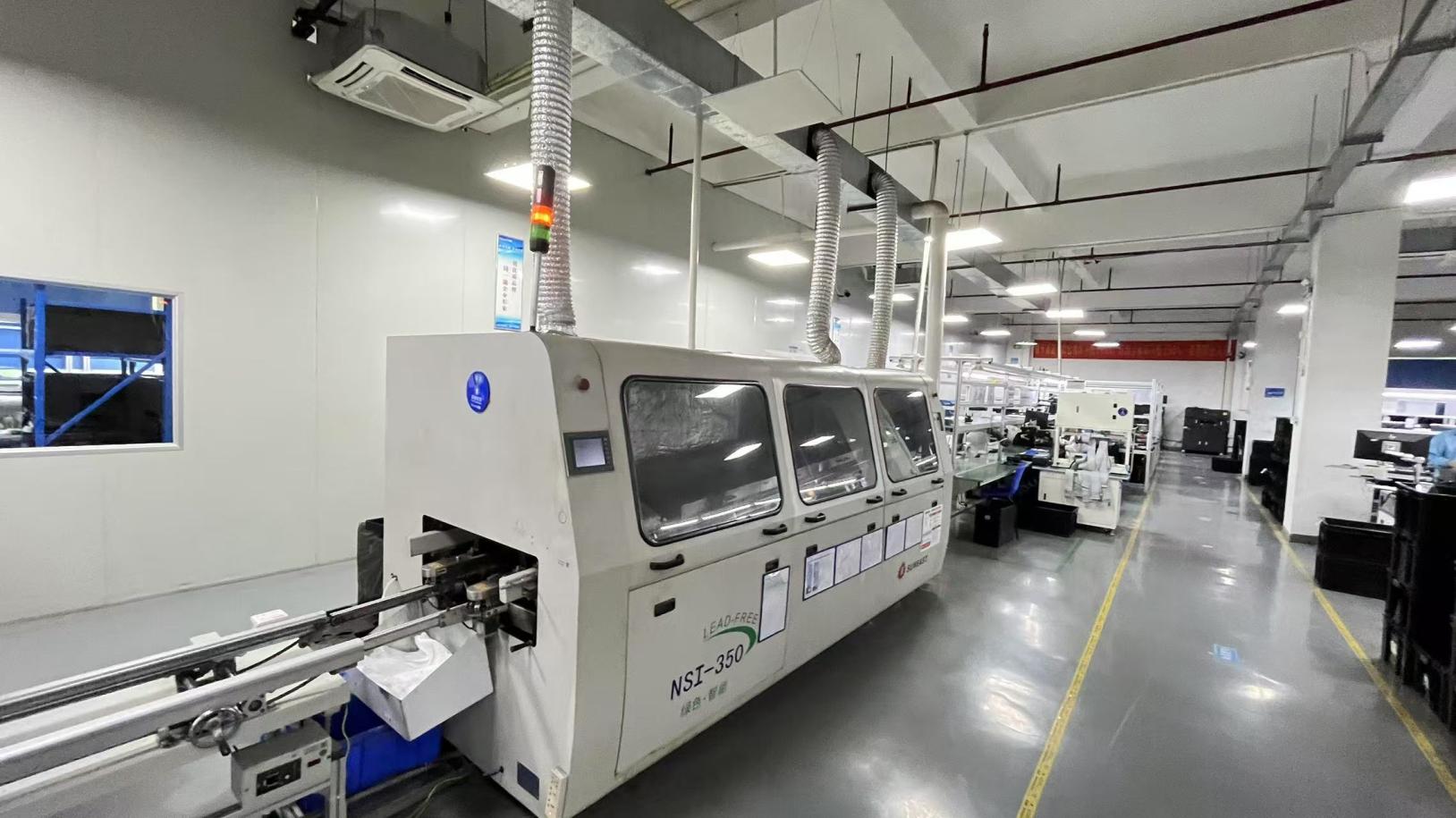
Operating out of Shenzhen, China—the silicon capital of hardware innovation—NexGPU leverages direct access to the world’s most advanced supply chain ecosystem. This geographical advantage enables us to source top-tier semiconductor materials, microcontrollers, and specialized server chassis at unbeatable speeds. Our 380 square meter facility runs optimized assembly and precision testing procedures that turn raw designs into enterprise-ready hardware within truncated manufacturing cycles.
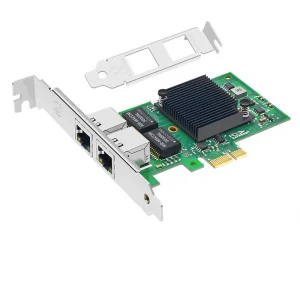
With over 9 years of industry experience and 7 years of global export proficiency, we maintain strict quality control loops. We work closely with leading silicon vendors to customize PCIe network cards, hardware security modules (HSMs), and server motherboards. For enterprises requiring tailored VPN layouts, we offer full ODM/OEM services. This covers everything from customizing firmware parameters and branding the physical chassis to integrating deep containerized network solutions directly on the assembly floor.
Global procurement teams in search of VPN hardware look beyond pure specs. They demand reliability, regulatory compliance, localized support, and long-term hardware availability. Whether it’s connecting remote R&D clusters in North America, establishing GDPR-compliant secure tunnels for financial systems in Germany, or setting up low-latency branch networks in Southeast Asia, our hardware is designed for multi-tier deployments:
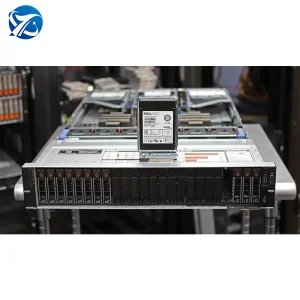
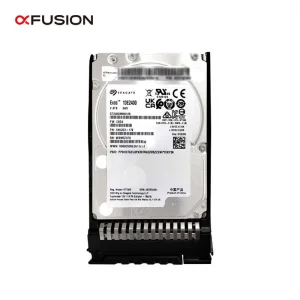
Banks and trading desks deploy our high-performance Xeon-based servers with RAID backup storage arrays (like the 9540-8i or XP270-M2 cards) to maintain continuous, encrypted logging of transactional logs across international private networks.
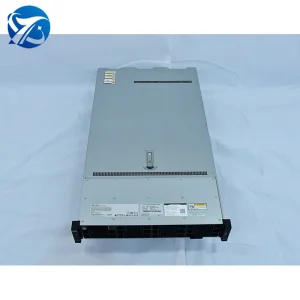
Automated manufacturing plants rely on micro-VPN gateways built into compact 1U server racks to secure real-time sensor loops and robotic telemetry streams, keeping critical operational technology (OT) safe from public exposure.
With models like DeepSeek R1 671B requiring multi-server communications, our GPU servers act as secure computing nodes. Secure VPN tunnels connect clustered nodes to protect intellectual property and model weights during distributed training.
The traditional perimeter-based security model is shifting. As enterprise IT environments embrace hybrid setups, VPN technologies are merging with Zero Trust Network Access (ZTNA) models. Future hardware must verify every user and device continuously, rather than trusting them once they are inside the secure tunnel.
Furthermore, the rise of quantum computing presents a significant threat to standard public-key cryptography (RSA and ECC). Within the next decade, legacy VPN tunnels will become vulnerable to decryption. To mitigate this risk, forward-thinking enterprises are transitioning to Post-Quantum Cryptography (PQC). NexGPU is proactively developing and testing server architectures equipped with the memory and processing power needed to handle complex lattice-based algorithms, ensuring your secure communication networks remain safe for decades to come.
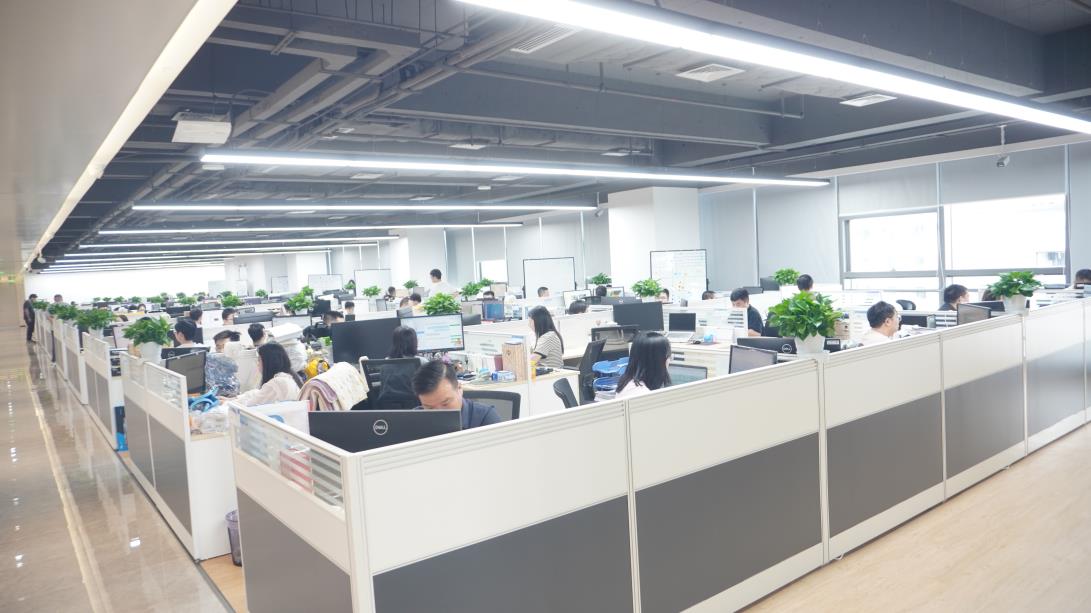
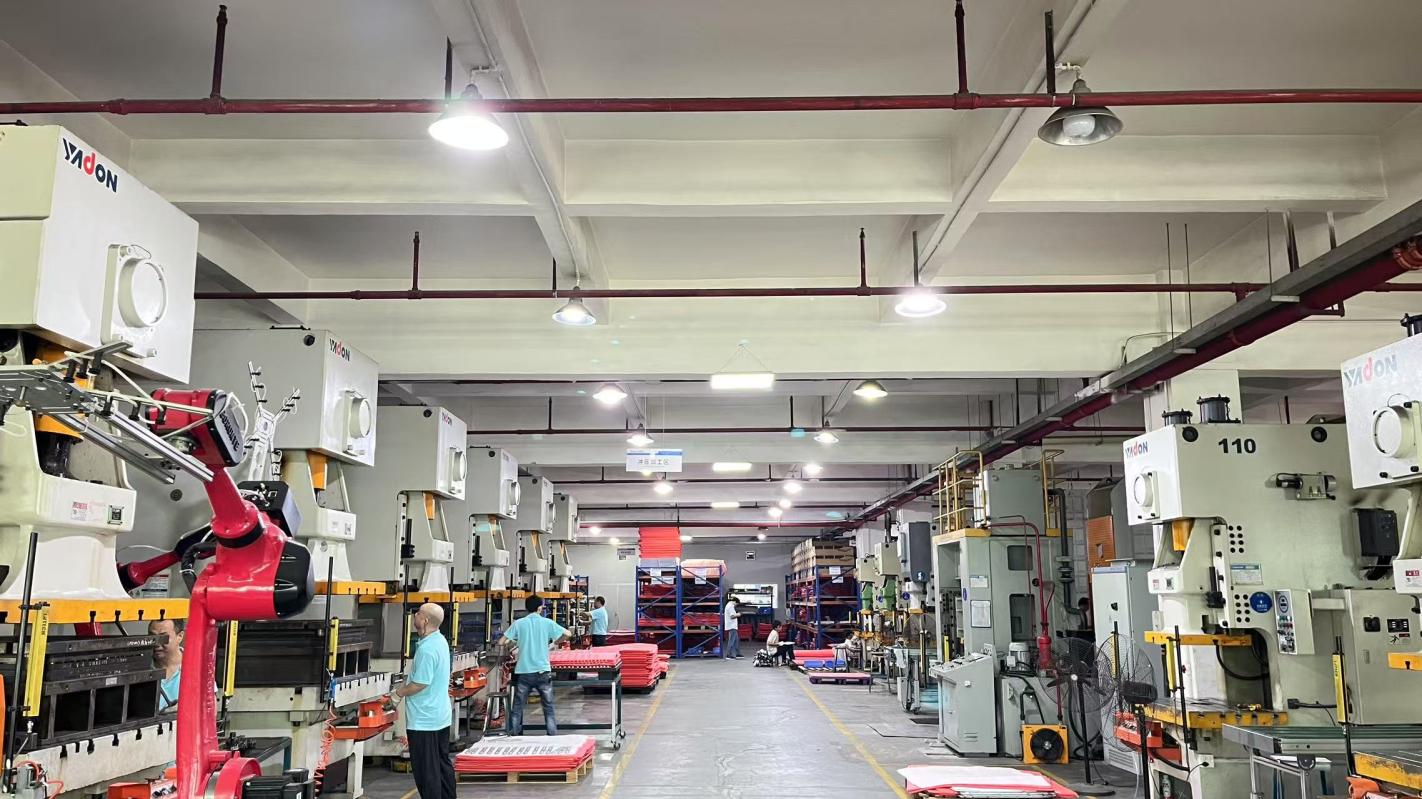
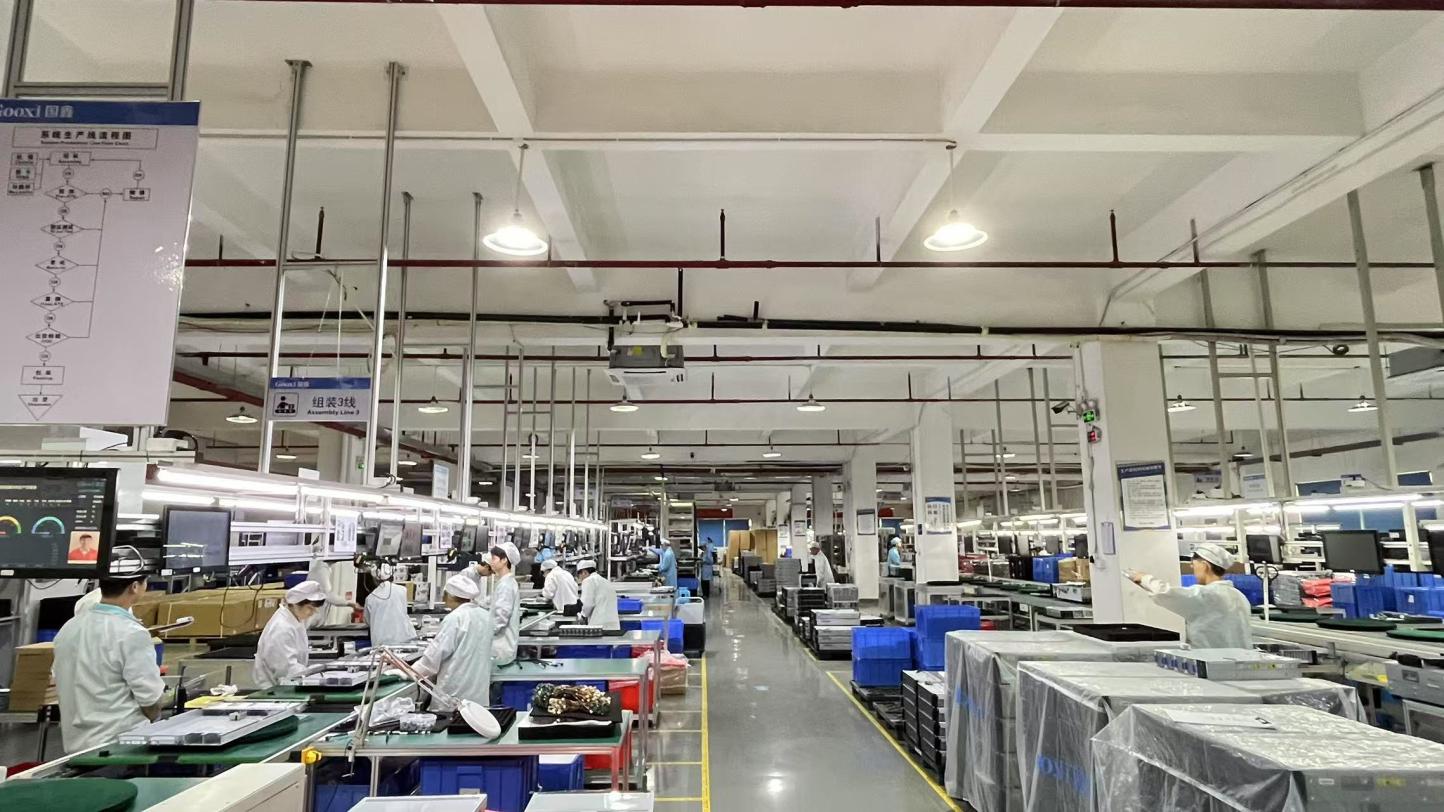
A glimpse into our modern assembly floor, R&D testing labs, and multi-tier quality control validation pipelines in Shenzhen.
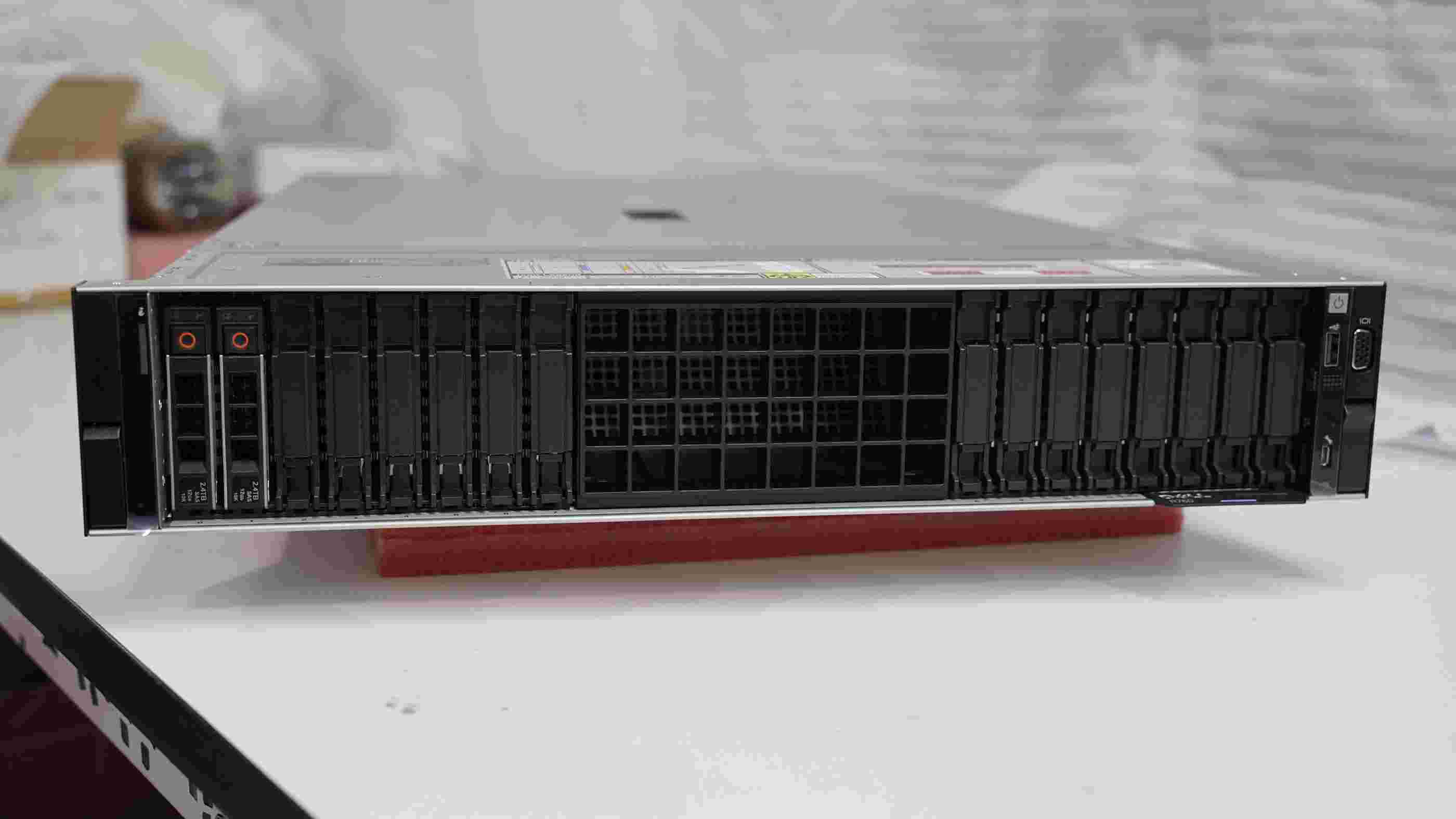

Expand your network capacities with compatible array controller components, high-density server configurations, and redundant storage systems.