NexGPU
NexGPU
NexGPU
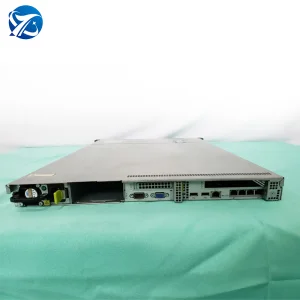
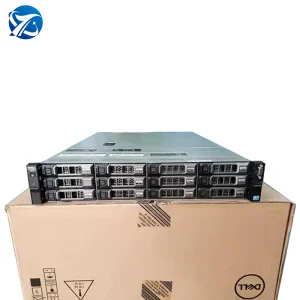
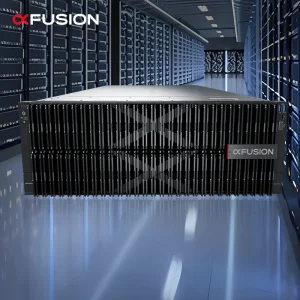
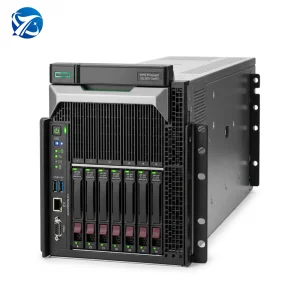
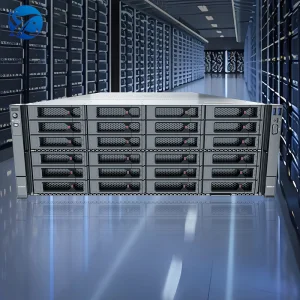
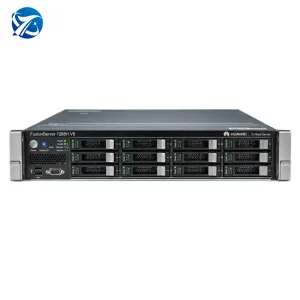
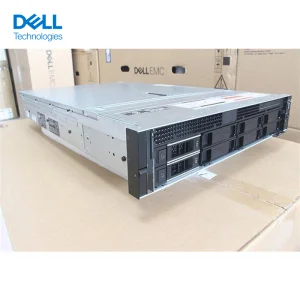
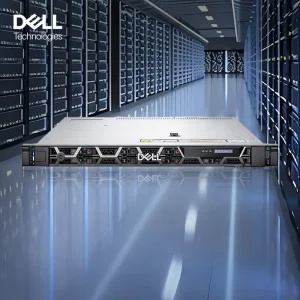
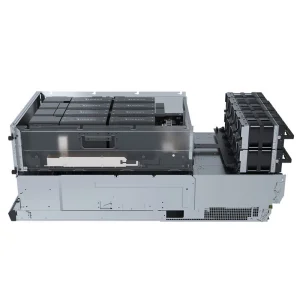
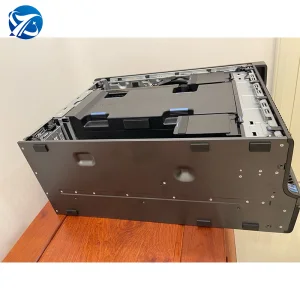
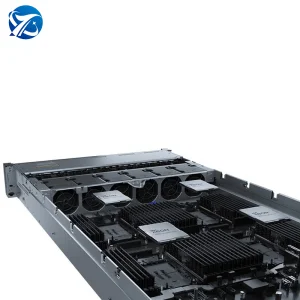
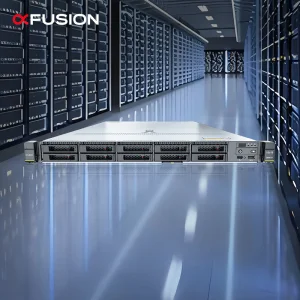
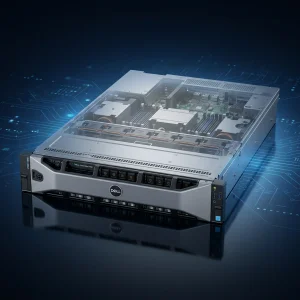
Explore our leading 1U and 2U rack dedicated servers engineered for heavy workloads, advanced computing, and enterprise operations.
Unveiling the core drivers behind the massive global upgrade from traditional general-purpose compute to specialized GPU architectures.
The global technological landscape is undergoing a monumental transition. The rise of generative AI, large language models (LLMs), and deep learning networks like the DeepSeek architecture has shifted the foundation of computational pipelines. Traditional CPU-centric servers, while robust for general web-hosting and standardized databases, fail to meet the multi-dimensional parallel processing demands of modern neural networks. To achieve training convergence within feasible timelines, enterprises are accelerating the procurement of dedicated GPU-accelerated servers and high-performance computing (HPC) nodes.
Information Gain: Research indicates that deep learning architectures require up to 100x more parallel compute bandwidth than legacy enterprise resource planning (ERP) workloads. This has triggered a massive transition toward high-density GPU accelerators coupled with PCIe Gen 5 interconnectivity.
This massive shift is not limited to hyperscale public cloud providers. Today, system integrators, academic laboratories, healthcare enterprises, and private quantitative trading firms require localized AI computing infrastructure. Developing custom models requires localized arrays of bare-metal servers designed to keep proprietary data highly secure, low-latency, and safe from public network exposures. As global supply chains face scrutiny, purchasing agents must evaluate suppliers based on architectural optimization, custom thermal capabilities, and comprehensive quality validation.
An enterprise-grade AI server is far more than a standard system with a graphics card. Modern server topology requires a balance of high-throughput compute, fast memory buffers, and massive storage bandwidth:
How Chinese advanced manufacturing nodes optimize components and deliver customized, high-reliability AI hardware to the global market.
The manufacturing of advanced hardware systems demands tight synchronization across the global supply chain. In China's premium manufacturing hubs, notably Shenzhen, the concept of "Factory 4.0" is fully realized through complete component ecosystems, advanced manufacturing automation, and strict quality control. From precision sheet metal fabrication for 1U, 2U, and 4U chassis to the complex multi-layer PCB design of high-density backplanes, Chinese manufacturers provide an unmatched combination of agility, scale, and integration expertise.
One of the key advantages of sourcing from top-tier Chinese AI server exporters is the local availability of components. Instead of dealing with disparate vendors across the globe, system integration centers in Shenzhen collaborate directly with memory, storage, cabling, and cooling solution providers located in the same industrial clusters. This physical proximity cuts development cycles from months to days, allowing custom OEM/ODM designs to be completed, tested, and shipped efficiently.
Thermal Integration Focus: As modern accelerator components reach TDP levels of 500W to 700W+, standard air cooling is no longer sufficient. Chinese manufacturers are pioneering hybrid direct-to-chip (D2C) liquid cooling loops, high-performance vapor chambers, and advanced fan control algorithms designed to maximize server lifespan and performance stability.
Furthermore, raw assembly is only one part of the equation. Modern Factory 4.0 environments prioritize digital quality control. Integrated test benches systematically check PCIe lane integrity, verify high-frequency signals, run thermal-burn test cycles under maximum load, and conduct deep memory stress diagnostics prior to shipping. This methodical approach ensures that every exported system arrives ready for integration into mission-critical data centers.
An in-depth look at high-speed interconnects, advanced caching, and modular architectures shaping future compute node designs.
As AI workloads scale, processing bottlenecks shift from computing cores to memory access and node-to-node interconnects. Modern server architectures are adapting with several key innovations. The adoption of PCIe Gen 5, offering up to 128 GB/s bi-directional bandwidth, has transformed the speed at which CPUs and GPUs communicate. This is critical when transferring massive datasets, such as video files for computer vision training or dense embeddings for large language models, from system memory to the GPU.
Additionally, the industry is embracing Compute Express Link (CXL), an open standard interconnect that allows memory sharing between host processors, accelerators, and memory expanders. CXL dramatically reduces latency and memory overhead by allowing GPUs to access CPU system memory dynamically, expanding the effective memory pool without requiring costly high-bandwidth memory (HBM) modules on every accelerator card.
Below is a structural comparison detailing the transition of key hardware interfaces:
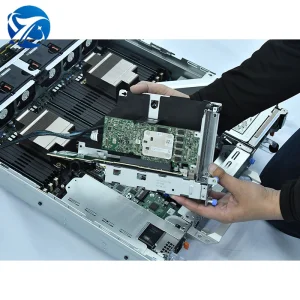
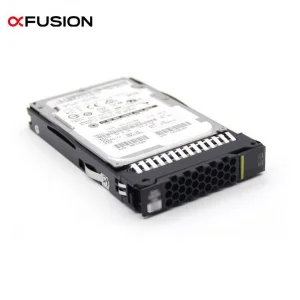
Storage sub-systems are also seeing upgrades. While NVMe remains the standard for hot data, data-intensive pipelines rely on specialized SAS/SATA RAID array cards (such as the XC170-M-8i) with dedicated cache configurations to coordinate multi-disk storage pools. These configurations ensure that massive unstructured datasets (images, audio transcripts, sensor data) can be continuously loaded into memory without causing starvation in the compute pipeline.
A strategic blueprint for purchasing agents and system integrators navigating cost, reliability, and validation standards.
For enterprise IT procurement teams and datacenter administrators, buying decisions require balancing peak computing performance with total cost of ownership (TCO) and system reliability. Key considerations include:
SEO Insight & Strategy: High-performance computing installations require careful planning around power delivery. Procurement specifications should always outline target power requirements, redundant power needs (e.g., 1+1 or 2+2 configurations), and operational thermal ranges to avoid field failures and ensure stable uptimes.
To protect hardware investments, enterprise clients should prioritize suppliers that perform rigorous burn-in tests. Real-world testing simulates continuous workloads for 24 to 72 hours, helping identify potential hardware failures before the equipment is packed, shipped, and deployed at the customer's facility.
How customized compute configurations translate to real-world performance across various industries.
AI servers are not general-purpose machines; they are tailored for specific application profiles. Here are key scenarios where custom hardware configurations deliver direct business value:
Training deep learning networks and fine-tuning models like LLaMA or DeepSeek requires processing billions of parameters. This demands multi-GPU systems connected via high-speed interfaces. High-bandwidth architectures enable GPUs to communicate with minimal latency, allowing training pipelines to scale efficiently. Large NVMe storage pools are critical for holding checkpoints, training data, and weights during execution.
Modern hybrid datacenters combine storage and computation into unified nodes. Dual-socket Intel Xeon configurations with SAS/SATA RAID capabilities function as both high-speed network storage (NAS) devices and computation hosts. This dual-purpose setup is ideal for virtualization platforms, databases, and enterprise file sharing where security and fast access times are critical.
For real-world edge nodes, such as smart traffic systems, automated factory floors, or local video analytics, compact 1U form factors are the preferred solution. These space-saving servers must operate reliably in environments with limited cooling and power. They handle inference tasks close to the data source, processing information locally to minimize latency and save network bandwidth.
A trusted manufacturer specializing in GPU servers, high-performance computing systems, and customized global solutions.
Founded in 2017, NexGPU Intelligent Computing Technology Co., Ltd. is a professional manufacturer specializing in GPU servers, AI computing infrastructure, high-performance computing (HPC) systems, and customized server solutions for global customers. Headquartered in Shenzhen, China, the company operates a modern manufacturing facility covering over 380 square meters, equipped with advanced assembly, testing, and quality control systems.
With more than 9 years of industry experience and 7 years of export experience, NexGPU has established itself as a trusted supplier for enterprises, cloud service providers, research institutions, AI startups, data centers, and system integrators worldwide. Our annual export revenue exceeds USD 18 million, serving customers across North America, Europe, Southeast Asia, the Middle East, and Oceania.
NexGPU maintains strict quality management standards throughout the production process. Every product undergoes comprehensive reliability testing, performance verification, burn-in testing, compatibility validation, and final inspection before shipment. Our dedicated quality control team consists of over 45 experienced inspectors, ensuring consistent product quality and reliability.
Supported by a strong global supply chain network of more than 1,200 strategic partners, NexGPU can efficiently source premium components and deliver flexible manufacturing solutions to meet diverse customer requirements. We offer extensive OEM and ODM services, including hardware configuration customization, chassis branding, firmware optimization, rack integration, and AI infrastructure deployment solutions.
Innovation is at the core of our business. Our R&D department includes over 120 engineers specializing in server architecture, thermal management, AI computing optimization, and system integration. Each year, NexGPU launches more than 80 new products and solution upgrades to address the rapidly evolving demands of artificial intelligence, machine learning, cloud computing, and enterprise data processing.
Driven by a commitment to performance, reliability, and customer success, NexGPU continues to provide cutting-edge GPU server solutions that empower organizations to accelerate innovation and achieve their digital transformation goals.
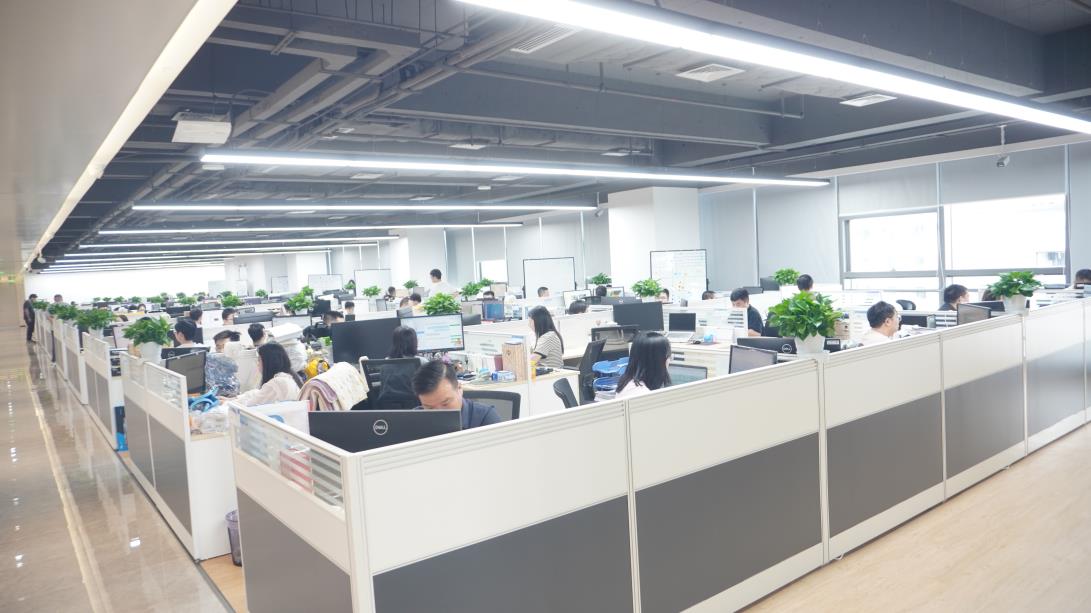
Take an inside look at our advanced manufacturing lines, quality testing facilities, and warehouse center in Shenzhen:





Expert answers regarding configurations, customizations, thermal designs, and global export procedures.
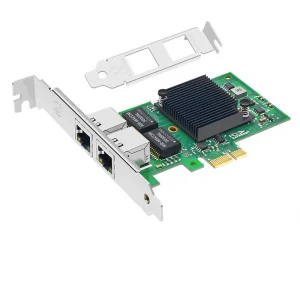
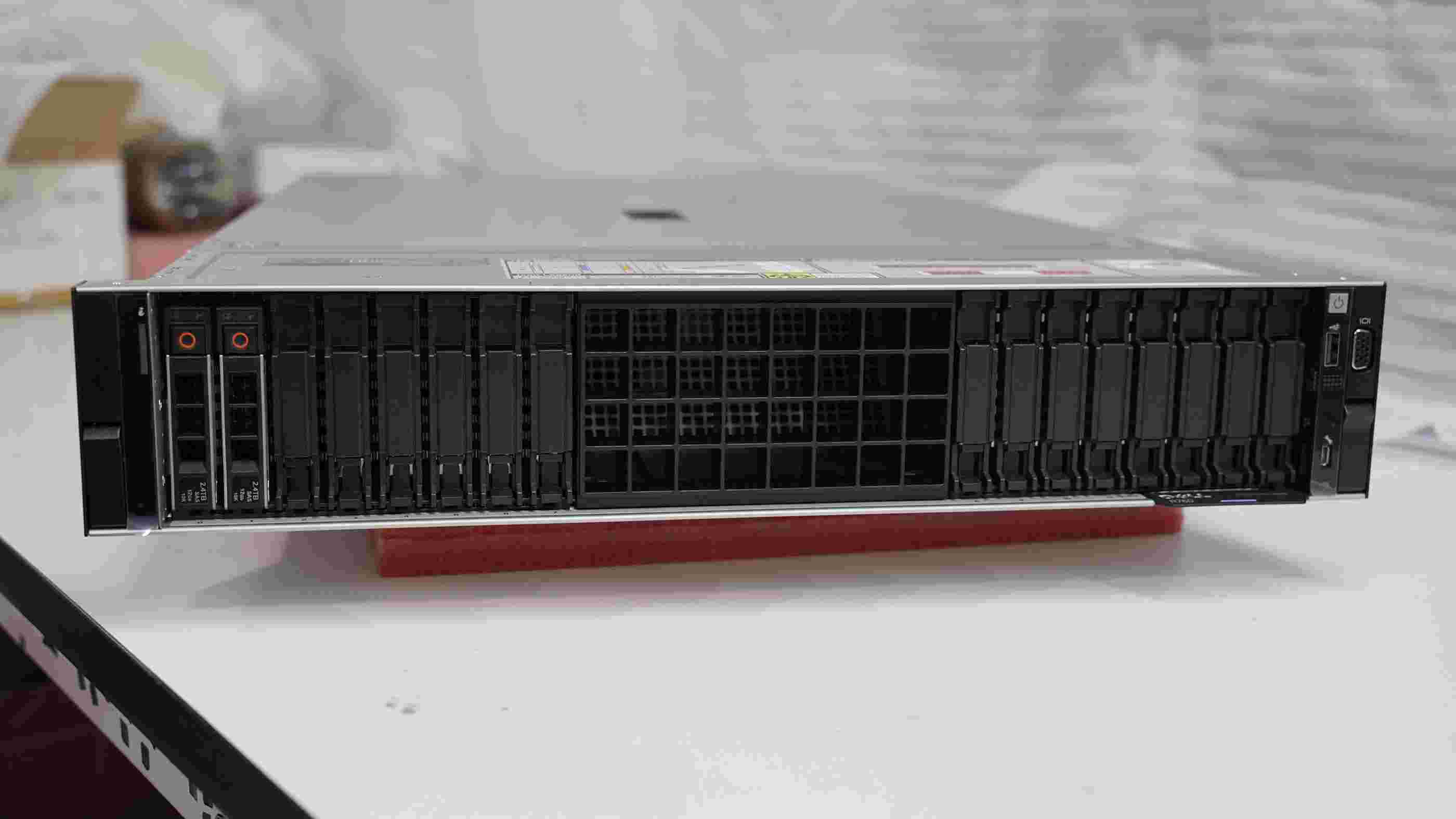
Explore our high-performance rackmount options, storage interfaces, and multi-socket deep learning configurations.