NexGPU
NexGPU
NexGPU
Explore our primary tier of enterprise-grade bare-metal platforms, hyperconverged nodes, and performance-tuned components engineered for robust containerization and virtualization clusters.
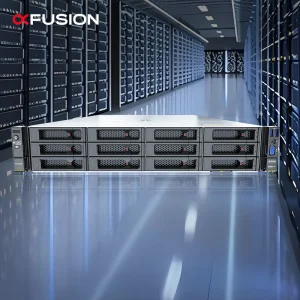
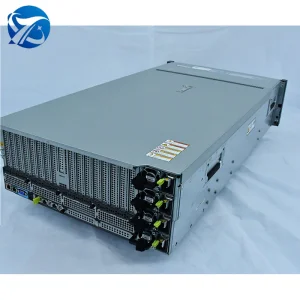
When global enterprises evaluate Virtual Server Hardware Manufacturers, the buying intent centers not just on the hypervisor software layers, but on the robustness of the physical bare-metal hardware. Modern virtualization (VMware ESXi, KVM, Hyper-V, and Proxmox VE) demands extreme memory bandwidth, intensive multi-core processing speeds, and robust I/O capabilities. NexGPU Intelligent Computing Technology Co., Ltd. bridge this crucial infrastructure gap by manufacturing servers optimized for virtualized architectures, offering robust bare-metal host platforms that support thousands of concurrent virtual machines (VMs) and workloads globally.
Founded in 2017 in Shenzhen, China, NexGPU has developed into an export-focused powerhouse, operating a highly dense, state-of-the-art testing and integration facility spanning over 380 square meters. Backed by 9+ years of industry experience and 7+ years of international export pedigree, we translate complex computing requirements into resilient rackmount architectures. Our USD 18 million+ annual export revenue validates our capability to build, customize, and deliver critical computing systems that stand up to the most demanding operational environments.
How virtualization hardware is evolving to support high-density containerization, AI deep learning pipelines, and heterogeneous accelerator architectures.
Compute Express Link (CXL) protocol represents a paradigm shift. Our newest virtualization motherboards leverage CXL to allow resource pooling of host memory and hardware accelerators, reducing virtualization overhead and latency to near-zero levels. This allows dynamic RAM pooling for dense multi-tenant clouds.
As thermal design power (TDP) for modern CPUs surpasses 350W and high-density GPU accelerators reach 700W+ per unit, liquid cooling is transitioning from optional to mandatory. NexGPU's future designs incorporate direct-to-chip liquid cooling loops and secondary rack-level heat exchangers to achieve a PUE below 1.15 in hyper-scale clusters.
Our servers integrate intelligent Baseboard Management Controllers (BMCs) with edge-inference engines. This permits dynamic telemetry analysis, enabling predictive maintenance schedules and instantaneous allocation of micro-virtual machines to address traffic spikes or hardware degradations without human intervention.
Customized physical configurations map directly to specialized virtual platforms, solving key compute, storage, and networking challenges across sectors.
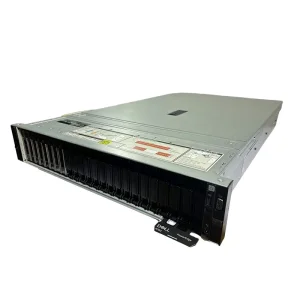
For enterprise private clouds running OpenStack or VMware Cloud Foundation, virtualization density is the primary target. We configure rack nodes with multi-socket Intel Xeon or AMD EPYC processors and high-capacity DDR5 ECC RDIMM memory (supporting up to 96GB per channel, operating at 6400MHz with 1.1V low-power profiles) to ensure maximal VM allocations per physical rack unit.
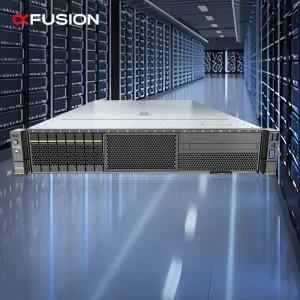
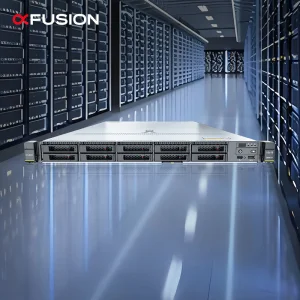
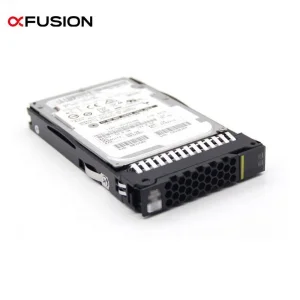
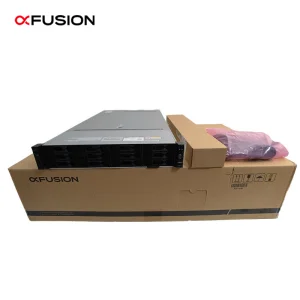
By merging storage, compute, and networking into a single scalable unit, HCI systems demand fast disk storage and high-throughput network interfaces. Systems like our xFusion 2288H V6 HCI Server support up to 20x 2.5-inch NVMe/SAS drives and dual-port 10Gbps/25Gbps OCP network modules, preventing bottleneck latency during vSAN read/write cycles.
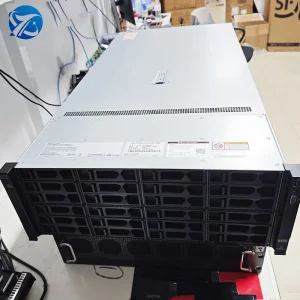
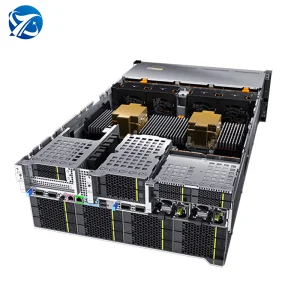
For deep learning (DeepSeek, LLaMA architectures) and intensive scientific calculation, VMs require direct GPU pass-through. Our GPU-dense platforms, such as the FusionServer G5500 V7 and the massive 8U FusionServer G8600 V7, support multi-GPU clustering with dedicated high-speed PCIe lanes, ensuring hardware-virtualized acceleration remains highly performant.
When sourcing computing hardware from China, international enterprises prioritize compliance, validation, and operational reliability. NexGPU maintains strict adherence to global safety and compatibility directives, assuring seamless integration into enterprise datacenters.
Every server leaving our facility is certified with certifications like CE, FCC, RoHS, and UL, ensuring that electromagnetic emissions, power safety profiles, and chemical standards match the localized directives of North America, the European Union, Southeast Asia, and Oceania.
Furthermore, we guarantee peace of mind with our layered support structures: advanced hardware warranties, remote IPMI/BMC technical diagnostics, and field-replaceable unit (FRU) spare part warehousing in global logistic centers, mitigating the downtime risk of virtual infrastructure clusters.
Our optimized assembly and design loops in Shenzhen enable NexGPU to supply world-class servers at competitive price-to-performance benchmarks.
NexGPU's specialized server integration center operates on a highly optimized modular design pattern. Supported by a robust network of over 1,200 strategic supply partners, we source core chassis components, cooling modules, power supplies, and silicon fabrics directly from original semiconductor fabricators. Our R&D team consists of over 120 server engineers specializing in thermal dissipation, motherboard architectures, power distribution, and BMC firmware optimization. Every year, we engineer and deploy more than 80 system upgrades, adjusting product lines for emerging AI applications, deep learning acceleration, and storage layouts.
Our quality verification team comprises over 45 dedicated inspectors. Each server is subjected to rigorous quality check points, including signal integrity testing on PCIe Gen 5 expansion lines, memory error correction verification under high-density loads, and cooling system efficiency benchmarking in elevated temperature environments.
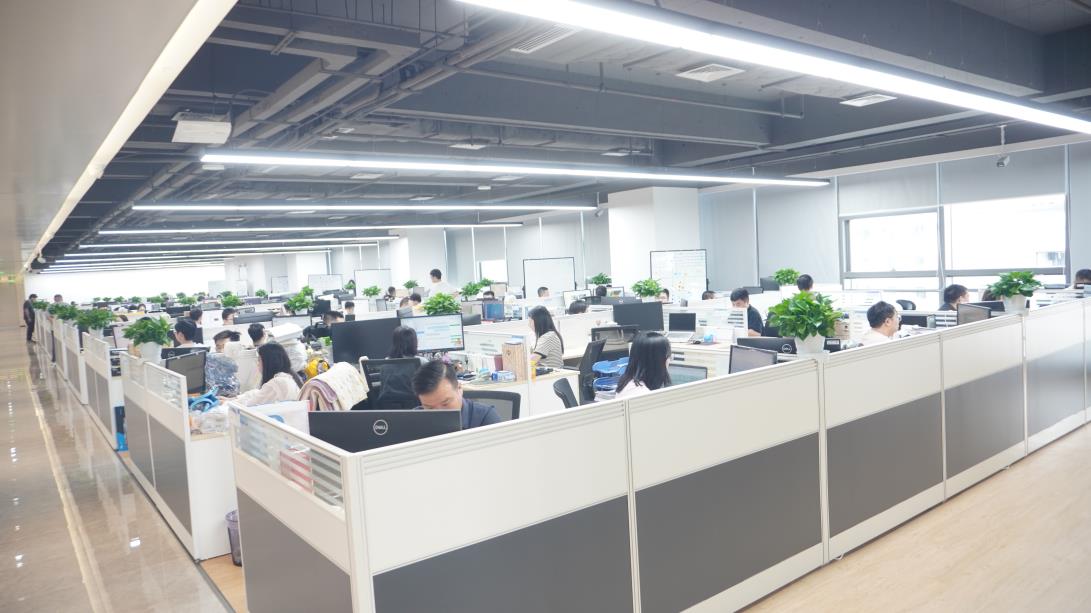

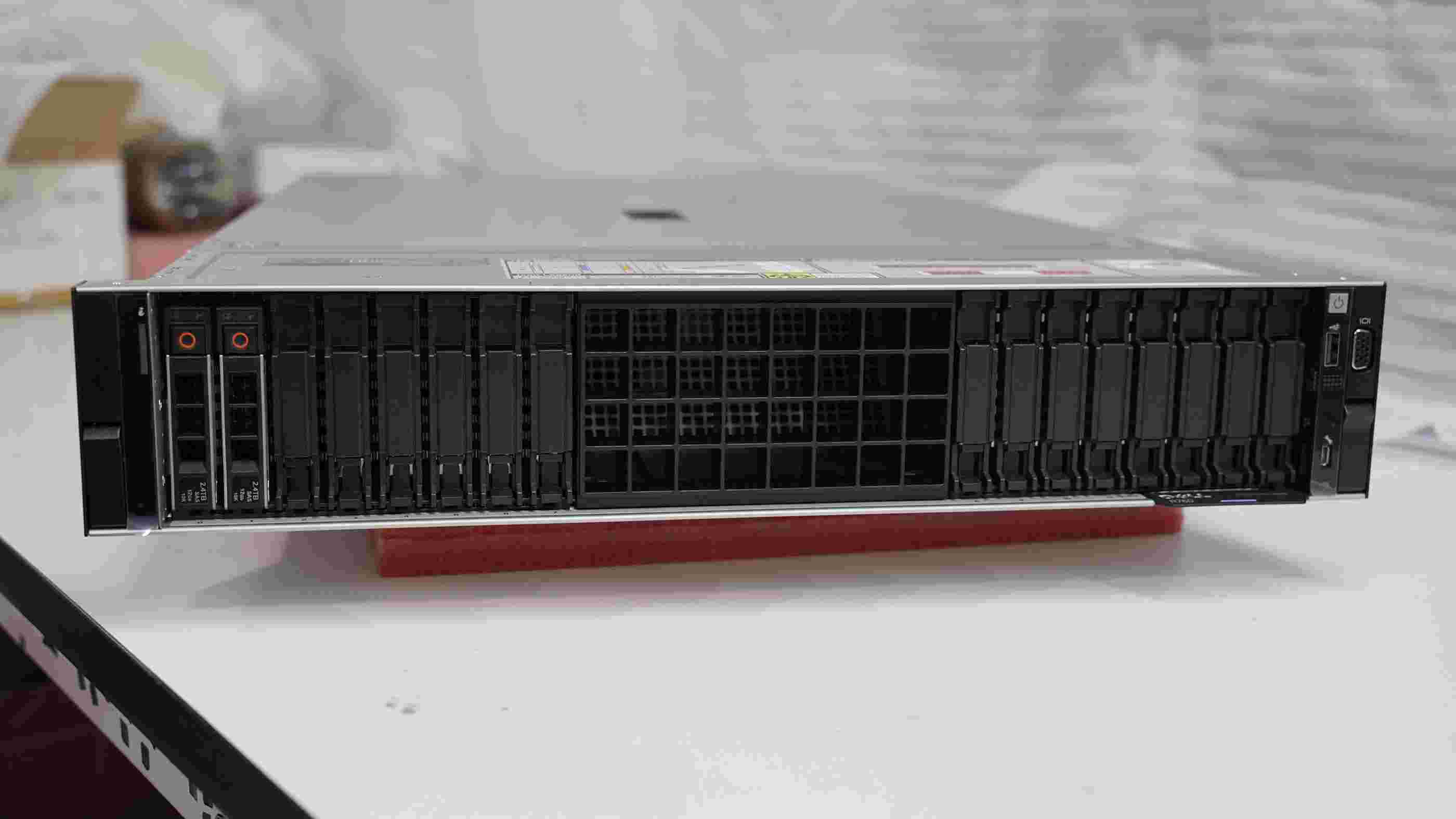
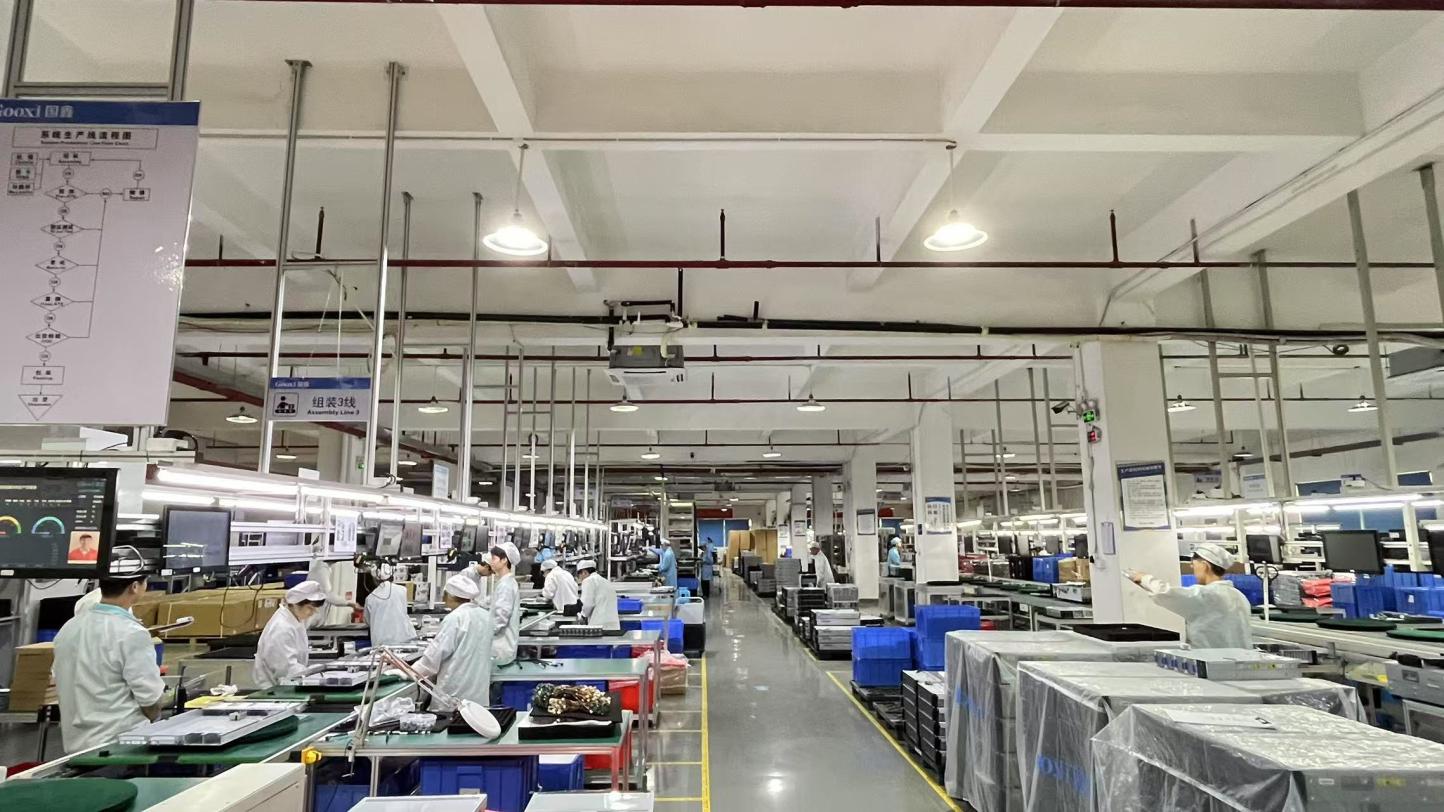
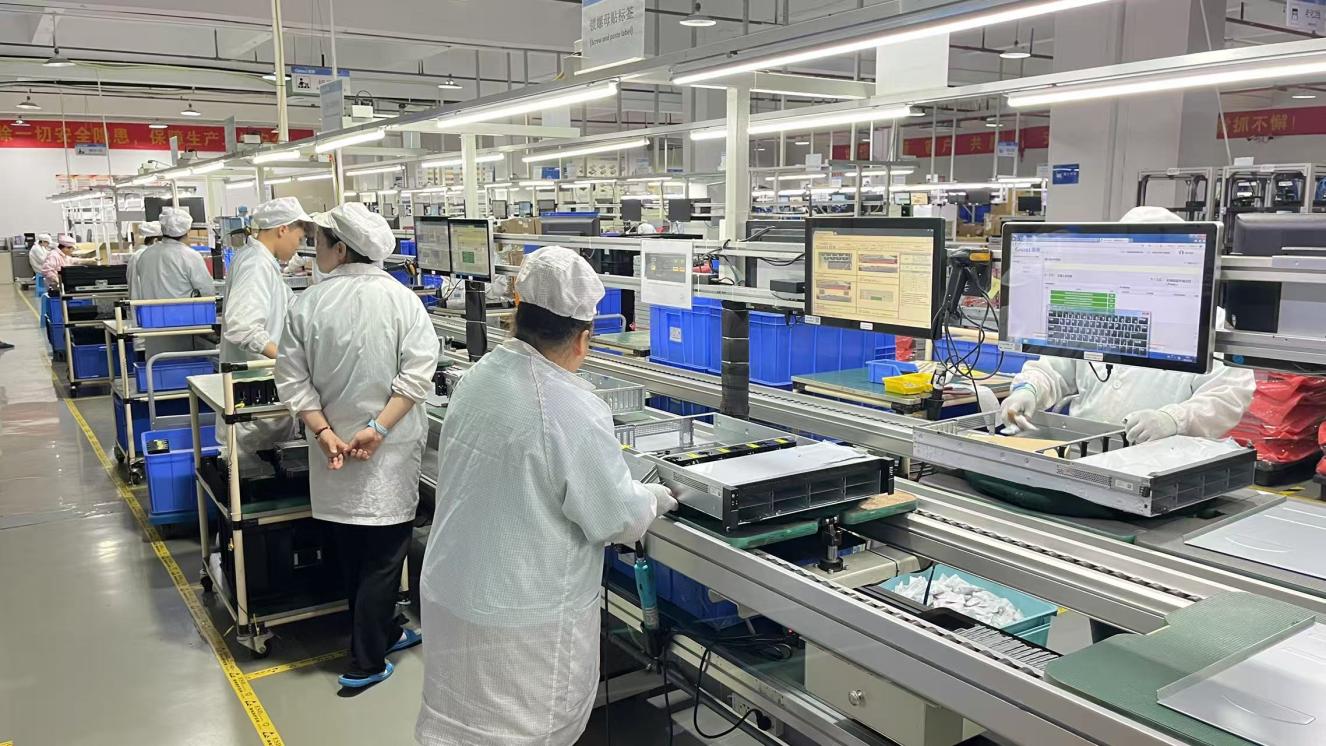

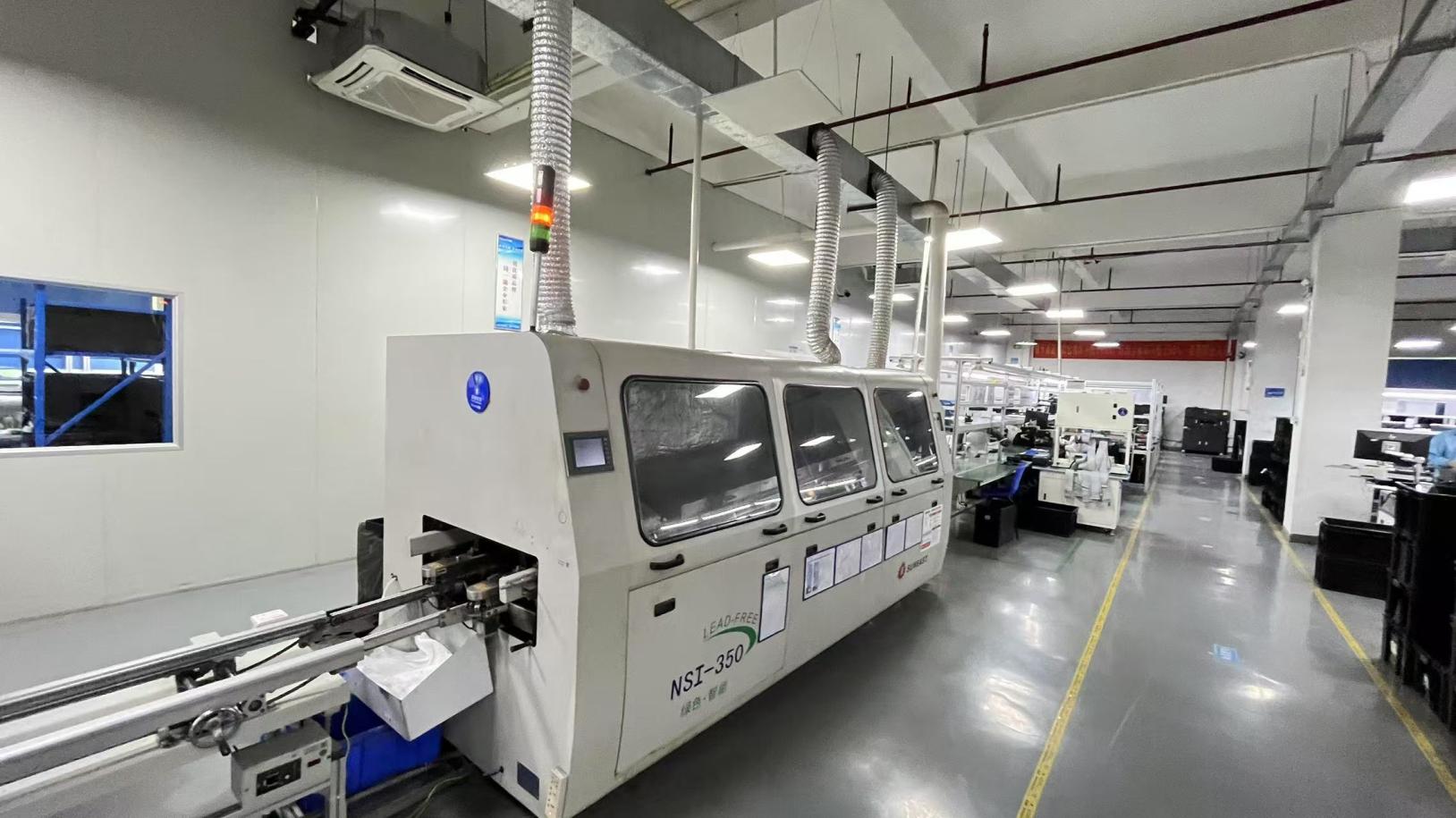
Precision engineering under strict production standards in Shenzhen.
Key considerations for technical sourcing agents and system integrators comparing bare-metal nodes and storage architectures.
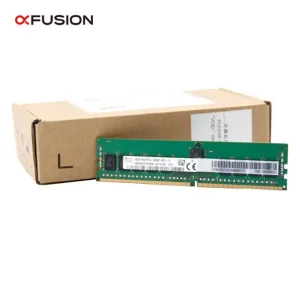
Virtualization nodes require significant memory resources. Select servers that support multi-channel DDR5 ECC RDIMMs (e.g., our 6400MHz ECC DDR5 memory systems) to minimize micro-VM application latency and prevent host memory starvation under peak loads.
Ensure compatibility with NVMe SSDs and high-end SATA SSD controllers (e.g., our SE005 Series Read Intensive SATA 6Gb/s SSDs). For virtualization storage clusters (vSAN/Ceph), high write endurance and low access latency are critical to maintain VM system health.
Choose partners capable of firmware styling, chassis customization, specialized networking topologies (InfiniBand integration), and automated BMC operating script loads. NexGPU specializes in modifying default system profiles for large-scale deployments.
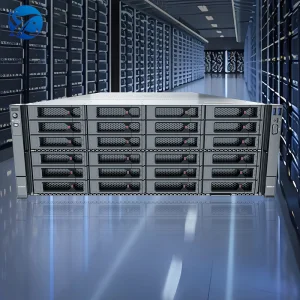
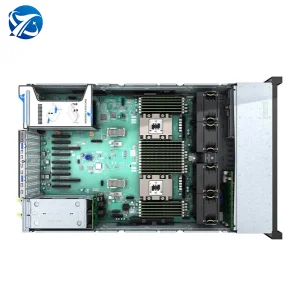
Browse our specialized high-performance lineup, featuring 8U multi-GPU AI systems, multi-socket enterprise storage servers, and ultra-high-speed solid-state accessories.
Direct answers to complex manufacturing, configuration, and export inquiries from international buyers.
Our rack servers are certified for platforms including VMware ESXi, KVM (Proxmox VE/Red Hat), and Microsoft Hyper-V. We configure motherboards with multi-channel DDR5 ECC memory buses (operating up to 6400MHz with 1.1V low-voltage parameters) and allocate multi-core Intel Xeon and AMD EPYC processors. This provides high core density and memory bandwidth to minimize micro-VM scheduling latency.
Yes. Backed by 120+ R&D engineers, NexGPU provides OEM/ODM services. We customize the physical chassis (rack-mount formats from 1U to 8U), select system memory configurations, customize brand panels and BIOS splash screens, configure network interfaces (10G/25G/100G OCP or InfiniBand options), and pre-load specialized hypervisor OS images.
Our 45+ QC inspectors enforce a multi-step check. Every system undergoes component tracing, thermal chamber profiling to test fan control systems under heavy CPU/GPU loads, and a continuous 48-hour burn-in stress test. Disk arrays and memory buses are scanned for bit errors to ensure high reliability.
We utilize a network of over 1,200 partners. This direct integration with key component suppliers allows us to source memory chips, system controllers, power modules, and core silicon even during market shortages, maintaining consistent production schedules and delivery times.
With 7+ years of export experience, we manage all international shipping steps. Our hardware conforms to CE, FCC, RoHS, and UL safety standards. We pack servers using high-density shockproof foam and reinforced crates to ensure safe delivery via air or ocean freight.