NexGPU
NexGPU
NexGPU
In an era marked by sophisticated multi-vector cyber threats, legacy stateful inspection firewalls are no longer sufficient. Modern enterprise security relies heavily on Next-Generation Firewalls (NGFW) capable of deep packet inspection (DPI), integrated intrusion prevention systems (IPS), SSL/TLS decryption, application control, and real-time AI-based threat intelligence. However, performing these computationally intensive operations at line rate without introducing latency bottlenecking requires highly specialized, optimized hardware platforms.
This is where custom OEM/ODM manufacturers bridge the gap. By decoupling firewall software from proprietary hardware, security software vendors, system integrators, and telecom providers can design and deploy bespoke, high-performance security appliances tailored precisely to their throughput, port density, thermal, and regulatory specifications. The shift toward software-defined networking (SDN) and virtualized security operations has heightened the demand for bare-metal network engines that support SmartNIC offloading, high PCIe lane availability, and hardware-level cryptographic accelerators.
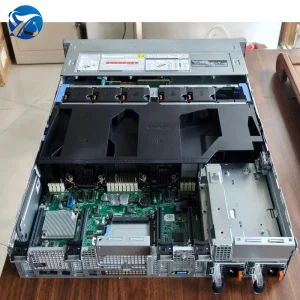
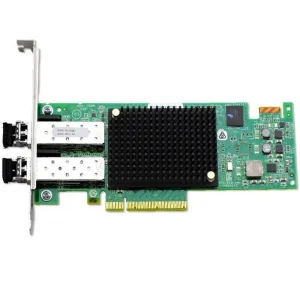
Modern security engines require an intricate balance between general-purpose computing and specialized silicon acceleration. Traditional server architectures often struggle under the weight of cryptographic decryption (SSL/TLS inspection) and deep threat pattern matching. As a premier manufacturer, we integrate advanced compute components including:
By optimizing the layout of the motherboard, data path routing, and PCIe bus distribution, NexGPU constructs OEM firewall appliances capable of handling hundreds of gigabits of concurrent traffic with minimal jitter.
When global enterprises, cloud operators, and government bodies source hardware platforms for their Next-Generation Firewalls, their criteria go far beyond standard datasheets. Security buyers, CIOs, and network operations directors have precise pain points that must be addressed during the OEM sourcing lifecycle:
Buyers seek reliable systems with MTBF (Mean Time Between Failures) exceeding 100,000 hours. The incorporation of redundant, hot-swappable components (fans, power supplies) minimizes downtime. Customization allows enterprises to pay only for the required interfaces (e.g., opting for 10GbE SFP+ over expensive 100GbE QSFP28 if not needed).
Firmware vulnerability is a rising vector of cyber-attacks. Global purchasers mandate Secure Boot, TPM 2.0 (Trusted Platform Modules), and customized BIOS options that disable unused interfaces at the hardware level. Ensuring a transparent supply chain free from unauthorized code modifications is crucial.
Different markets present distinct regulatory hurdles. Hardware platforms must comply with FCC, CE, RoHS, and local telecommunication authority requirements. Providing full traceability of component sourcing from tier-1 suppliers satisfies strict governance audits.
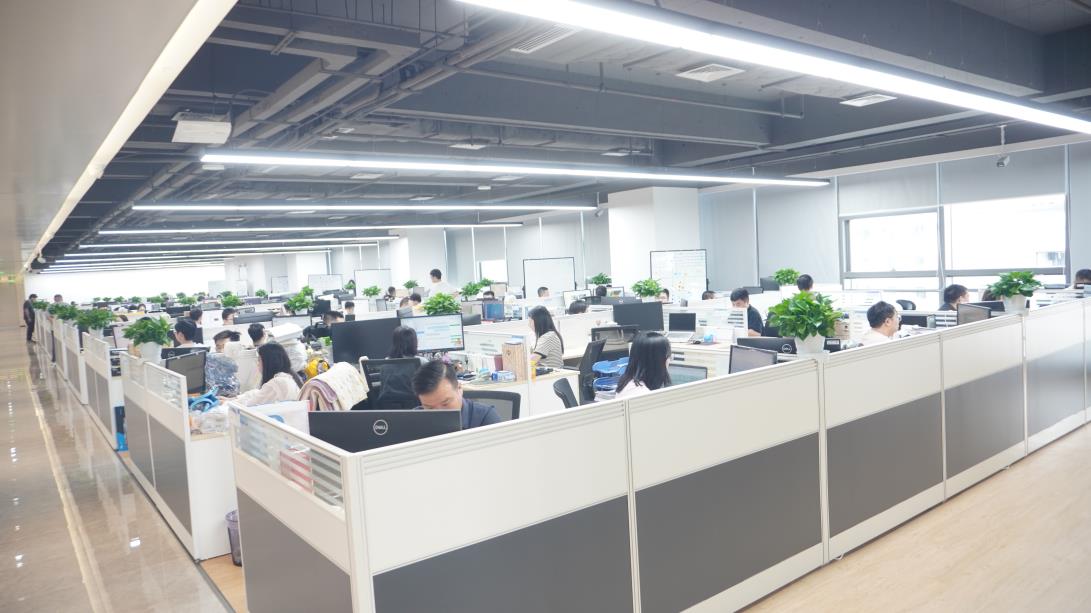
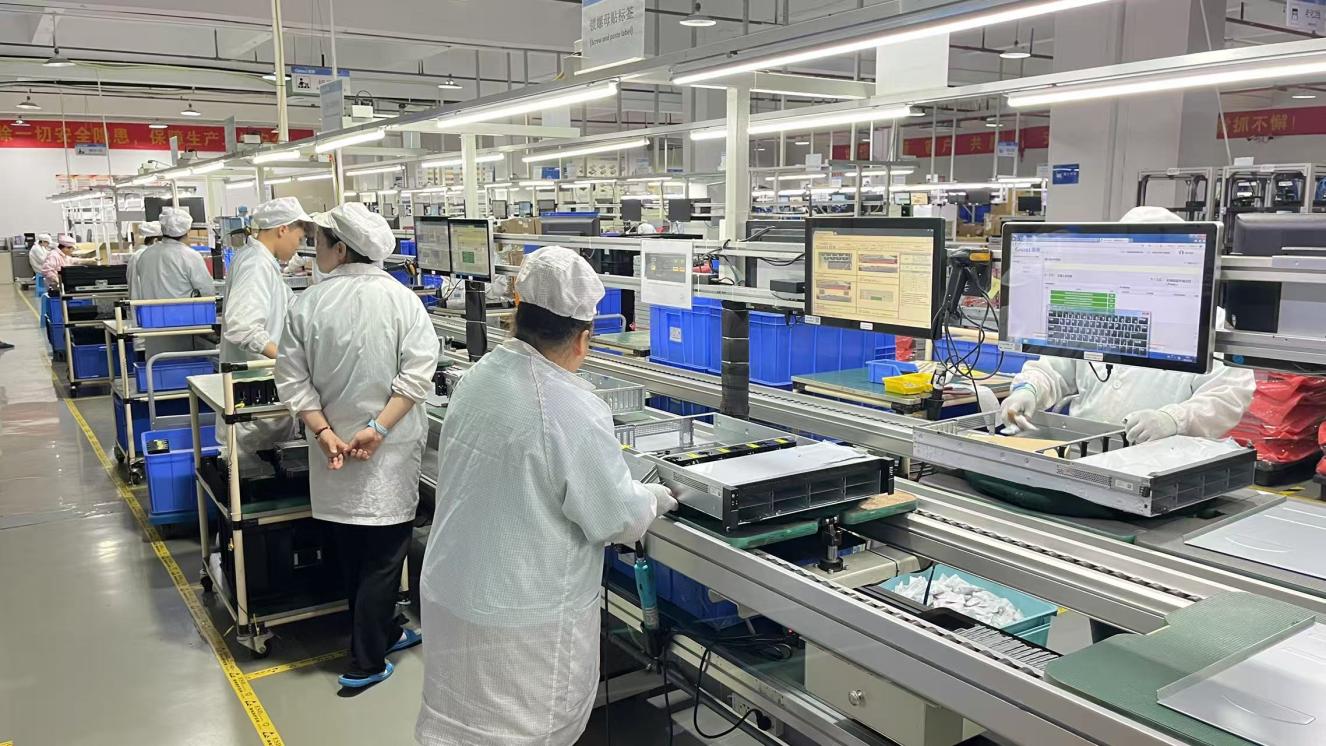
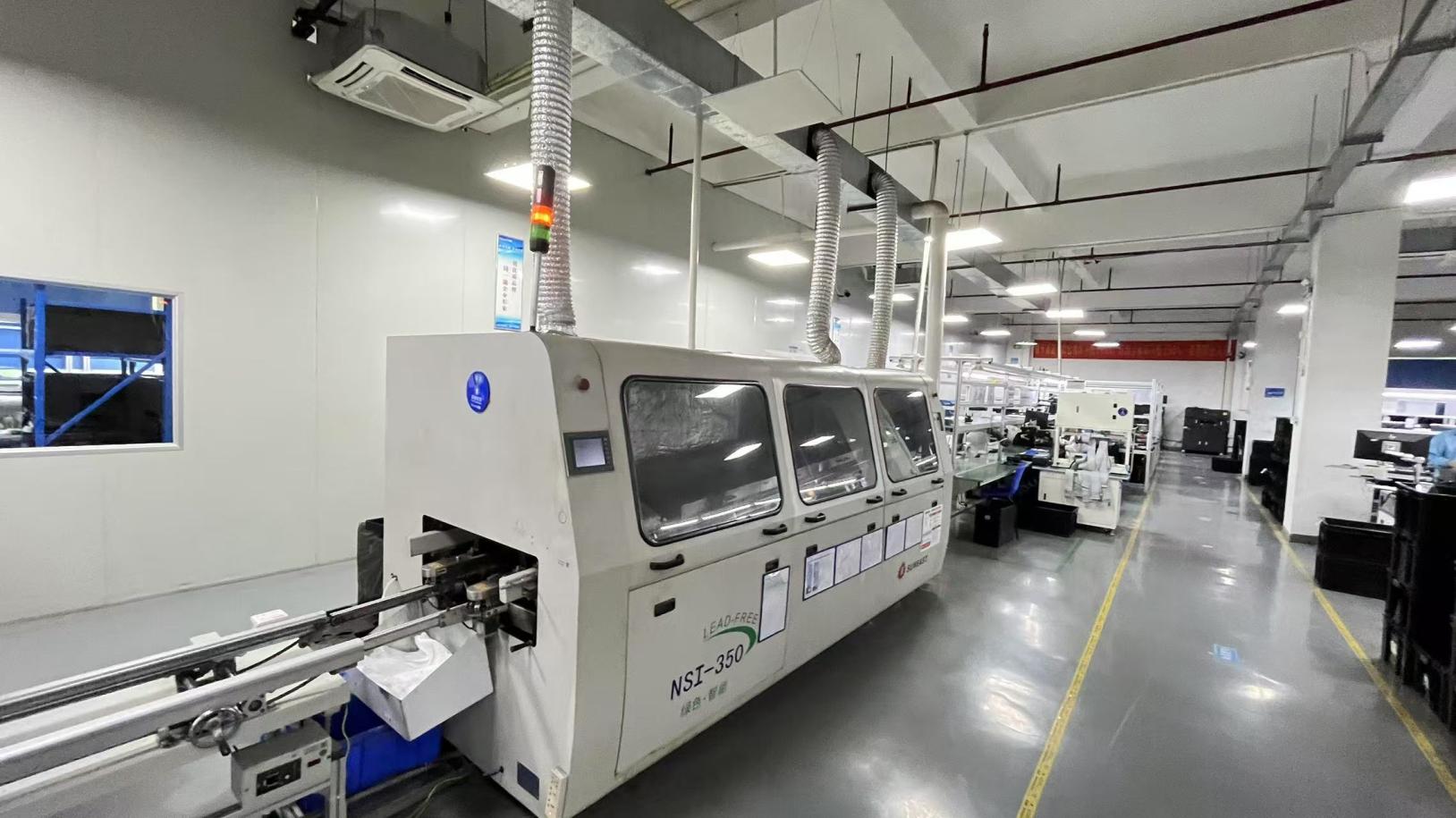
Founded in 2017, NexGPU Intelligent Computing Technology Co., Ltd. is a premier global manufacturer specializing in GPU servers, high-density AI computing infrastructure, high-performance computing (HPC) systems, and customized, bare-metal network security hardware solutions. Headquartered in Shenzhen, China, we operate a modern, state-of-the-art facility covering over 380 square meters, fully integrated with advanced assembly, comprehensive testing, and strict quality control systems.
Over the last 9 years of industry operation and 7 years of global export experience, NexGPU has emerged as a reliable OEM/ODM provider for tier-1 enterprises, cloud service operators, scientific research labs, AI startups, dynamic data centers, and global system integrators. With an annual export volume surpassing USD 18 million, our customer footprint spans North America, Europe, Southeast Asia, the Middle East, and Oceania.
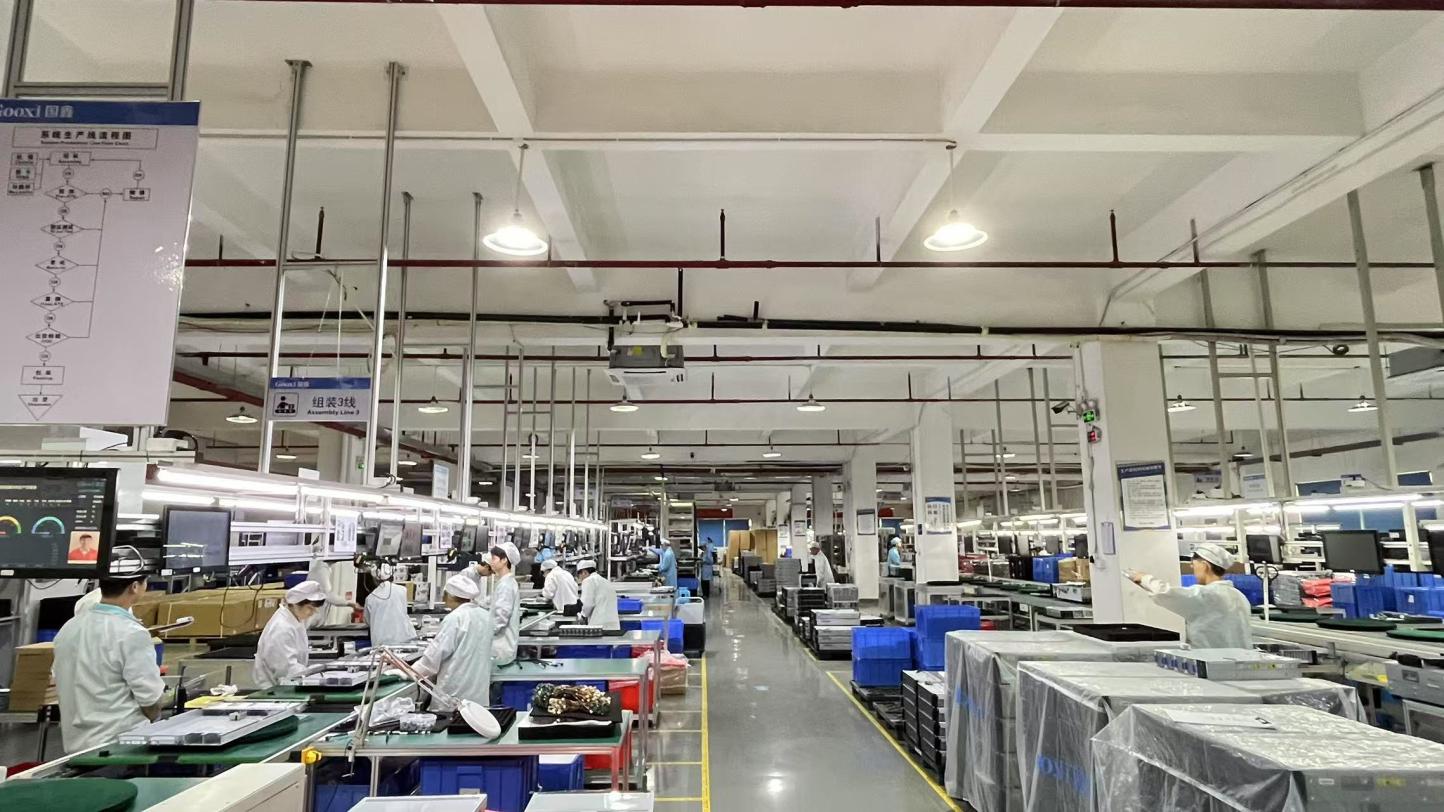
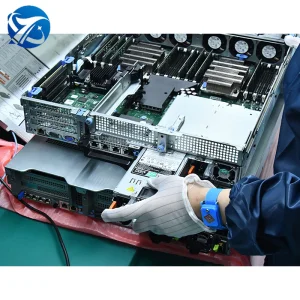
NexGPU is committed to the highest standards of reliability. Every machine undergoing delivery is subjected to rigorous hardware stress verification, performance benchmarking, thermal testing, network packet inspection validation, and final comprehensive auditing. Our quality assurance team includes 45 expert engineers and inspectors dedicated to maintaining zero-defect deployments.
Operating within the epicenter of the global hardware ecosystem in Shenzhen, NexGPU leverages a mature supply chain comprising over 1,200 strategic component suppliers. This network enables us to source premium raw materials, specialized network interface cards (NICs), advanced cooling configurations, and customized server chassis efficiently.
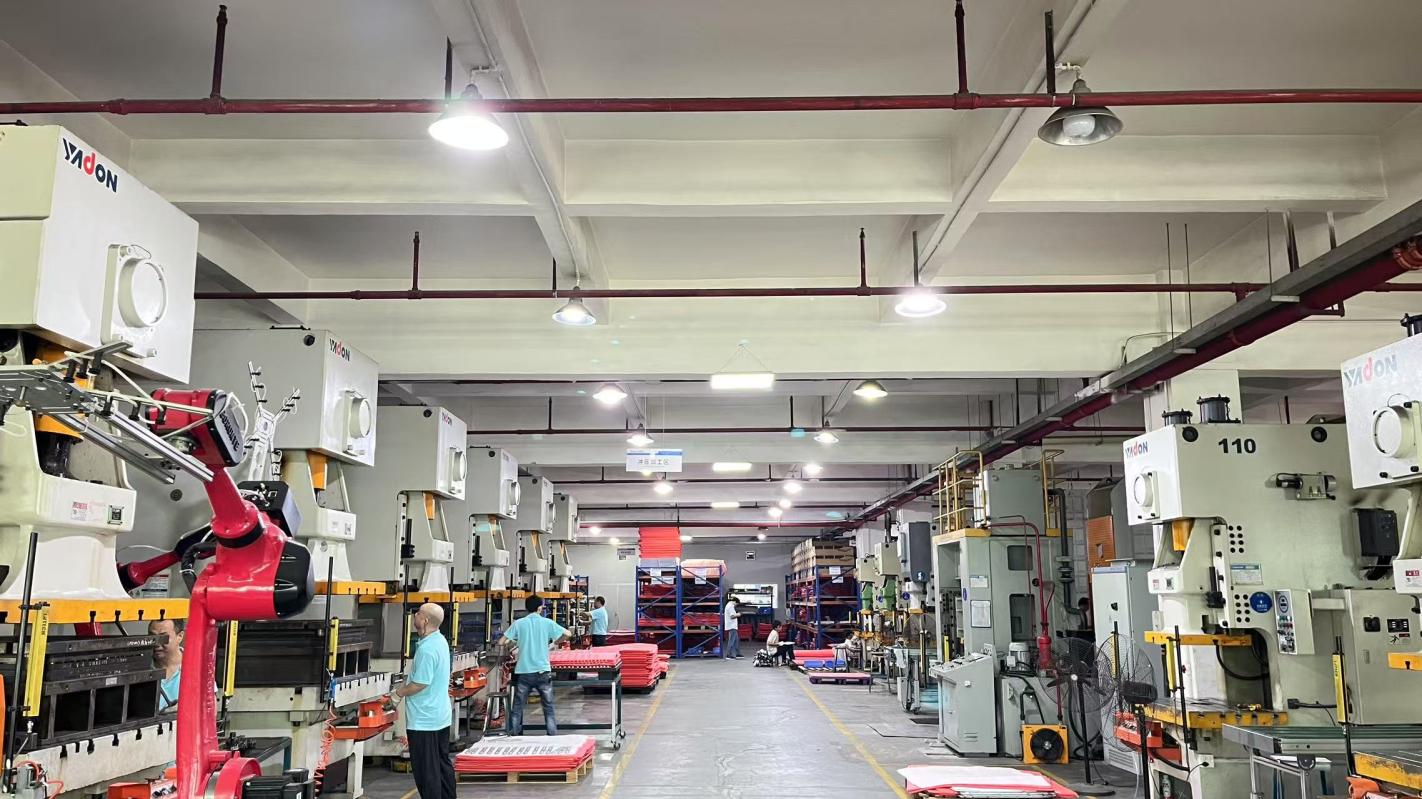
Our R&D division, boasting over 120 dedicated engineers, focuses on server architecture, thermal dynamics, security hardware offloading, and firmware optimization. Annually, we release over 80 product iterations and upgrades to keep pace with changing security threats and computing demands. This synergy of design control and factory automation guarantees rapid prototyping cycles, reducing the time-to-market for our customers' firewall solutions from months to weeks.
Our OEM next-generation firewall and computing hardware platforms are deployed across a broad spectrum of commercial, industrial, and public service infrastructures worldwide:
Handling multi-tenant cloud environments requires high-throughput hardware switches and security servers. Our custom appliances support hardware virtualization (SR-IOV), allowing developers to partition network interfaces safely among multiple virtual firewall instances without performance degradation.
Industrial settings expose hardware to wide temperature fluctuations, dust, and electrical noise. We design fanless, ruggedized firewall appliances using industrial-grade components that operate reliably on factory floors, ensuring the safety of critical production infrastructure.
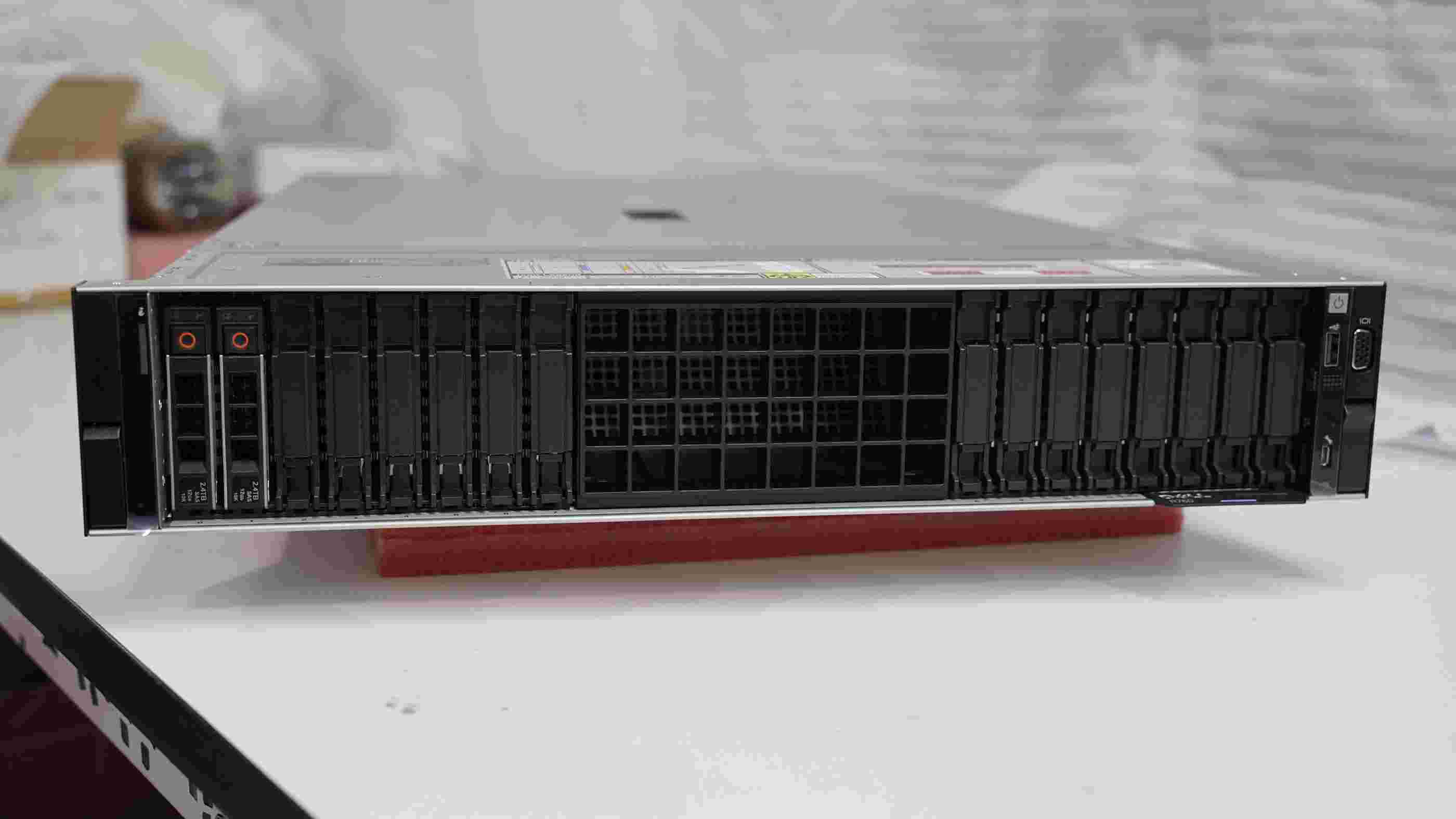
For decentralized businesses (retail chains, distributed offices), managing security across hundreds of locations requires cost-effective, low-power desktop security appliances. Our custom 1U rackmount and mini-ITX boxes provide the ideal performance-per-watt balance, combining routing, VPN, and threat protection in a compact form factor.
Take a virtual tour through our state-of-the-art production floors and inspection laboratories located in Shenzhen, China.